Event · revolt
Flour War
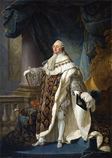
The Flour War was a wave of riots from April to May 1775 in the northern, eastern and western parts of the Kingdom of France, set off by a rise in the price of grain and bread. Turgot, Louis XVI's Controller-General of Finances, had abolished police regulation of the grain trade on 13 September 1774, and after poor harvests merchants' speculation spread shortages across the country. Rioters seized grain and paid what they held to be a just price, a practice known as popular taxation, and stood before Versailles on 2 and 3 May. Order returned with 25,000 soldiers, 162 arrests, two hangings and price controls; recent analyses treat the riots as a prelude to the French Revolution.
See also


Cite this entry
- APA
- The Epoch Institute. (2026). Flour War. In The Epoch Institute Encyclopedia. https://the-epoch-institute.org/encyclopedia/flour-war
- MLA
- “Flour War.” The Epoch Institute Encyclopedia, The Epoch Institute, 2026, https://the-epoch-institute.org/encyclopedia/flour-war. Accessed .
- Chicago
- The Epoch Institute. “Flour War.” The Epoch Institute Encyclopedia. 2026. https://the-epoch-institute.org/encyclopedia/flour-war.
- Harvard
- The Epoch Institute (2026) ‘Flour War’, The Epoch Institute Encyclopedia. Available at: https://the-epoch-institute.org/encyclopedia/flour-war (Accessed: ).
Last reviewed October 2026Random entry ↻