Inventions & Discoveries · Science and discovery
Germ theory of disease
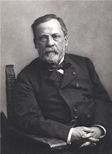
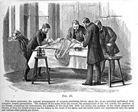
The germ theory of disease is the scientific theory that microorganisms, known as pathogens or germs, can cause disease; Athanasius Kircher was the first to attribute infectious disease to a microscopic pathogen, in his Scrutinium Physico-Medicum, published in Rome in 1658. Basic forms of the theory had been proposed by Girolamo Fracastoro in 1546. It took hold only towards the end of the 19th century, replacing the miasma theory that diseases came from bad air, after the work of Louis Pasteur from the late 1850s and of Robert Koch in the 1880s.

On the inventions tree
- First known
- 1658
- Where
- Rome
- Credited to
- Athanasius Kircher
NoteGirolamo Fracastoro proposed a basic form in 1546; the theory prevailed only after the work of Louis Pasteur and Robert Koch in the late 19th century.
See also


Cite this entry
- APA
- The Epoch Institute. (2026). Germ theory of disease. In The Epoch Institute Encyclopedia. https://the-epoch-institute.org/encyclopedia/germ-theory-of-disease
- MLA
- “Germ theory of disease.” The Epoch Institute Encyclopedia, The Epoch Institute, 2026, https://the-epoch-institute.org/encyclopedia/germ-theory-of-disease. Accessed .
- Chicago
- The Epoch Institute. “Germ theory of disease.” The Epoch Institute Encyclopedia. 2026. https://the-epoch-institute.org/encyclopedia/germ-theory-of-disease.
- Harvard
- The Epoch Institute (2026) ‘Germ theory of disease’, The Epoch Institute Encyclopedia. Available at: https://the-epoch-institute.org/encyclopedia/germ-theory-of-disease (Accessed: ).
Last reviewed October 2026Random entry ↻