Institution
Syssitia
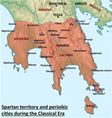
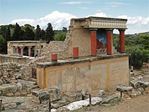
The syssitia were the common meals of men and youths in social or religious groups in ancient Greece, above all in Crete and Sparta, but also in Megara in the sixth century BCE and Corinth in the seventh. Tradition attributed their origin to Rhadamanthus, the legendary lawgiver of Knossos. In Sparta, where they were called pheiditia, the daily meal was obligatory even for the two kings; men were admitted from the age of twenty by a vote with balls of bread, a single flattened ball rejecting the candidate. Each member contributed a monthly share of barley, wine, cheese, figs and money, and those who could not pay were excluded. The main dish was the black soup.
See also


Cite this entry
- APA
- The Epoch Institute. (2026). Syssitia. In The Epoch Institute Encyclopedia. https://the-epoch-institute.org/encyclopedia/syssitia
- MLA
- “Syssitia.” The Epoch Institute Encyclopedia, The Epoch Institute, 2026, https://the-epoch-institute.org/encyclopedia/syssitia. Accessed .
- Chicago
- The Epoch Institute. “Syssitia.” The Epoch Institute Encyclopedia. 2026. https://the-epoch-institute.org/encyclopedia/syssitia.
- Harvard
- The Epoch Institute (2026) ‘Syssitia’, The Epoch Institute Encyclopedia. Available at: https://the-epoch-institute.org/encyclopedia/syssitia (Accessed: ).
Last reviewed October 2026Random entry ↻