Inventions & Discoveries · Farming and food
Neolithic Revolution
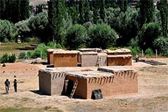
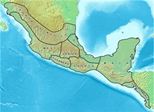
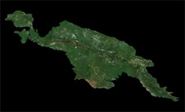
The Neolithic Revolution, or First Agricultural Revolution, was the transition of many human cultures from hunting and gathering to farming and settlement, which began in the Fertile Crescent between 10,000 and 8000 BCE. Farming also arose separately in other regions, among them China, New Guinea, Mesoamerica and three areas of Africa. Surplus food supported denser settlements and specialised labour, and provided the basis for centralised administrations and writing. Diets narrowed, however, and studies find that people grew shorter after the transition.

On the inventions tree
- First known
- c. 10,000 BCE
- Where
- The Fertile Crescent
Also arose independentlythe Yangtze, China (13,500–8,200 years ago); northern China (c. 6000 BCE); New Guinea (perhaps 8000 BCE); Mesoamerica (c. 7000 BCE); eastern North America (c. 2500 BCE); Ethiopia, the Sahel and West Africa
NoteDates for its beginning in West Asia range from about 12,000 to 8000 BCE.
See also


Cite this entry
- APA
- The Epoch Institute. (2026). Neolithic Revolution. In The Epoch Institute Encyclopedia. https://the-epoch-institute.org/encyclopedia/neolithic-revolution
- MLA
- “Neolithic Revolution.” The Epoch Institute Encyclopedia, The Epoch Institute, 2026, https://the-epoch-institute.org/encyclopedia/neolithic-revolution. Accessed .
- Chicago
- The Epoch Institute. “Neolithic Revolution.” The Epoch Institute Encyclopedia. 2026. https://the-epoch-institute.org/encyclopedia/neolithic-revolution.
- Harvard
- The Epoch Institute (2026) ‘Neolithic Revolution’, The Epoch Institute Encyclopedia. Available at: https://the-epoch-institute.org/encyclopedia/neolithic-revolution (Accessed: ).
Last reviewed October 2026Random entry ↻