Glossary · Term · title
Zamindar
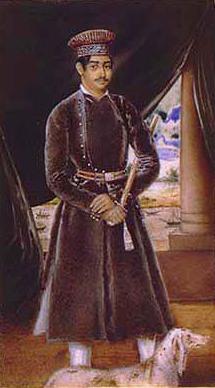
A zamindar was the holder of an estate, a zamindari, in the Indian subcontinent, typically hereditary and with the right to collect taxes; the Persian word for landowner came into use under the Mughal Empire. The word covered autonomous chiefs, two to three hundred under Akbar by one contemporary count, and intermediaries who collected revenue from the peasants but did not own the land. The East India Company's Permanent Settlement of 1793 made zamindars proprietors for a fixed annual rent, and land reforms in India and Pakistan abolished the system in the 1950s.
See also






Cite this entry
- APA
- The Epoch Institute. (2026). Zamindar. In The Epoch Institute Encyclopedia. https://the-epoch-institute.org/encyclopedia/zamindar
- MLA
- “Zamindar.” The Epoch Institute Encyclopedia, The Epoch Institute, 2026, https://the-epoch-institute.org/encyclopedia/zamindar. Accessed .
- Chicago
- The Epoch Institute. “Zamindar.” The Epoch Institute Encyclopedia. 2026. https://the-epoch-institute.org/encyclopedia/zamindar.
- Harvard
- The Epoch Institute (2026) ‘Zamindar’, The Epoch Institute Encyclopedia. Available at: https://the-epoch-institute.org/encyclopedia/zamindar (Accessed: ).
Last reviewed October 2026Random entry ↻