Religion / idea · period
Taishō period
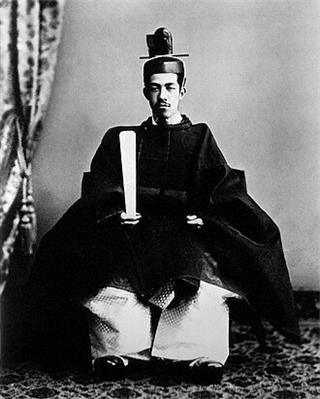
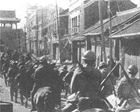
The Taishō period was the era of Japanese history corresponding to the reign of Emperor Taishō, from 1912 to 1926. It is associated with a growth of party politics, parliamentary government and liberal ideas, often called Taishō democracy. The genro, an informal council of elder statesmen, provided coherent governance through the Meiji and Taishō periods, but left no institutional successor as military factions gained power in the 1930s.
Mentioned in 1 profile
See also



Cite this entry
- APA
- The Epoch Institute. (2026). Taishō period. In The Epoch Institute Encyclopedia. https://the-epoch-institute.org/encyclopedia/taisho-period
- MLA
- “Taishō period.” The Epoch Institute Encyclopedia, The Epoch Institute, 2026, https://the-epoch-institute.org/encyclopedia/taisho-period. Accessed .
- Chicago
- The Epoch Institute. “Taishō period.” The Epoch Institute Encyclopedia. 2026. https://the-epoch-institute.org/encyclopedia/taisho-period.
- Harvard
- The Epoch Institute (2026) ‘Taishō period’, The Epoch Institute Encyclopedia. Available at: https://the-epoch-institute.org/encyclopedia/taisho-period (Accessed: ).
Last reviewed October 2026Random entry ↻