Reading path · 9 stops
The Silk Road
Follow silk, ideas and armies along the routes that bound Eurasia together.
For over fifteen centuries, overland routes across Central Asia carried silk westward and horses, glass and gold eastward, along with religions and technologies. No single empire owned the Silk Road; instead, a relay of states opened, taxed, protected and sometimes disrupted it. This path follows that relay from the Han missions of the second century BCE, through the Parthian middlemen and the cosmopolitan markets of Tang Chang'an, to the Mongol peace and the Timurid splendour of Samarkand.
Suits the Navigator · the Builder
 1 · Profile · 206 BCE – 220 CEHan DynastyZhang Qian's missions and Emperor Wu's western campaigns opened the routes, and Han garrisons in the Tarim Basin kept them running.
- 22 · Encyclopedia · TermSilk RoadAn overview of the network itself: its routes, its goods and the ideas, Buddhism among them, that travelled along it.
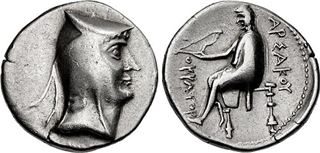 3 · Profile · 247 BCE – 224 CEParthian EmpireAstride key segments of the route, Parthia profited as the intermediary between Rome and Han China, which knew it as Anxi.
- 44 · Encyclopedia · PeopleSogdiansThe Central Asian merchant people whose caravans and partnerships carried much of the trade between steppe, oasis and city.
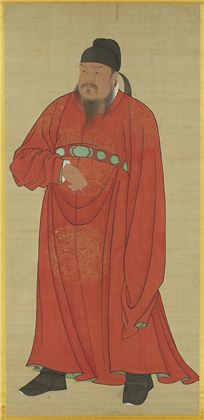 5 · Profile · 618 CE – 907 CETang DynastyTang Chang'an, with perhaps a million people, hosted Sogdian, Persian, Arab and Indian merchants in its two great markets.
 6 · Encyclopedia · Event · 751Battle of TalasIn 751 Abbasid forces checked Tang expansion in Central Asia, an encounter traditionally linked with the westward spread of papermaking.
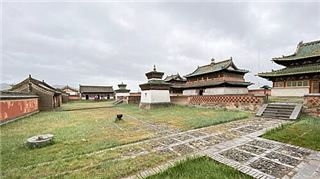 7 · Profile · 1206 CE – 1368 CEMongol EmpireMongol conquest joined China to Europe, with merchants protected by the Pax Mongolica and envoys speeded by the yam relay system.
- 88 · Encyclopedia · IdeaPax MongolicaThe idea behind the relatively safe passage of goods, envoys and travellers across Mongol-ruled Eurasia.
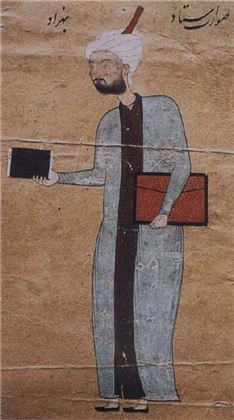 9 · Profile · 1363 CE – 1507 CETimurid EmpireCaravan trade between China, India and the Mediterranean enriched Samarkand, Bukhara and Herat, a late flowering of the overland routes.