Reading path · 8 stops
The Fall of Rome
How the western half of the ancient world's greatest state came apart.
Rome did not fall in a day, and half of it did not fall at all. This path traces the long unravelling of the western empire: the reforms that bought time, the frontier that broke at Adrianople, the sacks of the eternal city, and the quiet afternoon in 476 when a barbarian general sent the imperial regalia east. It ends with the Gothic kings who kept the lights on in Italy and the eastern empire that carried Rome onward for a thousand years.
Suits the Timekeeper · the Strategist
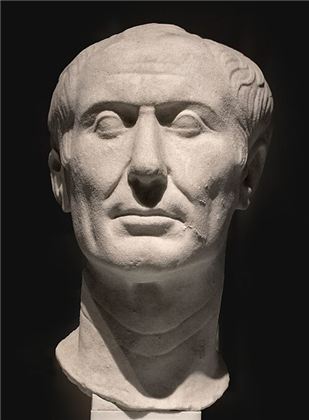 1 · Profile · 27 BCE – 476 CERoman EmpireBegin with the whole story: the power the fifth century inherited and squandered.
 2 · Encyclopedia · Person · r. 284–305 CEDiocletianThe reformer who split the empire to save it, a century before the end.
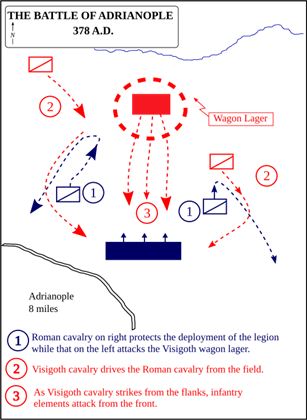 3 · Encyclopedia · Event · 378 CEBattle of Adrianople378 CE: the Goths destroyed an emperor and his army, and the frontier never truly closed again.
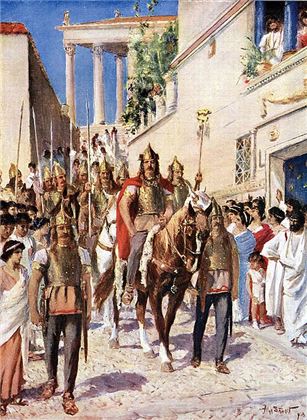 4 · Encyclopedia · Person · d. 410 CEAlaric IThe Gothic king whose army took Rome in 410, the first sack in eight centuries.
 5 · Encyclopedia · Person · c. 406–453AttilaThe Hun who bled both empires and showed how little stood behind the walls.
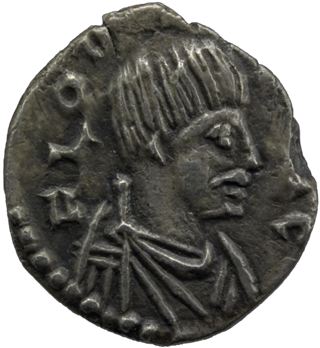 6 · Encyclopedia · Person · c. 433–493 CEOdoacerThe soldier who deposed the last western emperor in 476 and ruled Italy as king.
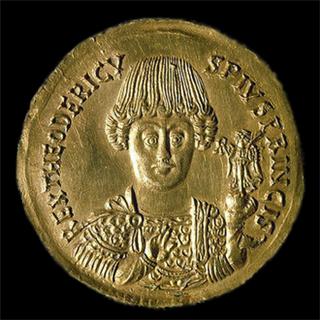 7 · Encyclopedia · Person · 454–526Theodoric the GreatThe Ostrogoth who governed Italy in Roman style: the fall, seen from the inside, looked like continuity.
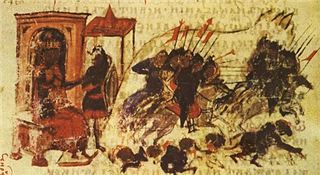 8 · Profile · 330 CE – 1453 CEByzantine EmpireThe half that did not fall: Rome's eastern empire endured to 1453.