Reading path · 9 stops
Religion and Power
How rulers adopted, promoted and imposed faiths, and how faith in turn shaped their states.
Empires have rarely been neutral about belief. Some rulers embraced a new faith and spread it across their realms; others used religion to claim legitimacy, to unite diverse subjects or to set themselves apart from rivals. This path moves from Ashoka's dhamma, Constantine's patronage of the Church and Ezana's conversion, through the first caliphs and the crowning of Charlemagne, to the crusades, Safavid Shi'ism and Akbar's policy of peace with all, showing faith as both foundation and fault line.
Suits the Thinker
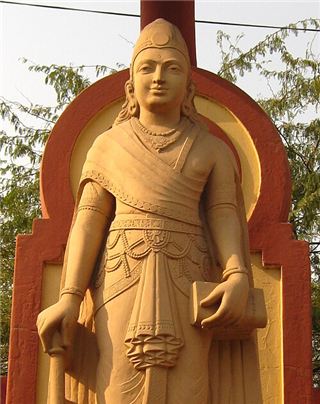 1 · Profile · 322 BCE – 185 BCEMaurya EmpireAfter the bloody Kalinga War, Ashoka renounced conquest by force, and royal patronage helped spread Buddhism across the subcontinent and beyond.
 2 · Encyclopedia · WorkEdicts of AshokaInscribed on rocks and pillars, the edicts proclaimed dhamma and welfare measures, even naming Hellenistic kings as recipients of Ashoka's missions.
 3 · Encyclopedia · Event · 313 CEEdict of MilanThe agreement of 313 between Constantine and Licinius that set a persecuted sect on the road to becoming Rome's dominant institution.
 4 · Profile · 100 CE – 940 CEAksumite EmpireKing Ezana's adoption of Christianity in the fourth century made the church a major pillar of Aksumite government.
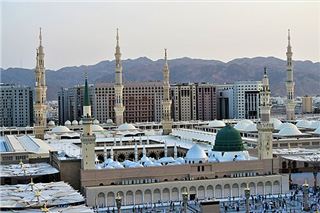 5 · Profile · 632 CE – 661 CERashidun CaliphateThe first caliphs, successors to the Prophet Muhammad, turned a religious community into an empire reaching Syria, Egypt and Iraq.
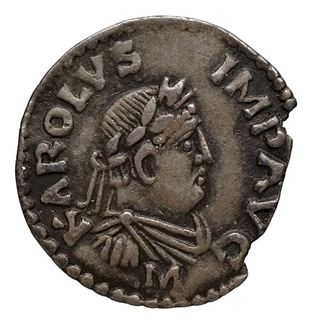 6 · Encyclopedia · Event · 800 CECoronation of CharlemagneOn Christmas Day 800 Pope Leo III crowned Charlemagne in Rome, sealing the alliance between the papacy and the Frankish monarchy.
 7 · Encyclopedia · EventCrusadesCenturies of holy war in the name of faith, including the irony of 1204, when crusaders sacked Christian Constantinople.
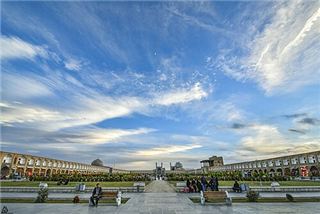 8 · Profile · 1501 CE – 1736 CESafavid EmpireIsmail I proclaimed Twelver Shia Islam the state religion in 1501, forging an Iranian identity distinct from his Sunni Ottoman and Uzbek neighbours.
 9 · Profile · 1526 CE – 1857 CEMughal EmpireAkbar's Sulh-i-kul, or 'peace with all', and his abolition of the jizya in 1564 contrast with Aurangzeb's return to orthodoxy.
Test yourself
4 questions on this path and its stops.
The questions open here once the page has loaded.