State
Neo-Sumerian Empire
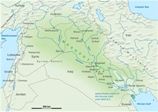
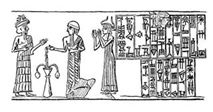
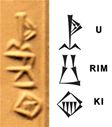
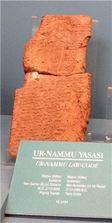
The Neo-Sumerian Empire, also known as the Third Dynasty of Ur, was a Mesopotamian state that emerged around 2112 BCE after the collapse of the Akkadian Empire. Its founder Ur-Nammu expelled the Gutians and reasserted Sumerian political and cultural identity. The state became known for its highly centralised bureaucracy and record-keeping, and it fell around 2004 BCE.
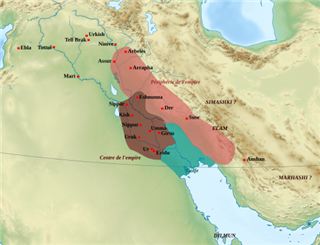
Mentioned in 1 profile
See also


Cite this entry
- APA
- The Epoch Institute. (2026). Neo-Sumerian Empire. In The Epoch Institute Encyclopedia. https://the-epoch-institute.org/encyclopedia/neo-sumerian-empire
- MLA
- “Neo-Sumerian Empire.” The Epoch Institute Encyclopedia, The Epoch Institute, 2026, https://the-epoch-institute.org/encyclopedia/neo-sumerian-empire. Accessed .
- Chicago
- The Epoch Institute. “Neo-Sumerian Empire.” The Epoch Institute Encyclopedia. 2026. https://the-epoch-institute.org/encyclopedia/neo-sumerian-empire.
- Harvard
- The Epoch Institute (2026) ‘Neo-Sumerian Empire’, The Epoch Institute Encyclopedia. Available at: https://the-epoch-institute.org/encyclopedia/neo-sumerian-empire (Accessed: ).
Last reviewed October 2026Random entry ↻