Reading path · 9 stops
India through the Ages
From Ashoka's edicts to the Marathas: the subcontinent's great powers in sequence.
Few lands have carried so many great states as the Indian subcontinent. This path moves through them in order: the Mauryan empire that first united the subcontinent and the emperor who renounced war; the classical age of the Guptas; the sultans of Delhi; the glittering south of Vijayanagara; the Mughal zenith and its monuments; and the Maratha confederacy that supplanted it.
Suits the Timekeeper · the Chronicler
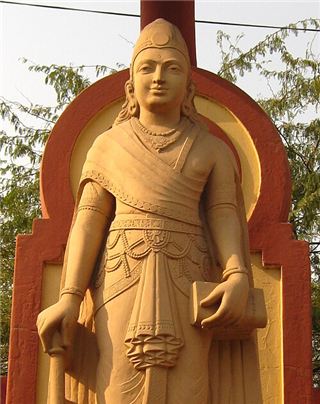 1 · Profile · 322 BCE – 185 BCEMaurya EmpireThe first empire to span the subcontinent, with a bureaucracy ahead of its time.
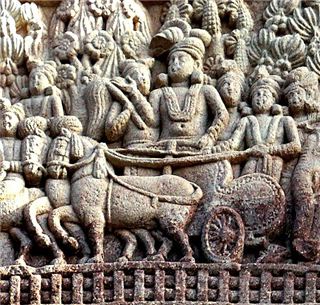 2 · Encyclopedia · Person · d. 232 BCEAshokaThe conqueror of Kalinga who turned to dhamma and carved his conscience onto rocks and pillars.
 3 · Profile · 240 CE – 550 CEGupta EmpireThe classical age: mathematics, poetry and temple art under a light imperial hand.
 4 · Profile · 1206 CE – 1526 CEDelhi SultanateThree centuries of sultans who made Delhi one of the great capitals of the Islamic world.
 5 · Profile · 1336 CE – 1646 CEVijayanagara EmpireThe city of victory that ruled the south and awed every traveller who saw it.
 6 · Profile · 1526 CE – 1857 CEMughal EmpireFrom Babur to Aurangzeb: the richest empire on earth in its day.
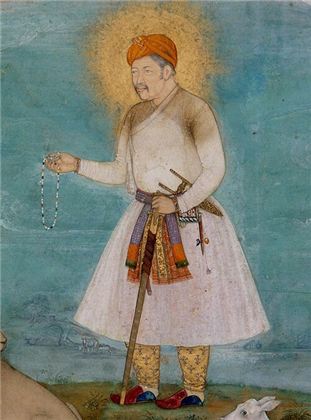 7 · Encyclopedia · Person · r. 1556–1605AkbarThe Mughal who ruled by inclusion, debating every faith at his court.
- 8 · Encyclopedia · WorkTaj MahalGrief in white marble: the empire's wealth and craft in one building.
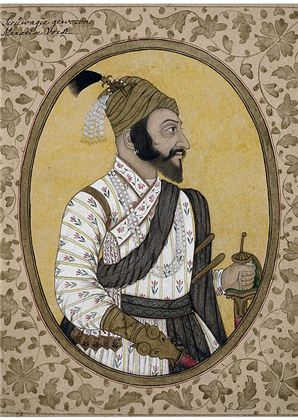 9 · Profile · 1674 CE – 1818 CEMaratha EmpireThe confederacy that broke Mughal power and dominated eighteenth-century India.