Reading path · 9 stops
Science and Learning
Libraries, translators and observatories: where empires invested in knowledge.
Imperial wealth has often paid for knowledge. Kings and caliphs founded libraries, endowed colleges, sponsored translations and built observatories, sometimes for prestige, sometimes for practical ends such as calendars and administration. This path visits the scholars of Ptolemaic Alexandria, the mathematicians of Gupta India, the translators of Abbasid Baghdad, the calendar reformers of the Seljuk court, the inventors of Song China and Ulugh Beg's astronomers in Samarkand, tracing how ideas passed from one centre of learning to the next.
Suits the Thinker
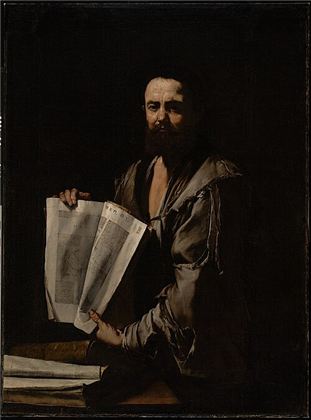 1 · Profile · 323 BCE – 30 BCEPtolemaic EmpirePtolemaic Alexandria drew scholars such as Euclid, Eratosthenes and Herophilus to its Library and Mouseion.
 2 · Encyclopedia · InstitutionLibrary of AlexandriaThe great royal library at the heart of Ptolemaic scholarship, whose reputation has shaped the ideal of a universal library ever since.
 3 · Profile · 240 CE – 550 CEGupta EmpireIndia's Golden Age produced Kalidasa's poetry and Aryabhata's astronomy, built on the place-value decimal system later transmitted to Europe.
 4 · Profile · 750 CE – 1517 CEAbbasid CaliphateFrom Baghdad, founded in 762, the Abbasids presided over a cosmopolitan court where al-Khwarizmi wrote his treatise on al-jabr.
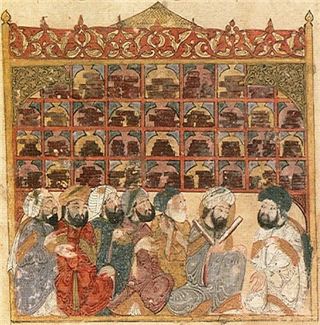 5 · Encyclopedia · InstitutionHouse of WisdomThe centre that translated Greek, Persian, Indian and Syriac texts into Arabic, preserving Aristotle, Euclid, Galen and Ptolemy.
 6 · Encyclopedia · PersonOmar KhayyamPoet and mathematician who, under Seljuk patronage, produced the Jalali calendar of 1079, more accurate than the Julian calendar.
 7 · Profile · 960 CE – 1279 CESong DynastySong China issued state paper money from 1024, first recorded the gunpowder formula in 1044 and chose officials by written examination.
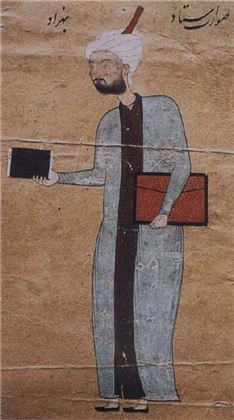 8 · Profile · 1363 CE – 1507 CETimurid EmpireRebuilt with the plunder of Timur's conquests, Samarkand became under Shah Rukh and Ulugh Beg a genuine centre of intellectual life.
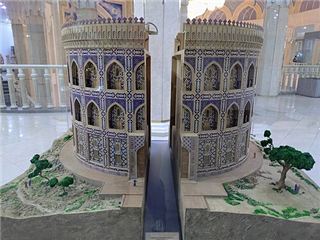 9 · Encyclopedia · InstitutionUlugh Beg ObservatoryBuilt in the 1420s, its tables listed more than a thousand stars and were later published at Oxford in 1665.