31 July in history
9 events that happened on 31 July, from 768 to 1971.
768 CE 1,258 years ago
The Lombard king Desiderius installs Philip as antipope for a day
Intervening in the crisis after the death of Pope Paul I, the Lombard king Desiderius seized a priest named Philip in Rome and had him appointed pope. Unrecognised, Philip left the same day and returned to his monastery.
✦ Anniversary of the day
1201 CE 825 years ago
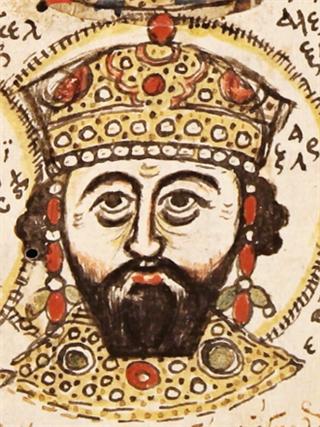
John Komnenos the Fat attempts a coup against Alexios III
With the support of the capital's populace, the plotters seized most of the Great Palace, and John Komnenos, a descendant of the Komnenian dynasty, was crowned in Hagia Sophia. Their coup against Emperor Alexios III Angelos was short-lived.
1423 CE 603 years ago
An Anglo-Burgundian army defeats a Franco-Scottish force at Cravant
At a bridge and ford over the river Yonne at Cravant in Burgundy, south-east of Auxerre, the English and their Burgundian allies defeated a Franco-Scottish army in the Hundred Years' War.
1556 CE 470 years ago
Ignatius of Loyola dies in Rome
Ignatius of Loyola, the Basque soldier turned founder of the Society of Jesus, died in Rome. His Spiritual Exercises and the Jesuits' schools and missions reshaped Catholicism worldwide.
1703 CE 323 years ago
Daniel Defoe stands in the pillory for seditious libel
Daniel Defoe began three days in the pillory for a satirical pamphlet mocking Tory hostility to Dissenters. By tradition the crowd threw flowers instead of filth. He later wrote Robinson Crusoe.
1790 CE 236 years ago
The first US patent is issued to Samuel Hopkins
Samuel Hopkins received the first patent under the new US Patent Act, for an improved way of making potash. It was signed by George Washington and Thomas Jefferson.
1917 CE 109 years ago
The Battle of Passchendaele begins
British and French forces opened the Third Battle of Ypres in Flanders. Heavy rain turned the battlefield into a swamp, and months of fighting won a few miles for hundreds of thousands of casualties.
Born on 31 July 2

Died on 31 July 9




Dates as the sources give them: in the Julian calendar before 1582, and in some countries for longer (Britain until 1752, Russia until 1918). Only people whose day of birth or death the records agree on are listed.