Glossary · Term
Saka era
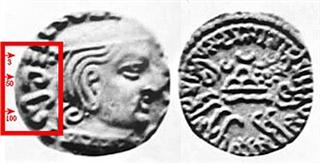
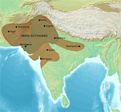
The Saka era is a calendar era beginning in 78 CE, used widely in India and in Hindu-Buddhist Java and Bali to date inscriptions and chronicles. Its origin is traditionally linked to a Saka or Kushan ruler. A reformed version became India's national calendar in 1957, and in Java its year count survived in the Javanese calendar of Sultan Agung.
Mentioned in 2 profiles
Mentioned in 1 state history
See also

Cite this entry
- APA
- The Epoch Institute. (2026). Saka era. In The Epoch Institute Encyclopedia. https://the-epoch-institute.org/encyclopedia/saka-era
- MLA
- “Saka era.” The Epoch Institute Encyclopedia, The Epoch Institute, 2026, https://the-epoch-institute.org/encyclopedia/saka-era. Accessed .
- Chicago
- The Epoch Institute. “Saka era.” The Epoch Institute Encyclopedia. 2026. https://the-epoch-institute.org/encyclopedia/saka-era.
- Harvard
- The Epoch Institute (2026) ‘Saka era’, The Epoch Institute Encyclopedia. Available at: https://the-epoch-institute.org/encyclopedia/saka-era (Accessed: ).
Last reviewed October 2026Random entry ↻