Social Ladders
How 30 societies ranked their people, from the ruler down to the enslaved: who stood where, how many they were, what each rank could do, and how people rose or fell.
Born into history
Where would you have stood? Choose a society, or let chance choose one, and be born into it: the rank is drawn by how many people each one held.
Compare two societies
Two ladders side by side, their ranks lined up by kind: rulers with rulers, nobles with nobles, the enslaved with the enslaved.
Ancient Near East


Egypt & North Africa

Sub-Saharan Africa
 c. 1235–1460 (from Sundiata Keita to the loss of the northern provinces)the Mali EmpireMansa (The emperor) to Jon (Enslaved people) · 7 ranks
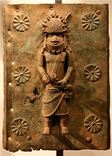 c. 1440–1690 (from Oba Ewuare to the civil war of the 1690s)the Kingdom of BeninOba (The king) to Enslaved people · 7 ranks
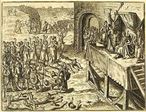 1509–1665 (from Afonso I to the Battle of Mbwila)the Kingdom of KongoMwene Kongo (The king) to Enslaved people · 6 ranks
Europe
 c. 600–371 BCE (to the defeat at Leuctra)Ancient SpartaBasileis (The two kings) to Heilotes (Helots) · 7 ranks
 508–322 BCE (from the reforms of Cleisthenes to the end of the democracy)Classical AthensPentakosiomedimnoi (Richest citizens) to Douloi (Enslaved people) · 6 ranks
 27 BCE – 235 CE (the Principate)Ancient RomePrinceps (The emperor) to Servi (Enslaved people) · 8 ranks
 c. 793–1066 (the Viking Age)the VikingsKonungar (Kings) to Þrælar (Thralls) · 7 ranks
 c. 850–1204 (the middle Byzantine period, from the Macedonian emperors to the Fourth Crusade)the Byzantine EmpireBasileus (The emperor) to Douloi (Enslaved people) · 10 ranks
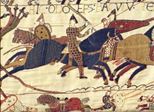 c. 1000–1300 (the High Middle Ages in France, England and the German lands)Feudal EuropeRex (The king) to Servi (Enslaved people) · 10 ranks
 1715–1789 (from the death of Louis XIV to the Revolution)Ancien Régime FranceRoi (The king) to Esclaves (Enslaved people) · 9 ranks
 1801–1861 (from the accession of Alexander I to the emancipation of the serfs)the Russian EmpireImperator (The emperor) to Dvorovye lyudi (Household serfs) · 10 ranks
Islamic Caliphates & Middle East
 750–945 (from the Abbasid Revolution to the Buyid takeover of Baghdad)the Abbasid CaliphateKhalīfa (The caliph) to ʿAbīd (Enslaved people) · 10 ranks
 1250–1517 (the Bahri and Burji sultans of Egypt and Syria)the Mamluk SultanateAl-Malik (The sultan) to ʿAbīd (Enslaved people) · 10 ranks
 1451–1600 (from Mehmed II to the end of the 16th century)the Ottoman EmpirePadişah (The sultan) to Köle (Enslaved people) · 9 ranks
Central & East Asia
 206 BCE – 220 CE (the Western and Eastern Han)Han ChinaHuangdi (The emperor) to Nubi (Enslaved people) · 8 ranks
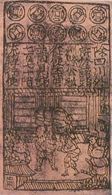 960–1279 (the Northern and Southern Song)Song ChinaHuangdi (The emperor) to Nubi (Bondservants and slaves) · 10 ranks
 1271–1368 (from Kublai Khan's proclamation of the Great Yuan to the fall of the dynasty)Yuan ChinaQa'an (The emperor and Great Khan) to Qukou (Enslaved people) · 10 ranks
 1392–1800 (the early and middle Joseon order)Joseon KoreaWang (The king) to Baekjeong (Outcasts) · 6 ranks
 1603–1868 (the Tokugawa shogunate)Tokugawa JapanKinri and kuge (The emperor and the court nobles) to Hinin (Outcasts of the streets) · 10 ranks
South & Southeast Asia
Americas
 c. 250–900 CE (the Classic period)the Classic MayaK'uhul ajaw (Holy lords and overlords) to Baak (Captives and the enslaved) · 6 ranks
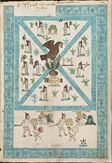 1428–1521 (from the Triple Alliance to the Spanish conquest)the Aztec EmpireHuey tlatoani (The emperor) to Tlacotin (Enslaved people) · 7 ranks
 c. 1438–1533 (from Pachacuti to the Spanish conquest)the Inca EmpireSapa Inka (The Sapa Inca and the Coya) to Yanakuna (Retainers) · 9 ranks
 c. 1750–1789 (the French colony at its richest, before the Haitian Revolution)Saint-DomingueGouverneur général (The governor-general and the intendant) to Marrons (Maroons) · 7 ranks
 c. 1650–1800 (the viceroyalties of New Spain and Peru)Spanish AmericaVirrey (The viceroy) to Esclavos (Enslaved people) · 9 ranks
Oceania
How to read the ladders
Each ladder runs from the top of its society to the bottom, by rank in law and honour rather than by wealth alone: a rich Roman freedman still stood below the freeborn. Every rank has a share of the whole population, children included: from the scholarship where scholars have counted or estimated one, and otherwise an estimate, marked est. and drawn dashed, made from related figures and from the same rank in comparable societies. To compare societies, every rank is also placed in one of eight broad kinds: ruler, nobility and officials, religious and learned, soldiers, merchants and craftsmen, free commoners, serfs and dependants, outcast groups, enslaved.