12 October in history
8 events that happened on 12 October, from 539 BCE to 2002.
✦ Anniversary of the day
539 BCE 2,564 years ago
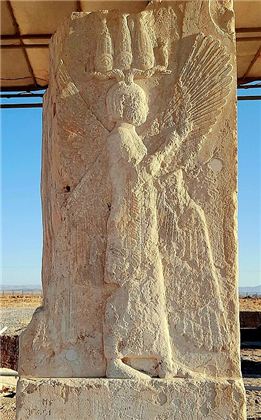
Persian forces of Cyrus the Great enter Babylon
After invading Babylonia, the Persian forces of Cyrus the Great entered the city of Babylon, ending the Chaldean, or Neo-Babylonian, Empire. The Babylonian Chronicles and the Cyrus Cylinder described the city taken without battle; Herodotus and Xenophon reported a siege.
633 CE 1,393 years ago
Cadwallon and Penda defeat and kill Edwin at Hatfield Chase
Near Doncaster, Cadwallon ap Cadfan of Gwynedd and Penda of Mercia defeated and killed Edwin, the Christian king of Northumbria. Northumbria split into its two kingdoms of Deira and Bernicia, and Cadwallon ravaged it for a year.
1398 CE 628 years ago
Vytautas cedes Samogitia to the Teutonic Knights at Salynas
On an islet of the Neman River, Vytautas the Great, ruler of Lithuania, and Grand Master Konrad von Jungingen signed the Treaty of Salynas, promising Samogitia to the Teutonic Knights for the third time. The dispute dragged on until 1422.
1492 CE 534 years ago
Columbus makes landfall in the Bahamas
After 33 days crossing the Atlantic, Christopher Columbus's expedition landed on an island its Taíno inhabitants called Guanahani. The encounter began sustained contact between Europe and the Americas, with vast consequences for both.
1810 CE 216 years ago
Crown Prince Ludwig's wedding gives rise to Oktoberfest
Crown Prince Ludwig of Bavaria married Princess Therese of Saxe-Hildburghausen, and Munich's citizens were invited to celebrate on the fields before the city gates. The festivities, crowned by a horse race, became the annual Oktoberfest.
1822 CE 204 years ago
Pedro I is acclaimed Emperor of Brazil
In Rio de Janeiro, Prince Pedro was acclaimed constitutional Emperor of Brazil, five weeks after declaring independence from Portugal. Brazil became the only lasting monarchy in independent Latin America.
Born on 12 October 5


Died on 12 October 6

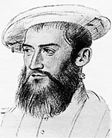

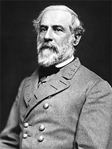
Dates as the sources give them: in the Julian calendar before 1582, and in some countries for longer (Britain until 1752, Russia until 1918). Only people whose day of birth or death the records agree on are listed.