26 June in history
9 events that happened on 26 June, from 684 to 1963.
✦ Anniversary of the day
684 CE 1,342 years ago
Benedict II is consecrated pope after imperial approval
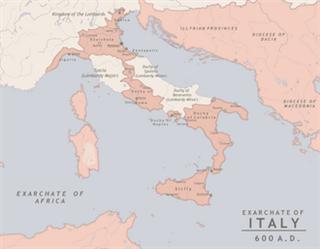
Benedict II was consecrated bishop of Rome after receiving the approval of the Byzantine emperor, as popes then required. He was the last pope to need the emperor's confirmation; his successors needed only that of the exarch of Ravenna.
1295 CE 731 years ago
Przemysł II is crowned King of Poland at Gniezno
Przemysł II, Duke of Greater Poland, was crowned King of Poland in Gniezno Cathedral, the first royal coronation in Poland for over two centuries. He returned Poland to the rank of kingdom but was murdered at Rogoźno the following February.
1409 CE 617 years ago
The Council of Pisa elects Alexander V, a third rival pope
Having declared Gregory XII of Rome and Benedict XIII of Avignon deposed, the Council of Pisa elected Peter of Candia as Alexander V, a third claimant in the Western Schism. He died in 1410 and is now regarded as an antipope.
1830 CE 196 years ago
George IV dies at Windsor
The former Prince Regent, known for extravagance and his patronage of architecture, died at 67. His brother William IV succeeded him, and the Great Reform Act followed in 1832.
1857 CE 169 years ago
Queen Victoria presents the first Victoria Crosses
In Hyde Park, Queen Victoria decorated 62 servicemen for valour in the Crimean War. The Victoria Cross remains Britain's highest award for gallantry.
1945 CE 81 years ago
United Nations Charter is signed in San Francisco
Delegates of 50 nations signed the Charter creating the United Nations to maintain peace and security. It came into force in October 1945.
1963 CE 63 years ago
Kennedy tells West Berlin 'Ich bin ein Berliner'
Speaking at Rathaus Schöneberg to a crowd of about 450,000, President Kennedy declared solidarity with the people of the walled city two years after the Berlin Wall went up.
Born on 26 June 4



Died on 26 June 5

Dates as the sources give them: in the Julian calendar before 1582, and in some countries for longer (Britain until 1752, Russia until 1918). Only people whose day of birth or death the records agree on are listed.