Encyclopedia: J
1,209 entries under J · page 8 of 13: John Batman – John Louis, Prince of Nassau-Hadamar
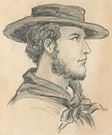 John BatmanPersonJohn Batman was an Australian grazier and explorer born in New South Wales who settled in Van Diemen's Land.
- John BeattiePersonJohn Beattie was a British social anthropologist at the University of Oxford, known for his fieldwork among the Nyoro of western Uganda in the 1950s.
 John Berkeley, 1st Baron Berkeley of StrattonPersonJohn Berkeley, 1st Baron Berkeley of Stratton, was an English Royalist commander and courtier.
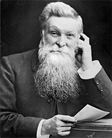 John Boyd DunlopPersonJohn Boyd Dunlop was a Scottish-born veterinary surgeon in Belfast who in 1888 developed a practical pneumatic tyre, first for his son's tricycle.
 John Brown RusswurmPersonJohn Brown Russwurm was a Jamaican-born American abolitionist and one of the first African American college graduates, from Bowdoin College in 1826.
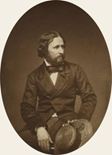 John C. FrémontPersonJohn C. Frémont was an American explorer, army officer and politician whose expeditions mapped much of the American West in the 1840s.
 John CabotPersonJohn Cabot, born Giovanni Caboto in Italy, was a navigator who sailed from Bristol under a patent from Henry VII of England.
 John CalvinPersonJohn Calvin was a French theologian and reformer whose Institutes of the Christian Religion became a founding text of Reformed Protestantism.
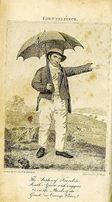 John Campbell (missionary)PersonJohn Campbell was a Scottish minister who twice inspected the London Missionary Society's stations in southern Africa.
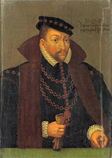 John Casimir of the Palatinate-SimmernPersonJohn Casimir was a Calvinist prince of the Palatinate, a younger son of Elector Frederick III.
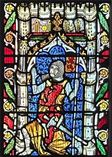 John Charlton, 1st Baron CharltonPersonJohn Charlton, 1st Baron Charlton, was an English nobleman from Shropshire who married Hawise, heiress of the last prince of Powys Wenwynwyn, around 1309.
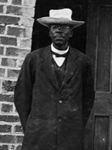 John ChilembwePersonJohn Chilembwe was a Baptist minister and educator in Nyasaland, now Malawi.
 John Churchill, 1st Duke of MarlboroughPersonJohn Churchill, 1st Duke of Marlborough, was an English general and statesman who commanded the allied armies against France in the War of the Spanish Succession.
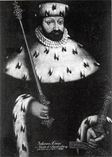 John CiceroPersonJohn Cicero was Elector of Brandenburg from 1486 to 1499, son of Albert Achilles.
 John Clarke (Baptist minister)PersonJohn Clarke was an English physician and Baptist minister who co-founded the colony of Rhode Island.
 John ClarksonPersonJohn Clarkson was a British naval officer and abolitionist, brother of Thomas Clarkson.
 John Coakley LettsomPersonJohn Coakley Lettsom was an English physician and philanthropist born to a Quaker family on Jost Van Dyke in the British Virgin Islands.
- John CockerillPersonJohn Cockerill was an English-born industrialist who became a pioneer of the Industrial Revolution on the Continent.
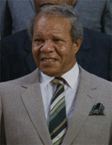 John ComptonPersonJohn Compton was a Saint Lucian lawyer and politician who led the United Workers Party and became the first prime minister when Saint Lucia gained independence from…
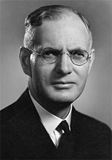 John CurtinPersonJohn Curtin was an Australian Labor politician and prime minister from 1941 until his death in 1945.
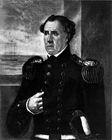 John D. SloatPersonJohn Drake Sloat was a United States Navy officer who commanded the Pacific Squadron at the start of the Mexican–American War.
- John DavenportPersonJohn Davenport was an English Puritan minister who left London for New England in 1637 and in 1638 founded the New Haven Colony with the merchant Theophilus Eaton.
 John de BrittoPersonJohn de Britto was a Portuguese Jesuit missionary in the Madurai Mission of southern India.
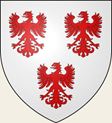 John de CourcyPersonJohn de Courcy was an Anglo-Norman knight who invaded Ulster in 1177, captured Downpatrick and defeated the king of the Ulaid.
- John Doukas (megas doux)PersonJohn Doukas was a Byzantine general and admiral, brother-in-law of Emperor Alexios I Komnenos.
- John Dunn (Zululand chief)PersonJohn Dunn was a Natal-born trader and hunter of Scottish descent who became an adviser and chief under the Zulu king Cetshwayo, married many Zulu wives and lived as a…
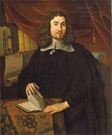 John Eliot (missionary)PersonJohn Eliot (1604–1690) was an English Puritan minister in the Massachusetts Bay Colony, known as the "Apostle to the Indians".
 John EndecottPersonJohn Endecott was an English Puritan who led the advance party of the Massachusetts Bay Company to Salem in 1628.
 John Ernest IV, Duke of Saxe-Coburg-SaalfeldPersonJohn Ernest IV, Duke of Saxe-Coburg-Saalfeld, was the seventh son of Ernest the Pious of Saxe-Gotha.
 John F. KennedyPersonJohn F. Kennedy was the thirty-fifth president of the United States, serving from 1961 until his assassination in Dallas in November 1963.
- John Fenwick (Quaker)PersonJohn Fenwick was an English Quaker and former Parliamentarian soldier who bought Lord Berkeley's half of New Jersey in 1674 together with Edward Byllynge.
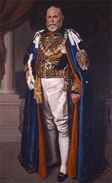 John ForrestPersonJohn Forrest was an Australian explorer, surveyor and politician who crossed the western deserts in the 1870s.
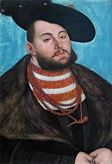 John Frederick I, Elector of SaxonyPersonJohn Frederick I, called the Magnanimous, was Elector of Saxony from 1532 to 1547 and a leader of the Protestant Schmalkaldic League.
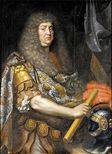 John Frederick, Duke of Brunswick-LüneburgPersonJohn Frederick was Duke of Brunswick-Lüneburg and ruler of the Principality of Calenberg from 1665, with his residence at Hanover.
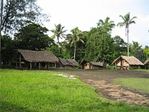 John Frum movementReligion / ideaThe John Frum movement is a religious movement on the island of Tanna in Vanuatu, often described as a cargo cult.
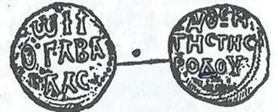 John GabalasPersonJohn Gabalas was a Byzantine Greek lord of Rhodes who succeeded his brother Leo Gabalas around 1240.
 John Gabriel StedmanPersonJohn Gabriel Stedman was a Scottish-Dutch soldier who served in Suriname from 1773 to 1777 with Dutch troops sent to fight the maroons led by Boni.
 John George I, Duke of Saxe-EisenachPersonJohn George I, Duke of Saxe-Eisenach, was a son of Duke William of Saxe-Weimar and lord of Marksuhl.
 John George I, Elector of SaxonyPersonJohn George I was Elector of Saxony from 1611 to 1656.
 John George I, Prince of Anhalt-DessauPersonJohn George I, Prince of Anhalt-Dessau, ruled the united principality of Anhalt with his brothers before its partition in 1603, when he received Dessau.
 John George III, Elector of SaxonyPersonJohn George III was Elector of Saxony from 1680 to 1691.
- John George, Duke of JägerndorfPersonJohn George of Brandenburg (1577–1624), a son of Elector Joachim Frederick of Brandenburg, was Duke of Jägerndorf (Krnov) in Silesia from 1607.
 John George, Elector of BrandenburgPersonJohn George was Elector of Brandenburg from 1571 to 1598, a Hohenzollern prince and strict Lutheran.
 John GlennPersonJohn Glenn was an American astronaut and politician.
 John GlubbPersonJohn Glubb, known as Glubb Pasha, was a British officer who commanded the Arab Legion of Transjordan and then Jordan from 1939 to 1956.
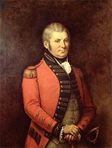 John Graves SimcoePersonJohn Graves Simcoe was a British army officer who commanded the Queen's Rangers in the American Revolutionary War.
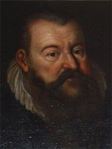 John Günther I of Schwarzburg-SondershausenPersonJohn Günther I was a count of Schwarzburg and the founder of its Sondershausen line.
- John GuyPersonJohn Guy was a Bristol merchant who led the first English attempt at permanent settlement in Newfoundland.
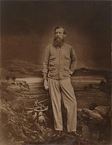 John Hanning SpekePersonJohn Hanning Speke was a British army officer and explorer of East Africa.
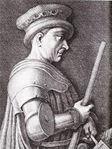 John HawkwoodPersonJohn Hawkwood (c. 1323–1394) was an English mercenary captain who spent most of his career in Italy, leading the White Company and other bands for Pisa, Milan, the…
 John Hawley GloverPersonJohn Hawley Glover was a Royal Navy officer and colonial administrator who served as administrator of the British colony of Lagos for most of the years from 1863 to 1872.
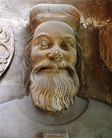 John Henry, Margrave of MoraviaPersonJohn Henry, Margrave of Moravia, was a younger son of King John of Bohemia and brother of Emperor Charles IV.
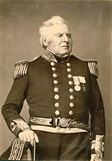 John HindmarshPersonSir John Hindmarsh was a British naval officer who fought at the battles of the Nile and Trafalgar and became the first governor of South Australia.
- John Howland RowePersonJohn Howland Rowe was an American archaeologist and anthropologist at the University of California, Berkeley, who was one of the founders of modern Andean studies.
 John HunyadiPersonJohn Hunyadi was a Hungarian general and nobleman of Wallachian origin who led the fight against the Ottomans.
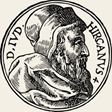 John HyrcanusPersonJohn Hyrcanus was Hasmonean high priest and ruler of Judea from 134 to 104 BCE, son of Simon Thassi.
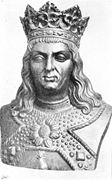 John I AlbertPersonJohn I Albert was a Jagiellonian king of Poland from 1492 to 1501, son of Casimir IV.
 John I DoukasPersonJohn I Doukas was ruler of Thessaly from about 1268 until his death, an illegitimate son of Michael II of Epirus.
 John I of CastilePersonJohn I was king of Castile from 1379 to 1390, the son of Henry II and second king of the House of Trastámara.
- John I of GaetaPersonJohn I was hypatus, or ruler, of Gaeta in the early 10th century, succeeding his father Docibilis I, founder of the dynasty.
 John I of PortugalPersonJohn I of Portugal was the founder of the House of Aviz, who secured the throne after a succession crisis in the late fourteenth century.
 John I of SwedenPersonJohn I of Sweden, John Sverkersson, was king of Sweden from 1216 to 1222, the last of the House of Sverker.
 John I TzimiskesPersonJohn I Tzimiskes was Byzantine emperor from 969 to 976, an Armenian-born general who seized the throne by murdering his uncle Nikephoros II Phokas.
- John I, Count of Nassau-WeilburgPersonJohn I was count of Nassau-Weilburg from the partition of 1344, ruling lands of the Walramian line of the house of Nassau south of the Lahn.
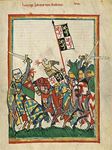 John I, Duke of BrabantPersonJohn I, Duke of Brabant, ruled from 1267 to 1294 and was celebrated as a knightly hero and poet.
- John I, Duke of Mecklenburg-StargardPersonJohn I was a son of Henry II of Mecklenburg.
- John II DoukasPersonJohn II Doukas was ruler of Thessaly from 1303 to 1318, a grandson of John I Doukas, who had made Thessaly a separate principality.
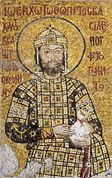 John II KomnenosPersonJohn II Komnenos was Byzantine emperor from 1118 to 1143, the son of Alexios I.
 John II of AragonPersonJohn II was King of Navarre by marriage from 1425 and King of Aragon from 1458 until his death.
 John II of CastilePersonJohn II was King of Castile from 1406 to 1454, succeeding his father Henry III as an infant under the regency of his mother and his uncle Ferdinand.
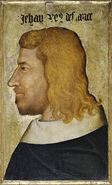 John II of FrancePersonJohn II, called the Good, was King of France from 1350 to 1364, during the Hundred Years' War.
 John II of PortugalPersonJohn II of Portugal was a king of the late fifteenth century who vigorously promoted exploration along the African coast.
- John II the GoodPersonJohn II the Good was the last Piast duke of Opole in Upper Silesia, who also gained Racibórz in 1521.
- John II, Count of HollandPersonJohn II of Avesnes was count of Hainaut from 1280 and of Holland and Zeeland from 1299 until his death in 1304.
 John II, Count Palatine of SimmernPersonJohn II was Count Palatine and Duke of Simmern from 1509 to 1557, ruling a small Wittelsbach territory in the Hunsrück together with a share of Sponheim.
- John II, Duke of BavariaPersonJohn II was a Wittelsbach Duke of Bavaria who ruled jointly with his brothers Stephen III and Frederick until the partition of 1392 gave him the lands around Munich…
 John III Doukas VatatzesPersonJohn III Doukas Vatatzes was emperor of Nicaea from 1221.
 John III of PortugalPersonJohn III was King of Portugal from 1521 to 1557.
 John III of SwedenPersonJohn III of Sweden was a son of Gustav Vasa who received the Duchy of Finland in 1556.
- John III, Burgrave of NurembergPersonJohn III, Burgrave of Nuremberg, was a Hohenzollern prince who in the division of 1398 received the Franconian lands 'above the mountains' around Kulmbach and the…
- John III, Count of NamurPersonJohn III was the last Count of Namur of the house of Dampierre.
 John III, Duke of BavariaPersonJohn III, Duke of Bavaria, called the Pitiless, was prince-bishop-elect of Liège, where he crushed a rebellion in 1408.
 John III, Duke of ClevesPersonJohn III, Duke of Cleves, called the Peaceful, married Maria, heiress of Jülich and Berg.
 John IV LaskarisPersonJohn IV Laskaris became emperor of Nicaea as a boy in 1258.
 John IV of PortugalPersonJohn IV of Portugal, the eighth Duke of Braganza, was proclaimed king on 1 December 1640 when Portuguese nobles rose against Spanish rule in Lisbon.
 John IV, Count of KatzenelnbogenPersonJohn IV (died 1444) was Count of Katzenelnbogen, a Rhineland county whose rulers drew great wealth from Rhine tolls.
 John IV, Duke of BrittanyPersonJohn IV, Duke of Brittany, of the House of Montfort, won the War of the Breton Succession by defeating and killing his rival Charles of Blois at the Battle of Auray in…
 John J. PershingPersonJohn J. Pershing was an American army officer who served as military governor of the Moro Province in the southern Philippines from 1909 to 1913, where he disarmed the…
 John KirkPersonSir John Kirk was a Scottish physician and naturalist who accompanied David Livingstone on his Zambezi expedition and later served as British consul and agent in…
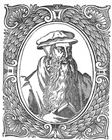 John KnoxPersonJohn Knox was the leading figure of the Scottish Reformation.
- John Komnenos AsenPersonJohn Komnenos Asen was a Bulgarian noble and brother-in-law of the Serbian ruler Stefan Dušan, who made him governor of Valona and Kanina in Albania after taking them…
- John KourkouasPersonJohn Kourkouas was a Byzantine general of Armenian descent who served as domestic of the Schools for more than twenty years under Romanos I Lekapenos.
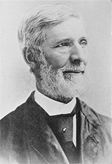 John L. StevensPersonJohn L. Stevens was the United States minister to the Kingdom of Hawaii from 1889 to 1893.
 John Lambton, 1st Earl of DurhamPersonJohn Lambton, 1st Earl of Durham, was a British Whig statesman sent as governor-general of British North America after the rebellions of 1837–1838.
- John LanderPersonJohn Lander was a Cornish explorer who, with his elder brother Richard Lander, traced the lower course of the Niger to its mouth in 1830, settling the long-standing…
- John LawPersonJohn Law was a Scottish economist and financier who became controller-general of finances in France.
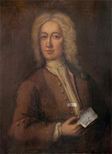 John Lawson (explorer)PersonJohn Lawson was an English explorer, naturalist and surveyor in the Carolinas.
 John LewisPersonJohn Lewis was an American civil rights activist and a member of the United States House of Representatives for an Atlanta district from 1987 until his death.
 John LockePersonJohn Locke was an English philosopher whose Two Treatises of Government and Essay Concerning Human Understanding, published around 1689, shaped liberal political…
 John Louis, Prince of Nassau-HadamarPersonJohn Louis was a son of John VI of Nassau-Dillenburg who received Hadamar in the division of his father's lands in 1607.