Encyclopedia: J
1,204 entries under J · page 7 of 13: João Afonso de Aveiro – John Berkeley, 1st Baron Berkeley of Stratton
- João Afonso de AveiroPersonJoão Afonso de Aveiro was a Portuguese explorer who reached the kingdom of Benin in the 1480s.
 João das RegrasPersonJoão das Regras was a Portuguese jurist trained in Roman law at Bologna.
- João dos SantosPersonJoão dos Santos was a Portuguese Dominican friar who served as a missionary at Sofala and along the Zambezi in Mozambique in the late 16th century.
- João dos Santos (missionary)PersonJoão dos Santos was a Portuguese Dominican friar who served as a missionary in south-east Africa in the 1590s, living at Sofala and on the Zambezi.
 João FigueiredoPersonJoão Figueiredo was a Brazilian general and the last president of the military dictatorship, serving from 1979 to 1985.
 João GoulartPersonJoão Goulart was a Brazilian labour politician who became president in 1961 after Jânio Quadros resigned, accepted by the military only under a temporary parliamentary…
 João Maria Ferreira do AmaralPersonJoão Maria Ferreira do Amaral was a Portuguese naval officer and governor of Macau from 1846 to 1849.
- João Ribeiro PessoaPersonJoão Ribeiro Pessoa was a Brazilian priest and naturalist, a leader of the Pernambucan Revolt of 1817.
- Joaquín AscasoPersonJoaquín Ascaso was a Spanish anarchist of the CNT who presided over the Regional Defence Council of Aragon, created in October 1936 during the Spanish Civil War.
 Joaquín BalaguerPersonJoaquín Balaguer was a Dominican politician and writer who served as president of the Dominican Republic three times: in 1960–1962, from 1966 to 1978 and from 1986 to…
 Joaquín PrietoPersonJoaquín Prieto was a Chilean general who led the conservative forces to victory at the Battle of Lircay in 1830.
 Joash of JudahPersonJoash, also called Jehoash, was king of Judah in the late 9th and early 8th centuries BCE.
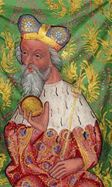 Jobst of MoraviaPersonJobst of Moravia was margrave of Moravia from 1375 and a member of the Luxembourg dynasty, a nephew of Emperor Charles IV.
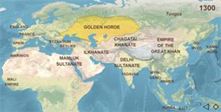 JochidsPeople / groupThe Jochids were the descendants of Jochi, the eldest son of Genghis Khan, who received the western lands of the Mongol Empire.
 JodensavannePlaceJodensavanne, the "Jewish Savanna", was a settlement of Sephardic Jewish planters on the Suriname River, south of Paramaribo.
- Jodh Singh of KalsiaPersonJodh Singh was a Sikh chief of the Karorsinghia misl who enlarged the holdings of his father Gurbakhsh Singh south of the Sutlej and made Chhachhrauli the family's…
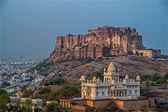 JodhpurPlaceJodhpur is a city in western Rajasthan, India, on the edge of the Thar Desert.
 Jōdo ShinshūReligion / ideaJōdo Shinshū, the True Pure Land school, is a school of Japanese Buddhism founded by Shinran in the 13th century, teaching salvation through faith in the Buddha Amida.
- Joel of DotawoPersonJoel was a king of Dotawo, the last Christian kingdom of Nubia on the middle Nile, in the later 15th century.
 Joey SmallwoodPersonJoey Smallwood was a Newfoundland journalist and politician who led the campaign for confederation with Canada in the referendums of 1948.
- Joginder SenPersonJoginder Sen was the last ruling raja of Mandi, a princely state in the western Himalaya, from 1913 until it merged into Himachal Pradesh in 1948.
 Jogulamba Gadwal districtPlaceJogulamba Gadwal district is a district in the south of Telangana, India, between the Krishna and Tungabhadra rivers, with its headquarters at Gadwal.
 Johan Adolf PengelPersonJohan Adolf Pengel was a Surinamese politician who led the National Party of Suriname (NPS), the main party of the Afro-Surinamese Creole population.
 Johan Björnsson PrintzPersonJohan Björnsson Printz was a Swedish soldier who served as governor of New Sweden from 1643 to 1653.
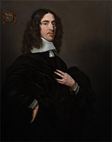 Johan de WittPersonJohan de Witt was Grand Pensionary of Holland from 1653 to 1672 and the leading statesman of the Dutch Republic during the First Stadtholderless Period.
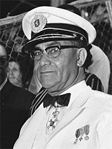 Johan FerrierPersonJohan Ferrier was a Surinamese teacher and politician who served as prime minister from 1955 to 1958, as governor of the autonomous country of Suriname from 1968 and as…
 Johan Gustaf RenatPersonJohan Gustaf Renat was a Swedish artillery officer captured by the Russians at Poltava in 1709 and taken to Siberia.
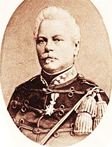 Johan Harmen Rudolf KöhlerPersonJohan Harmen Rudolf Köhler was a Dutch major-general who led the first expedition against the Aceh Sultanate in April 1873, opening the Aceh War.
 Johan LaidonerPersonJohan Laidoner was an Estonian general who commanded the army in the War of Independence of 1918–1920.
 Johan Maurits of Nassau-SiegenPersonJohan Maurits of Nassau-Siegen was a Dutch count, later prince, who governed Dutch Brazil for the Dutch West India Company from 1637 to 1644.
 Johan RisinghPersonJohan Risingh was a Swedish official and the last governor of New Sweden, from 1654 to 1655.
 Johan Rudolf ThorbeckePersonJohan Rudolf Thorbecke was a Dutch liberal statesman and professor of law.
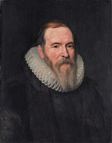 Johan van OldenbarneveltPersonJohan van Oldenbarnevelt was Land's Advocate of Holland from 1586 and the leading statesman of the young Dutch Republic.
- Johan van ValckenburghPersonJohan van Valckenburgh (c. 1575–1625) was a Dutch military engineer who designed fortifications for several northern European cities.
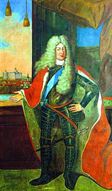 Johann Adolf I, Duke of Saxe-WeissenfelsPersonJohann Adolf I was duke of Saxe-Weissenfels from 1680 to 1697, a member of the Albertine branch of the Wettin dynasty.
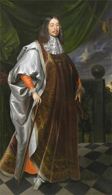 Johann Adolf I, Prince of SchwarzenbergPersonJohann Adolf I was the first prince of Schwarzenberg, a senior adviser of Emperor Leopold I and president of the Imperial Aulic Council.
 Johann Adolf II, Duke of Saxe-WeissenfelsPersonJohann Adolf II was the last duke of Saxe-Weissenfels, ruling from 1736 to 1746.
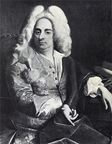 Johann Bernhard Fischer von ErlachPersonJohann Bernhard Fischer von Erlach was an Austrian architect, the leading master of Habsburg Baroque.
 Johann Caspar LavaterPersonJohann Caspar Lavater was a Swiss pastor, poet and writer from Zürich.
- Johann Conrad von GemmingenPersonJohann Conrad von Gemmingen was prince-bishop of Eichstätt from 1595 to 1612.
 Johann DientzenhoferPersonJohann Dientzenhofer was a German Baroque architect from a Bavarian family of builders.
 Johann Friedrich BöttgerPersonJohann Friedrich Böttger was a German alchemist held at the court of Augustus the Strong, who expected him to make gold.
 Johann Friedrich StruenseePersonJohann Friedrich Struensee was a German physician who became royal doctor to the mentally ill Christian VII of Denmark and the lover of Queen Caroline Matilda.
 Johann FrobenPersonJohann Froben was a printer and publisher in Basel and one of the leading printers of the Renaissance.
 Johann Geiler von KaysersbergPersonJohann Geiler von Kaysersberg was a priest and the most celebrated preacher of late medieval Germany, who held the pulpit of Strasbourg Cathedral from 1478 until his…
 Johann Georg II Fuchs von DornheimPersonJohann Georg II Fuchs von Dornheim was prince-bishop of Bamberg from 1623 to 1633, known as the 'witch bishop'.
 Johann Gottfried HerderPersonJohann Gottfried Herder was a German philosopher, theologian and writer, born in Mohrungen in East Prussia.
 Johann Gottlieb ChristallerPersonJohann Gottlieb Christaller was a German missionary and linguist of the Basel Mission who worked on the Gold Coast, now Ghana, from 1853.
 Johann Heinrich PestalozziPersonJohann Heinrich Pestalozzi was a Swiss educational reformer born in Zürich.
 Johann I Joseph, Prince of LiechtensteinPersonJohann I Joseph was prince of Liechtenstein from 1805 to 1836 and an Austrian field marshal who fought in the Napoleonic Wars and negotiated the Peace of Pressburg in…
 Johann II, Prince of LiechtensteinPersonJohann II, called the Good, was prince of Liechtenstein from 1858 to 1929, one of the longest reigns in European history.
- Johann IX von HaugwitzPersonJohann IX von Haugwitz was the last Catholic bishop of Meissen, elected in 1555.
 Johann Jakob BodmerPersonJohann Jakob Bodmer was a Swiss critic, scholar and teacher in Zürich.
- Johann Jakob BreitingerPersonJohann Jakob Breitinger was a Swiss philologist and critic who taught Hebrew and Greek in Zürich.
- Johann LachmannPersonJohann Lachmann was a Lutheran reformer who, as preacher in the imperial city of Heilbronn, led its turn to the Reformation, completed in 1528.
 Johann Ludwig BurckhardtPersonJohann Ludwig Burckhardt was a Swiss traveller and orientalist who explored the Near East in the guise of a Muslim scholar, Sheikh Ibrahim.
 Johann Ludwig KrapfPersonJohann Ludwig Krapf was a German missionary of the Church Missionary Society who founded the first Protestant mission in East Africa at Rabai near Mombasa in 1846.
 Johann Lukas von HildebrandtPersonJohann Lukas von Hildebrandt was an Austrian Baroque architect, born in Genoa, who became court architect in Vienna.
 Johann Martin HonigbergerPersonJohann Martin Honigberger was a physician from Transylvania who served at the court of Ranjit Singh in Lahore.
 Johann Matthias von der SchulenburgPersonJohann Matthias von der Schulenburg was a German soldier who served Saxony and other powers before becoming field marshal of the Republic of Venice in 1715.
 Johann Michael FischerPersonJohann Michael Fischer was a Bavarian architect, one of the leading builders of the south German Baroque and Rococo.
- Johann of Manderscheid-BlankenheimPersonJohann of Manderscheid-Blankenheim (1538–1592) was Bishop of Strasbourg from 1569.
- Johann Reinhard III of HanauPersonJohann Reinhard III was the last count of Hanau, ruling Hanau-Lichtenberg from 1680 and also Hanau-Münzenberg from 1712.
 Johann Reinhold PatkulPersonJohann Reinhold Patkul was a Livonian nobleman who led the opposition of the Baltic German nobility to Charles XI's reduction of their estates.
 Johann Rudolf WettsteinPersonJohann Rudolf Wettstein was mayor of Basel from 1645 and the leading Swiss diplomat of his time.
 Johann Sebastian BachPersonJohann Sebastian Bach was a German composer and organist, born at Eisenach.
 Johann SmidtPersonJohann Smidt was a Bremen theologian and statesman who served many terms as the city's mayor between 1821 and 1857.
 Johann Tserclaes, Count of TillyPersonJohann Tserclaes, Count of Tilly, was a Walloon general who commanded the army of the Catholic League in the Thirty Years' War.
- Johann von MünchhausenPersonJohann von Münchhausen was a Livonian churchman of a Lower Saxon noble family who held the bishoprics of Ösel-Wiek and Courland.
 Johann Weikhard von ValvasorPersonJohann Weikhard von Valvasor was a Carniolan nobleman and polymath, born in Ljubljana.
 Johann Wilhelm Ludwig GleimPersonJohann Wilhelm Ludwig Gleim was a German poet of the Anacreontic school who served from 1747 as secretary of the cathedral chapter at Halberstadt.
 Johann Wilhelm, Duke of Saxe-EisenachPersonJohann Wilhelm, Duke of Saxe-Eisenach, ruled the small Ernestine duchy from 1698 to 1729.
 Johann Wolfgang von GoethePersonJohann Wolfgang von Goethe was a German poet, novelist, dramatist and scientist, the central figure of German literature.
 Johannes BrahmsPersonJohannes Brahms was a German composer and pianist, born in Hamburg, who settled in Vienna in 1862.
 Johannes BrandPersonJohannes Brand was a Cape-born lawyer and politician who served as president of the Orange Free State from 1864 until his death in 1888.
 Johannes BrenzPersonJohannes Brenz was a Lutheran reformer and theologian who led the Reformation in the imperial city of Schwäbisch Hall from 1522.
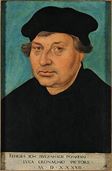 Johannes BugenhagenPersonJohannes Bugenhagen was a Pomeranian theologian, close colleague of Martin Luther and pastor of Wittenberg, known as Doctor Pomeranus.
 Johannes CiconiaPersonJohannes Ciconia was a composer born in Liège who worked in Italy, above all in Padua, where he died in 1412.
 Johannes GutenbergPersonJohannes Gutenberg was a fifteenth-century German craftsman who developed printing with movable metal type in Europe.
- Johannes HoffmannPersonJohannes Hoffmann was a German Social Democratic politician who became Minister-President of Bavaria in March 1919, after the murder of Kurt Eisner.
 Johannes KäbinPersonJohannes Käbin was an Estonian communist, raised in Russia, who served as First Secretary of the Communist Party of Estonia from 1950 to 1978.
 Johannes KeplerPersonJohannes Kepler was a German astronomer and mathematician, born in the imperial city of Weil der Stadt, who discovered the three laws of planetary motion.
 Johannes SturmPersonJohannes Sturm was a German humanist and educator who founded the Protestant Gymnasium of Strasbourg in 1538 and directed it for more than 40 years.
 Johannes TrithemiusPersonJohannes Trithemius was a German Benedictine abbot, humanist and scholar, abbot of Sponheim from 1483 and later of St James at Würzburg.
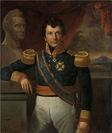 Johannes van den BoschPersonJohannes van den Bosch was a Dutch Governor-General of the Dutch East Indies.
- Johannes van WalbeeckPersonJohannes van Walbeeck was a Dutch navigator and commander of the Dutch West India Company.
 Johannes VermeerPersonJohannes Vermeer was a Dutch painter who worked in Delft.
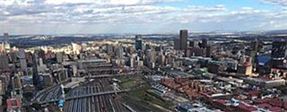 JohannesburgPlaceJohannesburg is the largest city of South Africa and the capital of Gauteng province.
 Johannisburg PalaceWork / monumentJohannisburg Palace is a Renaissance palace of red sandstone on the Main at Aschaffenburg in Bavaria, built between 1605 and 1614 by the architect Georg Ridinger for…
 John A. MacdonaldPersonJohn A.
 John Albert II, Duke of MecklenburgPersonJohn Albert II, Duke of Mecklenburg, shared rule of Mecklenburg with his brother Adolf Frederick I, and their partition of 1621 created the Duchy of Mecklenburg-Güstrow.
- John AlemanPersonJohn Aleman was the last lord of Caesarea in the crusader Kingdom of Jerusalem, holding the lordship through his marriage to its heiress Margaret.
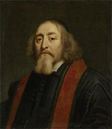 John Amos ComeniusPersonJohn Amos Comenius was a Czech philosopher, educator and the last bishop of the Unity of the Brethren.
- John BallPersonJohn Ball was an English priest whose preaching on the equality of all people made him one of the leaders of the Peasants' Revolt of 1381.
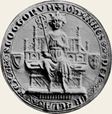 John BalliolPersonJohn Balliol was king of Scotland from 1292 to 1296, chosen by Edward I of England from among the claimants after the death of Margaret, Maid of Norway.
- John BarbourPersonJohn Barbour was a Scottish poet and churchman, archdeacon of Aberdeen from 1357.
 John Bates ThurstonPersonSir John Bates Thurston was a British colonial official who served as a minister in Cakobau's Kingdom of Fiji before the cession of 1874.
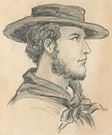 John BatmanPersonJohn Batman was an Australian grazier and explorer born in New South Wales who settled in Van Diemen's Land.
- John BeattiePersonJohn Beattie was a British social anthropologist at the University of Oxford, known for his fieldwork among the Nyoro of western Uganda in the 1950s.
 John Berkeley, 1st Baron Berkeley of StrattonPersonJohn Berkeley, 1st Baron Berkeley of Stratton, was an English Royalist commander and courtier.