Encyclopedia: J
1,204 entries under J · page 9 of 13: John Maynard Keynes – Jonnart Law
 John Maynard KeynesPersonJohn Maynard Keynes was an English economist whose General Theory of Employment, Interest and Money (1936) argued that governments should manage demand to fight…
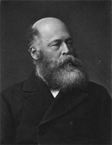 John MoltenoPersonSir John Charles Molteno was a London-born Cape merchant and farmer who led the campaign for responsible government and became the first prime minister of the Cape…
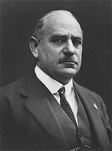 John MonashPersonSir John Monash was an Australian civil engineer and general.
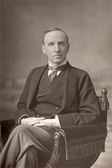 John Morley, 1st Viscount Morley of BlackburnPersonJohn Morley, 1st Viscount Morley of Blackburn, was a British Liberal politician, journalist and writer.
 John Ngu FonchaPersonJohn Ngu Foncha was a Cameroonian politician who led the Kamerun National Democratic Party and became premier of the British Southern Cameroons in 1959.
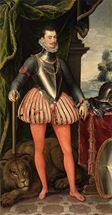 John of AustriaPersonJohn of Austria was an illegitimate son of the Emperor Charles V, recognised by his half-brother Philip II of Spain.
 John of Austria the YoungerPersonJohn of Austria the Younger was the illegitimate son of King Philip IV of Spain and an actress, recognised by his father and given high commands.
- John of BiclaroPersonJohn of Biclaro was a Hispano-Roman chronicler and bishop of Girona, born at Scallabis (Santarém) in Lusitania.
 John of BohemiaPersonJohn of Luxembourg, known as John the Blind, was King of Bohemia from 1310 to 1346.
 John of CapistranoPersonJohn of Capistrano was an Italian Franciscan friar and preacher who campaigned across central Europe against the Hussites and for a crusade against the Ottomans.
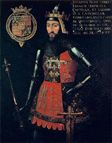 John of GauntPersonJohn of Gaunt, Duke of Lancaster, was the third surviving son of Edward III of England and Philippa of Hainaut, born at Ghent.
- John of GischalaPersonJohn of Gischala was a leader of the First Jewish–Roman War from the town of Gischala in Galilee.
- John of Ibelin, Count of Jaffa and AscalonPersonJohn of Ibelin, Count of Jaffa and Ascalon, was a nephew of the Old Lord of Beirut and the leading jurist of the Kingdom of Jerusalem.
- John of Ibelin, Lord of ArsufPersonJohn of Ibelin, Lord of Arsuf, was a son of John of Ibelin, the Old Lord of Beirut.
- John of Ibelin, the Old Lord of BeirutPersonJohn of Ibelin, the Old Lord of Beirut, was a half-brother of Queen Isabella I of Jerusalem and the most powerful baron of the crusader states in his time.
- John of Islay, Earl of RossPersonJohn of Islay, also called John MacDonald II, was the last Lord of the Isles and Earl of Ross.
 John of Islay, Lord of the IslesPersonJohn of Islay was a chief of Clan Donald, descended from Somerled, who was the first to style himself Lord of the Isles (Dominus Insularum).
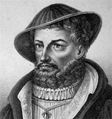 John of LeidenPersonJohn of Leiden, born Jan Beukelszoon, was a Dutch Anabaptist leader, a tailor from Leiden, who ruled Münster during the Anabaptist rebellion.
 John of MontfortPersonJohn of Montfort was lord of Tyre in the crusader Kingdom of Jerusalem from 1270, succeeding his father Philip of Montfort, who was murdered by an Assassin.
- John of NeuillyPersonJohn of Neuilly was a Frankish knight and hereditary marshal of the Principality of Achaea.
- John of SaxonyPersonJohn of Saxony was king of Saxony from 1854 to 1873.
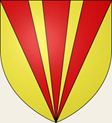 John of Scotland, Earl of HuntingdonPersonJohn of Scotland, known as John the Scot, was Earl of Huntingdon and, from 1232, Earl of Chester.
 John of the CrossPersonJohn of the Cross was a Spanish Carmelite friar, priest and mystic who worked with Teresa of Ávila to reform the Carmelite order.
- John OkelloPersonJohn Okello was a Ugandan-born labourer and revolutionary who led the armed rising of 12 January 1964 that overthrew the Sultan of Zanzibar.
 John Pascoe FawknerPersonJohn Pascoe Fawkner was an Australian pioneer, businessman and politician who helped found Melbourne in 1835.
 John Penn (governor)PersonJohn Penn was a grandson of William Penn and a proprietor of Pennsylvania.
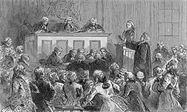 John Peter ZengerPersonJohn Peter Zenger was a German-born printer in New York City whose New-York Weekly Journal attacked Governor William Cosby.
- John Peters HumphreyPersonJohn Peters Humphrey was a Canadian legal scholar at McGill University who served as the first director of the Human Rights Division of the United Nations Secretariat…
 John Philip (missionary)PersonJohn Philip was a Scottish missionary who led the London Missionary Society in South Africa from 1819.
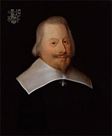 John PymPersonJohn Pym was an English parliamentarian who led the opposition to Charles I in the Short and Long Parliaments of 1640.
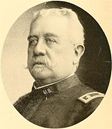 John R. BrookePersonJohn Rutter Brooke was a United States Army general who served in the American Civil War and the Spanish–American War.
 John R. HodgePersonJohn R.
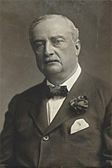 John RedmondPersonJohn Redmond was an Irish nationalist politician who led the reunited Irish Parliamentary Party from 1900 until his death.
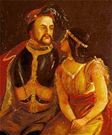 John RolfePersonJohn Rolfe was an English settler in the Colony of Virginia who introduced a sweeter strain of tobacco around 1612, giving the colony a profitable export crop.
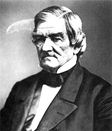 John Ross (Cherokee chief)PersonJohn Ross (1790–1866) was Principal Chief of the Cherokee Nation from 1828 until his death.
 John SevierPersonJohn Sevier was a frontier soldier and politician who fought at the Battle of Kings Mountain in 1780.
 John Sigismund ZápolyaPersonJohn Sigismund Zápolya was the son of John Zápolya, king of eastern Hungary, and Isabella Jagiellon, elected king as an infant in 1540 under Ottoman protection.
 John Sigismund, Elector of BrandenburgPersonJohn Sigismund was Elector of Brandenburg from 1608 to 1619.
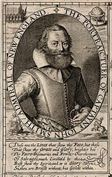 John Smith (explorer)PersonJohn Smith was an English soldier and explorer who helped found Jamestown in 1607 and led the Virginia colony as president of its council in 1608 and 1609.
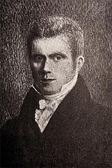 John Smith (missionary)PersonJohn Smith was an English missionary of the London Missionary Society who served enslaved people in Demerara from 1817.
- John Stanley (died 1414)PersonSir John Stanley was an English soldier and royal servant who founded the fortunes of the Stanley family.
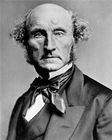 John Stuart MillPersonJohn Stuart Mill was an English philosopher, economist and Liberal member of Parliament, the most influential British liberal thinker of the nineteenth century.
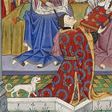 John Talbot, 1st Earl of ShrewsburyPersonJohn Talbot, 1st Earl of Shrewsbury, was an English soldier and the most famous English commander of the later Hundred Years' War.
 John Tengo JabavuPersonJohn Tengo Jabavu was a Xhosa journalist and political leader in the Cape Colony, educated at the Healdtown mission.
 John the BaptistPersonJohn the Baptist was a Jewish preacher active in the Jordan valley in the early 1st century CE, who called for repentance and baptised followers in the river, among…
- John the ExarchPersonJohn the Exarch was a Bulgarian scholar and churchman of the late 9th and early 10th centuries, active at Preslav under Simeon I.
 John the FearlessPersonJohn the Fearless was duke of Burgundy from 1404 until 1419, the son of Philip the Bold.
- John TroglitaPersonJohn Troglita was a Byzantine general sent by Justinian I to North Africa in 546, after Berber revolts and army mutinies had shaken the new Praetorian Prefecture of…
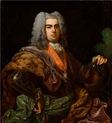 John V of PortugalPersonJohn V of Portugal was a king of the first half of the eighteenth century.
 John V, Duke of BrittanyPersonJohn V was duke of Brittany from 1399 to 1442, the son of John IV.
 John VI KantakouzenosPersonJohn VI Kantakouzenos was a Byzantine statesman who fought the civil war of 1341–1347 against the regency for John V Palaiologos, relying on Turkish allies such as Umur…
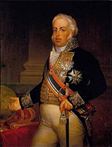 John VI of PortugalPersonJohn VI was regent of Portugal from 1799 and king from 1816 to 1826.
 John VI, Count of Nassau-DillenburgPersonJohn VI, Count of Nassau-Dillenburg, was a brother of William the Silent and a leading Calvinist prince who organised the Union of Utrecht of 1579 as stadtholder of…
 John VII, Count of Nassau-SiegenPersonJohn VII, Count of Nassau-Siegen, known as John the Middle, received Siegen after the death of his father, John VI of Nassau-Dillenburg, in 1606.
 John VIII, Count of Nassau-SiegenPersonJohn VIII, Count of Nassau-Siegen, known as John the Younger, was a son of John VII.
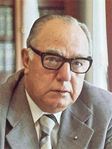 John VorsterPersonJohn Vorster was a South African politician who was prime minister from 1966 to 1978 and then state president until 1979.
 John Wentworth (governor)PersonJohn Wentworth was the last royal governor of the Province of New Hampshire, appointed in 1767 in succession to his uncle Benning Wentworth.
 John WheelwrightPersonJohn Wheelwright was an English Puritan minister who emigrated to Massachusetts in 1636 and supported his sister-in-law Anne Hutchinson in the Antinomian Controversy.
 John William FrisoPersonJohn William Friso was prince of Nassau-Dietz and stadtholder of Friesland and Groningen.
 John William, Duke of Jülich-Cleves-BergPersonJohn William was the last Duke of Jülich-Cleves-Berg, ruling from 1592.
 John William, Elector PalatinePersonJohn William was Duke of Jülich and Berg from 1679 and Elector Palatine from 1690.
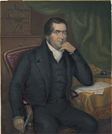 John Williams (missionary)PersonJohn Williams was an English Congregationalist missionary of the London Missionary Society who worked in the South Pacific from 1817.
 John WinthropPersonJohn Winthrop was an English Puritan lawyer who led the Winthrop Fleet of about 1,000 settlers to Massachusetts in 1630 and founded Boston.
 John Winthrop the YoungerPersonJohn Winthrop the Younger was the son of the Massachusetts governor John Winthrop.
- John WisePersonJohn Wise was a Congregational minister of Ipswich, Massachusetts, known as an early advocate of democratic principles in church and state.
 John WycliffePersonJohn Wycliffe was an English theologian and Oxford scholar who attacked the wealth and authority of the Church, questioned transubstantiation and held that Scripture…
 John X. MerrimanPersonJohn X.
 John ZápolyaPersonJohn Zápolya was Voivode of Transylvania from 1510 and, after the death of Louis II at Mohács in 1526, was elected King of Hungary by the nobles as John I.
 John, Duke of BerryPersonJohn, Duke of Berry, was a son of King John II of France who held Berry, Auvergne and Poitou as appanages.
- John, Duke of Brunswick-LüneburgPersonJohn, Duke of Brunswick-Lüneburg, was a son of Otto the Child.
 John, King of EnglandPersonJohn, King of England from 1199, was the youngest son of Henry II.
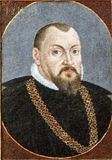 John, Margrave of Brandenburg-KüstrinPersonJohn, Margrave of Brandenburg-Küstrin, known as Hans of Küstrin, was a younger son of Elector Joachim I of Brandenburg who received the Neumark east of the Oder in 1535.
 Johnny BriceñoPersonJohnny Briceño is a Belizean politician, leader of the People's United Party and Prime Minister of Belize since November 2020.
 Johnson South Reef skirmishBattle · 1988The Johnson South Reef skirmish was a naval clash on 14 March 1988 in the Spratly Islands of the South China Sea between Chinese and Vietnamese forces.
 JohorPlaceJohor is a state at the southern tip of the Malay Peninsula, which became the seat of a Malay sultanate after the fall of Malacca.
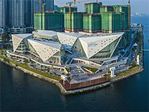 Johor BahruPlaceJohor Bahru is the capital of the Malaysian state of Johor, at the southern tip of the Malay Peninsula across the strait from Singapore.
 Johor LamaPlaceJohor Lama, Old Johor, is a historic site on the Johor River in southern Malaysia that served as the capital of the Johor Sultanate in the 16th century.
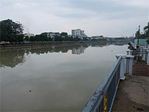 Johor RiverPlaceThe Johor River flows about 120 kilometres south-east through the Malaysian state of Johor into the Johor Strait.
 Joint-stock companyInstitutionA joint-stock company is a business owned by shareholders who invest capital and share in its profits and losses.
 JokhangWork / monumentThe Jokhang is the most sacred temple of Tibetan Buddhism, in the centre of Lhasa, traditionally founded in the seventh century during the reign of Songtsen Gampo.
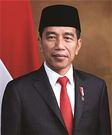 Joko WidodoPersonJoko Widodo, known as Jokowi, is an Indonesian politician who served as president from 2014 to 2024.
- Jōkyū WarWar · 1221The Jōkyū War of 1221 was a brief conflict in which the retired emperor Go-Toba tried to overthrow the Kamakura shogunate.
- JolaPeople / groupThe Jola, or Diola, are a West African people of the lower Casamance in Senegal, The Gambia and northern Guinea-Bissau.
- JolbonPlaceJolbon was, according to Korean tradition, the first capital of Goguryeo, where Jumong founded the kingdom in 37 BCE.
- JoloPlaceJolo is the main town of the island of the same name in the Sulu archipelago of the southern Philippines.
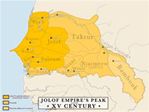 Jolof EmpireStateThe Jolof Empire was a Wolof state in present-day Senegal that dominated the region from the fourteenth to the sixteenth century.
 Jomo KenyattaPersonJomo Kenyatta was a Kikuyu nationalist leader imprisoned by the British during the Mau Mau emergency.
 Jón SigurðssonPersonJón Sigurðsson was an Icelandic scholar and politician who led the nineteenth-century movement for Iceland's self-government from Copenhagen.
- Jonah, Metropolitan of MoscowPersonJonah was a Russian churchman elected Metropolitan of Kiev and All Rus' by a council of Russian bishops in Moscow in 1448, without the approval of the Patriarch of…
 JonangReligion / ideaThe Jonang is a school of Tibetan Buddhism that took its name from the monastery of Jonang in Tsang, founded in the late 13th century.
 Jonas BasanavičiusPersonJonas Basanavičius was a Lithuanian physician, folklorist and leader of the national revival, often called the patriarch of the nation.
 Jonathan TrumbullPersonJonathan Trumbull was governor of the Connecticut Colony from 1769 to 1784 and the only colonial governor to support the American Revolution.
- Jones Law (Philippines)Work / monumentThe Jones Law, or Philippine Autonomy Act, was a United States law of 1916 that replaced the Philippine Commission with an elected Philippine Senate, creating an…
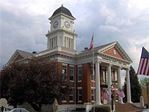 Jonesborough, TennesseePlaceJonesborough is a town in north-eastern Tennessee, founded in 1779 by North Carolina as the seat of Washington County and the oldest town in Tennessee.
- JonestownPlaceJonestown was a settlement in the forest of north-western Guyana founded by the American cult the Peoples Temple under Jim Jones.
- Jones–Shafroth ActWork / monumentThe Jones–Shafroth Act was a United States law of 1917 that granted United States citizenship to the people of Puerto Rico.
- Jong (ship)TermThe jong was a large ocean-going ship of the Javanese and Malay world, capable of carrying large crews and cargoes.
- Jönggen KhatunPersonJönggen Khatun, known in Chinese sources as Sanniangzi, was a wife of the Tümed ruler Altan Khan.
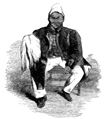 Jonker AfrikanerPersonJonker Afrikaner was the leader of the Oorlam Afrikaners, a horse-riding, gun-using community from the Cape frontier.
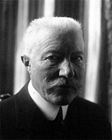 Jonnart LawWork / monumentThe Jonnart Law of February 1919, named after the governor-general Charles Jonnart, widened the rights of Muslim Algerians after their service in the First World War.