Encyclopedia: I
758 entries under I · page 1 of 8: Iâl – Idar-Oberstein
 IâlPlaceIâl, anglicised as Yale, was a medieval commote in north-east Wales, around Llanarmon-yn-Iâl and the Alyn valley.
- Iamblichus I of EmesaPersonIamblichus I was a ruler of Emesa in Syria, son of Sampsigeramus I, who supported Julius Caesar and other Roman commanders during the civil wars of the 40s and 30s BCE.
 Ian SmithPersonIan Smith was a Rhodesian Front politician who became prime minister of Southern Rhodesia in 1964.
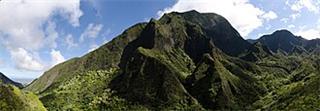 ʻĪao ValleyPlaceʻĪao Valley is a steep, lush valley in the West Maui Mountains above Wailuku, Hawaii, known for the ʻĪao Needle, a rock pinnacle.
 IapygiansPeople / groupThe Iapygians were the ancient peoples of Apulia in south-eastern Italy, divided into the Daunians, Peucetians and Messapians, who spoke the Messapic language.
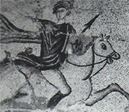 IarbasPersonIarbas was a legendary Berber king in North Africa associated with the founding of Carthage.
- IaudasPersonIaudas was a Berber king of the Aurès mountains in the 530s who resisted the Byzantine reconquest of North Africa.
- IazygesPeople / groupThe Iazyges were a Sarmatian people who settled on the Great Hungarian Plain between the Danube and the Tisza in the early first century CE.
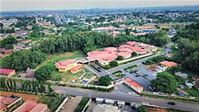 IbadanPlaceIbadan is a city in south-western Nigeria.
- IbadismReligion / ideaIbadism is a branch of Islam distinct from both Sunnism and Shiism, which arose in Basra in the late 7th century and is named after the early figure Abd Allah ibn Ibad.
 Ibak KhanPersonIbak Khan was a Shaybanid ruler of the Tyumen Khanate in western Siberia, whose people paid tribute in furs.
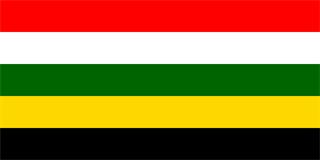 Iban peoplePeople / groupThe Iban are an indigenous people of Borneo, the largest ethnic group of Sarawak in Malaysia, also living in West Kalimantan and Brunei.
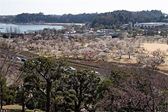 Ibaraki PrefecturePlaceIbaraki Prefecture is a prefecture of Japan in the Kanto region, north-east of Tokyo, with its capital at Mito.
- IbarraPlaceIbarra is a city in northern Ecuador, capital of Imbabura Province, in the Andes north of Quito.
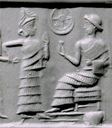 Ibbi-SinPersonIbbi-Sin was the last king of the Third Dynasty of Ur, reigning about 2028–2004 BCE.
- Ibbi-ZikirPersonIbbi-Zikir was a vizier of the kingdom of Ebla in the twenty-fourth century BCE, the son and successor of the vizier Ibrium.
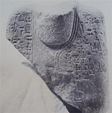 Ibbit-LimPersonIbbit-Lim was a king of Ebla in the early second millennium BCE, when the city had revived under Amorite rule.
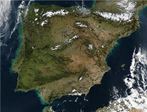 IberiaPlaceIberia, or the Iberian Peninsula, is the south-western peninsula of Europe, comprising Spain and Portugal.
 Iberian UnionEventThe Iberian Union was the dynastic union of the crowns of Portugal and Spain under the Spanish Habsburg kings, beginning in 1580 and lasting until 1640.
 IberiansPeople / groupThe Iberians were the pre-Roman peoples of the eastern and southern Iberian Peninsula, among them the Turdetani, Edetani and Ilergetes.
 Ibibio peoplePeople / groupThe Ibibio are a people of south-eastern Nigeria, living mainly in Akwa Ibom State between the Cross River and the coast.
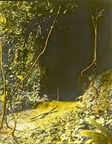 Ibini UkpabiInstitutionIbini Ukpabi was an oracle shrine at Arochukwu in south-eastern Nigeria, known to Europeans as the Long Juju.
- IbiranuPersonIbiranu was king of Ugarit in the later thirteenth century BCE, the son of Ammishtamru II.
- Iblul-IlPersonIblul-Il was a king of Mari on the Euphrates in the twenty-fourth century BCE.
- Ibn al-AbbarPersonIbn al-Abbar was an Andalusi scholar, poet and historian from Valencia who served as secretary to its Muslim rulers and, after the city fell to Aragon in 1238, to the…
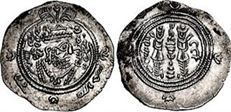 Ibn al-Ash'athPersonIbn al-Ash'ath was an Arab nobleman of Kufa who led a great revolt against the Umayyad governor al-Hajjaj ibn Yusuf from 700 to 703.
- Ibn al-MuqarrabPersonIbn al-Muqarrab al-Uyuni was an Arabic poet from al-Ahsa in eastern Arabia and a member of the Uyunid ruling family.
- Ibn al-ThumnaPersonIbn al-Thumna was one of the rival Muslim lords who divided Sicily in the 1050s, ruling Syracuse and Catania.
- Ibn AmmarPersonIbn Ammar was an Andalusi poet from Silves and the friend and vizier of al-Mutamid of Seville.
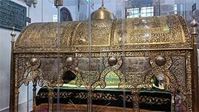 Ibn ArabiPersonIbn Arabi was an Andalusian Sufi mystic, philosopher and poet, born in Murcia in 1165, who became one of the most influential thinkers in Islamic history.
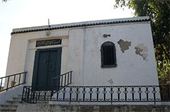 Ibn ArafaPersonIbn Arafa was a jurist of the Maliki school from Tunis, the leading religious scholar of the Hafsid capital in the fourteenth century.
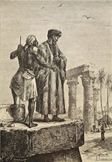 Ibn BattutaPersonIbn Battuta was a fourteenth-century Moroccan traveller whose account of his journeys across Africa and Asia is a major historical source.
- Ibn BibiPersonIbn Bibi was a Persian historian of the Sultanate of Rum in the 13th century, a court official who served the Seljuk sultans under their Mongol overlords.
 Ibn Hajar al-AsqalaniPersonIbn Hajar al-Asqalani was an Egyptian scholar of hadith and Shafi'i jurist of Mamluk Cairo, where he served several terms as chief judge.
- Ibn HamdinPersonIbn Hamdin was the qadi of Córdoba, from a leading family of Maliki jurists, who was proclaimed emir by the city's notables in 1144 during the revolts against the…
 Ibn HawqalPersonIbn Hawqal was a tenth-century Arab geographer and traveller.
- Ibn HawshabPersonIbn Hawshab (died 914), known as Mansur al-Yaman, was the founder of the Isma'ili mission in Yemen.
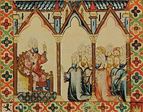 Ibn HudPersonIbn Hud, Muhammad ibn Yusuf ibn Hud al-Mutawakkil, claimed descent from the Hudids of Zaragoza and rose against the Almohads in 1228 in the Ricote valley near Murcia.
- Ibn IsfandiyarPersonIbn Isfandiyar (Baha al-Din Muhammad ibn Hasan) was a Persian historian of Tabaristan, the Caspian province of northern Iran, who wrote his Tarikh-i Tabaristan around…
- Ibn JahhafPersonIbn Jahhaf was the qadi of Valencia who in 1092 led a rising that killed al-Qadir, the Castilian client ruler of the city, and appealed to the Almoravids for help.
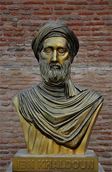 Ibn KhaldunPersonIbn Khaldun was an Arab historian and thinker born in Tunis in 1332 to a family of Andalusi origin.
- Ibn KhallikanPersonIbn Khallikan was an Arab scholar and judge born in Erbil, who served as chief qadi of Damascus under the Mamluks.
- Ibn MahfuzPersonIbn Mahfuz, Shuayb ibn Muhammad ibn Mahfuz, made himself independent ruler of Niebla and its district around 1234 as Ibn Hud's power faded.
- Ibn MardanishPersonIbn Mardanish, called the Wolf King by Christian writers, ruled Murcia and Valencia in eastern al-Andalus from 1147 until his death.
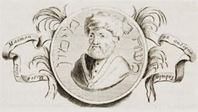 Ibn MaymunPersonIbn Maymun was the leading figure of a family of admirals who had commanded the Almoravid fleet at Almería, the chief port and naval base of al-Andalus.
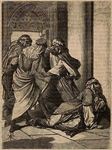 Ibn MuljamPersonAbd al-Rahman ibn Muljam was a Kharijite who assassinated the fourth caliph, Ali ibn Abi Talib, in the mosque of Kufa in January 661, striking him with a poisoned sword…
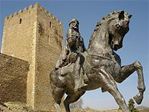 Ibn QasiPersonIbn Qasi was a Sufi leader of the Algarve who led the Muridin revolt against the Almoravids in 1144, seizing Mértola and Silves and ruling as an independent lord.
- Ibn RashiqPersonIbn Rashiq was an officer of the poet-vizier Ibn Ammar who took over the rule of Murcia in the early 1080s, defying al-Mutamid of Seville.
- Ibn RustaPersonIbn Rusta was a Persian geographer of the early 10th century, probably from Isfahan, author of the Book of Precious Records.
- Ibn Salim al-AswaniPersonIbn Salim al-Aswani was an Egyptian official and writer of the 10th century, sent by the Fatimid commander Jawhar as envoy to the king of Makuria around 969.
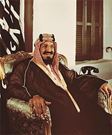 Ibn SaudPersonIbn Saud, Abd al-Aziz ibn Abd al-Rahman Al Saud, recaptured Riyadh from the Rashidis in 1902 and rebuilt Saudi power in central Arabia.
- Ibn Sulaym al-AswaniPersonIbn Sulaym al-Aswani was a 10th-century Egyptian official and writer, sent around 969 by the Fatimid commander Jawhar as envoy to the Christian king of Makuria.
- Ibn TafrakinPersonIbn Tafrakin was a chamberlain, or hajib, of the Hafsid sultanate and the dominant figure in Tunis in the mid-fourteenth century.
- Ibn TayfurPersonIbn Tayfur was a local leader who made Mértola, an old river port on the Guadiana in southern Portugal, independent around 1033.
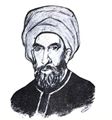 Ibn TufaylPersonIbn Tufayl was an Andalusian philosopher, physician and court official of the Almohad Caliphate, born near Granada.
 Ibn TumartPersonIbn Tumart was a Berber religious reformer who preached a strict doctrine of the unity of God and proclaimed himself the Mahdi.
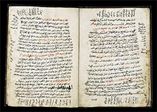 Ibn WafidPersonIbn Wafid (1008–1074) was an Andalusi physician, pharmacologist and agronomist at the court of al-Mamun of Toledo.
- Ibn ZamrakPersonIbn Zamrak was a poet and vizier at the Nasrid court of Granada under Muhammad V.
- Ibn ZaydunPersonIbn Zaydun (1003–1071) was an Arab poet of Córdoba, regarded as one of the greatest poets of al-Andalus.
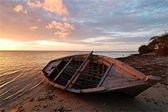 Ibo IslandPlaceIbo is a small island of the Quirimbas archipelago off Cabo Delgado province in northern Mozambique.
- Ibrahim AdeerPersonIbrahim Adeer was the founder of the Gobroon dynasty of the Geledi Sultanate in southern Somalia.
- Ibrahim Adil Shah IPersonIbrahim Adil Shah I ruled the Bijapur Sultanate from 1534 to 1558, after the brief reign of his brother Mallu Adil Shah.
 Ibrahim Adil Shah IIPersonIbrahim Adil Shah II was Sultan of Bijapur from 1580 to 1627, under whom the Deccan sultanate reached its greatest extent and prosperity.
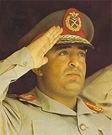 Ibrahim al-HamdiPersonIbrahim al-Hamdi (1943–1977) was president of the Yemen Arab Republic (North Yemen) from 1974 to 1977.
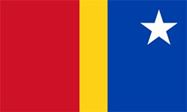 Ibrahim DaboPersonIbrahim Dabo was Emir of Kano from 1819 to 1846, the second ruler of the emirate created by the Fulani jihad within the Sokoto Caliphate.
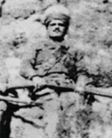 Ibrahim HeskiPersonIbrahim Heski was a Kurdish tribal leader of the Jalali in the Mount Ararat region.
 Ibrahim I ibn al-AghlabPersonIbrahim I ibn al-Aghlab was an Arab army commander who founded the Aghlabid dynasty of Ifriqiya.
- Ibrahim ibn HajjajPersonIbrahim ibn Hajjaj was an Arab noble of Seville who made the city an autonomous lordship during the fitna that shook the Emirate of Córdoba in the late 9th century.
- Ibrahim ibn HamushkPersonIbrahim ibn Hamushk was a commander in al-Andalus who seized Jaén and the castles of the Sierra de Segura during the collapse of Almoravid rule after 1145.
 Ibrahim II of IfriqiyaPersonIbrahim II was the Aghlabid emir of Ifriqiya from 875 to 902.
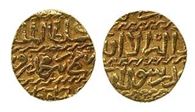 Ibrahim II of KaramanPersonIbrahim II was ruler of the Karamanid beylik in south-central Anatolia from 1424 to 1464.
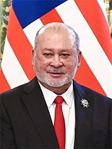 Ibrahim Iskandar of JohorPersonIbrahim Iskandar is the Sultan of Johor, who succeeded his father in 2010, and the King of Malaysia.
- Ibrahim Khalil KhanPersonIbrahim Khalil Khan was khan of Karabakh from 1763, ruling from the fortress of Shusha with the poet Molla Panah Vagif as his vizier.
- Ibrahim Khan of LarPersonIbrahim Khan was the last ruler of the Kingdom of Lar, a Sunni principality in southern Persia controlling trade routes to the Persian Gulf.
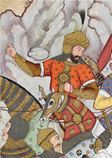 Ibrahim LodiPersonIbrahim Lodi was the last sultan of the Lodi dynasty and of the Delhi Sultanate.
- Ibrahim NagwamatsePersonIbrahim Nagwamatse was Emir of Kontagora from 1880, son of the emirate's founder Umaru Nagwamatse.
 Ibrahim NasirPersonIbrahim Nasir was prime minister of the Maldives under the sultanate from 1957.
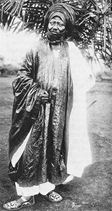 Ibrahim NjoyaPersonIbrahim Njoya was king of Bamum in western Cameroon from the late 1880s until 1931.
- Ibrahim of DarfurPersonIbrahim was a sultan of Darfur who died in 1874.
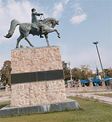 Ibrahim Pasha BabanPersonIbrahim Pasha Baban was a ruler of the Baban emirate, a Kurdish principality in the mountains of Shahrizor.
 Ibrahim Pasha of EgyptPersonIbrahim Pasha of Egypt was the eldest son of Muhammad Ali and the chief commander of his armies.
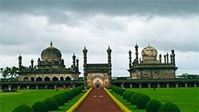 Ibrahim RauzaWork / monumentThe Ibrahim Rauza is a tomb and mosque complex at Bijapur in Karnataka, India, built for Sultan Ibrahim Adil Shah II of the Bijapur Sultanate and his queen and…
- Ibrahim ShahPersonIbrahim Shah was a nephew of Nader Shah and briefly a ruler of the Afsharid state.
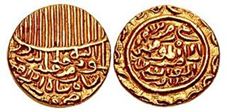 Ibrahim Shah SharqiPersonIbrahim Shah Sharqi was Sultan of Jaunpur from 1402 to 1440, the greatest ruler of the Sharqi dynasty.
- Ibrahim Tamghach KhanPersonIbrahim Tamghach Khan, son of Nasr ibn Ali, took Transoxiana when the Kara-Khanid Khanate divided around 1042 and founded the Western Kara-Khanid Khanate with its…
 Ibrahim ZakiPersonIbrahim Zaki was a Fulani scholar and commander who took up the jihad of Usman dan Fodio on the western frontier of the Kanem-Bornu Empire.
- Ibrahima SoriPersonIbrahima Sori, called Mawdo, 'the Great', was a Fulbe military leader of Futa Jallon in present-day Guinea.
- IbriumPersonIbrium was a vizier of Ebla in northern Syria in the 24th century BCE, known from the city's royal archive.
- IbycusPersonIbycus was a Greek lyric poet from Rhegion in southern Italy, active in the second half of the 6th century BCE.
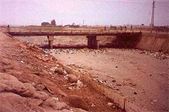 Ica RiverPlaceThe Ica River flows from the Andes to the Pacific through the coastal desert of southern Peru, watering a valley around the city of Ica.
- IcelPersonIcel is the ancestor from whom the kings of Mercia traced their descent in Anglo-Saxon genealogies, which make him a descendant of the continental Anglian king Offa of…
- IchadonPersonIchadon was a court official of Silla whose martyrdom in 527 led to the kingdom's acceptance of Buddhism.
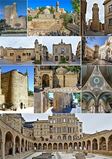 IcherisheherPlaceIcherisheher is the historic walled old city of Baku, Azerbaijan, on the shore of the Caspian Sea.
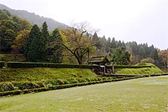 IchijōdaniPlaceIchijōdani is a narrow valley near Fukui in Japan, where the Asakura clan built their castle and town in the late 15th century.
- IctinusPersonIctinus was a Greek architect of the fifth century BCE who designed the Parthenon on the Acropolis of Athens together with Callicrates, under the direction of Pericles…
 Ida of BerniciaPersonIda was the first known king of Bernicia in north-eastern England.
- Ida-MarasPlaceIda-Maras was a district of small kingdoms in the upper Khabur basin of north-eastern Syria, known chiefly from the Mari archives of the 18th century BCE.
- IdahPlaceIdah is a town in Kogi State, Nigeria, on the east bank of the Niger.
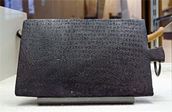 Idalion TabletWork / monumentThe Idalion Tablet is a bronze plaque of the early 5th century BCE from Idalion in Cyprus, inscribed in Greek in the Cypriot syllabary.
 Idar-ObersteinPlaceIdar-Oberstein is a town on the Nahe in Rhineland-Palatinate, Germany, formed in 1933 by joining the towns of Idar and Oberstein.