Encyclopedia: E
904 entries under E · page 1 of 10: E-abzu – École William Ponty
- E-abzuWork / monumentThe E-abzu, the house of the abzu, was the temple of the god Enki at Eridu in southern Mesopotamia.
- E-babbarWork / monumentThe E-babbar, 'white house' in Sumerian, was the name of the temples of the sun god Utu, called Shamash in Akkadian, at Larsa and at Sippar in Mesopotamia.
- E. D. MorelPersonE.
- E. E. Evans-PritchardPersonSir Edward Evan Evans-Pritchard (1902–1973) was a British social anthropologist and professor at Oxford.
 E. M. ForsterPersonE.
- Ea-gamilPersonEa-gamil was the last king of the First Sealand Dynasty, which ruled the marshlands of southern Mesopotamia.
- Ea-mukin-zeriPersonEa-mukin-zeri was a king of Babylon in the Second Sealand Dynasty who seized the throne after the murder of Simbar-Shipak around 1008 BCE.
- Ea-nasirPersonEa-nasir was a merchant of Ur around 1750 BCE who imported copper by way of Dilmun.
 Eadberht of NorthumbriaPersonEadberht (died 768) was king of Northumbria from 737 to 758, ruling in partnership with his brother Ecgbert, archbishop of York.
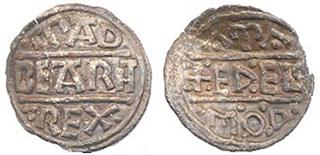 Eadberht PrænPersonEadberht Præn was king of Kent from 796 to 798, leading a revolt against Mercian rule after the death of Offa.
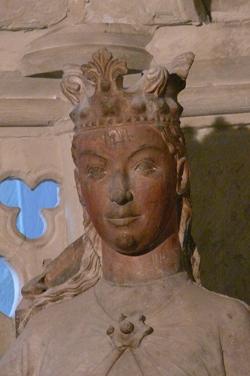 EadgythPersonEadgyth, also known as Edith of England, was a daughter of King Edward the Elder of the English and the first wife of Otto I, king of East Francia.
 EadredPersonEadred (c. 923–955) was king of the English from 946 to 955, a son of Edward the Elder and younger brother of Æthelstan and Edmund.
- Eagle and Jaguar warriorsInstitutionThe Eagle and Jaguar warriors were elite military orders of the Aztec Empire.
- Ealdred of BamburghPersonEaldred was the ruler of Bamburgh and the northern part of the former Northumbrian kingdom in the early tenth century, son of Eadwulf.
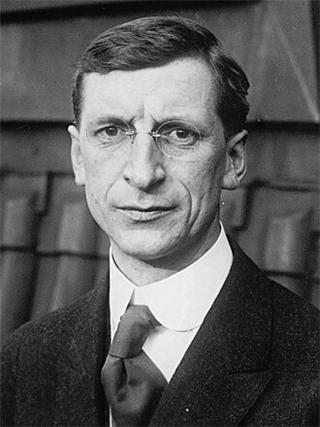 Éamon de ValeraPersonÉamon de Valera was a leader of Irish independence and a commander in the Easter Rising of 1916.
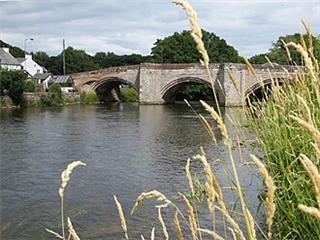 Eamont BridgePlaceEamont Bridge is a village in Cumbria, England, just south of Penrith on the River Eamont.
- Eanfrith of BerniciaPersonEanfrith was king of Bernicia, the northern part of Northumbria, in 633–634, the eldest son of King Æthelfrith.
 EannaPlaceThe Eanna, 'House of Heaven', was the great temple precinct of the goddess Inanna in the Sumerian city of Uruk.
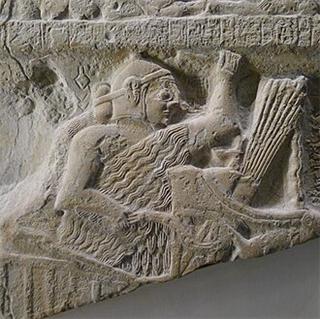 EannatumPersonEannatum was a king of the Sumerian city-state of Lagash around 2450 BCE.
 Earl of ClanricardeTermEarl of Clanricarde is a title in the Peerage of Ireland created in 1543 for Ulick na gCeann Burke, chief of the Burkes of south County Galway, under Henry VIII's…
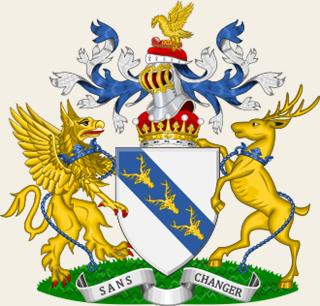 Earl of DerbyTermEarl of Derby is a title in the peerage of England held since 1485 by the Stanley family.
 Earl of KildareTermEarl of Kildare is a title in the peerage of Ireland created in 1316 for John FitzGerald and held by the Geraldine (FitzGerald) family.
- Earl of MerciaTermThe Earl of Mercia was one of the great territorial earls of late Anglo-Saxon England, governing much of the old Mercian kingdom under the kings of England.
 Early Bronze AgeTermThe Early Bronze Age is the first phase of the Bronze Age in the Near East and the Aegean, roughly 3300 to 2000 BCE.
- Early Classic periodTermThe Early Classic period is the first part of the Classic era of Maya civilisation, from about 250 to 600 CE.
- Early Dynastic periodReligion / ideaThe Early Dynastic period is the phase of southern Mesopotamian history, roughly the first half of the third millennium BCE, when Sumerian city-states such as Ur, Uruk…
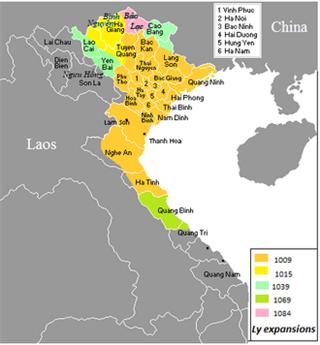 Early Lê dynastyStateThe Early Lê dynasty ruled Đại Cồ Việt, in northern Vietnam, from 980 to 1009.
- Early Minoan periodTermThe Early Minoan period is the first phase of the Bronze Age Minoan civilisation of Crete, from about 3100 to 2100 BCE.
 Early Muslim conquestsWar · 7th centuryThe early Muslim conquests were the rapid expansion of the Arab Muslim state in the 7th century, following the death of the Prophet Muhammad.
 Early Netherlandish paintingReligion / ideaEarly Netherlandish painting is the work of painters active in the Burgundian and Habsburg Netherlands in the fifteenth and early sixteenth centuries, often called the…
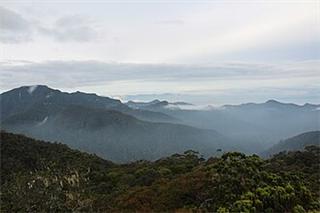 East Aceh RegencyPlaceEast Aceh is a regency on the north-east coast of Aceh province, at the northern tip of Sumatra, Indonesia.
 East AfricaPlaceEast Africa is the eastern region of the African continent, including the Horn of Africa and the Swahili coast.
- East African campaign (World War II)Campaign · 1940–1941The East African campaign was a Second World War campaign fought in 1940–1941 between British and Commonwealth forces, with Ethiopian resistance fighters, and the…
 East African CommunityInstitutionThe East African Community is an intergovernmental organisation of East African states with its headquarters at Arusha, Tanzania.
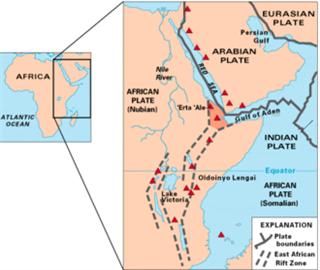 East African RiftPlaceThe East African Rift is a system of rift valleys running from the Afar region of Ethiopia through Kenya to Mozambique, part of what is often called the Great Rift…
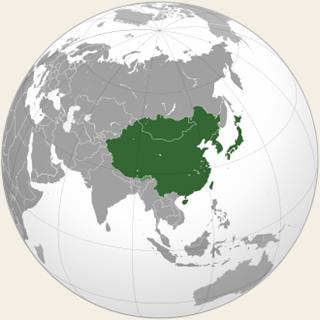 East AsiaPlaceEast Asia is the eastern region of Asia, usually taken to include China, Japan, Korea, Mongolia and Taiwan.
 East BengalPlaceEast Bengal was the name of the eastern province of Pakistan from partition in 1947 until 1955, formed from the Muslim-majority eastern part of Bengal and the Sylhet…
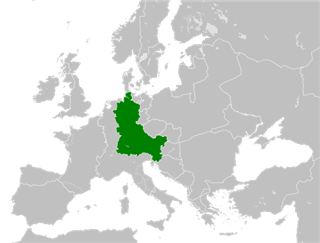 East FranciaStateEast Francia was the eastern kingdom created when the Carolingian Empire was divided by the Treaty of Verdun in 843, initially under Louis the German.
 East FrisiaPlaceEast Frisia is a coastal region of north-western Germany between the Dollart and the Jade, including the East Frisian Islands.
 East GermanyStateEast Germany, the German Democratic Republic, was the communist state formed in October 1949 from the Soviet occupation zone of Germany.
 East India CompanyInstitutionThe East India Company was an English, later British, chartered trading company founded in 1600.
 East IndiesPlaceThe East Indies is a historical term for the islands of South-East Asia, especially the Indonesian archipelago.
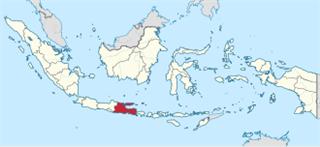 East JavaPlaceEast Java is a province of Indonesia occupying the eastern part of the island of Java and the island of Madura, with its capital at Surabaya.
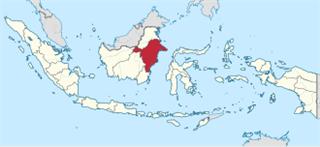 East KalimantanPlaceEast Kalimantan is a province of Indonesia on the eastern side of the island of Borneo, with its capital at Samarinda and the oil city of Balikpapan.
 East KareliaPlaceEast Karelia is the part of Karelia that lay under Russian rule, east of the Finnish border, between Lake Ladoga, Lake Onega and the White Sea.
 East Khasi HillsPlaceEast Khasi Hills is a district of Meghalaya in north-eastern India, containing the state capital, Shillong.
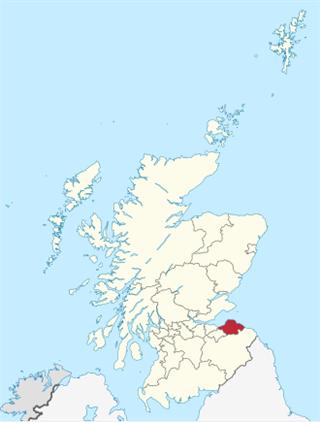 East LothianPlaceEast Lothian is a council area of south-eastern Scotland, east of Edinburgh on the southern shore of the Firth of Forth, with Haddington as its historic county town.
 East PakistanPlaceEast Pakistan was the eastern wing of Pakistan from 1955, when East Bengal was renamed, until 1971.
 East PrussiaPlaceEast Prussia was the easternmost part of Prussia on the south-eastern Baltic coast, centred on Königsberg.
 East PunjabStateEast Punjab was the Indian province formed from the eastern part of British Punjab after the partition of 1947.
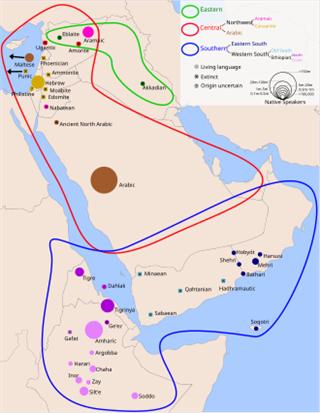 East Semitic languagesTermThe East Semitic languages are an extinct branch of the Semitic language family, spoken in ancient Mesopotamia and Syria.
 East SlavsPeople / groupThe East Slavs are the Slavic peoples of eastern Europe from whom the Russians, Ukrainians and Belarusians descend.
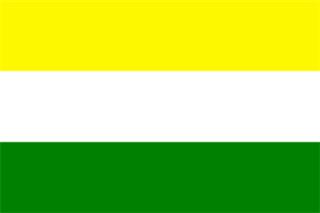 East SumatraPlaceEast Sumatra is the coastal plain of north-eastern Sumatra around Medan, home of Malay sultanates such as Deli, Langkat, Asahan and Serdang.
- East Sumatra revolutionRevolution · 1946The East Sumatra revolution was an uprising in March 1946 in which armed youth groups and leftist militias attacked the Malay and Simalungun aristocracies of eastern…
 East TimorPlaceEast Timor (Timor-Leste) is a country occupying the eastern half of the island of Timor in South-East Asia.
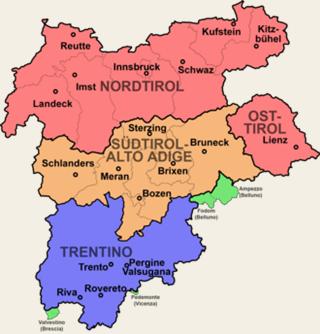 East TyrolPlaceEast Tyrol is a district of the Austrian state of Tyrol, centred on Lienz.
- Easter controversyEventThe Easter controversy was a long dispute in the early medieval Church over how to calculate the date of Easter.
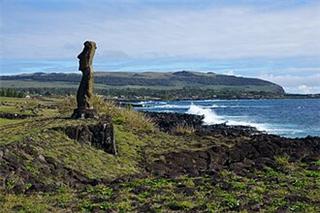 Easter IslandPlaceEaster Island, or Rapa Nui, is a remote Polynesian island in the south-eastern Pacific, about 3,500 km west of mainland Chile.
- Easter RisingRevolt · 1916The Easter Rising was an armed insurrection in Dublin in April 1916, launched by Irish republicans of the Irish Volunteers and the Irish Citizen Army to end British rule.
 Easter RossPlaceEaster Ross is the eastern lowland part of Ross in the northern Scottish Highlands, between the Cromarty and Dornoch Firths.
 Eastern CapePlaceThe Eastern Cape is a province of South Africa, created in 1994 from the eastern part of the Cape Province and the former homelands of Transkei and Ciskei.
 Eastern CarpathiansPlaceThe Eastern Carpathians are the section of the Carpathian mountains running through south-eastern Poland, Slovakia, Ukraine and northern Romania.
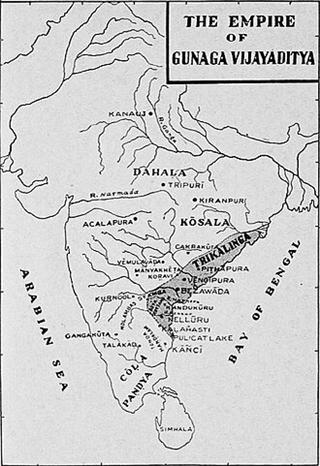 Eastern ChalukyasStateThe Eastern Chalukyas were a dynasty that ruled the Vengi region of coastal Andhra, between the Godavari and Krishna rivers, from 624 to about 1070.
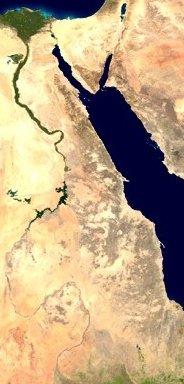 Eastern DesertPlaceThe Eastern Desert is the arid, mountainous region between the Nile valley and the Red Sea, stretching from Egypt into Sudan.
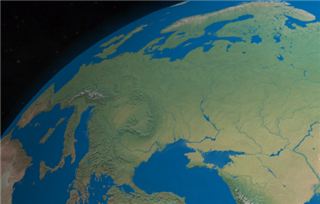 Eastern EuropePlaceEastern Europe is the eastern part of the European continent, including the plains between the Baltic, the Black Sea and the Urals.
 Eastern Ganga dynastyPeople / groupThe Eastern Ganga dynasty ruled Kalinga, modern Odisha, in eastern India.
- Eastern Orthodox ChurchReligion / ideaThe Eastern Orthodox Church is the body of Christian churches that follow the Byzantine tradition and recognise the authority of the ecumenical councils, separating…
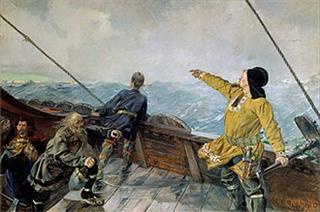 Eastern SettlementPlaceThe Eastern Settlement was the larger of the two Norse colonies in Greenland, founded around 985 by settlers led by Erik the Red near modern Qaqortoq.
- Eastern States AgencyInstitutionThe Eastern States Agency was a political agency of British India formed in 1933 to supervise the princely states of Orissa, Chhattisgarh and Chota Nagpur in eastern…
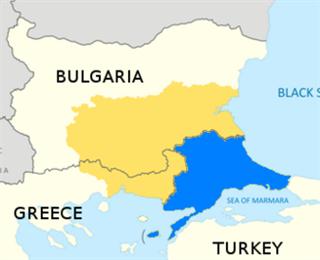 Eastern ThracePlaceEastern Thrace is the European part of Turkey, between the Maritsa river and the Bosporus, including Istanbul and Edirne.
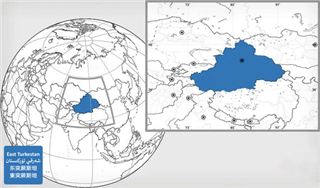 Eastern TurkestanPlaceEastern Turkestan is a historical name for the Tarim Basin and surrounding lands, roughly corresponding to southern Xinjiang in north-western China.
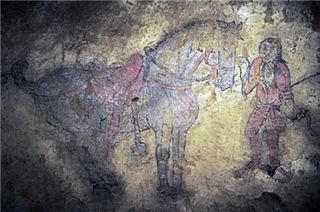 Eastern Turkic KhaganateStateThe Eastern Turkic Khaganate was the eastern half of the Gokturk realm after it split into eastern and western branches in the late sixth century.
- EastphaliaPlaceEastphalia (Ostfalen) was the eastern division of Old Saxony, between the Weser–Leine region and the Elbe and Saale, around modern Brunswick, Hildesheim and Magdeburg.
 EauzePlaceEauze is a small town in the Gers department of Gascony, south-western France.
- Ebarat IIPersonEbarat II was an Elamite ruler of around 1900 BCE.
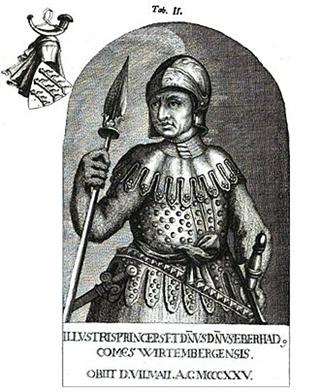 Eberhard I, Count of WürttembergPersonEberhard I, called the Illustrious, was Count of Württemberg from 1279 to 1325.
 Eberhard I, Duke of WürttembergPersonEberhard I, Duke of Württemberg, called the Bearded (im Bart), was count of Württemberg-Urach from 1459 as Eberhard V.
- Eberhard II, Count of the MarkPersonEberhard II (c. 1255–1308) was Count of the Mark from 1277.
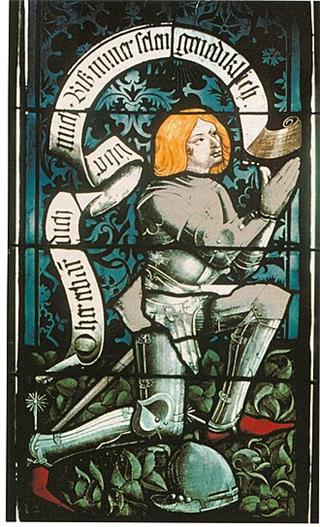 Eberhard IV, Count of WürttembergPersonEberhard IV (1388–1419), called the Younger, was Count of Württemberg from 1417.
- Eberhard of FranconiaPersonEberhard was Duke of Franconia from 918, the brother of King Conrad I.
- Eberhard of FriuliPersonEberhard of Friuli was a Frankish nobleman of the Unruoching family who became Margrave of Friuli around 846.
- Ebiri MoroPersonEbiri Moro was a king of Aowin, an Akan state in the forest of the western Gold Coast.
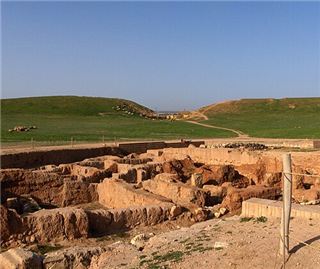 EblaPlaceEbla was an ancient city in northern Syria that flourished in the third millennium BCE and is famous for its large archive of cuneiform tablets.
- EblanaPlaceEblana is a place named on the east coast of Ireland in the Geography of Ptolemy, compiled around 150 CE, as a town of the Eblani people.
- EbonyTermEbony is a dense, dark hardwood from tropical Africa that was highly valued as a luxury material in the ancient world.
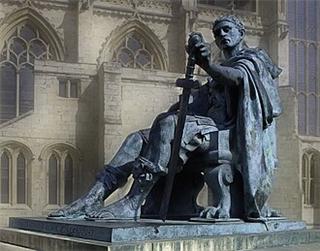 EboracumPlaceEboracum was the Roman fortress and city on the site of York, founded around 71 AD as the base of the Ninth Legion.
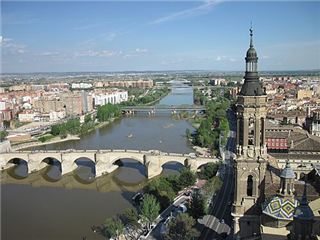 Ebro RiverPlaceThe Ebro is a major river of north-eastern Spain, flowing into the Mediterranean.
- EbrohimiPlaceEbrohimi was the fortified town of the Itsekiri merchant and governor of the river Nana Olomu, on a creek of the Benin River in the western Niger Delta.
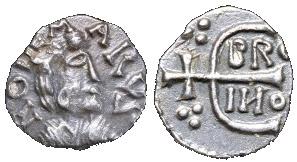 EbroinPersonEbroin was mayor of the palace of Neustria, the western Frankish kingdom, from about 658 until his murder around 681.
 EcbatanaPlaceEcbatana, modern Hamadan in western Iran, was the capital of the Median Empire.
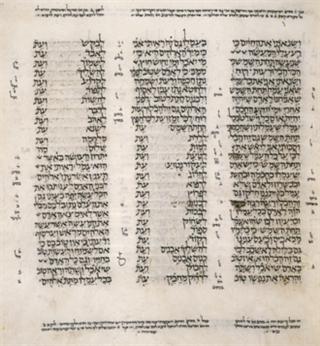 EcclesiastesWork / monumentEcclesiastes is a book of the Hebrew Bible, part of its wisdom literature, presented as the reflections of Qoheleth, the Preacher, son of David and king in Jerusalem…
 Ecclesiastical History of the English PeopleWork / monumentThe Ecclesiastical History of the English People is a Latin history of the English church and peoples completed by Bede at Jarrow in 731.
 Ecgbert of YorkPersonEcgbert (died 766) was bishop of York from 732 and, from 735, the first archbishop of York since Paulinus, after obtaining the pallium from Rome.
 Ecgfrith of MerciaPersonEcgfrith was king of Mercia for a few months in 796, the only son of Offa.
- Ecgfrith of NorthumbriaPersonEcgfrith was king of Northumbria from 670 to 685, the son of Oswiu.
 Echigo ProvincePlaceEchigo Province was a province of Japan on the Sea of Japan coast, corresponding to most of modern Niigata Prefecture.
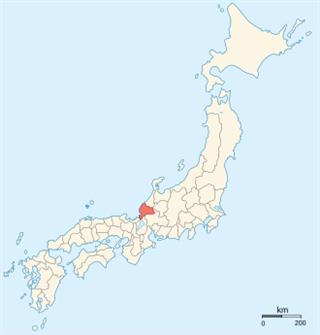 Echizen ProvincePlaceEchizen was an old province of Japan on the Sea of Japan coast, now the northern part of Fukui Prefecture.
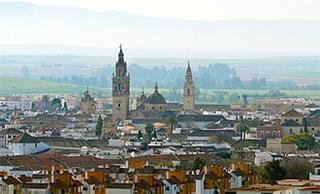 ÉcijaPlaceÉcija is a town in the province of Seville in Andalusia, Spain, on the Genil river.
 École française d'Extrême-OrientInstitutionThe École française d'Extrême-Orient is a French institute for the study of Asian civilisations, established in 1900 with its headquarters in Hanoi and since the 1950s…
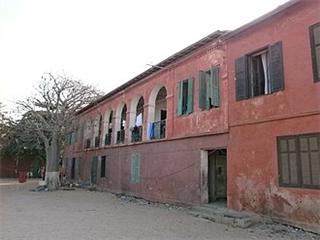 École William PontyInstitutionThe École William Ponty was a teacher-training college in French West Africa, founded at Saint-Louis in Senegal in 1903, moved to Gorée in 1913 and later to Sébikotane.