Encyclopedia: A
2,730 entries under A · page 11 of 28: Aleko Bogoridi – Alfonso V of León
 Aleko BogoridiPersonAleko Bogoridi was an Ottoman Bulgarian statesman and diplomat.
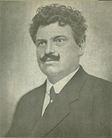 Aleksandar StamboliyskiPersonAleksandar Stamboliyski was a Bulgarian politician who led the Bulgarian Agrarian National Union and served as prime minister from 1919 to 1923.
 Aleksandar VučićPersonAleksandar Vučić is a Serbian politician who has been President of Serbia since 2017 after serving as prime minister from 2014.
 Aleksander KakowskiPersonAleksander Kakowski was a Polish Catholic prelate, Archbishop of Warsaw from 1913 and a cardinal from 1919.
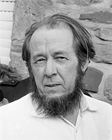 Aleksandr SolzhenitsynPersonAleksandr Solzhenitsyn was a Russian novelist and historian who spent eight years in Soviet labour camps after criticising Stalin in a private letter.
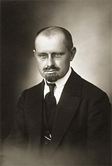 Aleksandras StulginskisPersonAleksandras Stulginskis was a Lithuanian Christian Democrat politician who chaired the Constituent Assembly from 1920 and served as president of Lithuania from 1920 to…
 Aleksey YermolovPersonAleksey Yermolov was a Russian general who commanded in the Caucasus from 1816 to 1827.
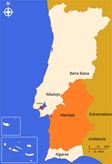 AlentejoPlaceThe Alentejo is a region of southern Portugal between the Tagus and the Algarve, a land of plains, cork oaks, olive groves and wheat fields.
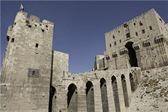 AleppoPlaceAleppo is a major city in northern Syria with a long history as a trading and political centre.
- AleramoPersonAleramo was a nobleman in northern Italy, of Frankish descent, who in 967 was confirmed by Emperor Otto I as margrave of lands in the hills south of the Po between…
 Alessandro de' MediciPersonAlessandro de' Medici was the first Duke of Florence, installed after the imperial and papal siege ended the last Florentine republic in 1530 and made hereditary duke…
 Alessandro Farnese, Duke of ParmaPersonAlessandro Farnese, Duke of Parma, was the most famous general of Habsburg Spain in the Dutch Revolt.
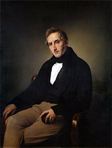 Alessandro ManzoniPersonAlessandro Manzoni was an Italian novelist and poet from Milan.
 Alessandro Pirzio BiroliPersonAlessandro Pirzio Biroli was an Italian army general.
 Alessandro SforzaPersonAlessandro Sforza was a condottiero and the younger brother of Francesco Sforza, Duke of Milan.
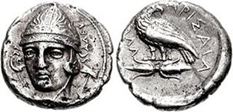 AleuadaePeople / groupThe Aleuadae were an aristocratic family of Larissa in Thessaly, claiming descent from Heracles through their ancestor Aleuas.
- Aleuas the RedPersonAleuas the Red was a semi-legendary ruler of Larissa in the 6th century BCE, ancestor of the Aleuadae, the leading aristocratic family of Thessaly.
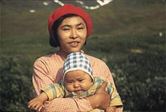 AleutPeople / groupThe Aleut, or Unangan, are the Indigenous people of the Aleutian Islands and the western Alaska Peninsula, skilled sea hunters in skin kayaks.
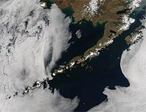 Aleutian IslandsPlaceThe Aleutian Islands are a chain of islands extending from Alaska towards Kamchatka in the North Pacific.
- Alexander BaranovPersonAlexander Baranov was a Russian merchant who managed the Russian fur-trading posts in Alaska from 1790 and became the first chief manager of the Russian-American…
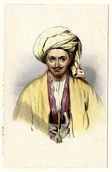 Alexander BurnesPersonAlexander Burnes was a Scottish officer and explorer in the service of the East India Company.
 Alexander BustamantePersonAlexander Bustamante was a Jamaican labour leader and politician who rose to prominence in the labour unrest of 1938.
 Alexander CoutanchePersonAlexander Coutanche was Bailiff of Jersey from 1935 to 1961.
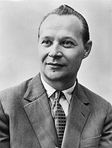 Alexander DubčekPersonAlexander Dubček was a Slovak politician who became first secretary of the Communist Party of Czechoslovakia in January 1968.
- Alexander FilimonovPersonAlexander Filimonov was a Russian army officer and ataman of the Kuban Cossack Host from 1917 to 1919.
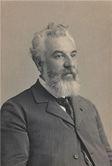 Alexander Graham BellPersonAlexander Graham Bell was a Scottish-born scientist and inventor credited with patenting the telephone in 1876.
 Alexander HamiltonPersonAlexander Hamilton was an American statesman and one of the Founding Fathers of the United States.
 Alexander I of EpirusPersonAlexander I of Epirus, called the Molossian, was king of the Molossians in Epirus and the brother-in-law and uncle of Alexander the Great.
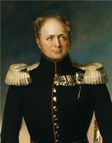 Alexander I of RussiaPersonAlexander I of Russia was emperor of the Russian Empire from 1801 to 1825.
 Alexander II of EpirusPersonAlexander II of Epirus was king of Epirus from 272 BCE, the son and successor of Pyrrhus.
 Alexander II of ImeretiPersonAlexander II was king of Imereti in western Georgia from 1484 to 1510, son of Bagrat II of Imereti.
 Alexander II of RussiaPersonAlexander II of Russia was emperor of the Russian Empire from 1855 to 1881, known as the Tsar Liberator.
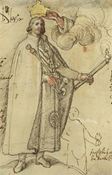 Alexander III of ImeretiPersonAlexander III was King of Imereti in western Georgia from 1639 to 1660.
 Alexander III of ScotlandPersonAlexander III was King of Scots from 1249 to 1286.
 Alexander IV of MacedonPersonAlexander IV was the son of Alexander the Great and Roxane, born after his father's death in 323 BCE.
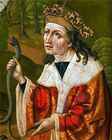 Alexander JagiellonPersonAlexander Jagiellon was grand duke of Lithuania from 1492 and king of Poland from 1501 until his death in 1506, a son of Casimir IV.
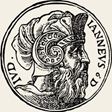 Alexander JannaeusPersonAlexander Jannaeus was king and high priest of the Hasmonean kingdom of Judaea from 103 to 76 BCE.
- Alexander KarađorđevićPersonAlexander Karađorđević, son of the rebel leader Karađorđe, was Prince of Serbia from 1842 to 1858.
 Alexander Karl, Duke of Anhalt-BernburgPersonAlexander Karl was the last Duke of Anhalt-Bernburg, ruling from 1834 until his death.
 Alexander KerenskyPersonAlexander Kerensky was a Russian socialist lawyer who served in the Provisional Government after the February Revolution of 1917, first as justice and war minister and…
 Alexander KhatisianPersonAlexander Khatisian was an Armenian politician of the Dashnak party, formerly mayor of Tiflis.
 Alexander KolchakPersonAlexander Kolchak was a Russian admiral and polar explorer who commanded the Black Sea Fleet in the First World War.
 Alexander McGillivrayPersonAlexander McGillivray was a leader of the Muscogee (Creek) people, the son of a Scottish trader and a Creek mother.
 Alexander NevskyPersonAlexander Nevsky was a Rus' prince who served as prince of Novgorod and from 1252 as Grand Prince of Vladimir.
 Alexander ObrenovićPersonAlexander Obrenović was king of Serbia from 1889 to 1903.
 Alexander of BattenbergPersonAlexander of Battenberg was a German prince elected the first ruler of the autonomous Principality of Bulgaria in 1879.
 Alexander of GreecePersonAlexander was king of Greece from 1917 to 1920.
- Alexander of PheraePersonAlexander of Pherae was tyrant of Pherae in Thessaly from 369 to 358 BCE.
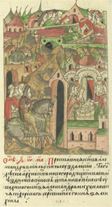 Alexander of SuzdalPersonAlexander of Suzdal (Alexander Vasilyevich) was a Russian prince of Suzdal who in 1328 received from Uzbek Khan of the Golden Horde a share of the grand principality of…
 Alexander PushkinPersonAlexander Pushkin was a Russian poet, playwright and novelist of the early nineteenth century, widely regarded as the founder of modern Russian literature.
 Alexander RomanceWork / monumentThe Alexander Romance is a legendary account of the life of Alexander the Great, falsely attributed to his historian Callisthenes and compiled in Greek by the 3rd…
 Alexander StubbPersonAlexander Stubb is a Finnish politician of the National Coalition Party who served as foreign minister, prime minister in 2014–2015 and finance minister.
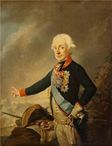 Alexander SuvorovPersonAlexander Suvorov was a Russian general of the eighteenth century, famous for never losing a major battle.
 Alexander TamanianPersonAlexander Tamanian was an Armenian architect trained in St Petersburg, where he worked before the Russian Revolution.
 Alexander the GoodPersonAlexander the Good was prince of Moldavia from 1400 to 1432.
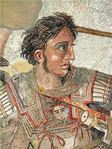 Alexander the GreatPersonAlexander the Great, Alexander III of Macedon, was king of Macedon from 336 to 323 BCE.
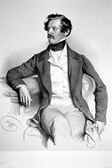 Alexander von BachPersonAlexander von Bach was an Austrian lawyer and statesman who served as minister of the interior from 1849 to 1859.
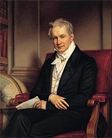 Alexander von HumboldtPersonAlexander von Humboldt was a Prussian naturalist, geographer and explorer.
- Alexander's siege of GazaSiegeAlexander's siege of Gaza was a siege by the army of Alexander the Great in 332 BCE, following the capture of Tyre, as he advanced towards Egypt.
- Alexander's siege of TyreSiege · 332 BCEAlexander's siege of Tyre was the siege of the Phoenician island city of Tyre by Alexander the Great in 332 BCE.
 Alexandra Feodorovna (Alix of Hesse)PersonAlexandra Feodorovna (1872–1918), born Princess Alix of Hesse and by Rhine, was the last Empress of Russia as wife of Tsar Nicholas II.
 Alexandre de RhodesPersonAlexandre de Rhodes was a Jesuit missionary from Avignon who worked in Cochinchina and in Tonkin from 1627 to 1630, winning many converts before his expulsion.
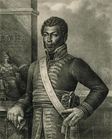 Alexandre PétionPersonAlexandre Pétion was a Haitian revolutionary leader and the first president of the Republic of Haiti in the south and west, from 1807 to 1818.
 AlexandriaPlaceAlexandria is a city on the Mediterranean coast of Egypt, founded by Alexander the Great in 331 BCE.
 Alexandria EschatePlaceAlexandria Eschate, 'Alexandria the Furthest', was a city founded by Alexander the Great in 329 BCE on the Syr Darya (Jaxartes) at the entrance to the Fergana Valley…
- Alexandropolis (Thrace)PlaceAlexandropolis was a city founded around 340 BCE by the young Alexander the Great in the land of the Maedi, a Thracian people of the Strymon valley.
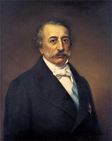 Alexandros MavrokordatosPersonAlexandros Mavrokordatos was a Phanariote Greek statesman of the Greek War of Independence.
 Alexandros PapagosPersonAlexandros Papagos was a Greek field marshal and politician.
- Alexandros SvolosPersonAlexandros Svolos was a Greek professor of constitutional law who became president of the Political Committee of National Liberation (PEEA), the government set up by…
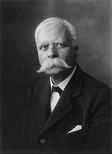 Alexandros ZaimisPersonAlexandros Zaimis was a Greek statesman who served several times as prime minister.
 Alexandru Ioan CuzaPersonAlexandru Ioan Cuza was elected Prince of Moldavia and then of Wallachia in 1859, uniting the two principalities in a personal union that became Romania.
 Alexandru LăpușneanuPersonAlexandru Lăpușneanu was prince of Moldavia from 1552 to 1561 and again from 1564 to 1568.
 Alexei BrusilovPersonAlexei Brusilov was a Russian general in the First World War.
- Alexei KulabukhovPersonAlexei Kulabukhov was an Orthodox priest and member of the Kuban Rada during the Russian Civil War, a supporter of Kuban autonomy and closer ties with Ukraine.
- Alexey KaledinPersonAlexey Kaledin was a Russian cavalry general and the first elected ataman of the Don Cossacks after the February Revolution of 1917.
 Alexios I KomnenosPersonAlexios I Komnenos was Byzantine emperor from 1081 to 1118 and founder of the Komnenian dynasty.
- Alexios I of TrebizondPersonAlexios I was the founder of the Empire of Trebizond.
 Alexios II of TrebizondPersonAlexios II was Emperor of Trebizond from 1297 to 1330, the son of John II and Eudokia Palaiologina.
 Alexios III AngelosPersonAlexios III Angelos was Byzantine emperor from 1195, after blinding and deposing his brother Isaac II.
 Alexios III of TrebizondPersonAlexios III Megas Komnenos was emperor of Trebizond from 1349 to 1390.
- Alexios of TheodoroPersonAlexios was prince of Theodoro, the Greek Orthodox principality of the Crimean mountains, in the early 15th century.
 Alexis de TocquevillePersonAlexis de Tocqueville was a French political thinker, historian and politician.
- Alexis KagamePersonAlexis Kagame was a Rwandan Catholic priest, philosopher, historian and poet.
 Alexis of RussiaPersonAlexis of Russia was the second Romanov tsar, ruling from 1645 to 1676.
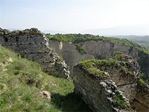 Alexius SlavPersonAlexius Slav was a Bulgarian noble, a relative of the Asen tsars, who after Tsar Kaloyan's death in 1207 refused to accept Boril and set up his own principality in the…
- Alfa Molo BaldePersonAlfa Molo Balde was a Fula leader of the nineteenth century who led a Muslim revolt against the Kaabu Empire.
 Alfonsine TablesWork / monumentThe Alfonsine Tables were astronomical tables for calculating the positions of the Sun, Moon and planets, compiled in Toledo under Alfonso X of Castile by the Jewish…
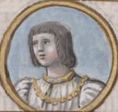 Alfonso de MolinaPersonAlfonso de Molina was a son of Alfonso IX of León and brother of Ferdinand III of Castile.
- Alfonso FadriquePersonAlfonso Fadrique was an illegitimate son of King Frederick III of Sicily who governed the Catalan Duchy of Athens as vicar-general from 1317 to 1330.
 Alfonso García RoblesPersonAlfonso García Robles was a Mexican diplomat who led the negotiations for the Treaty of Tlatelolco of 1967, which made Latin America a nuclear-weapon-free zone.
 Alfonso I of AragonPersonAlfonso I of Aragon, known as the Battler, was king of Aragon and Navarre in the early twelfth century.
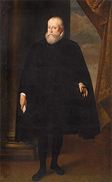 Alfonso II d'EstePersonAlfonso II d'Este was the last Duke of Ferrara of the Este family, ruling from 1559 to 1597.
 Alfonso II of AragonPersonAlfonso II was the son of Ramon Berenguer IV of Barcelona and Petronila of Aragon.
 Alfonso II of AsturiasPersonAlfonso II, called the Chaste, was King of Asturias from 791 to 842.
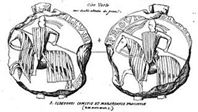 Alfonso II, Count of ProvencePersonAlfonso II was count of Provence from 1196 to 1209, a younger son of Alfonso II of Aragon, who left him the county.
 Alfonso III of AragonPersonAlfonso III of Aragon (1265–1291), called the Liberal, was King of Aragon and Count of Barcelona from 1285.
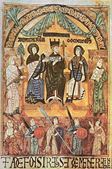 Alfonso III of AsturiasPersonAlfonso III, called the Great, was King of Asturias from 866 to 910.
 Alfonso IV of AragonPersonAlfonso IV, 'the Benign', was king of Aragon from 1327 to 1336.
 Alfonso IX of LeónPersonAlfonso IX was king of León from 1188 to 1230.
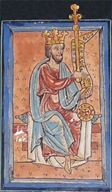 Alfonso V of LeónPersonAlfonso V was king of León from 999 to 1028, coming to the throne as a child after the death of his father Bermudo II.