Kids Corner
Hello, explorer! Travel back thousands of years without leaving your chair. Meet pharaohs and knights, sail with the Vikings, look at real pictures from long ago and play history games. I’m Hoot, and I’m coming too.
Play a history game
Games with real pictures and real dates, and a new crossword and quiz every day. The games start on Easy, and you can make them harder whenever you like.
- Emblem PairsTurn the cards and match the flags and coats of arms.
- Order the AgesPut famous moments in the right order.
- Globe HuntSpin the globe and find where it was.
- Which Came First?Two pictures: tap the older one.
- Picture PuzzleSwap the pieces to finish a famous picture.
- Word HuntFind hidden words about pharaohs, knights and more.
- Guess the YearHow old is it? Slide to your guess.
- History CrosswordFill in a new crossword of history every day.
- Write Like a ScribeWrite your name in hieroglyphs, runes or cuneiform.
- Daily QuizA new history mystery to solve every day.
Explore by theme
Pick a door to step inside. Every picture opens a page with the whole story.
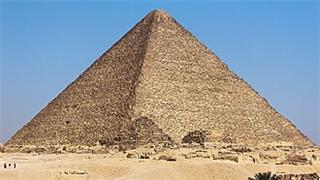 Ancient Egypt11 to explore
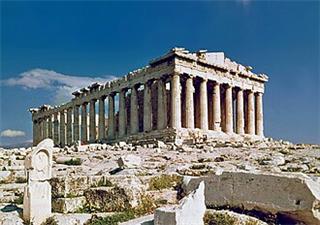 Ancient Greece11 to explore
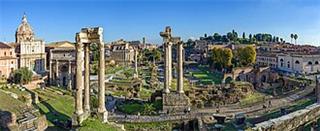 Ancient Rome10 to explore
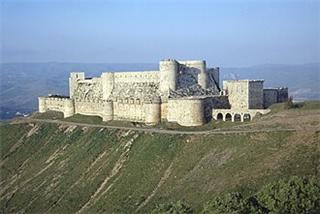 Knights and Castles8 to explore
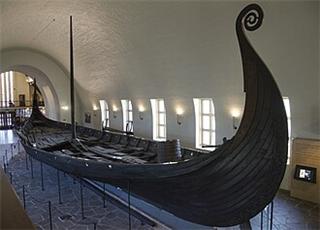 Vikings8 to explore
 Great Explorers9 to explore
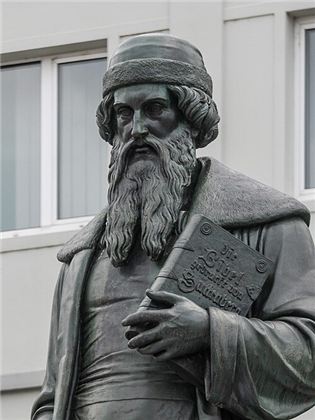 Inventions and Ideas11 to explore
 Amazing Buildings12 to explore
Ancient Egypt
Pharaohs, pyramids and the gift of the Nile.
- Great Pyramid of GizaBuilt about 4,500 years ago, it was the tallest building on Earth for some 3,800 years.
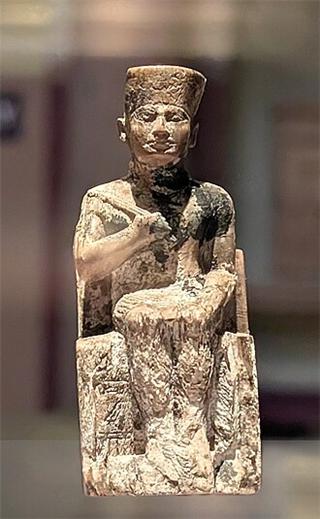 KhufuThe pharaoh who built the Great Pyramid; the only complete statue of him ever found is just 7.5 centimetres tall.
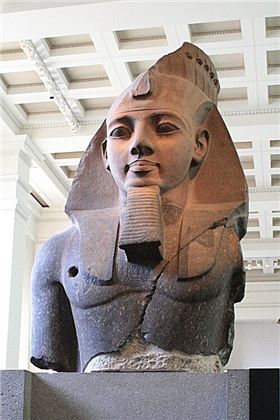 Ramesses IIHe ruled for 66 years and put up giant statues of himself all over Egypt.
 HatshepsutOne of the few women to rule Egypt as pharaoh; some statues show her with a king's false beard.
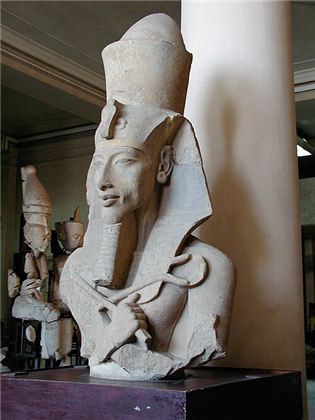 AkhenatenA pharaoh who tried to make Egyptians worship a single sun god, the Aten.
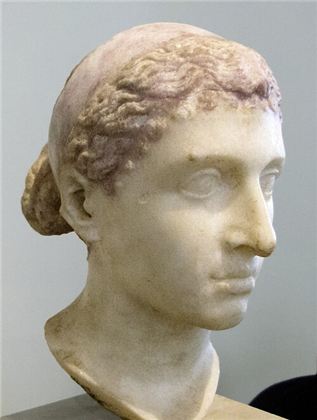 Cleopatra VIIEgypt's last queen spoke many languages and was the first of her family to learn Egyptian.
 NileAfrica's longest river: its yearly flood left rich black mud for farming.
 Rosetta StoneThe same message in three scripts helped scholars finally read hieroglyphs in 1822.
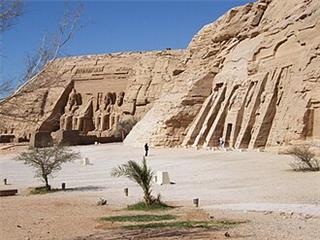 Abu SimbelTwo temples carved into a cliff, cut into blocks and moved uphill in the 1960s to save them from a new lake.
 Deir el-BahariThe terraced temple of Queen Hatshepsut, built against the cliffs near Luxor.
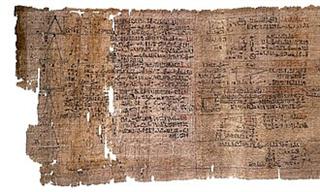 Rhind Mathematical PapyrusAn Egyptian maths book about 3,600 years old, full of puzzles about bread, beer and pyramids.
Ancient Greece
Thinkers, athletes and the first democracy.
- ParthenonA marble temple for the goddess Athena, built on a hill above Athens nearly 2,500 years ago.
 AthensThe city where citizens first voted on their own laws, in a democracy.
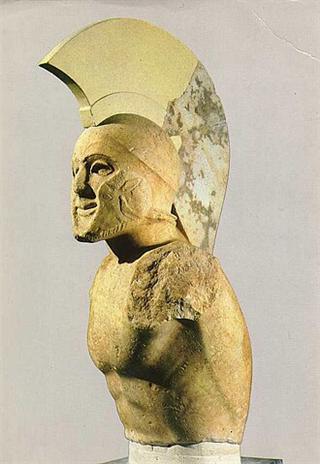 Leonidas IA king of Sparta who led his 300 Spartans at the pass of Thermopylae in 480 BCE.
 HomerThe poet said to have told the stories of the Trojan War and of Odysseus' long voyage home.
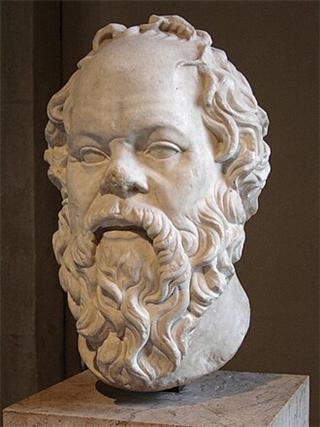 SocratesHe taught by asking questions, and he never wrote a single book.
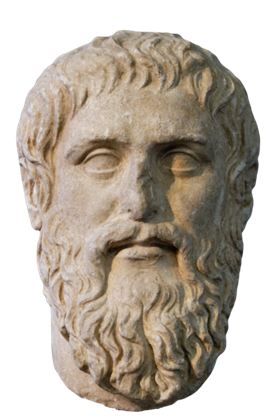 PlatoA pupil of Socrates who started one of the first schools, the Academy.
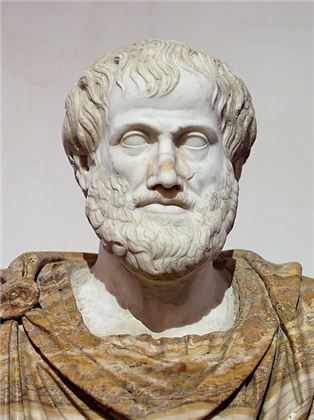 AristotleHe studied everything from animals and plants to poetry, and he taught Alexander the Great.
 Alexander the GreatBy the age of 30 he ruled an empire that stretched from Greece to India.
 Ancient Olympic GamesHeld at Olympia every four years for more than a thousand years, with races, wrestling and chariots.
 Colossus of RhodesA bronze statue of the sun god about as tall as a ten-storey building; an earthquake toppled it.
 Lighthouse of AlexandriaOne of the Seven Wonders, its fire guided ships into harbour for many centuries.
Ancient Rome
Emperors, legions and roads that led everywhere.
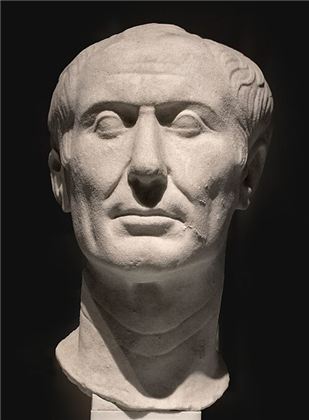 Julius CaesarA famous general who became master of Rome; the month of July is named after him.
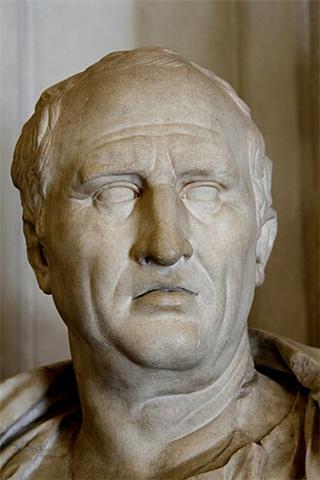 CiceroRome's greatest speaker; hundreds of his letters still survive.
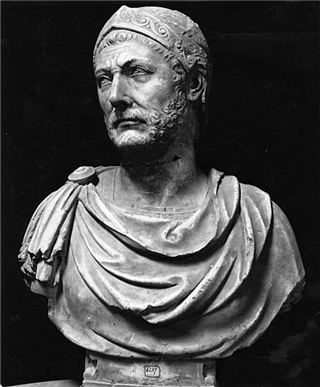 HannibalRome's great enemy, who marched an army with elephants across the Alps.
- Roman ForumThe busy heart of the city, full of temples, law courts and shops.
 Appian WayA stone road begun in 312 BCE; you can still walk along parts of it today.
 TrajanUnder this emperor the Roman Empire reached its largest size.
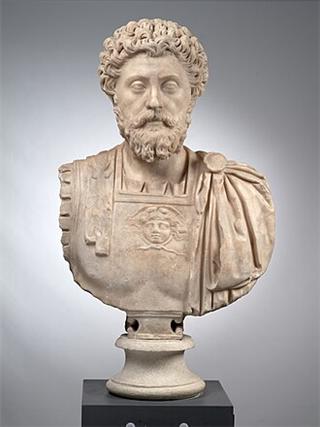 Marcus AureliusAn emperor who wrote his thoughts in a notebook we still read, the Meditations.
 NeroAn emperor who loved music and theatre, and even sang on stage himself.
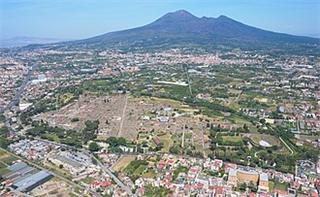 PompeiiA town buried by the eruption of Mount Vesuvius in 79 CE, so well preserved that you can walk its streets.
 Constantine IThe emperor who founded Constantinople, the city we now call Istanbul.
Knights and Castles
Kings, queens and castles of the Middle Ages.
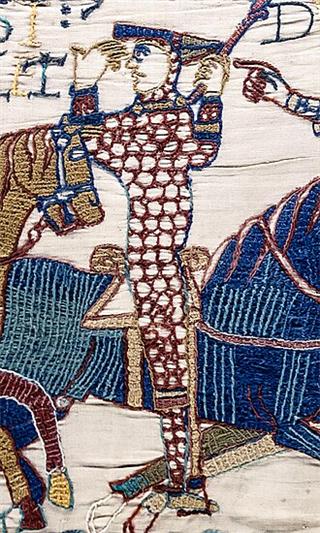 William the ConquerorHe sailed from Normandy and won the Battle of Hastings in 1066.
 Bayeux TapestryA 70-metre-long embroidery that tells the story of 1066 like a comic strip.
 Eleanor of AquitaineShe was queen of France and then queen of England, and the mother of two English kings.
 Richard I of EnglandCalled the Lionheart, he spent only a few months of his reign in England.
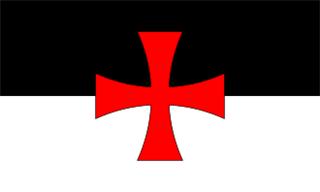 Knights TemplarAn order of knights who were also monks, dressed in white with a red cross.
- Krak des ChevaliersOne of the best-preserved castles of the Crusades, high on a hill in Syria.
 Joan of ArcA farm girl from France who led an army when she was about 17.
 Magna CartaA charter of 1215 which said that even the king had to obey the law.
Vikings
Sailors, traders and explorers from the far north.
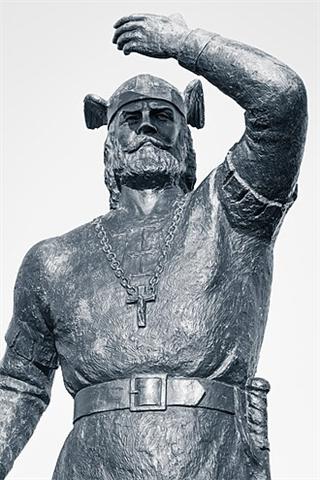 Leif EriksonA Viking explorer who reached North America about 500 years before Columbus.
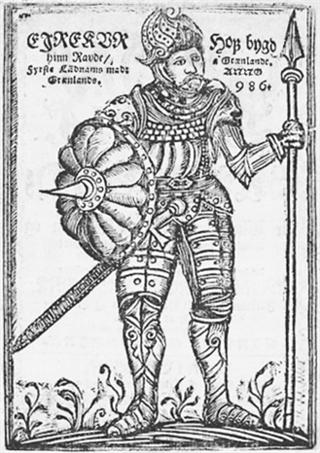 Erik the RedHe named his icy new home Greenland to make settlers want to go there.
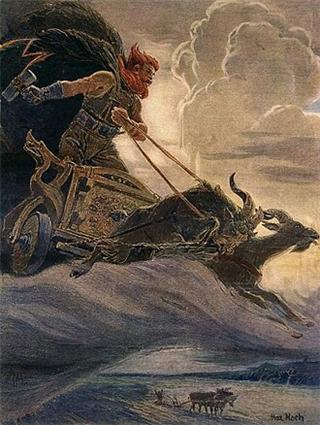 ThorThe Norse god of thunder; Thursday is named after him.
- Oseberg shipA beautifully carved Viking ship found buried in a grave mound in Norway.
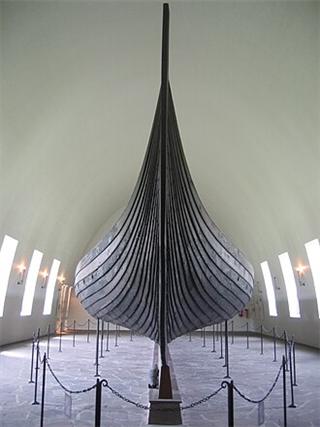 Gokstad shipA Viking ship so well made that a copy sailed across the Atlantic in 1893.
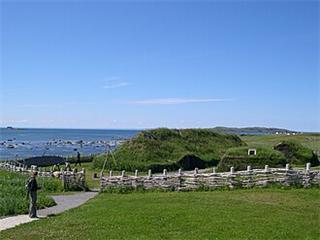 L'Anse aux MeadowsThe remains of a Viking settlement in Canada, about a thousand years old.
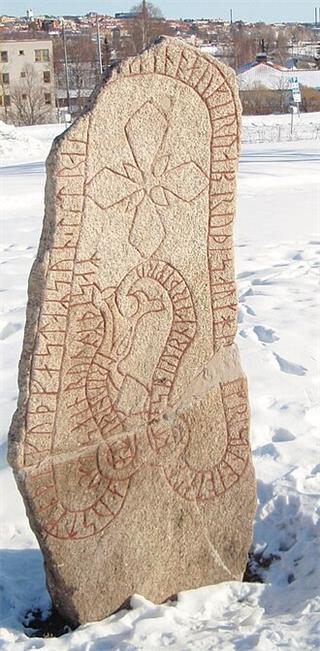 Frösö RunestoneA stone carved with runes, the letters the Vikings wrote with.
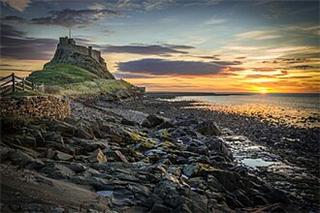 LindisfarneAn island monastery in England whose raid by Vikings in 793 shocked Europe.
Great Explorers
Brave travellers who crossed oceans, deserts and mountains.
 XuanzangA Chinese monk who walked all the way to India and back to collect books.
 Marco PoloA merchant from Venice who travelled to China and wrote a famous book about it.
 Ibn BattutaHe travelled for nearly 30 years across Africa and Asia, further than anyone else of his time.
- Zheng HeA Chinese admiral who led huge fleets across the Indian Ocean; his treasure ships are said to be among the largest wooden ships ever built.
 Prince Henry the NavigatorA Portuguese prince who sent ships down the coast of Africa, though he rarely sailed himself.
 Christopher ColumbusIn 1492 he sailed across the Atlantic, hoping to reach Asia.
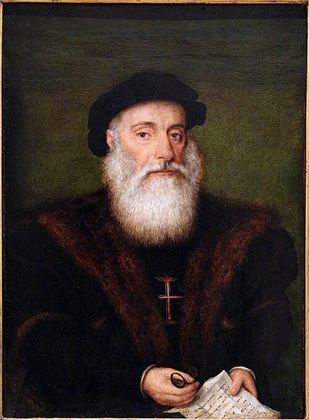 Vasco da GamaThe first European to sail all the way from Europe to India, in 1498.
 Ferdinand MagellanHis fleet was the first to sail around the whole world, though he died on the way.
 James CookA British captain who mapped the coasts of New Zealand and eastern Australia.
Inventions and Ideas
Clever ideas that changed how people live.
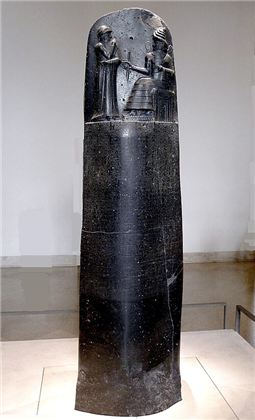 Code of HammurabiOne of the oldest written law codes, carved on a tall black stone nearly 3,800 years ago.
 Library of AlexandriaAn ancient library that tried to collect a copy of every book it could find.
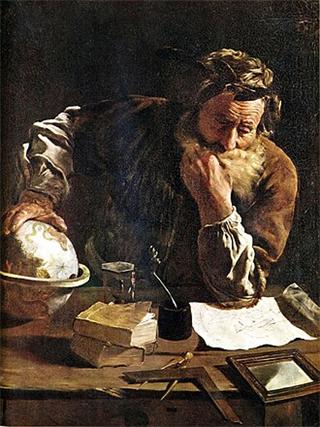 ArchimedesA Greek inventor who is said to have shouted "Eureka!" in his bath.
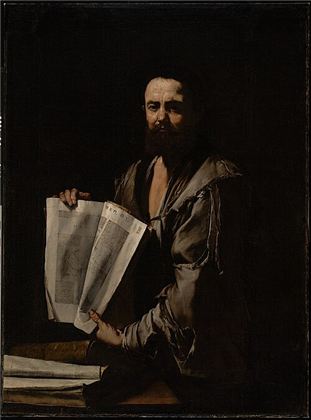 EuclidHis geometry book was used in schools for more than 2,000 years.
 Cai LunA Chinese court official remembered for improving paper-making around the year 105.
 al-KhwarizmiA scholar in Baghdad whose name gave us the word "algorithm".
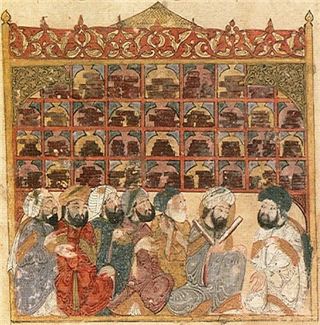 House of WisdomA great library and meeting place for scholars in Baghdad.
- Johannes GutenbergHis printing press with movable metal letters made books far cheaper.
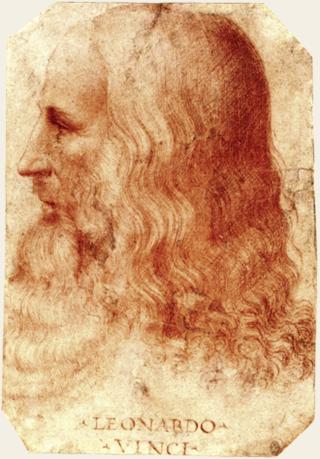 Leonardo da VinciA painter and inventor who filled notebooks with designs for flying machines.
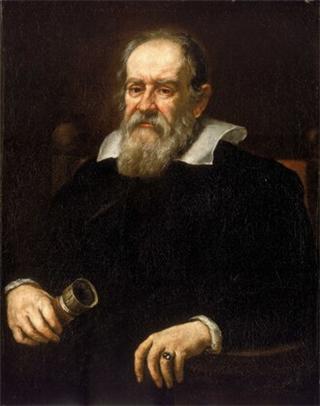 Galileo GalileiIn 1610 he looked through his telescope and discovered four moons of Jupiter.
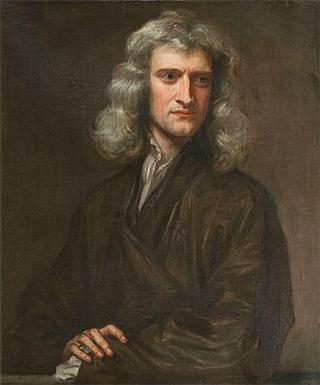 Isaac NewtonHe explained gravity, the force that makes apples fall and keeps the Moon in orbit.
Amazing Buildings
Wonders of stone, brick and marble from around the world.
 Great Wall of ChinaBuilt and rebuilt over 2,000 years, its walls run for thousands of kilometres.
- Taj MahalA white marble tomb built by the emperor Shah Jahan for his wife, Mumtaz Mahal.
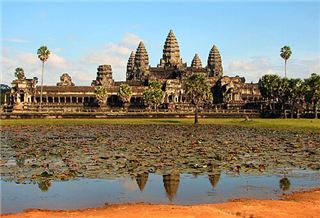 Angkor WatA vast temple in Cambodia, often called the largest religious monument in the world.
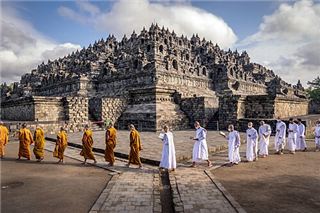 BorobudurA giant Buddhist monument on the island of Java with more than 500 Buddha statues.
 Hagia SophiaFor nearly a thousand years it was the largest church in the world.
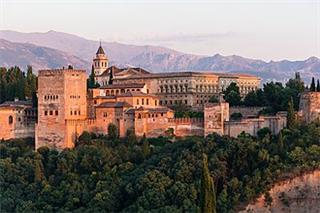 AlhambraA palace in Granada famous for its gardens, fountains and patterned walls.
 Machu PicchuAn Inca city high in the Andes mountains, built around 1450.
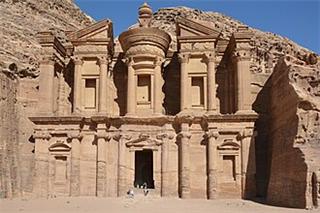 PetraA city carved into pink sandstone cliffs in Jordan.
 Pyramid of the SunOne of the largest pyramids in the world, in the ancient city of Teotihuacan in Mexico.
 Ziggurat of UrA stepped temple tower built about 4,000 years ago in what is now Iraq.
 Qutb MinarA red sandstone tower in Delhi about 73 metres tall, begun around the year 1200.
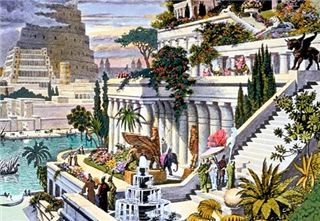 Hanging Gardens of BabylonOne of the Seven Wonders; no one has ever found it, and some think it was only a legend.
Kids mode for the whole site. Brighter colours, bigger letters, and long pages start with the short version. Switch it on with the star at the top of any page.
More to try
For parents and teachers: the pictures come from Wikimedia Commons, with their credits on each entry page. In Kids mode every long page opens with its short version, with “Read the whole story” for the full text, and pages about wars carry a gentle note. Kids mode is remembered in this browser only.