Encyclopedia: A
2,700 entries under A · page 2 of 27: Abdelhamid Ben Badis – Abraham Kuyper
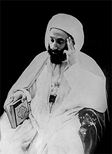 Abdelhamid Ben BadisPersonAbdelhamid Ben Badis (1889–1940) was an Algerian Muslim scholar from Constantine and the leading figure of Islamic reform in colonial Algeria.
 Abdi-AshirtaPersonAbdi-Ashirta was the ruler of Amurru, a land in the mountains and coast of present-day northern Lebanon and western Syria, in the fourteenth century BCE.
 Abdi-HebaPersonAbdi-Heba was the ruler of Jerusalem, called Urusalim, in the mid-14th century BCE, known from six of his letters to the Egyptian pharaoh among the Amarna letters.
 Abdirahman Ahmed Ali TuurPersonAbdirahman Ahmed Ali Tuur was a Somali politician and chairman of the Somali National Movement (SNM).
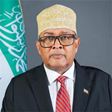 Abdirahman Mohamed AbdullahiPersonAbdirahman Mohamed Abdullahi, known as Irro, is a Somaliland politician and diplomat who became president of Somaliland in December 2024.
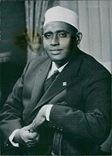 Abdirashid Ali ShermarkePersonAbdirashid Ali Shermarke was a Somali politician, prime minister from 1960 to 1964 and president of the Somali Republic from 1967.
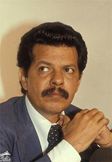 Abdul Fattah IsmailPersonAbdul Fattah Ismail was a Yemeni Marxist politician, the chief ideologue of the National Liberation Front in South Yemen.
- Abdul Ghafur KhanPersonAbdul Ghafur Khan was the founder of Jaora State in Malwa, central India.
- Abdul Ghafur Muhiuddin ShahPersonAbdul Ghafur Muhiuddin Shah was sultan of Pahang, on the east coast of the Malay Peninsula, from 1592 to 1614.
- Abdul Hakkul MubinPersonAbdul Hakkul Mubin was the thirteenth sultan of Brunei, who seized the throne in 1660 after killing Sultan Muhammad Ali.
- Abdul Jalil IV of JohorPersonAbdul Jalil IV was sultan of Johor from 1699 to 1718 and the first ruler of its Bendahara dynasty.
- Abdul Jalil of AsahanPersonAbdul Jalil is the traditional founder of the Asahan Sultanate on the east coast of Sumatra, said to have been a son of Sultan Iskandar Muda of Aceh by a local woman.
- Abdul Kader KanPersonAbdul Kader Kan was a Fula Muslim scholar who led the clerical revolution in Futa Toro, on the middle Senegal River, against the Denianke dynasty.
- Abdul KahirPersonAbdul Kahir was the first sultan of Bima on the island of Sumbawa, in present-day Indonesia, ruling from around 1620 to 1640.
- Abdul Karim Yakut KhanPersonAbdul Karim Yakut Khan was the first Nawab of Sachin, near Surat in Gujarat.
- Abdul Qawi MackaweePersonAbdul Qawi Mackawee was a nationalist politician in the British-ruled State of Aden.
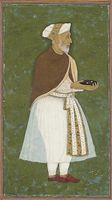 Abdul Rahim Khan-i-KhananPersonAbdul Rahim Khan-i-Khanan (1556–1627) was a commander and poet at the Mughal court, son of Akbar's guardian Bairam Khan.
- Abdul Rahman Muazzam ShahPersonAbdul Rahman Muazzam Shah was the last sultan of Riau-Lingga, reigning from 1885 to 1911.
 Abdul Rashid DostumPersonAbdul Rashid Dostum is an Afghan Uzbek militia leader and politician from the north of the country.
 Abdul Rauf KhanPersonAbdul Rauf Khan was the founder of Savanur State in northern Karnataka.
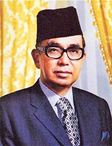 Abdul Razak HusseinPersonAbdul Razak Hussein, known as Tun Abdul Razak, was the second prime minister of Malaysia, from 1970 until his death in 1976.
- Abdul Samad Khan of DujanaPersonAbdul Samad Khan was the founder of Dujana State, a small Pathan principality in Haryana.
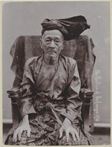 Abdul Samad of SelangorPersonAbdul Samad of Selangor was the fourth Sultan of Selangor, reigning from 1857 to 1898.
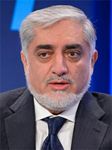 Abdullah AbdullahPersonAbdullah Abdullah is an Afghan politician and former ophthalmologist who was an adviser to the commander Ahmad Shah Massoud.
 Abdullah AfeefPersonAbdullah Afeef was a Maldivian leader who became president of the breakaway United Suvadive Republic in 1959.
- Abdullah Ahmad BadawiPersonAbdullah Ahmad Badawi was the fifth prime minister of Malaysia, from 2003 to 2009, succeeding Mahathir Mohamad.
 Abdullah Al-Salim Al-SabahPersonAbdullah Al-Salim Al-Sabah was ruler of Kuwait from 1950 until his death in 1965.
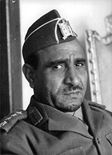 Abdullah al-SallalPersonAbdullah al-Sallal was a Yemeni army officer who led the coup of 26 September 1962 that overthrew Imam Muhammad al-Badr and ended the Mutawakkilite Kingdom.
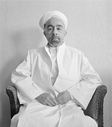 Abdullah I of JordanPersonAbdullah I of Jordan, a son of Sharif Hussein of Mecca, was a leader of the Arab Revolt and became emir of Transjordan under the British mandate in 1921.
 Abdullah ibn Husayn al-AhmarPersonAbdullah ibn Husayn al-Ahmar was paramount sheikh of the Hashid tribal confederation, the most powerful tribal leader in Yemen.
- Abdullah ibn RashidPersonAbdullah ibn Rashid was the founder of the Rashidi dynasty of Jabal Shammar in northern Arabia.
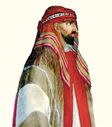 Abdullah ibn SaudPersonAbdullah ibn Saud was the last ruler of the Emirate of Diriyah, the first Saudi state, from 1814 to 1818.
- Abdullah II of JordanPersonAbdullah II of Jordan has been king since 1999, succeeding his father Hussein.
 Abdullah Khan IIPersonAbdullah Khan II was the most powerful ruler of the Shaybanid dynasty in Transoxiana, effectively in power from the 1550s and khan from 1583 to 1598.
- Abdullah Mukarram ShahPersonAbdullah Mukarram Shah was sultan of Kedah on the Malay Peninsula from 1778 to 1797.
- Abdullah of BaguirmiPersonAbdullah was mbang (king) of Baguirmi, south-east of Lake Chad, in the late 16th and early 17th centuries.
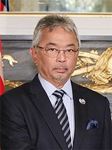 Abdullah of PahangPersonAbdullah of Pahang, Sultan Abdullah Ri'ayatuddin, became sultan of Pahang in January 2019 on the abdication of his father, Sultan Ahmad Shah.
- Abdullahi dan FodioPersonAbdullahi dan Fodio was the younger brother of Usman dan Fodio and a leading scholar, poet and commander of the jihad that created the Sokoto Caliphate in the early…
 Abdullahi IssaPersonAbdullahi Issa was a Somali politician of the Somali Youth League.
 Abdur Rahman KhanPersonAbdur Rahman Khan, the 'Iron Emir', ruled Afghanistan from 1880 to 1901 after the Second Anglo-Afghan War.
- Abdur Razzaq SamarqandiPersonAbdur Razzaq Samarqandi was a Persian historian and envoy of the Timurid ruler Shah Rukh.
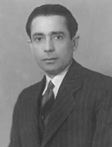 Abdurrahman MelekPersonAbdurrahman Melek was prime minister of the Hatay State, the short-lived republic formed in 1938 from the Sanjak of Alexandretta under French and Turkish supervision.
- Abdurrauf of SingkilPersonAbdurrauf of Singkil was a Malay Islamic scholar from Aceh in northern Sumatra.
 Abdyl FrashëriPersonAbdyl Frashëri was an Albanian politician and a leader of the League of Prizren, formed in 1878 to resist the partition of Albanian-inhabited lands after the…
- Abe clan of MutsuPeople / groupThe Abe clan of Mutsu was a powerful family in northern Honshu in the 11th century, holding the six districts of the Kitakami basin on behalf of the court.
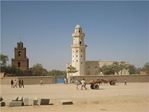 AbéchéPlaceAbéché is a city in eastern Chad that became the capital of the Wadai Empire.
 Abeid KarumePersonAbeid Karume was leader of the Afro-Shirazi Party and became President of Zanzibar after the revolution of January 1964 overthrew the sultan.
 Abel Aubert du Petit-ThouarsPersonAbel Aubert du Petit-Thouars was a French naval officer who extended French power in the Pacific.
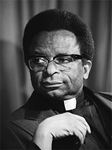 Abel MuzorewaPersonAbel Muzorewa was a Methodist bishop and Rhodesian politician who led the United African National Council.
 Abel, King of DenmarkPersonAbel was King of Denmark from 1250 to 1252 and before that Duke of Schleswig.
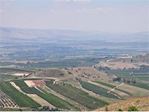 Abel-beth-maacahPlaceAbel-beth-maacah was an ancient town in the far north of Israel, near Metula, identified with the mound of Tel Abel Beth Maacah.
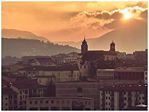 AbellinumPlaceAbellinum was an ancient town of the Hirpini in Campania, southern Italy, at modern Atripalda, next to Avellino, which takes its name from it.
 AbenakiPeople / groupThe Abenaki are an Algonquian-speaking Indigenous people of northern New England and southern Quebec, members of the Wabanaki Confederacy.
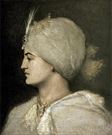 AbencerrajesPeople / groupThe Abencerrajes (Banu Sarraj) were a noble family of the Nasrid Emirate of Granada who were influential at court in the fifteenth century.
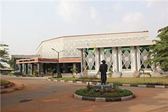 AbeokutaPlaceAbeokuta is a city in south-western Nigeria founded in the 1830s by Egba Yoruba refugees.
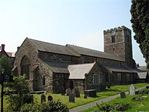 Aberconwy AbbeyWork / monumentAberconwy Abbey was a Cistercian monastery in north Wales, founded in 1186 and patronised by the princes of Gwynedd.
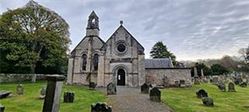 AbercornPlaceAbercorn is a village on the southern shore of the Firth of Forth in West Lothian, Scotland.
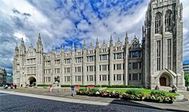 AberdeenPlaceAberdeen is a city and port in north-east Scotland, between the mouths of the rivers Dee and Don.
 AberdeenshirePlaceAberdeenshire is a council area and historic county of north-east Scotland, lying between the Grampian mountains and the North Sea around the city of Aberdeen.
 AberdyfiPlaceAberdyfi is a village at the mouth of the Dyfi on Cardigan Bay in Gwynedd, Wales.
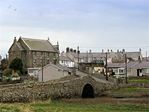 AberffrawPlaceAberffraw is a village on the south-west coast of Anglesey that served as the chief royal seat of the kings and princes of Gwynedd in the Middle Ages.
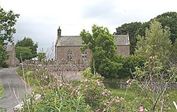 AberlemnoPlaceAberlemno is a village in Angus, eastern Scotland, known for its group of Pictish carved stones.
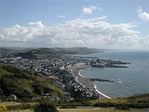 AberystwythPlaceAberystwyth is a town on Cardigan Bay in Ceredigion, Wales.
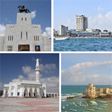 AbgaalPeople / groupThe Abgaal are a major Somali clan of the Hawiye clan family, belonging to its Hiraab branch and living mainly in and around Mogadishu and the middle Shabelle region.
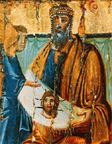 Abgar VPersonAbgar V was a king of Osroene who ruled from Edessa in the early 1st century CE.
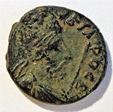 Abgar VIIIPersonAbgar VIII, called the Great, was king of Osroene, ruling from Edessa from about 177 to 212 CE.
 AbhaPlaceAbha is the capital of the Asir region in south-western Saudi Arabia, standing about 2,200 metres up in the Sarawat mountains.
 Abhai Singh of MarwarPersonAbhai Singh was the Rathore maharaja of Marwar, ruling from Jodhpur from 1724 to 1749.
 AbhijnanasakuntalamWork / monumentAbhijnanasakuntalam, often called Shakuntala, is a Sanskrit drama by the poet Kalidasa.
- Abhira peoplePeople / groupThe Abhiras were a pastoral people of western and central India mentioned in the Mahabharata, the Puranas and inscriptions.
- AbhirajaPersonAbhiraja is the legendary founder of the kingdom of Tagaung in Burmese chronicles.
- Abi-EshuhPersonAbi-Eshuh was a king of the First Dynasty of Babylon and a successor of Hammurabi's line.
- AbibaalPersonAbibaal was a king of Byblos in the tenth century BCE.
 AbidjanPlaceAbidjan is the largest city and economic capital of Ivory Coast, on the Ébrié Lagoon.
- Abikarib As'adPersonAbikarib As'ad was a king of Himyar in south Arabia in the late 4th and early 5th centuries.
- Abil OghluPersonAbil Oghlu was the Taranchi leader who became sultan of Ili in 1866, after the Taranchis turned on their Dungan allies in the revolt against Qing rule.
- AbilmambetPersonAbilmambet was a Kazakh khan of the Middle Juz from about 1739 until his death in 1771, residing at Turkestan.
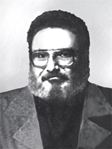 Abimael GuzmánPersonAbimael Guzmán was a Peruvian philosophy professor who founded and led the Maoist Shining Path, known to his followers as Chairman Gonzalo.
- AbimilkiPersonAbimilki was king of Tyre in the 14th century BCE, during the Amarna period, when the city was a vassal of Egypt.
- AbiodunPersonAbiodun was an Alaafin, or king, of the Oyo Empire who reigned c. 1770–1789.
- AbipaPersonAbipa was an Alaafin of Oyo who, around 1610, led the return of the Oyo court to its old capital Oyo-Ile after a long exile.
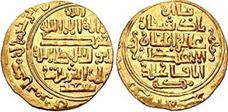 Abish KhatunPersonAbish Khatun was the last ruler of the Salghurid dynasty of Fars, in southern Iran, placed on the throne as a child in 1263 under Mongol supervision.
- Abishemu IPersonAbishemu I was a ruler of Byblos in the Middle Bronze Age, contemporary with the pharaoh Amenemhat III of Egypt's Twelfth Dynasty.
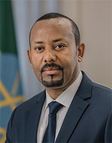 Abiy AhmedPersonAbiy Ahmed is an Ethiopian politician who became prime minister in 2018 after years of protests.
 Abkhaz peoplePeople / groupThe Abkhaz are a people of the north-western Caucasus who live mainly in Abkhazia, on the eastern coast of the Black Sea.
- AbnaPeople / groupThe Abna were the descendants of the Persian soldiers sent by the Sasanian king Khosrow I to Yemen around 570 to drive out its Aksumite rulers.
- Abolition of the Atlantic slave tradeEventThe abolition of the Atlantic slave trade refers to the outlawing of the transatlantic trade in enslaved Africans, beginning with the British Slave Trade Act of 1807…
 Abolition of the Ottoman sultanateEventThe abolition of the Ottoman sultanate was the decision of the Grand National Assembly in Ankara in 1922 to end the office of sultan.
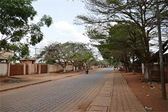 AbomeyPlaceAbomey is a town in southern Benin, the capital of the Kingdom of Dahomey from the seventeenth century until 1894.
- AbonnemaPlaceAbonnema is a town in Rivers State in the Niger Delta of Nigeria.
- Aboriginal AustraliansPeople / groupAboriginal Australians are the Indigenous peoples of mainland Australia and Tasmania, whose ancestors have lived on the continent for at least 50,000 years.
 Aboriginal TasmaniansPeople / groupAboriginal Tasmanians are the Indigenous people of Tasmania, isolated from the mainland when rising seas formed Bass Strait about 10,000 years ago.
- Aboud JumbePersonAboud Jumbe was a Zanzibari politician who became president of Zanzibar and first vice-president of Tanzania after the assassination of Abeid Karume in 1972.
 AbrahaPersonAbraha was an Aksumite general who seized power in Himyar, in Yemen, in the 530s and ruled it, nominally as a vassal of Aksum, until about 570.
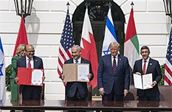 Abraham AccordsTreaty · Peace · 2020The Abraham Accords are agreements, brokered by the United States, by which Israel established diplomatic relations with Arab states, beginning with the United Arab…
 Abraham CrijnssenPersonAbraham Crijnssen was a Dutch naval commander from Zeeland.
 Abraham DavelPersonAbraham Davel was a Vaudois soldier and militia major who tried to free Vaud from the rule of Bern.
 Abraham DuquesnePersonAbraham Duquesne was a French naval commander, a Protestant from Dieppe, who became one of Louis XIV's leading admirals.
 Abraham FischerPersonAbraham Fischer was a politician of the Orange Free State and its successor, the Orange River Colony.
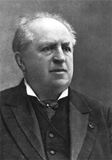 Abraham KuyperPersonAbraham Kuyper was a Dutch Reformed theologian, journalist and politician.