Encyclopedia: A
2,706 entries under A · page 27 of 28: Avanijanashraya Pulakeshin – Aztec–Purépecha war of 1479
- Avanijanashraya PulakeshinPersonAvanijanashraya Pulakeshin was a prince of the Gujarat branch of the Chalukyas of Badami, who governed southern Gujarat as a vassal of Vikramaditya II.
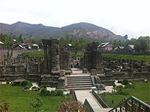 AvantipurPlaceAvantipur is a town on the Jhelum river in the Kashmir valley, south-east of Srinagar, founded by King Avantivarman of the Utpala dynasty, who reigned from 855 to 883.
- AvantiputraPersonAvantiputra was a king of Surasena, ruling from Mathura, named in early Buddhist texts.
- AvantivarmanPersonAvantivarman was king of Kashmir from 855 to 883 and founder of the Utpala dynasty, which replaced the Karkota line.
- Avar campaignCampaign · 791–803The Avar campaign was a series of wars waged by Charlemagne and his commanders against the Avar Khaganate in the Pannonian basin between 791 and 803.
- Avar RingPlaceThe Avar Ring was the fortified central residence of the khagans of the Avar Khaganate in the Pannonian plain, where they kept the treasure gathered from Byzantine…
- AvaricumPlaceAvaricum was the chief oppidum of the Bituriges Cubi in Gaul, on the site of modern Bourges.
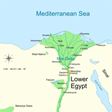 AvarisPlaceAvaris was an ancient city in the north-eastern Nile Delta, at the modern site of Tell el-Dab'a.
- AvarsPeople / groupThe Avars were a nomadic people who established a powerful khaganate in the Pannonian basin, roughly present-day Hungary, from the sixth century.
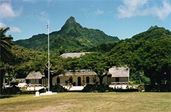 AvaruaPlaceAvarua is the capital of the Cook Islands, on the north coast of Rarotonga.
 AventicumPlaceAventicum was the capital of the Helvetii under Roman rule, on the site of the modern town of Avenches in western Switzerland, near Lake Murten.
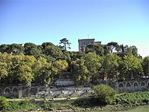 Aventine HillPlaceThe Aventine is the southernmost of the seven hills of Rome, beside the Tiber.
- Avenue of the DeadWork / monumentThe Avenue of the Dead is the main axis of Teotihuacan in central Mexico, a broad ceremonial way more than two kilometres long laid out in the early centuries CE.
 AverroesPersonAverroes, or Ibn Rushd, was an Andalusian philosopher, physician and judge of the twelfth century who served the Almohad caliphs.
 AveyronPlaceAveyron is a department in southern France, in the Occitanie region, covering most of the former province of Rouergue.
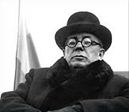 Avgustyn VoloshynPersonAvgustyn Voloshyn was a Greek Catholic priest, teacher and Ukrainian political leader in Subcarpathian Ruthenia.
- AvicennaPersonAvicenna, Ibn Sina, was a Persian philosopher and physician born near Bukhara under the Samanids.
- Avidius CassiusPersonGaius Avidius Cassius was a Roman general born in Syria.
- AvienusPersonAvienus (Rufius Festus Avienius) was a Latin poet of the 4th century CE who adapted Greek works on geography and astronomy into verse.
 AvignonPlaceAvignon is a city on the Rhône in Provence, southern France, the Avennio of the Cavares and of Roman Gaul.
 ÁvilaPlaceÁvila is a city in Castile and León, Spain, standing at more than 1,100 metres on the northern Meseta west of Madrid.
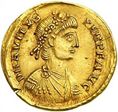 AvitusPersonAvitus was a Gallo-Roman aristocrat who became Western Roman emperor in 455 with the backing of the Visigothic king Theodoric II.
- AvongaraPeople / groupThe Avongara are the aristocratic ruling clan of the Zande peoples of Central Africa.
 AvranchesPlaceAvranches is a town in the Manche department of Normandy, north-western France, overlooking the bay of Mont-Saint-Michel.
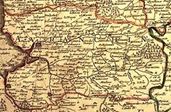 AvranchinPlaceThe Avranchin is the historic district around Avranches in south-western Normandy, France, facing Mont-Saint-Michel across the bay.
- AvungaraPeople / groupThe Avungara are the ruling aristocratic clan of the Zande people of north-central Africa.
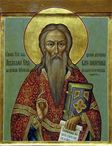 AvvakumPersonAvvakum Petrov was a Russian archpriest and leader of the Old Believers who opposed the liturgical reforms of Patriarch Nikon.
 Awa OdoriEventAwa Odori is a summer dance festival held in Tokushima, on the Japanese island of Shikoku, during the Obon season in August.
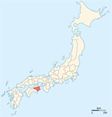 Awa Province (Tokushima)PlaceAwa was an old province of Japan in the east of the island of Shikoku, corresponding to present-day Tokushima Prefecture.
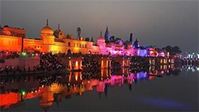 AwadhPlaceAwadh, or Oudh, is a region of north-central Uttar Pradesh in India, between the Ganges and the Himalayan foothills.
 Awaji IslandPlaceAwaji Island is the largest island of Japan's Inland Sea, lying between Honshu and Shikoku and now part of Hyogo Prefecture.
 Awami LeaguePeople / groupThe Awami League is a political party of Bangladesh, founded in Dhaka in 1949 as a rival to the Muslim League in East Pakistan.
- AwarikuPersonAwariku, called Urikki in Assyrian texts, was a king of Que (Hiyawa) on the Cilician plain in the 8th century BCE.
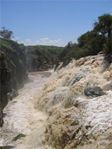 Awash RiverPlaceThe Awash River is a river in Ethiopia that flows from the central highlands towards the Afar lowlands.
- AwdaghastPlaceAwdaghast was a trading town in the southern Sahara, in present-day Mauritania, that served as a terminus of trans-Saharan caravan routes.
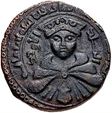 Al-Awhad AyyubPersonAl-Awhad Ayyub was an Ayyubid prince, son of al-Adil, who governed Mayyafariqin in Upper Mesopotamia for his father from about 1200.
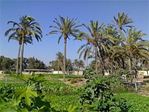 AwjilaPlaceAwjila is an oasis town in the Libyan Desert of eastern Libya, some 250 km inland from the Gulf of Sirte.
- Awlad al-baladPeople / groupThe awlad al-balad, meaning 'sons of the country', were the noble ruling elite of the Wadai Empire.
- AwoamefiaTermAwoamefia is the title of the paramount ruler of the Anlo Ewe of south-eastern Ghana, who resides at Anloga.
- AwolePersonAwole was an Alaafin of the Oyo Empire in the late eighteenth century.
- AworiPeople / groupThe Awori are a Yoruba subgroup of the coastal lagoons of south-western Nigeria, in present-day Lagos and Ogun states.
- AwrabaPeople / groupThe Awraba were a Berber tribal confederation of north-western Africa.
- AwujaleTermThe Awujale is the title of the paramount ruler of the Ijebu Kingdom, a Yoruba state in south-western Nigeria with its seat at Ijebu-Ode.
 Awwam TempleWork / monumentThe Awwam Temple, known in Arabic as Mahram Bilqis, is the great sanctuary of the god Almaqah near Marib in Yemen.
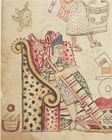 AxayacatlPersonAxayacatl was the sixth tlatoani of Tenochtitlan, ruling in the later fifteenth century.
 Axel OxenstiernaPersonAxel Oxenstierna was Lord High Chancellor of Sweden from 1612 until his death in 1654.
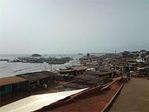 AximPlaceAxim is a coastal town in the Western Region of Ghana.
 Axis powersPeople / groupThe Axis powers were the alliance of Germany, Italy and Japan, with other partners, that fought the Allies in the Second World War.
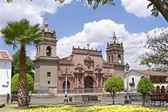 AyacuchoPlaceAyacucho is a city in the central highlands of southern Peru and the capital of the region of the same name.
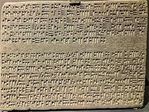 AyanisPlaceAyanis is the site of a Urartian fortress on the eastern shore of Lake Van in eastern Turkey, founded by Rusa II in the seventh century BCE and known in antiquity as…
 AyarmacaPeople / groupThe Ayarmaca were an Andean people whose lordship, centred north-west of Cusco in Peru, was one of the main rivals of the early Inca kingdom.
- Ayas (Cilicia)PlaceAyas, the Laiazzo of Italian merchants, is a port on the Gulf of İskenderun in southern Turkey, now the town of Yumurtalık.
- AyawasoPlaceAyawaso was the inland capital of the Ga kingdom on the Accra plains of present-day Ghana.
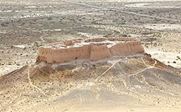 Ayaz-KalaPlaceAyaz-Kala is a group of fortresses on and around a hill at the edge of the Kyzylkum Desert in Karakalpakstan, north-western Uzbekistan.
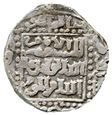 AybakPersonAybak, or Izz al-Din Aybak, was a Mamluk commander who became the first sultan of the Mamluk Sultanate in Egypt in 1250.
- Aydınoğlu Mehmed BeyPersonAydınoğlu Mehmed Bey was a commander in the service of the Germiyanids who founded the Aydinid beylik in western Anatolia around 1308.
- Ayia IriniPlaceAyia Irini is a Bronze Age settlement on a small peninsula in the bay of Agios Nikolaos on the island of Kea, in the Cyclades, Greece.
- Ayia TriadaPlaceAyia Triada is a Minoan archaeological site in southern Crete, about three kilometres west of the palace of Phaistos.
- Ayios VasileiosPlaceAyios Vasileios is a Mycenaean palace site near Xirokambi, south of Sparta in Laconia, Greece.
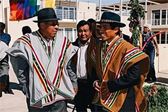 AymaraPeople / groupThe Aymara are an Indigenous people of the Andean altiplano around Lake Titicaca, in Bolivia, Peru and Chile, speaking the Aymara language.
- AyodhyaPlaceAyodhya is a city on the Sarayu River in Uttar Pradesh, India, revered by Hindus as the birthplace and capital of Rama in the Ramayana.
 AyraratPlaceAyrarat was a central province of historic Armenia, in the plain of the Aras river around Mount Ararat.
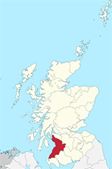 AyrshirePlaceAyrshire is a historic county in south-west Scotland, on the Firth of Clyde, divided into the districts of Carrick, Kyle and Cunninghame.
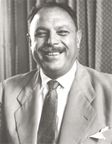 Ayub KhanPersonAyub Khan was a Pakistani general who became commander-in-chief in 1951 and seized power in the coup of October 1958, ruling as president until 1969.
- Ayudha dynastyStateThe Ayudha dynasty ruled Kannauj in the late eighth and early ninth centuries CE, when the city was the prize of the tripartite struggle between the Pratiharas, Palas…
 Ayuka KhanPersonAyuka Khan was ruler of the Kalmyks on the lower Volga from 1669 to 1724, the most powerful leader of the Kalmyk Khanate.
 Ayung RiverPlaceThe Ayung is the longest river on Bali, Indonesia, flowing south from the central highlands past Ubud to the sea near Sanur.
 Ayurbarwada Buyantu KhanPersonAyurbarwada Buyantu Khan, known by the temple name Renzong, was emperor of the Yuan dynasty from 1311 to 1320.
 AyushiridaraPersonAyushiridara, known as Biligtü Khan, was the son of Toghon Temür, the last Yuan emperor of China, and ruled the Northern Yuan in Mongolia from 1370 to 1378.
 Ayutthaya KingdomStateThe Ayutthaya Kingdom was a Siamese state founded in 1351 in central Thailand.
 Ayyanadikal ThiruvadikalPersonAyyanadikal Thiruvadikal was the ruler of Venad in southern Kerala in the mid-ninth century, under the overlordship of the Chera Perumal king Sthanu Ravi.
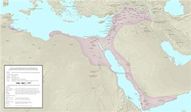 Ayyubid EmpireStateThe Ayyubid Empire was a Sunni Muslim dynasty founded by Saladin, who ended the Fatimid Caliphate in Egypt in 1171 and united Egypt and Syria.
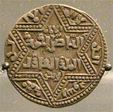 Az-Zahir GhaziPersonAz-Zahir Ghazi was a son of Saladin and Ayyubid ruler of Aleppo from 1186 to 1216.
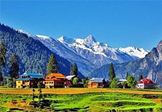 Azad KashmirPlaceAzad Kashmir is a self-governing territory administered by Pakistan in the western part of the former princely state of Jammu and Kashmir, with its capital at…
- Azad Khan AfghanPersonAzad Khan Afghan was an Afghan commander who rose to power in north-western Iran after the death of Nader Shah.
 Azai HisamasaPersonAzai Hisamasa was a Japanese daimyo of northern Ōmi province, son of Azai Sukemasa and father of Azai Nagamasa.
 Azai NagamasaPersonAzai Nagamasa was a Japanese daimyo of northern Ōmi province who led the Azai clan from 1560.
 Azai SukemasaPersonAzai Sukemasa was a Japanese warlord of the Sengoku period who founded the power of the Azai clan in northern Ōmi province.
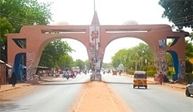 AzarePlaceAzare is a town in Bauchi State in northern Nigeria.
- AzariqaPeople / groupThe Azariqa were the most militant faction of the Kharijites, named after their leader Nafi ibn al-Azraq, who broke away at Basra around 684.
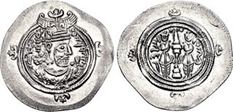 AzarmidokhtPersonAzarmidokht was a Sasanian queen who ruled briefly around 630–631, during a period of rapid succession after the death of Khosrow II.
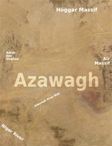 AzawaghPlaceThe Azawagh is a dry basin and a fossil river valley in the southern Sahara and Sahel, mainly in north-western Niger with parts in Mali and Algeria.
 AzazPlaceAzaz is a town in north-western Syria, north of Aleppo near the Turkish border.
 AzcapotzalcoPlaceAzcapotzalco was the capital of the Tepanec state in the Valley of Mexico, which dominated the region in the late fourteenth and early fifteenth centuries.
 AzdPeople / groupThe Azd were a major group of Arab tribes originating in South Arabia.
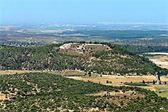 AzekahPlaceAzekah was an ancient fortified town in the Shephelah, the low hills of Judah, at Tel Azekah in present-day Israel.
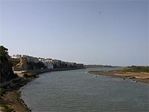 AzemmourPlaceAzemmour is a town on the Oum Er-Rbia river near its mouth on the Atlantic coast of Morocco.
 AzerbaijanPlaceAzerbaijan is a region of the southern Caucasus and north-western Iran, centred historically on Tabriz.
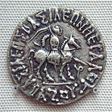 Azes IPersonAzes I was an Indo-Scythian king of north-western India in the 1st century BCE who ruled over Gandhara and the Punjab.
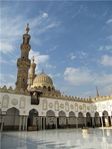 Al-AzharWork / monumentAl-Azhar is a mosque in Cairo begun in 970 under the Fatimid Caliphate, soon after the founding of the city.
- Azim ud-Din I of SuluPersonAzim ud-Din I, also called Alimuddin I, was Sultan of Sulu in the eighteenth century.
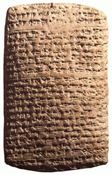 AziruPersonAziru was the ruler of Amurru in the fourteenth century BCE and the son of Abdi-Ashirta.
 al-AzizPersonAl-Aziz is a name borne by two different rulers mentioned on the site.
- al-Aziz BillahPersonAl-Aziz Billah was the fifth Fatimid caliph and the first to begin his reign in Egypt, ruling from 975 to 996.
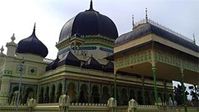 Azizi MosqueWork / monumentThe Azizi Mosque is a mosque at Tanjung Pura in Langkat Regency, North Sumatra, Indonesia, built from 1899 to 1902 by Sultan Abdul Aziz of Langkat.
 Aznar Galíndez IPersonAznar Galíndez I was the first known count of Aragon, ruling the small county around Jaca in the central Pyrenees in the early 9th century under Frankish protection.
 AzoresPlaceThe Azores are an archipelago of nine volcanic islands in the North Atlantic, about 1,400 kilometres west of mainland Portugal.
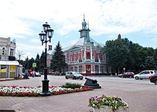 AzovPlaceAzov is a town in Rostov oblast, southern Russia, on the Don near the Sea of Azov.
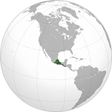 Aztec EmpireStateThe Aztec Empire was the Triple Alliance of Tenochtitlan, Texcoco and Tlacopan, formed in 1428 in the Valley of Mexico and dominated by the Mexica of Tenochtitlan.
- Aztec–Purépecha war of 1479Campaign · 1479The Aztec–Purépecha war of 1479 was a military campaign by the Aztec ruler Axayacatl against the Purépecha (Tarascan) kingdom to the west.