Encyclopedia: F
934 entries under F · page 6 of 10: Forum Hadriani – Francisco de Sande
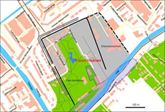 Forum HadrianiPlaceForum Hadriani was a Roman town in the Rhine delta, at modern Voorburg near The Hague in the Netherlands.
 Fossa CarolinaWork / monumentThe Fossa Carolina was a canal that Charlemagne ordered dug in 793 near Treuchtlingen in Bavaria to link the Rhine and Danube river systems through the Altmühl and the…
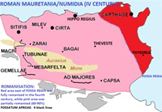 Fossa RegiaWork / monumentThe Fossa Regia was a boundary ditch dug by the Romans after the destruction of Carthage in 146 BCE to mark the frontier between their new province of Africa and the…
 Fossatum AfricaeWork / monumentThe Fossatum Africae was a system of ditches, earth banks and walls built by the Romans along the southern edge of their North African provinces, in modern Algeria and…
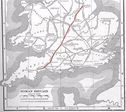 Fosse WayWork / monumentThe Fosse Way was a Roman road in Britain running about 370 kilometres from Exeter through Bath, Cirencester and Leicester to Lincoln.
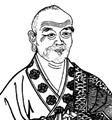 FotudengPersonFotudeng was a Buddhist monk from Central Asia, probably Kucha, who arrived in Luoyang in 310.
 FougèresPlaceFougères is a town in the Ille-et-Vilaine department of north-eastern Brittany.
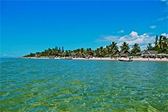 FoulpointePlaceFoulpointe, in Malagasy Mahavelona, is a coastal town on the east coast of Madagascar north of Toamasina.
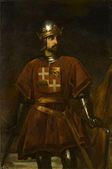 Foulques de VillaretPersonFoulques de Villaret was Grand Master of the Knights Hospitaller from 1305 to 1319.
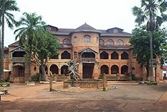 FoumbanPlaceFoumban is a city in the West Region of Cameroon and the historic capital of the Bamum kingdom.
 Fountain of ArethusaPlaceThe Fountain of Arethusa is a freshwater spring on the island of Ortygia in Syracuse, Sicily, rising a few metres from the sea.
- The Fountain of BakhchisarayWork / monumentThe Fountain of Bakhchisaray is a narrative poem by Alexander Pushkin, written in 1821–1823 and published in 1824.
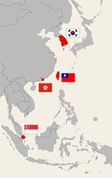 Four Asian TigersTermThe Four Asian Tigers are Hong Kong, Singapore, South Korea and Taiwan, economies that industrialised rapidly from the 1960s to the 1990s.
- Four CommunesPlaceThe Four Communes were the colonial towns of Saint-Louis, Gorée, Rufisque and Dakar in Senegal, whose inhabitants, the originaires, enjoyed French civil and political…
- Four estates (Sasanian)InstitutionThe four estates were the social classes of the Sasanian Empire: priests, warriors, scribes and commoners such as peasants and artisans.
 Four Garrisons of AnxiInstitutionThe Four Garrisons of Anxi were Tang dynasty military posts in the Tarim Basin, usually Kucha, Khotan, Kashgar and Karasahr, under the Protectorate General to Pacify…
- Four Members of FlandersInstitutionThe Four Members of Flanders were the bodies that spoke for the County of Flanders in its dealings with its rulers: the great cities of Ghent, Bruges and Ypres, joined…
 Four Year PlanEventThe Four Year Plan was an economic programme launched by Nazi Germany in 1936 under Hermann Göring to make the country ready for war within four years.
- Four-class systemReligion / ideaThe four-class system was the ethnic hierarchy of the Yuan Dynasty, ranking subjects as Mongols, semu (various Central and Western Asian peoples), Han (northern…
 Fourah Bay CollegeInstitutionFourah Bay College is a college in Freetown, Sierra Leone, founded by the Church Missionary Society in 1827, the first Western-style institution of higher learning in…
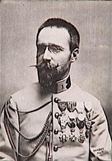 Foureau–Lamy MissionCampaign · 1898–1900The Foureau–Lamy Mission was a French military and scientific expedition of 1898–1900 led by the explorer Fernand Foureau and Commandant François Lamy.
 Fourteen PointsWork / monumentThe Fourteen Points were a statement of principles for peace issued by US President Woodrow Wilson in 1918.
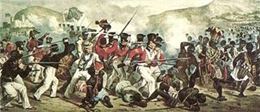 Fourth Anglo-Ashanti WarWar · 1895–96The Fourth Anglo-Ashanti War of 1895–96 was a British expedition against the Ashanti Empire.
 Fourth Anglo-Dutch WarWar · 1780–1784The Fourth Anglo-Dutch War was fought in 1780–1784 between Britain and the Dutch Republic, linked to Dutch trade with the American rebels.
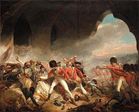 Fourth Anglo-Mysore WarWar · 1798–1799The Fourth Anglo-Mysore War was fought in 1798–1799 between Tipu Sultan of Mysore and the East India Company, allied with the Nizam of Hyderabad.
 Fourth Council of the LateranEventThe Fourth Council of the Lateran was held in Rome in November 1215 under Pope Innocent III.
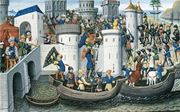 Fourth CrusadeCampaign · 1204The Fourth Crusade was a Western expedition that, instead of reaching the Holy Land, sacked Constantinople in 1204.
- Fourth Syrian WarWar · 219–217 BCEThe Fourth Syrian War (219–217 BCE) was fought between the Seleucid king Antiochus III and Ptolemy IV of Egypt for control of Coele-Syria.
- Fourth UniversalWork / monumentThe Fourth Universal of the Central Rada was the proclamation, dated 22 January 1918, by which the Ukrainian People's Republic declared itself an independent and…
 FourvièrePlaceFourvière is a hill in Lyon, France, overlooking the confluence of the Saône and Rhône.
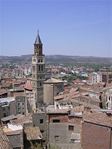 FragaPlaceFraga is a town in the province of Huesca in Aragon, north-eastern Spain, on the Cinca River.
 Franc of BrugesPlaceThe Franc of Bruges was the rural castellany surrounding Bruges in the County of Flanders, which governed itself through its own aldermen.
- FrançafriqueReligion / ideaFrançafrique is a term for the close and often informal political, economic and military ties that France maintained with its former African colonies after independence.
 FrancePlaceFrance is a country in western Europe that grew from the western part of the Carolingian Empire.
 France PrešerenPersonFrance Prešeren was a Romantic poet and the national poet of Slovenia.
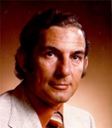 France-Albert RenéPersonFrance-Albert René was a Seychellois lawyer and socialist leader who became prime minister at independence in 1976.
 Frances Nelson, Viscountess NelsonPersonFrances Nelson, Viscountess Nelson, born Frances Woolward on Nevis, was the wife of Horatio Nelson.
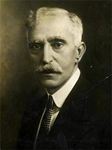 Francesc MaciàPersonFrancesc Macià was a Spanish army officer turned Catalan nationalist who founded Estat Català and led the Republican Left of Catalonia.
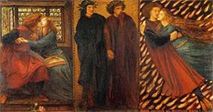 Francesca da RiminiPersonFrancesca da Rimini, born Francesca da Polenta, was the daughter of Guido da Polenta, lord of Ravenna, and was married for political reasons to Giovanni Malatesta…
 Francesco Bussone da CarmagnolaPersonFrancesco Bussone, called Carmagnola after his birthplace in Piedmont, was a condottiere who reconquered much of Lombardy for Filippo Maria Visconti, duke of Milan.
- Francesco CaraccioloPersonFrancesco Caracciolo was a Neapolitan admiral who commanded the navy of the Parthenopean Republic in 1799.
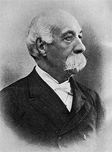 Francesco CrispiPersonFrancesco Crispi was an Italian statesman, a Sicilian veteran of Garibaldi's Expedition of the Thousand, who was prime minister in 1887–1891 and 1893–1896.
 Francesco di Marco DatiniPersonFrancesco di Marco Datini was a merchant of Prato who made his fortune in Avignon and built a network of companies across Italy, Spain and southern France.
 Francesco Farnese, Duke of ParmaPersonFrancesco Farnese was duke of Parma and Piacenza from 1694 to 1727.
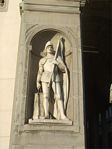 Francesco FerrucciPersonFrancesco Ferrucci (1489–1530) was a Florentine military commander during the siege of Florence in 1529–1530, when the last republic resisted the imperial and papal…
 Francesco FoscariPersonFrancesco Foscari was Doge of Venice from 1423 to 1457, the longest reign of any doge.
 Francesco GuicciardiniPersonFrancesco Guicciardini (1483–1540) was a Florentine historian, diplomat and statesman.
 Francesco I GattilusioPersonFrancesco I Gattilusio was a Genoese adventurer who helped the Byzantine emperor John V Palaiologos regain his throne from John VI Kantakouzenos in 1354.
- Francesco II OrdelaffiPersonFrancesco II Ordelaffi was lord of Forlì and Cesena and a leading Ghibelline of Romagna.
 Francesco II SforzaPersonFrancesco II Sforza was the last Sforza duke of Milan, a son of Ludovico Sforza.
- Francesco JacomoniPersonFrancesco Jacomoni was an Italian diplomat who served as minister in Tirana before the Italian invasion of 1939 and then as lieutenant-general of the King in Albania…
- Francesco ManfrediPersonFrancesco Manfredi was a Guelph noble who became lord of Faenza in Romagna in 1313, founding the Manfredi lordship over the city.
 Francesco Maria I della RoverePersonFrancesco Maria I della Rovere was a nephew of Pope Julius II, who arranged his adoption by Guidobaldo da Montefeltro.
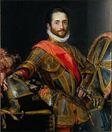 Francesco Maria II della RoverePersonFrancesco Maria II della Rovere was the last Duke of Urbino, ruling from 1574.
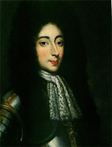 Francesco Maria PicoPersonFrancesco Maria Pico (1688–1747) was the last Duke of Mirandola.
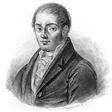 Francesco Mario PaganoPersonFrancesco Mario Pagano was a Neapolitan jurist and Enlightenment philosopher, author of the Saggi politici.
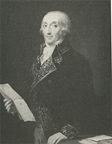 Francesco Melzi d'ErilPersonFrancesco Melzi d'Eril was a Milanese aristocrat and statesman who served as vice-president of the Italian Republic from 1802 to 1805, under Napoleon as president.
 Francesco MorosiniPersonFrancesco Morosini was a Venetian admiral who defended Candia during the long Ottoman siege before surrendering it in 1669.
 Francesco Novello da CarraraPersonFrancesco Novello da Carrara was the last Carrara lord of Padua.
- Francesco PicoPersonFrancesco Pico was the first member of the Pico family to rule Mirandola, north of Modena, named imperial vicar there by the Emperor Henry VII in 1311.
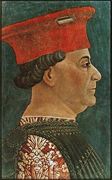 Francesco SforzaPersonFrancesco Sforza was an Italian condottiere, son of Muzio Attendolo Sforza, who married Bianca Maria, daughter of Duke Filippo Maria Visconti of Milan.
- Franchino RuscaPersonFranchino Rusca was the head of the Ghibelline Rusca family and lord of Como in the early 14th century, after long struggles with the Guelph Vittani.
- FranciaPlaceFrancia was the realm of the Franks in western Europe, covering much of present-day France, the Low Countries and western Germany.
 Francis Burton HarrisonPersonFrancis Burton Harrison was an American Democratic politician who served as Governor-General of the Philippines from 1913 to 1921 under President Woodrow Wilson.
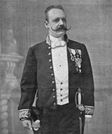 Francis DhanisPersonFrancis Dhanis was a Belgian officer of the Congo Free State who commanded its forces in the Congo Arab war of 1892–1894, taking Nyangwe and Kasongo.
 Francis DrakePersonFrancis Drake (c. 1540–1596) was an English sea captain and privateer who raided Spain's American empire.
- Francis FarewellPersonFrancis Farewell was a former British naval officer who in 1824 led a small party of traders from the Cape to Port Natal, founding the settlement that became Durban.
 Francis GarnierPersonFrancis Garnier was a French naval officer and explorer.
- Francis IPersonFrancis I was king of France from 1515 to 1547, a patron of the Renaissance and a rival of the Habsburg emperor Charles V.
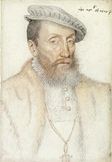 Francis I, Duke of NeversPersonFrancis I, Duke of Nevers, born François de Clèves, was a French nobleman and soldier of the house of Cleves, which had held the county of Nevers since 1491.
 Francis I, Holy Roman EmperorPersonFrancis I (1708–1765), born Francis Stephen, was Duke of Lorraine from 1729 until 1737, when he gave up the duchy under the settlement of the War of the Polish…
- Francis IIPersonFrancis II was the last Holy Roman Emperor.
 Francis II RákócziPersonFrancis II Rákóczi was a Hungarian noble who led the Rákóczi's War of Independence against Habsburg rule from 1703 to 1711.
 Francis III, Duke of BrittanyPersonFrancis III was duke of Brittany from 1524 to 1536, the eldest son of Francis I of France and Claude of France, known as the Dauphin Francis.
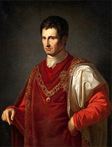 Francis IV, Duke of ModenaPersonFrancis IV (1779–1846) was Duke of Modena and Reggio from 1814, the first ruler of the House of Austria-Este, and from 1829 also Duke of Massa and Carrara.
 Francis LightPersonFrancis Light was a British trader and naval officer who founded the British settlement on Penang in 1786.
- Francis NicholsonPersonFrancis Nicholson was an English army officer and colonial administrator who governed several American colonies.
- Francis PeirsonPersonFrancis Peirson was a British army officer who commanded the troops in Jersey when a French force under Philippe de Rullecourt seized Saint Helier on 6 January 1781.
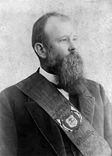 Francis William ReitzPersonFrancis William Reitz was a lawyer, politician and poet who served as president of the Orange Free State from 1889 until ill health forced his resignation in 1895.
- Francis Willoughby, 5th Baron Willoughby of ParhamPersonFrancis Willoughby, 5th Baron Willoughby of Parham, was an English nobleman and royalist governor of Barbados.
 Francis XavierPersonFrancis Xavier was a Navarrese priest and co-founder of the Society of Jesus who became the leading Catholic missionary in Asia.
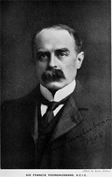 Francis YounghusbandPersonFrancis Younghusband was a British army officer and explorer of Central Asia.
 Francis, Duke of GuisePersonFrancis, Duke of Guise, was a French general and leader of the Catholic party.
 Francis, Duke of TeckPersonFrancis, Duke of Teck, was the son of Duke Alexander of Württemberg and a Hungarian countess; because of this unequal marriage he was excluded from the Württemberg…
 FranciscansPeople / groupThe Franciscans are the Catholic religious orders that follow the rule of Francis of Assisi, approved by the papacy between 1209 and 1223, chief among them the Order of…
- Francisco Álvarez de ToledoPersonFrancisco Álvarez de Toledo was viceroy of Peru from 1569 to 1581 and the chief organiser of Spanish colonial rule in the Andes.
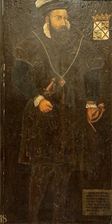 Francisco BarretoPersonFrancisco Barreto was a Portuguese soldier and administrator who governed Portuguese India from 1555 to 1558.
- Francisco CombesPersonFrancisco Combes was a Spanish Jesuit missionary in the southern Philippines.
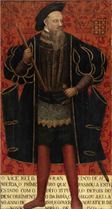 Francisco de AlmeidaPersonFrancisco de Almeida was a Portuguese nobleman and the first viceroy of Portuguese India.
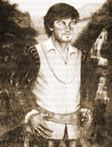 Francisco de IbarraPersonFrancisco de Ibarra was a Basque explorer funded by his uncle Diego de Ibarra, one of the founders of the silver town of Zacatecas.
- Francisco de Lacerda e AlmeidaPersonFrancisco José de Lacerda e Almeida was a Brazilian-born Portuguese mathematician and explorer.
 Francisco de Lima e SilvaPersonFrancisco de Lima e Silva was a Brazilian general and politician.
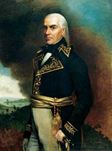 Francisco de MirandaPersonFrancisco de Miranda was a Venezuelan revolutionary who served in the American and French revolutionary wars.
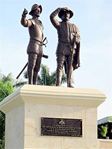 Francisco de MontejoPersonFrancisco de Montejo was a Spanish conquistador who served under Hernán Cortés and in 1526 received a royal contract to conquer Yucatán.
- Francisco de Montejo the NephewPersonFrancisco de Montejo the Nephew was a Spanish conquistador, nephew of the adelantado Francisco de Montejo, who took part in the final conquest of Yucatán in the 1540s.
 Francisco de Montejo the YoungerPersonFrancisco de Montejo the Younger was a Spanish conquistador, son of the adelantado Francisco de Montejo.
 Francisco de OrellanaPersonFrancisco de Orellana was a Spanish conquistador who made the first known European descent of the Amazon River.
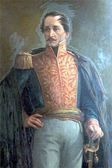 Francisco de Paula SantanderPersonFrancisco de Paula Santander was a New Granadan general of the wars of independence who fought beside Simón Bolívar at Boyacá in 1819.
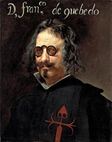 Francisco de QuevedoPersonFrancisco de Quevedo was a Spanish poet, satirist and prose writer of the Golden Age.
- Francisco de SandePersonFrancisco de Sande was a Spanish lawyer and colonial official who served as governor-general of the Philippines from 1575 to 1580.