Encyclopedia: F
941 entries under F · page 8 of 10: Fredegund – French conquest of Corsica
- FredegundPersonFredegund was queen of the Franks as the wife of Chilperic I, king of Neustria, rising from servant to queen after the murder of his previous wife Galswintha.
- FredeloPersonFredelo was a Frankish count of Toulouse in the mid-ninth century.
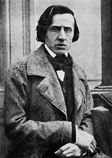 Frédéric ChopinPersonFrédéric Chopin was a Polish composer and virtuoso pianist of the early Romantic period who wrote primarily for solo piano.
- Frederic HodgsonPersonFrederic Hodgson was the British governor of the Gold Coast at the end of the nineteenth century.
 Frédéric Maurice de La Tour d'AuvergnePersonFrédéric Maurice de La Tour d'Auvergne, Duke of Bouillon and Prince of Sedan, was the elder brother of Marshal Turenne.
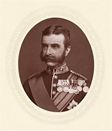 Frederic Thesiger, 2nd Baron ChelmsfordPersonFrederic Thesiger, 2nd Baron Chelmsford, was a British general who commanded the invasion of Zululand in the Anglo-Zulu War of 1879.
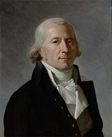 Frédéric-César de La HarpePersonFrédéric-César de La Harpe was a Swiss political leader from Vaud and tutor to the future Tsar Alexander I of Russia.
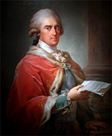 Frederick Augustus I of SaxonyPersonFrederick Augustus I was elector of Saxony from 1763 and became its first king in 1806 as an ally of Napoleon.
 Frederick Augustus I, Duke of OldenburgPersonFrederick Augustus of Holstein-Gottorp was prince-bishop of Lübeck and a kinsman of the Russian imperial family.
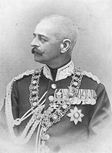 Frederick Augustus II, Grand Duke of OldenburgPersonFrederick Augustus II was the last Grand Duke of Oldenburg, reigning from 1900 to 1918 over Oldenburg and its exclaves, the Principality of Lübeck and the Principality…
 Frederick Augustus III of SaxonyPersonFrederick Augustus III was the last King of Saxony, reigning from 1904 to 1918.
 Frederick Augustus, Duke of NassauPersonFrederick Augustus was prince of Nassau-Usingen from 1803 and, when it united with Nassau-Weilburg in 1806, the first duke of Nassau within Napoleon's Confederation of…
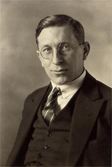 Frederick BantingPersonFrederick Banting was a Canadian physician who, with Charles Best and colleagues at the University of Toronto, isolated insulin in 1921–1922, turning diabetes from a…
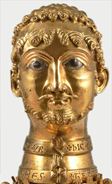 Frederick BarbarossaPersonFrederick Barbarossa was Holy Roman Emperor in the twelfth century.
 Frederick Christian, Elector of SaxonyPersonFrederick Christian was Elector of Saxony for about ten weeks in 1763, succeeding his father Augustus III after the Seven Years' War.
 Frederick CoyettPersonFrederick Coyett was a Swedish-born official of the Dutch East India Company and the last governor of Dutch Formosa, from 1656 to 1662.
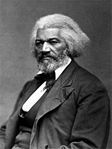 Frederick DouglassPersonFrederick Douglass was an American abolitionist, writer and statesman who escaped slavery in Maryland in 1838 and became the most influential African American of the…
- Frederick Francis IV, Grand Duke of Mecklenburg-SchwerinPersonFrederick Francis IV was the last Grand Duke of Mecklenburg-Schwerin, reigning from 1897 to 1918, and from February 1918 also regent of Mecklenburg-Strelitz.
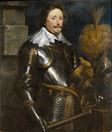 Frederick Henry, Prince of OrangePersonFrederick Henry, Prince of Orange, was stadtholder of most provinces of the Dutch Republic from 1625 to 1647.
 Frederick I of DenmarkPersonFrederick I was king of Denmark from 1523 and of Norway from 1524 until 1533, a younger son of Christian I and duke of Schleswig-Holstein.
 Frederick I of PrussiaPersonFrederick I of Prussia succeeded as Elector Frederick III of Brandenburg in 1688.
 Frederick I of WürttembergPersonFrederick I was the last duke and first king of Württemberg.
- Frederick I, Burgrave of NurembergPersonFrederick I was a count of Zollern, as Frederick III, who became burgrave of Nuremberg around 1192 through his marriage to Sophia of Raabs, heiress of the previous…
 Frederick I, Duke of AnhaltPersonFrederick I succeeded his father Leopold IV Frederick as duke of Anhalt in 1871 and reigned until his death.
 Frederick I, Duke of WürttembergPersonFrederick I, Duke of Württemberg, ruled the County of Montbéliard from 1581 and inherited the Duchy of Württemberg in 1593.
 Frederick I, Elector of BrandenburgPersonFrederick I, Elector of Brandenburg, was a Hohenzollern burgrave of Nuremberg who supported Sigismund's election as king.
 Frederick I, Elector of SaxonyPersonFrederick I, called the Warlike, was a Wettin margrave of Meissen who became the first Wettin Elector of Saxony.
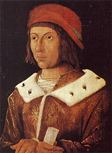 Frederick I, Elector PalatinePersonFrederick I, Elector Palatine, called the Victorious, governed the Palatinate from 1451 as guardian of his nephew and then as elector in his own right.
 Frederick I, Grand Duke of BadenPersonFrederick I ruled Baden as regent from 1852 and as grand duke from 1856 until his death.
 Frederick I, Landgrave of Hesse-HomburgPersonFrederick I was the youngest son of Landgrave George I of Hesse-Darmstadt.
- Frederick IIPersonFrederick II was Holy Roman Emperor and King of Sicily in the thirteenth century.
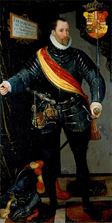 Frederick II of DenmarkPersonFrederick II was king of Denmark and Norway from 1559.
 Frederick II of LegnicaPersonFrederick II of Legnica was a Silesian Piast duke who ruled Legnica and from 1521 also Brzeg.
 Frederick II, Elector of BrandenburgPersonFrederick II, called Irontooth, was Elector of Brandenburg from 1440 to 1470, son of Frederick I.
 Frederick II, Grand Duke of BadenPersonFrederick II was the last Grand Duke of Baden, reigning from 1907 to 1918, the son of Frederick I and a grandson of Emperor William I.
 Frederick III of DenmarkPersonFrederick III was king of Denmark and Norway from 1648 to 1670.
- Frederick III of NurembergPersonFrederick III of Nuremberg was a Hohenzollern burgrave of Nuremberg who helped secure the election of Rudolf of Habsburg as King of the Romans in 1273.
- Frederick III of WiedPersonFrederick III of Wied was a German count who founded the town of Neuwied on the Rhine in 1653, near a village ruined in the Thirty Years' War.
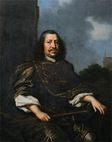 Frederick III, Duke of Holstein-GottorpPersonFrederick III, Duke of Holstein-Gottorp, ruled from 1616 to 1659 and kept a cultured Lutheran court at Gottorp.
 Frederick III, Elector of SaxonyPersonFrederick III, Elector of Saxony, known as Frederick the Wise, ruled the Ernestine electorate from 1486 to 1525.
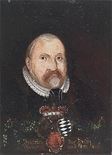 Frederick III, Elector PalatinePersonFrederick III, Elector Palatine, called the Pious, came from the Palatinate-Simmern line and became elector in 1559.
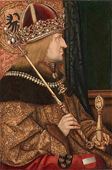 Frederick III, Holy Roman EmperorPersonFrederick III was a Habsburg duke of Inner Austria who became King of the Romans in 1440 and the last emperor crowned in Rome, in 1452.
 Frederick III, Prince of Salm-KyrburgPersonFrederick III, Prince of Salm-Kyrburg, was a German prince who lived mainly in Paris, where he built the Hôtel de Salm, now the Palace of the Legion of Honour.
 Frederick IV, Duke of AustriaPersonFrederick IV, Duke of Austria, of the Habsburg dynasty, ruled Tyrol and the Habsburg lands in Further Austria.
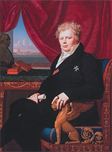 Frederick IV, Duke of Saxe-Gotha-AltenburgPersonFrederick IV, Duke of Saxe-Gotha-Altenburg, was the last ruler of his line, succeeding his brother Augustus in 1822.
- Frederick IV, Prince of Salm-KyrburgPersonFrederick IV was the last reigning Prince of Salm-Kyrburg, a small German princely house of the Holy Roman Empire.
 Frederick LugardPersonFrederick Lugard was a British colonial administrator who became high commissioner of the Protectorate of Northern Nigeria in 1900.
 Frederick MiddletonPersonSir Frederick Middleton was a British army officer who commanded the Canadian militia from 1884 to 1890.
 Frederick MossPersonFrederick Moss was a New Zealand politician who served as British Resident in the Cook Islands from 1891 to 1898.
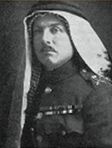 Frederick PeakePersonFrederick Peake, known as Peake Pasha, was a British army officer who founded and commanded the Arab Legion, the army of the Emirate of Transjordan, from the early…
 Frederick Roberts, 1st Earl RobertsPersonFrederick Roberts, 1st Earl Roberts, was a British field marshal.
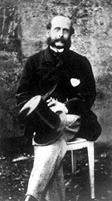 Frederick SeymourPersonFrederick Seymour was a British colonial official who succeeded James Douglas as governor of the mainland Colony of British Columbia in 1864.
- Frederick Stanley ArnotPersonFrederick Stanley Arnot (1858–1914) was a Scottish missionary of the Plymouth Brethren who travelled widely in south-central Africa.
 Frederick the FairPersonFrederick the Fair was a Habsburg Duke of Austria and Styria from 1308 and German anti-king from 1314, elected by one faction against Louis IV of Bavaria.
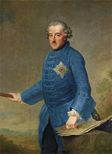 Frederick the GreatPersonFrederick the Great, Frederick II of Prussia, was king from 1740.
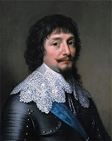 Frederick V of the PalatinatePersonFrederick V was Elector Palatine and the leading Calvinist prince of the Holy Roman Empire.
 Frederick V, Landgrave of Hesse-HomburgPersonFrederick V was Landgrave of Hesse-Homburg from 1751, ruling the small Hessian state from Bad Homburg.
 Frederick VI of DenmarkPersonFrederick VI was King of Denmark and Norway from 1808 and regent from 1784, also ruling the duchies of Schleswig and Holstein.
 Frederick VII of DenmarkPersonFrederick VII was King of Denmark from 1848 until his death in 1863, the last of the senior Oldenburg line.
 Frederick VII, Count of ToggenburgPersonFrederick VII was the last Count of Toggenburg, ruling a large territory in eastern Switzerland that stretched from the Toggenburg valley to the Prättigau and Davos.
- Frederick William Constantine, Prince of Hohenzollern-HechingenPersonFrederick William Constantine was the last Prince of Hohenzollern-Hechingen, reigning from 1838.
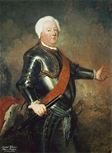 Frederick William I of PrussiaPersonFrederick William I was King in Prussia from 1713 to 1740, known as the Soldier King.
 Frederick William I, Duke of Saxe-WeimarPersonFrederick William I was a Saxon duke of the Ernestine line who received the lands around Weimar in the Erfurt Division of 1572.
 Frederick William II of PrussiaPersonFrederick William II was King of Prussia from 1786 to 1797, nephew and successor of Frederick the Great.
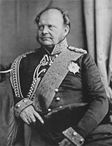 Frederick William IV of PrussiaPersonFrederick William IV was king of Prussia from 1840 to 1861.
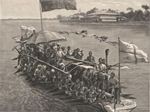 Frederick William KokoPersonFrederick William Koko was king of Nembe, also called Brass, in the Niger delta of present-day Nigeria, from 1889.
 Frederick William, Duke of Brunswick-WolfenbüttelPersonFrederick William, Duke of Brunswick-Wolfenbüttel, known as the Black Duke, lost his lands when Napoleon absorbed them into the Kingdom of Westphalia in 1807.
 Frederick William, Duke of Mecklenburg-SchwerinPersonFrederick William was Duke of Mecklenburg-Schwerin from 1692 to 1713.
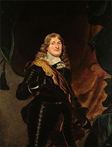 Frederick William, Elector of BrandenburgPersonFrederick William, Elector of Brandenburg, known as the Great Elector, ruled Brandenburg-Prussia from 1640.
 Frederick William, Elector of HessePersonFrederick William I was the last Elector of Hesse, co-regent from 1831 and sole ruler from 1847 to 1866.
 Frederick, Duke of Saxe-AltenburgPersonFrederick was Duke of Saxe-Hildburghausen from 1780 and, after the Ernestine lands were rearranged in 1826, the first Duke of the new Saxe-Altenburg.
 Frederick, Margrave of Brandenburg-BayreuthPersonFrederick was Margrave of Brandenburg-Bayreuth from 1735 to 1763 and husband of Wilhelmine, sister of Frederick the Great.
 FrederictonPlaceFredericton is the capital of the Canadian province of New Brunswick, on the Saint John River.
 Frederik XPersonFrederik X is King of Denmark, who succeeded on 14 January 2024 when his mother, Queen Margrethe II, abdicated.
 Free Aceh MovementPeople / groupThe Free Aceh Movement, Gerakan Aceh Merdeka, was a separatist organisation founded in 1976 by Hasan di Tiro to win independence for Aceh from Indonesia.
 Free imperial cityInstitutionA free imperial city was a city in the Holy Roman Empire that was subject only to the emperor rather than a territorial prince.
- Free National MovementPeople / groupThe Free National Movement is a political party in the Bahamas, founded in 1971 by opponents of Lynden Pindling's Progressive Liberal Party.
 Free Officers Movement (Egypt)People / groupThe Free Officers Movement was a secret group of young Egyptian army officers, led by Gamal Abdel Nasser with General Muhammad Naguib as its figurehead.
- Free Officers Movement (Iraq)People / groupThe Free Officers were a secret network of Iraqi army officers, modelled on the Egyptian movement, led by Abd al-Karim Qasim and Abdul Salam Arif.
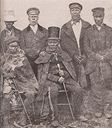 Free State–Basotho WarsWar · 1858–1868The Free State–Basotho Wars were a series of wars between the Orange Free State and the Basotho kingdom of Moshoeshoe I, fought in 1858 and from 1865 to 1868 over the…
- FreedmenPeople / groupFreedmen were former slaves who had been granted their freedom.
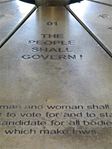 Freedom CharterWork / monumentThe Freedom Charter is the statement of principles adopted by the Congress of the People at Kliptown near Johannesburg on 26 June 1955, organised by the ANC and its…
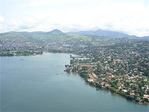 FreetownPlaceFreetown is the capital and largest city of Sierra Leone, on the Sierra Leone Peninsula at the mouth of the Sierra Leone River.
 Frei CanecaPersonFrei Caneca, born Joaquim do Amor Divino Rabelo, was a Carmelite friar and journalist from Recife.
 FreibergPlaceFreiberg is a town in Saxony, Germany, at the foot of the Ore Mountains.
 Freiberg Mining AcademyInstitutionThe Freiberg Mining Academy (Bergakademie Freiberg) was founded in 1765 in the silver-mining town of Freiberg in Saxony, as part of the reconstruction after the Seven…
 Freiburg im BreisgauPlaceFreiburg im Breisgau is a city in Baden-Württemberg, south-western Germany, on the edge of the Black Forest.
 FreikorpsPeople / groupThe Freikorps were German volunteer paramilitary units formed after the First World War from demobilised soldiers.
 FreisingPlaceFreising is a town in Upper Bavaria, Germany, on the Isar north of Munich.
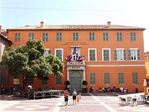 FréjusPlaceFréjus is a town in the Var department of south-eastern France, near the Mediterranean coast.
 FRELIMOPeople / groupFRELIMO, the Mozambique Liberation Front, was founded in Dar es Salaam in June 1962 under Eduardo Mondlane by the union of exile nationalist groups.
 FremantlePlaceFremantle is a port city at the mouth of the Swan River in Western Australia, part of the Perth metropolitan area.
 French AntillesPlaceThe French Antilles are the islands of the Caribbean colonised by France from the 1620s, beginning with Saint Kitts and spreading to Guadeloupe, Martinique and smaller…
- French CanadiansPeople / groupFrench Canadians are the people of Canada descended from the settlers of New France and others who share their French language and culture.
 French colonial empireStateThe French colonial empire comprised the overseas territories ruled by France.
 French Committee of National LiberationInstitutionThe French Committee of National Liberation was formed in Algiers in June 1943, uniting Charles de Gaulle's Free French with the forces of General Henri Giraud in North…
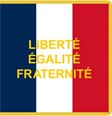 French CommunityInstitutionThe French Community was an association created by de Gaulle's constitution of 1958 to replace the French Union, offering colonies autonomy within a French framework.
 French conquest of AlgeriaWar · 1830–1903The French conquest of Algeria began with the capture of Algiers from its Ottoman-era regency in 1830 and continued for decades.
- French conquest of BornuCampaign · 1900The French conquest of Bornu in 1900 followed the defeat and death of the warlord Rabih az-Zubayr, who had seized Bornu in 1893.
 French conquest of CorsicaWar · 1768–1769The French conquest of Corsica followed the Treaty of Versailles of 1768, by which Genoa ceded its rights over the island to France.