Encyclopedia: M
2,409 entries under M · page 15 of 25: Middle Kingdom of Egypt – Minamoto no Yoritomo
 Middle Kingdom of EgyptStateThe Middle Kingdom of Egypt was the period of reunified rule that followed the First Intermediate Period, beginning when Mentuhotep II of the Eleventh Dynasty reunited…
- Middle March (al-Andalus)PlaceThe Middle March was the central frontier district of al-Andalus facing the Christian kingdoms of northern Iberia, with its capital first at Toledo and from 946 at…
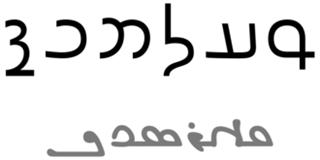 Middle PersianTermMiddle Persian, also called Pahlavi, was the Iranian language of the Sasanian Empire, descended from Old Persian and ancestral to modern Persian.
 MiddlesexPlaceMiddlesex is a historic county of England, north and west of the City of London, between the Thames and the Lea.
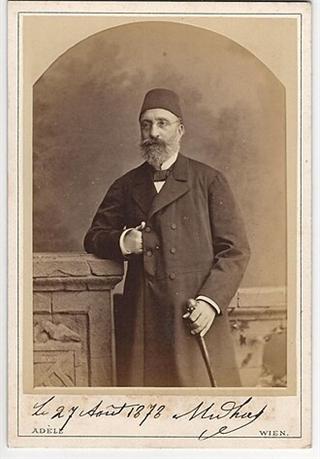 Midhat PashaPersonMidhat Pasha was an Ottoman statesman and reformer.
- Midi (France)PlaceThe Midi is the common French name for the south of France, the regions bordering the Mediterranean and the Pyrenees, including Languedoc, Provence, Roussillon and…
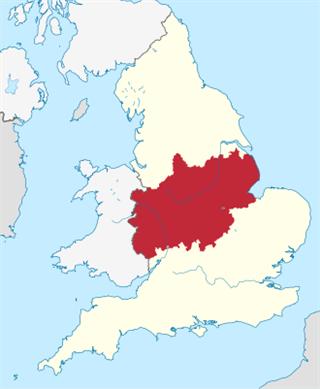 MidlandsPlaceThe Midlands is the central region of England, between the South and the North, usually divided into the East Midlands and the West Midlands.
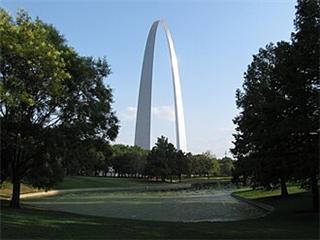 Midwestern United StatesPlaceThe Midwestern United States is a region of the north-central United States, including states such as Illinois, Ohio, Michigan, Wisconsin, Minnesota, Iowa and Missouri.
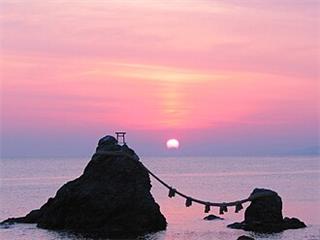 Mie PrefecturePlaceMie Prefecture is a prefecture of Japan in the Kinki region of central Honshu, on Ise Bay, with its capital at Tsu.
- Mieszko IPersonMieszko I was the first historically documented ruler of Poland, of the Piast dynasty, ruling from around 960 until 992.
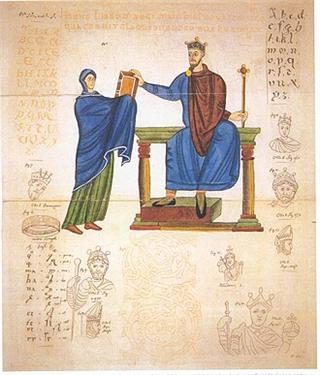 Mieszko II LambertPersonMieszko II Lambert was King of Poland from 1025 to 1031 and again ruled from 1032 until his death in 1034, son of Bolesław I the Brave.
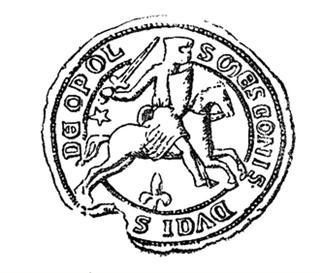 Mieszko II the FatPersonMieszko II the Fat (c. 1220–1246) was a Piast duke of Opole and Racibórz in Upper Silesia, a son of Casimir I of Opole.
 Mieszko III the OldPersonMieszko III the Old was a Piast duke of Greater Poland, which he received under the testament of his father Bolesław III Wrymouth in 1138.
 Mieszko IV TanglefootPersonMieszko IV Tanglefoot was a Piast duke of Silesia, son of Władysław II the Exile.
- Migration of the YuezhiEventThe migration of the Yuezhi was the westward movement of the Yuezhi people from the borders of China into Central Asia, driven by Xiongnu attacks around 176 BCE.
 Miguel Ángel AsturiasPersonMiguel Ángel Asturias (1899–1974) was a Guatemalan novelist, poet and diplomat who received the Nobel Prize in Literature in 1967.
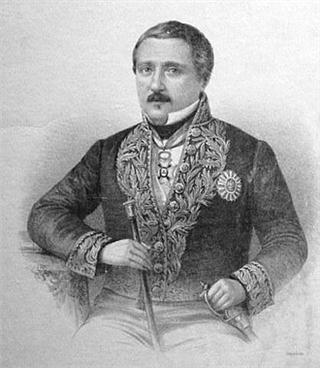 Miguel BarbachanoPersonMiguel Barbachano y Tarrazo was a politician from Mérida who served several times as governor of Yucatán between 1841 and 1853.
- Miguel Cabello de BalboaPersonMiguel Cabello de Balboa was a Spanish priest and chronicler who worked in Ecuador and Peru.
 Miguel de CervantesPersonMiguel de Cervantes was a Spanish novelist, playwright and poet, the greatest writer of the Spanish Golden Age.
 Miguel Díaz-CanelPersonMiguel Díaz-Canel is a Cuban politician who succeeded Raúl Castro as president in 2018, the first leader since the revolution from outside the Castro family.
 Miguel García GranadosPersonMiguel García Granados (1809–1878) was a Guatemalan soldier and politician who led the Liberal Revolution of 1871 with Justo Rufino Barrios, overthrowing the…
 Miguel Grau SeminarioPersonMiguel Grau Seminario was a Peruvian naval officer who commanded the ironclad Huáscar in the War of the Pacific.
 Miguel Hidalgo y CostillaPersonMiguel Hidalgo y Costilla was a Mexican Catholic priest who began the war of independence against Spain.
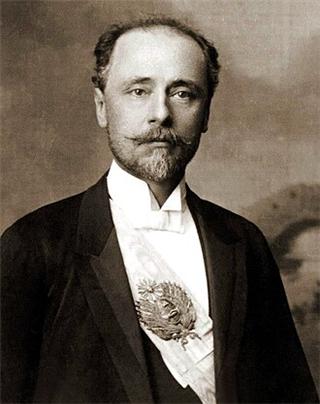 Miguel Juárez CelmanPersonMiguel Juárez Celman was an Argentine politician of the National Autonomist Party and president from 1886 to 1890.
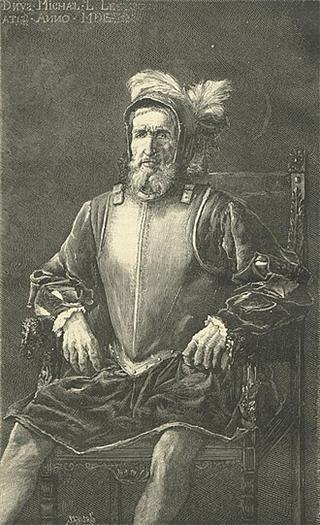 Miguel López de LegazpiPersonMiguel López de Legazpi was a Spanish conquistador who led the expedition from New Spain that began the Spanish colonisation of the Philippines in 1565.
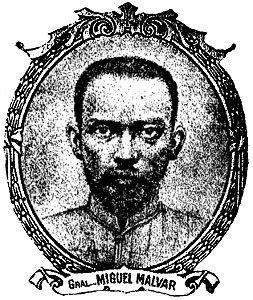 Miguel MalvarPersonMiguel Malvar was a Filipino general from Batangas who fought in the Philippine Revolution against Spain and in the Philippine–American War.
 Miguel MiramónPersonMiguel Miramón was a Mexican conservative general who headed the conservative government during the Reform War from 1859 to 1860, one of the youngest men to hold the…
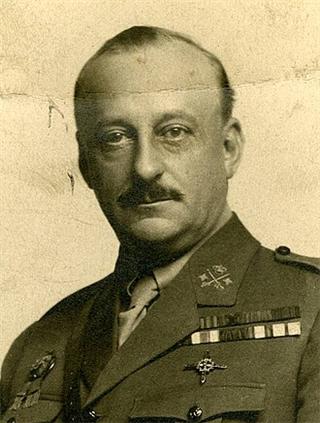 Miguel Primo de RiveraPersonMiguel Primo de Rivera was a Spanish general who seized power in a coup in September 1923 and ruled as dictator with the backing of King Alfonso XIII until January 1930.
 Miguel TacónPersonMiguel Tacón was a Spanish general who served as captain-general of Cuba from 1834 to 1838.
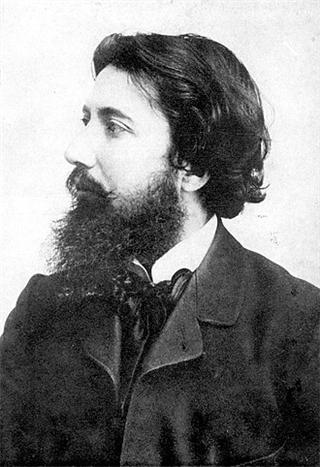 Mihail GerdzhikovPersonMihail Gerdzhikov was a Bulgarian revolutionary of anarchist sympathies and a leader of the Internal Macedonian-Adrianople Revolutionary Organisation.
 Mihailo I of DukljaPersonMihailo I was ruler of Duklja from about 1050 to 1081, son of Stefan Vojislav.
- Mihajlo ViševićPersonMihajlo Višević was ruler of Zachlumia (Hum), between the Neretva and Dubrovnik, in the early 10th century.
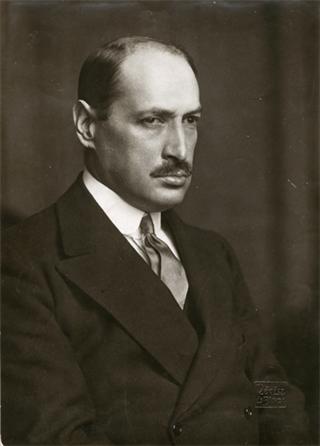 Mihály KárolyiPersonMihály Károlyi was a Hungarian aristocrat and liberal politician who became prime minister after the Aster Revolution of October 1918 and then president of the…
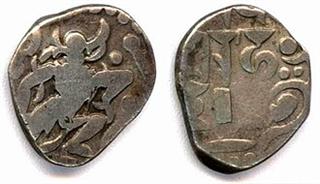 Mihira BhojaPersonMihira Bhoja (Bhoja I) was the most powerful king of the Gurjara-Pratihara dynasty, ruling from Kannauj from about 836 to 885.
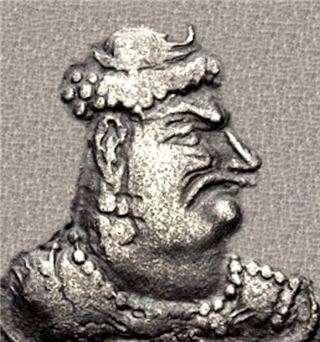 MihirakulaPersonMihirakula was a ruler of the Alchon Huns who controlled parts of north-western India in the early sixth century.
- Mihranid dynastyPeople / groupThe Mihranid dynasty was a princely family of Persian origin that ruled Caucasian Albania from the early seventh century until the early ninth.
 MijaresPlaceThe Mijares (Millars in Valencian) is a river of eastern Spain, rising in the Sierra de Gúdar in the province of Teruel and flowing south-east through the province of…
- MijikendaPeople / groupThe Mijikenda, meaning nine towns, are a group of nine related Bantu-speaking peoples of the Kenyan coastal hinterland, from the Tanzanian border north towards Malindi.
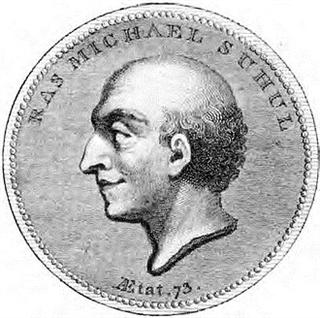 Mikael SehulPersonMikael Sehul was a Tigrayan lord who dominated the Ethiopian Empire in the late 18th century.
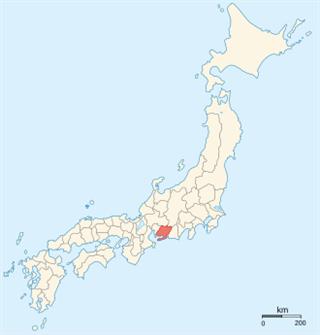 Mikawa ProvincePlaceMikawa Province was an old province of Japan in the eastern part of present-day Aichi Prefecture.
- Mikhail Andreyevich of VereyaPersonMikhail Andreyevich of Vereya was a Russian appanage prince, son of Andrei of Mozhaysk, who ruled Vereya together with Beloozero from 1432.
- Mikhail Artemyevich MuravyovPersonMikhail Muravyov was a Russian army officer and Left Socialist Revolutionary who commanded Red forces after the October Revolution.
- Mikhail Borisovich of TverPersonMikhail Borisovich was the last Grand Prince of Tver, from 1461 to 1485.
- Mikhail ErmolaevichPersonMikhail Ermolaevich was a prince of Great Perm, the Komi land on the upper Kama, in the 15th century.
 Mikhail FrunzePersonMikhail Frunze was a Bolshevik revolutionary and Red Army commander.
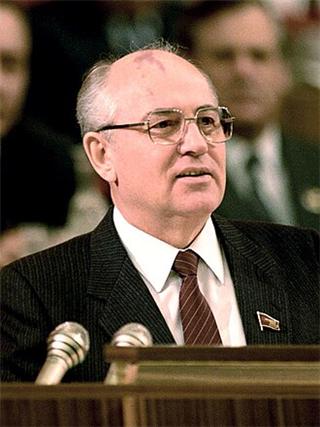 Mikhail GorbachevPersonMikhail Gorbachev (1931–2022) was the last leader of the Soviet Union, general secretary of the Communist Party from 1985 and president from 1990 to 1991.
- Mikhail KalininPersonMikhail Kalinin was a Bolshevik revolutionary of peasant origin who served as formal head of state of Soviet Russia from 1919 and of the Soviet Union from 1922 until…
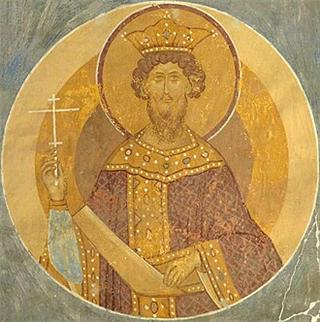 Mikhail of ChernigovPersonMikhail of Chernigov was prince of Chernigov and, at times, grand prince of Kiev in the years of the Mongol invasion.
 Mikhail of TverPersonMikhail of Tver (Mikhail Yaroslavich) was prince of Tver from 1285 and grand prince of Vladimir from 1305.
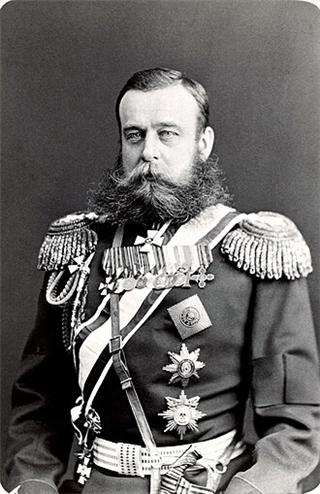 Mikhail SkobelevPersonMikhail Skobelev was a Russian general famous for his campaigns in Central Asia and the Balkans.
- Mikhail SperanskyPersonMikhail Speransky was a Russian statesman and reformer, the leading adviser of Emperor Alexander I until his fall and exile in 1812.
 Mikhail TukhachevskyPersonMikhail Tukhachevsky was a Soviet military commander who led Red Army fronts in the Russian Civil War and the Polish–Soviet War of 1920.
 Mikheil SaakashviliPersonMikheil Saakashvili is a Georgian politician who led the Rose Revolution of 2003 and was president of Georgia from 2004 to 2013.
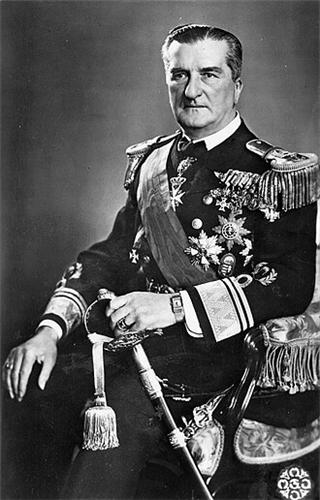 Miklós HorthyPersonMiklós Horthy was an Austro-Hungarian admiral who led the counter-revolutionary National Army after the fall of the Hungarian Soviet Republic and was elected regent of…
- MiknasaPeople / groupThe Miknasa were a Berber tribal group of medieval North Africa.
 MikulčicePlaceMikulčice is a village in South Moravia, Czech Republic, near which lies one of the largest fortified centres of Great Moravia, possibly its capital.
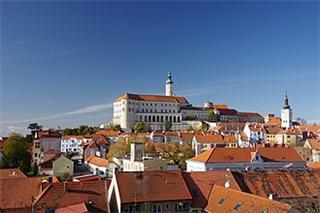 MikulovPlaceMikulov, German Nikolsburg, is a town in South Moravia near the Austrian border, known for its castle, its vineyards and its historic Jewish community, long the seat of…
 Mikvé Israel-Emanuel SynagogueWork / monumentThe Mikvé Israel-Emanuel Synagogue in Willemstad, Curaçao, houses the oldest Jewish congregation in continuous existence in the Americas, founded by Sephardic Jews from…
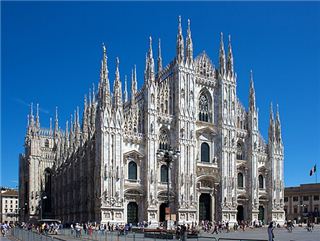 MilanPlaceMilan is a major city of northern Italy, the capital of Lombardy.
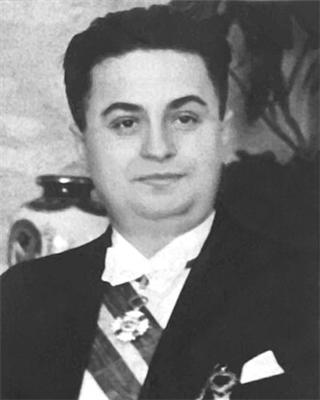 Milan AćimovićPersonMilan Aćimović was a Serbian police official and politician who served as interior minister of Yugoslavia in 1939.
 Milan CathedralWork / monumentMilan Cathedral is the Gothic cathedral of Milan, begun in 1386 under Gian Galeazzo Visconti and completed only in the 19th and 20th centuries.
 Milan I of SerbiaPersonMilan Obrenović ruled Serbia as prince from 1868 and as its first modern king from 1882 to 1889.
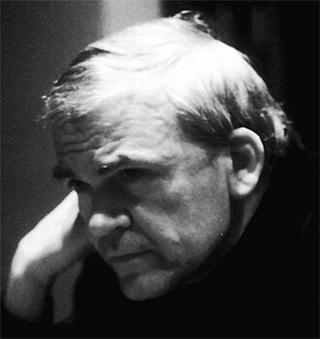 Milan KunderaPersonMilan Kundera was a Czech-born novelist whose first novel, The Joke of 1967, satirised life under communism.
 Milan NedićPersonMilan Nedić was a Serbian general and politician who headed the German-installed Government of National Salvation in occupied Serbia from 1941 to 1944.
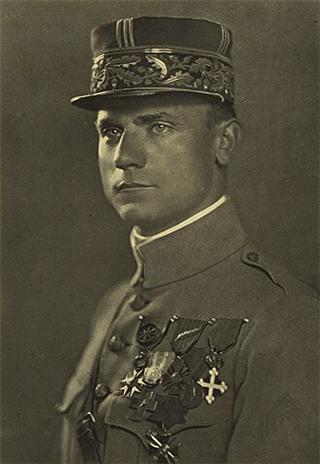 Milan Rastislav ŠtefánikPersonMilan Rastislav Štefánik was a Slovak astronomer who became a French air force officer and general in the First World War.
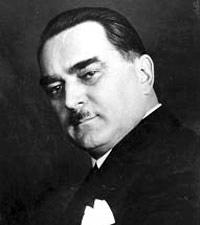 Milan StojadinovićPersonMilan Stojadinović was a Serbian economist and politician who was prime minister of Yugoslavia from 1935 to 1939.
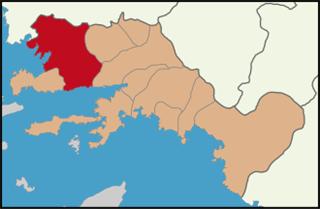 MilasPlaceMilas is a town in Muğla province, south-western Turkey, on the site of ancient Mylasa, the capital of Caria under the Hecatomnid dynasty.
- MilceniPeople / groupThe Milceni were a West Slavic tribe living around Bautzen in what is now Upper Lusatia, in eastern Germany.
 MilcomReligion / ideaMilcom, or Milkom, was the national god of the Ammonites, worshipped in their kingdom east of the Jordan in the Iron Age.
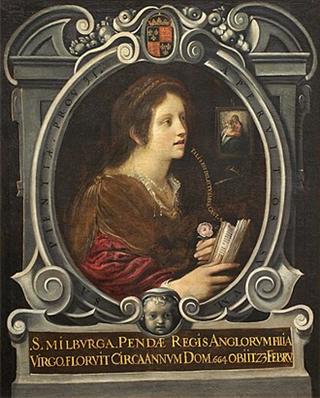 MildburhPersonMildburh was a daughter of King Merewalh of the Magonsaete and the first abbess of the double monastery of Wenlock in Shropshire, founded around 680.
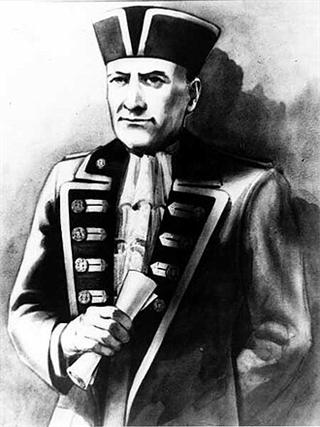 Miles MacdonellPersonMiles Macdonell was a Scottish-born soldier and colonial administrator who served as the first governor of the Red River Colony from 1812.
- Mileševa MonasteryWork / monumentMileševa is a Serbian Orthodox monastery near Prijepolje in south-western Serbia, founded by King Stefan Vladislav in the 1230s.
 Milford, ConnecticutPlaceMilford is a city on Long Island Sound in New Haven County, Connecticut, United States, at the mouth of the Wepawaug River.
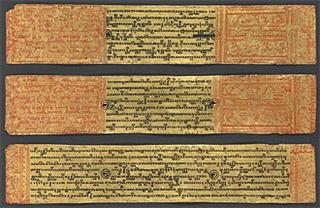 MilindapanhaWork / monumentThe Milindapanha, or Questions of King Milinda, is a Buddhist text in Pali, probably compiled between the 1st century BCE and the 2nd century CE.
- Military colonyInstitutionA military colony was a settlement of soldiers who farmed land in return for military service.
- Military revolutionReligion / ideaThe military revolution is a historians' concept describing the transformation of European warfare in the sixteenth and seventeenth centuries through firearms, new…
- Military-industrial complexTermThe military-industrial complex is the network of armed forces, arms manufacturers and political interests that grows up around a permanent defence establishment.
- Military-technological disparityHistorical factorMilitary technological disparity is the recurring pattern in which an empire is weakened or destroyed by opponents with superior weapons.
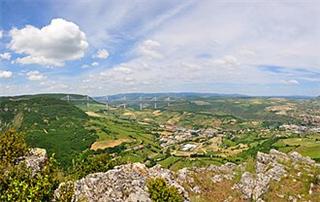 MillauPlaceMillau is a town in the Aveyron department of southern France, on the Tarn River.
- MillenarianismReligion / ideaMillenarianism is the belief in a coming transformation of the world that will bring about a new age of justice and salvation.
- MilletTermMillet is a group of hardy, drought-tolerant cereal grains grown widely in Africa and Asia.
- Millet systemInstitutionThe millet system was the arrangement by which the Ottoman Empire organised its non-Muslim subjects into religious communities.
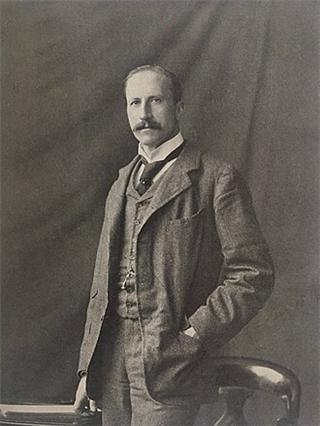 Milner's KindergartenPeople / groupMilner's Kindergarten was the name given to a group of young Oxford-educated administrators recruited by Alfred Milner, British High Commissioner in South Africa, to…
 Milo of CrotonPersonMilo of Croton was the most famous wrestler of ancient Greece, winning at the Olympic Games six times in the later 6th century BCE, as well as many victories at the…
- Milo ĐukanovićPersonMilo Đukanović is a Montenegrin politician who dominated the country for three decades, serving several times as prime minister from 1991 and as president in 1998–2002…
 Miloš ObrenovićPersonMiloš Obrenović was the leader of the Second Serbian Uprising against the Ottomans, launched at Takovo in 1815.
- MilotPlaceMilot is a town in northern Haiti, about 20 kilometres south of Cap-Haïtien.
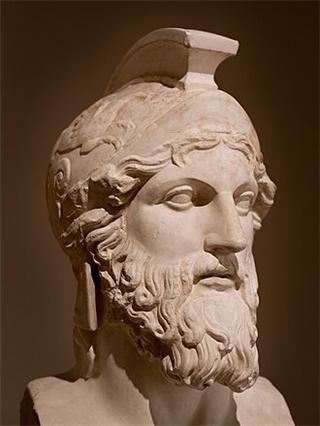 MiltiadesPersonMiltiades was an Athenian general who ruled the Thracian Chersonese before fleeing to Athens from the Persians in 493 BCE.
 Milton CatoPersonMilton Cato was a Vincentian lawyer and politician who led Saint Vincent and the Grenadines to independence.
- Milton MargaiPersonMilton Margai was a physician and the first prime minister of Sierra Leone.
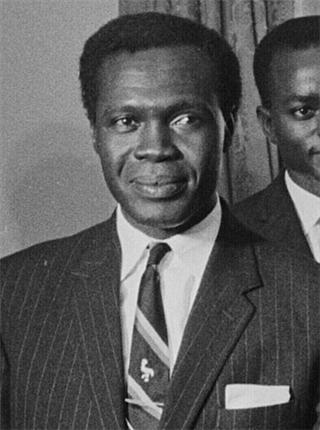 Milton ObotePersonMilton Obote was Uganda's first prime minister at independence in 1962 and later its president.
 Miluo RiverPlaceThe Miluo is a river in north-eastern Hunan, China, flowing west into the Xiang River near Dongting Lake.
 Mimar SinanPersonMimar Sinan was the chief architect of the Ottoman Empire in the sixteenth century, serving under Suleiman the Magnificent and his successors.
- MimnermusPersonMimnermus was a Greek elegiac poet from Colophon or Smyrna, active around 630 BCE.
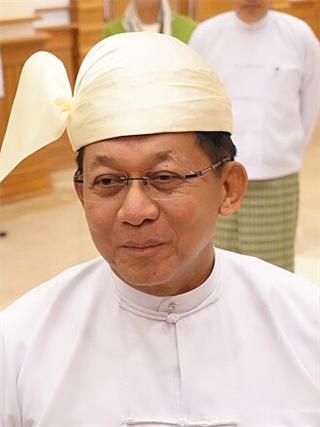 Min Aung HlaingPersonMin Aung Hlaing is a Myanmar general who became commander-in-chief of the armed forces in 2011.
 Min BinPersonMin Bin was king of Mrauk U in Arakan from 1531 to 1554 and its most powerful ruler.
- Min Saw MonPersonMin Saw Mon was the last king of the Launggyet period of Arakan and the founder of the Mrauk U kingdom.
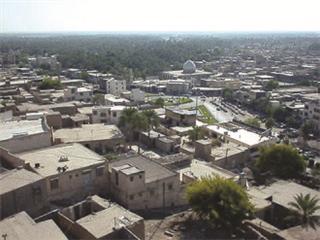 MinabPlaceMinab is a city in Hormozgan Province in southern Iran, on the Minab River near the Strait of Hormuz.
- Minaic languageTermMinaic was the Ancient South Arabian language of the Kingdom of Ma'in in the al-Jawf region of Yemen, written in the South Arabian script.
 Minamoto no YoritomoPersonMinamoto no Yoritomo was the founder and first shogun of the Kamakura shogunate.