Encyclopedia: G
1,432 entries under G · page 14 of 15: Gundahar – Gwallawg ap Lleenog
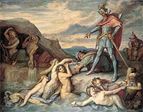 GundaharPersonGundahar was a king of the Burgundians in the early 5th century who, as a Roman ally, set up a Burgundian kingdom on the Rhine around 411, traditionally centred on Worms.
 GundericPersonGunderic was king of the Hasding Vandals from about 407 to 428.
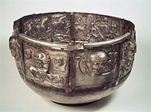 Gundestrup cauldronWork / monumentThe Gundestrup cauldron is a richly decorated silver vessel thought to date from between 200 BCE and 300 CE, or more narrowly 150–1 BCE, found dismantled in a peat bog…
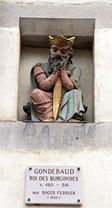 GundobadPersonGundobad was king of the Burgundians from about 473 to 516, after serving as a Roman general and briefly as kingmaker in Italy, where he raised Glycerius to the throne…
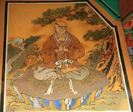 Gung YePersonGung Ye was a warlord of Korea's Later Three Kingdoms period, said to be an outcast Silla prince who lost an eye as an infant and became a Buddhist monk.
 GungnaePlaceGungnae was the second capital of the Korean kingdom of Goguryeo, at modern Ji'an on the middle Yalu river in Jilin, China.
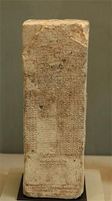 GungunumPersonGungunum was an Amorite king of Larsa in southern Mesopotamia.
- GunibPlaceGunib is a village on a high mountain plateau in central Dagestan, Russia.
 GunpowderTermGunpowder is an explosive mixture of saltpetre, charcoal and sulphur, first developed in China.
- Gunpowder and firearmsHistorical factorGunpowder and firearms is a recurring pattern in which access to guns and artillery reshaped warfare, state power and the balance between rival empires.
 Günther Victor, Prince of SchwarzburgPersonGünther Victor was Prince of Schwarzburg-Rudolstadt from 1890 and, after the death of his cousin in 1909, also of Schwarzburg-Sondershausen, ruling the two states in…
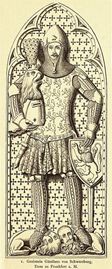 Günther von SchwarzburgPersonGünther XXI of Schwarzburg was a Thuringian count elected King of the Romans in January 1349 by the Wittelsbach party as a rival to Charles IV.
 Günther XLI of Schwarzburg-ArnstadtPersonGünther XLI, called the Warlike, was a count of Schwarzburg who ruled from Arnstadt.
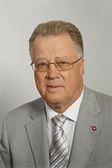 Guntis UlmanisPersonGuntis Ulmanis is a Latvian politician who was president of Latvia from 1993 to 1999, the first head of state after the restoration of independence.
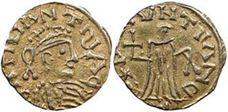 GuntramPersonGuntram was a Merovingian king of the Franks who ruled the kingdom of Burgundy from 561 to 592.
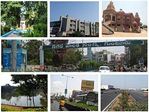 GunturPlaceGuntur is a city in Andhra Pradesh, India, in the fertile plain south of the Krishna river delta.
 Gunung KawiWork / monumentGunung Kawi is an 11th-century temple complex at Tampaksiring, Bali, where ten shrine facades about seven metres high are carved into cliffs on both sides of the…
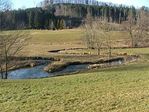 GünzPlaceThe Günz is a river in Bavarian Swabia, southern Germany, flowing north from the Alpine foothills to join the Danube at Günzburg.
 GünzburgPlaceGünzburg is a town in Bavarian Swabia at the mouth of the Günz on the Danube, on the site of the Roman fort of Guntia.
- Gunzelin of HagenPersonGunzelin of Hagen was a Saxon nobleman and vassal of Henry the Lion, Duke of Saxony.
- Guo (state)StateGuo was the name of several states of Zhou-period China ruled by kinsmen of the Zhou royal house, descended from younger brothers of King Wen.
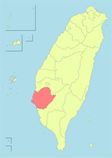 Guo Huaiyi rebellionRevolt · 1652The Guo Huaiyi rebellion was a rising of Chinese farmers in Dutch Formosa in September 1652, led by the village head Guo Huaiyi, against the heavy taxes and controls of…
 Guo ShoujingPersonGuo Shoujing was a Chinese astronomer, mathematician and hydraulic engineer of the Yuan dynasty.
 Guo WeiPersonGuo Wei was a leading general of the Later Han.
- Guoji Zi Bai panWork / monumentThe Guoji Zi Bai pan is a large Western Zhou bronze basin, found at Baoji in Shaanxi in the nineteenth century, made for Zi Bai, a member of the ruling family of…
- GuoyuWork / monumentThe Guoyu (Discourses of the States) is an ancient Chinese collection of speeches and anecdotes arranged by state, covering Zhou, Lu, Qi, Jin, Zheng, Chu, Wu and Yue…
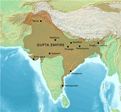 Gupta EmpireStateThe Gupta Empire was a major state of northern India from the fourth to the sixth century CE, often regarded as a classical age of Indian culture.
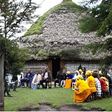 Gurage peoplePeople / groupThe Gurage are a people of south-central Ethiopia living south-west of Addis Ababa, mainly in the Gurage Zone.
- Gurbakhsh Singh (Kalsia)PersonGurbakhsh Singh was a Sikh sardar of the Sandhu Jat clan from the village of Kalsia near Lahore and a member of the Karorsinghia misl.
 Gurbanguly BerdimuhamedowPersonGurbanguly Berdimuhamedow is a Turkmen politician, a dentist by training, who became President of Turkmenistan after the death of Saparmurat Niyazov in 2006.
- Gurdit Singh (Ladwa)PersonGurdit Singh was a Sikh sardar who seized Ladwa and nearby lands near Kurukshetra around 1763, when the Sikh misls overran the Mughal province of Sirhind.
- GüregenTermGüregen, meaning 'royal son-in-law', was a title borne in the Mongol world by men who married into the family of Genghis Khan.
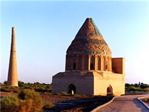 GurganjPlaceGurganj, also known as Urgench, was a city in Khwarazm in Central Asia and the capital of the Khwarazmian Empire.
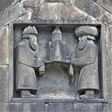 Gurgen I of LoriPersonGurgen, also known as Kiurike I, was the son of King Ashot III of Bagratid Armenia and founder of the Kingdom of Lori, also called Tashir-Dzoraget, in northern Armenia.
- Gurgen, King of the IberiansPersonGurgen was a Georgian Bagratid prince of Tao-Klarjeti who held the title King of Kings of the Iberians from 994 until his death in 1008.
- GurgenesPersonGurgenes was a king of Iberia in eastern Georgia in the 520s, known from the Byzantine historian Procopius.
- Gurindam Dua BelasWork / monumentThe Gurindam Dua Belas ('Twelve Gurindam') is a Malay poem of moral and religious advice written by Raja Ali Haji on Penyengat island in 1847.
- GurjarsPeople / groupThe Gurjars are a community of north-western India and Pakistan, historically pastoralists and farmers, whose name appears in sources from the sixth century CE.
 GurkhasPeople / groupThe Gurkhas, or Gorkhas, were originally the soldiers of the Gorkha kingdom, whose king Prithvi Narayan Shah unified Nepal from 1768.
 Gurma peoplePeople / groupThe Gurma, or Gourmantché, are a Gur-speaking people of eastern Burkina Faso and neighbouring parts of Niger, Togo and Benin.
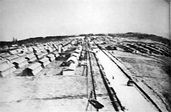 Gurs internment campPlaceGurs was an internment camp in the foothills of the Pyrenees in south-western France, built in 1939 for refugees from the Spanish Civil War.
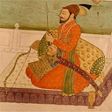 Guru Gobind SinghPersonGuru Gobind Singh was the tenth Sikh Guru, who in 1699 founded the Khalsa, the order of initiated Sikhs.
- Guru NanakPersonGuru Nanak was the founder of Sikhism and the first of its ten gurus, born near Lahore in 1469.
 GurugramPlaceGurugram, known until 2016 as Gurgaon, is a city in Haryana, India, south-west of Delhi and part of the National Capital Region.
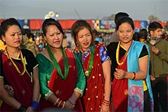 GurungPeople / groupThe Gurung, who call themselves Tamu, are a people of the hills of central Nepal, especially around the Annapurna range in Lamjung, Kaski and Gorkha.
- GuruuswaPlaceGuruuswa was a southern province of the Mutapa state on the Zimbabwean plateau.
- GurzilReligion / ideaGurzil was a Berber god worshipped by the Laguatan and other tribes of Tripolitania in late antiquity, represented as a bull and said to be the son of the god Ammon and…
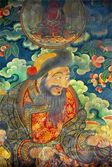 Güshi KhanPersonGüshi Khan was a Khoshut Mongol chief who founded the Khoshut Khanate in the Kokonor region and Tibet.
- GusiPersonGusi was an Aramaean chief in northern Syria in the early 9th century BCE, from whom the kingdom of Bit-Agusi, the 'House of Gusi', took its name.
- GusiluoPersonGusiluo was the Tibetan ruler of the Tsongkha kingdom in Amdo, around the Huangshui valley of present-day Qinghai.
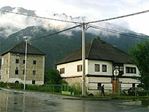 GusinjePlaceGusinje is a small town in eastern Montenegro, close to the Albanian border in the Prokletije mountains.
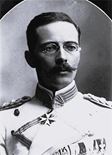 Gustav Adolf von GötzenPersonGustav Adolf von Götzen was a German officer and explorer.
 Gustav Adolph, Duke of Mecklenburg-GüstrowPersonGustav Adolph was the last Duke of Mecklenburg-Güstrow, reigning from 1636 under a regency and in person from 1654 until his death in 1695.
 Gustáv HusákPersonGustáv Husák was a Slovak communist who was imprisoned in the 1950s but rehabilitated in the 1960s.
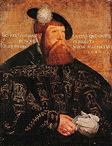 Gustav I of SwedenPersonGustav I, known as Gustav Vasa, was a Swedish nobleman who led the revolt against Christian II after the Stockholm Bloodbath of 1520 and was elected king of Sweden in…
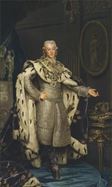 Gustav IIIPersonGustav III was King of Sweden from 1771 to 1792.
 Gustav IV AdolfPersonGustav IV Adolf was King of Sweden from 1792 to 1809.
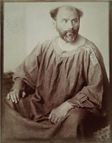 Gustav KlimtPersonGustav Klimt was an Austrian painter and a leading figure of the Vienna Secession, known for decorative works such as The Kiss.
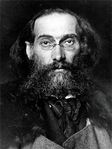 Gustav LandauerPersonGustav Landauer was a German anarchist philosopher and writer who argued for a socialism built on voluntary communities.
 Gustav MahlerPersonGustav Mahler was an Austrian composer and conductor, known for his large-scale symphonies and song cycles.
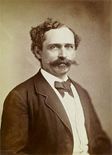 Gustav NachtigalPersonGustav Nachtigal was a German physician and explorer who travelled through the Sahara and the central Sudan between 1869 and 1874, visiting Bornu, Wadai and Bagirmi.
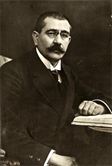 Gustav NoskePersonGustav Noske was a German Social Democratic politician.
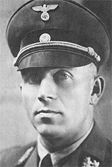 Gustav SimonPersonGustav Simon was the Nazi Gauleiter of Koblenz-Trier, later Moselland, who headed the civil administration of occupied Luxembourg from 1940 to 1944.
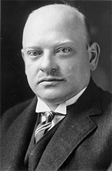 Gustav StresemannPersonGustav Stresemann (1878–1929) was a German statesman who led the German People's Party and served as chancellor in 1923 and as foreign minister from 1923 until his death.
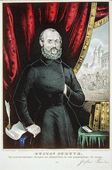 Gustav StruvePersonGustav Struve was a German lawyer, journalist and radical republican who, with Friedrich Hecker, led the revolutionary risings in Baden in 1848.
- Gustav von OverbeckPersonGustav von Overbeck was a German-born businessman and Austrian consul in Hong Kong who, with the British merchant Alfred Dent, obtained grants of northern Borneo from…
 Gustave Borgnis-DesbordesPersonGustave Borgnis-Desbordes was a French artillery officer who led the advance of French power from the upper Senegal to the Niger.
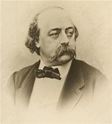 Gustave FlaubertPersonGustave Flaubert was a nineteenth-century French novelist, best known for Madame Bovary.
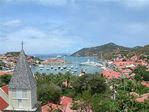 GustaviaPlaceGustavia is the capital and main harbour of Saint Barthélemy in the Caribbean.
 Gustavo Álvarez MartínezPersonGustavo Álvarez Martínez (1937–1989) was a Honduran general who commanded the armed forces from 1982 to 1984 and was the most powerful figure in the country during the…
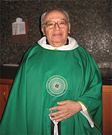 Gustavo GutiérrezPersonGustavo Gutiérrez was a Peruvian Catholic priest and theologian, regarded as the founder of liberation theology.
 Gustavo PetroPersonGustavo Petro is a Colombian politician who became Colombia's first left-wing president, serving from August 2022 to August 2026.
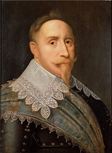 Gustavus AdolphusPersonGustavus Adolphus was King of Sweden who reigned from 1611 to 1632.
- Gusti Agung MarutiPersonGusti Agung Maruti was a chief minister of the Balinese kingdom of Gelgel who seized power from his king around 1651.
- Gusti Ketut JelantikPersonGusti Ketut Jelantik was the patih (chief minister) of the Balinese kingdom of Buleleng and the leader of its resistance to the Dutch.
- Gusti Ngurah AgungPersonGusti Ngurah Agung was the last raja of the Balinese kingdom of Tabanan.
- Gusti Panji SaktiPersonGusti Panji Sakti was a Balinese warrior noble of the Gelgel court who founded the kingdom of Buleleng on the north coast of Bali around 1660.
 GüstrowPlaceGüstrow is a town in Mecklenburg-Vorpommern in north-eastern Germany, south of Rostock.
 Gusuku Sites and Related Properties of the Kingdom of RyukyuPlaceThe Gusuku Sites and Related Properties of the Kingdom of Ryukyu are a group of nine sites on Okinawa inscribed as a UNESCO World Heritage Site in 2000.
 GutalagWork / monumentThe Gutalag is the medieval law code of Gotland, written in the Old Gutnish language, probably in the thirteenth century.
 GutasagaWork / monumentThe Gutasaga is a short Old Gutnish account of the early history of Gotland, written down in the thirteenth century and preserved with the island's law, the Gutalag.
- Guthfrith of YorkPersonGuthfrith was a Viking king of York who ruled Northumbria from about 883 until his death in 895.
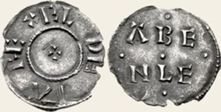 GuthrumPersonGuthrum was a Danish Viking leader who became king of East Anglia.
 GutiansPeople / groupThe Gutians were a people from the Zagros Mountains who raided and settled in Mesopotamia in the late third millennium BCE.
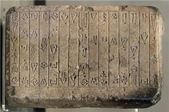 GutiumPlaceGutium was the land of the Gutians in the Zagros Mountains east of Mesopotamia.
- GutnalthingInstitutionThe Gutnalthing was the general assembly of medieval Gotland, where representatives of the free farmers of the island's districts met to make laws, settle disputes and…
- GutsherrschaftTermGutsherrschaft is the German term for the manorial system that developed east of the Elbe from the 15th and 16th centuries.
- GutuaterPersonGutuater was a leader of the Carnutes in Gaul, held responsible by the Romans for the massacre of Roman merchants at Cenabum in 52 BCE, which began the great revolt of…
 GuwahatiPlaceGuwahati is the largest city of Assam, in north-eastern India, on the south bank of the Brahmaputra.
- Guy I de la RochePersonGuy I de la Roche was ruler of Athens and Thebes from 1225 to 1263, succeeding his uncle Otho de la Roche.
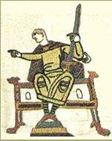 Guy I, Count of PonthieuPersonGuy I was Count of Ponthieu, on the Channel coast of northern France, from 1053 until his death in 1100.
 Guy II of BloisPersonGuy II was the last count of Blois of the House of Châtillon, ruling from 1381.
 Guy III of SpoletoPersonGuy III of Spoleto was a Frankish duke of Spoleto who contested the Italian crown after the deposition of Charles the Fat.
 Guy of LusignanPersonGuy of Lusignan was a French nobleman who became King of Jerusalem through his marriage to Queen Sibylla.
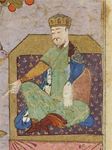 Güyük KhanPersonGüyük Khan was the third Great Khan of the Mongol Empire, reigning from 1246 to 1248.
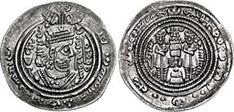 GuzganPlaceGuzgan, known in Arabic as Juzjan, was a historical region of northern Afghanistan between Balkh and Merv, roughly the modern provinces of Jowzjan and Faryab.
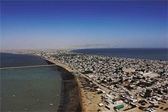 GwadarPlaceGwadar is a port city on the Makran coast of Balochistan in south-western Pakistan, on a hammerhead peninsula facing the Arabian Sea.
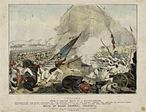 Gwalior campaignCampaign · 1843The Gwalior campaign was a short war in December 1843 between the British East India Company and the Maratha state of Gwalior under the Scindia dynasty, provoked by a…
 Gwalior FortWork / monumentGwalior Fort is a hill fort above the city of Gwalior in Madhya Pradesh, India, one of the strongest fortresses of northern India.
- Gwallawg ap LleenogPersonGwallawg ap Lleenog was a 6th-century British king in northern Britain, possibly of Elmet.