Encyclopedia: M
2,409 entries under M · page 6 of 25: Manjakamiadana – Marananta
 ManjakamiadanaWork / monumentManjakamiadana was the queen's palace, the largest building of the Rova, the royal compound of the Merina rulers in Antananarivo.
- MankessimPlaceMankessim is a town in the Central Region of Ghana, regarded in tradition as the place where the Fante people settled after migrating to the coast and the seat of their…
- Mankessim ConstitutionWork / monumentThe Mankessim Constitution was the written constitution adopted by the Fante Confederacy at Mankessim in the Gold Coast in 1871.
- MankurwanePersonMankurwane was chief of the Tlhaping, a Tswana people, at Taung in the second half of the 19th century.
- Manlius ValensPersonGaius Manlius Valens was a Roman commander who, as legate of a legion in Britain in 52, was defeated by the Silures of south Wales soon after the death of the governor…
- Manmohan SinghPersonManmohan Singh (1932–2024) was an Indian economist and Congress politician who was prime minister from 2004 to 2014.
- MannarPlaceMannar is a town on Mannar Island off the north-west coast of Sri Lanka, linked to the mainland by a causeway.
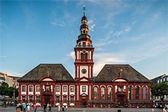 MannheimPlaceMannheim is a city in Baden-Württemberg, Germany, at the meeting of the Rhine and Neckar.
- Mano peoplePeople / groupThe Mano are a Mande-speaking people of north-central Liberia and the neighbouring forest region of Guinea, living mainly in Nimba County.
 Manrique Pérez de LaraPersonManrique Pérez de Lara was a Castilian magnate of the House of Lara and the first lord of Molina.
- MansaInstitutionMansa was the title of the rulers of the Mali Empire, meaning king or emperor in the Mandinka language.
 Mansa MusaPersonMansa Musa was ruler of the Mali Empire from 1312 to 1337, under whom the empire reached its greatest wealth and extent.
- Mansa Musa's pilgrimageEventMansa Musa's pilgrimage was the journey of the ruler of the Mali Empire to Mecca in 1324.
- Mansa SakuraPersonMansa Sakura was a ruler of the Mali Empire in the late thirteenth century, a former military commander who seized the throne.
 Mansa SulaymanPersonMansa Sulayman was ruler of the Mali Empire from about 1341 to 1360, the brother of Mansa Musa.
- Mansa UliPersonMansa Uli was a son of Sundiata Keita and one of the early rulers of the Mali Empire.
- Mansabdari systemInstitutionThe mansabdari system was the ranking system of the Mughal Empire, established under Akbar.
- ManshurTermA manshur was a formal decree or diploma of investiture issued by a caliph.
- MansiPeople / groupThe Mansi, formerly called Voguls, are a Finno-Ugric people of western Siberia and the eastern slopes of the northern Urals, living mainly in the Khanty-Mansi…
- Mansoor Ali Khan PataudiPersonMansoor Ali Khan Pataudi was an Indian cricketer who became India's youngest Test captain in 1962, at the age of 21.
- Al-Mansur (Abbasid caliph)PersonAl-Mansur was the second Abbasid caliph, reigning from 754 to 775.
- Al-Mansur Abdallah ibn HamzaPersonAl-Mansur Abdallah ibn Hamza was Zaydi imam of Yemen from 1187 to 1217 and one of the most prolific Zaydi scholars.
- Al-Mansur IbrahimPersonAl-Mansur Ibrahim was the Ayyubid emir of Homs from 1240 to 1246, son of al-Mujahid Shirkuh II.
- Mansur KhanPersonMansur Khan was a Chagatai khan of eastern Moghulistan who ruled from Turpan in the first half of the 16th century.
- al-Mansur Muhammad II of HamaPersonal-Mansur Muhammad II was the Ayyubid prince of Hama from 1244 to 1284.
 Mansur Shah of MalaccaPersonMansur Shah was Sultan of Malacca from 1459 to 1477, the period of the sultanate's greatest expansion.
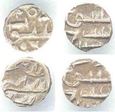 Mansura, SindhPlaceMansura was the capital of the Arab province of Sindh, founded in the 730s by the Umayyad governor Amr ibn Muhammad near the Indus, north-east of modern Hyderabad in…
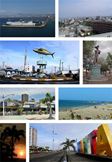 Manta, EcuadorPlaceManta is a port city in Manabí province on the Pacific coast of Ecuador.
 Mantaro ValleyPlaceThe Mantaro Valley is a broad, fertile highland valley in the Junín region of central Peru, drained by the Mantaro River, with Huancayo as its main city.
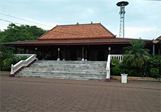 Mantingan MosqueWork / monumentThe Mantingan Mosque is a mosque near Jepara on the north coast of Central Java, Indonesia, built in 1559 under the patronage of Ratu Kalinyamat.
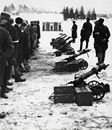 Mäntsälä rebellionRevolt · 1932The Mäntsälä rebellion was a failed uprising by members of the Lapua Movement in February and March 1932, which began when armed activists broke up a Social Democratic…
 Manuchihr ibn ShavurPersonManuchihr ibn Shavur was the first Shaddadid emir of Ani, to whom the Seljuk sultan Malik Shah granted the city in 1072.
- Manuchihr IIIPersonManuchihr III was Shirvanshah, ruler of Shirvan in present-day Azerbaijan, from about the 1120s to about 1160.
- ManuchihriPersonManuchihri was a Persian poet from Damghan who served at the court of the Ghaznavid sultan Mas'ud I.
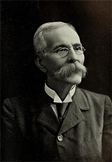 Manuel Amador GuerreroPersonManuel Amador Guerrero was a Panamanian physician and politician who led the movement for Panama's separation from Colombia in 1903, with the support of the United…
 Manuel AzañaPersonManuel Azaña was a Spanish writer and politician, prime minister of the Second Spanish Republic in 1931 to 1933 and again in 1936, and its president from 1936 to 1939.
 Manuel BelgranoPersonManuel Belgrano was an Argentine economist, politician and general of the wars of independence.
 Manuel BonillaPersonManuel Bonilla (1849–1913) was a Honduran general and politician who was president from 1903 to 1907 and again from 1912 until his death.
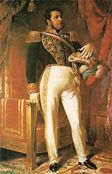 Manuel BulnesPersonManuel Bulnes was a Chilean general and president.
 Manuel ChrysolorasPersonManuel Chrysoloras was a Byzantine scholar and diplomat who taught Greek in Florence from 1397, the first sustained teaching of the language in Italy for centuries.
- Manuel Crescencio RejónPersonManuel Crescencio Rejón was a Mexican jurist and politician from Yucatán.
 Manuel da NóbregaPersonManuel da Nóbrega was a Portuguese Jesuit who led the first Jesuit mission to Brazil, arriving with the governor-general Tomé de Sousa in 1549.
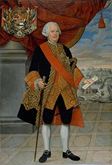 Manuel de Amat y JunyentPersonManuel de Amat y Junyent was a Catalan soldier who served as governor of Chile from 1755 to 1761 and viceroy of Peru from 1761 to 1776.
- Manuel de Carvalho Pais de AndradePersonManuel de Carvalho Pais de Andrade was a Brazilian politician from Pernambuco and president of its provincial government.
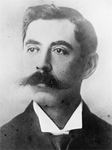 Manuel Enrique AraujoPersonManuel Enrique Araujo was a Salvadoran physician and president from 1911 to 1913.
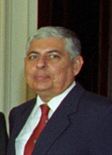 Manuel EsquivelPersonManuel Esquivel was a Belizean politician who led the United Democratic Party and served twice as Prime Minister of Belize, from 1984 to 1989 and from 1993 to 1998.
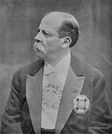 Manuel Estrada CabreraPersonManuel Estrada Cabrera (1857–1924) was a Guatemalan lawyer who ruled the country as president from 1898 to 1920, one of the longest dictatorships in Central American…
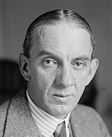 Manuel GamioPersonManuel Gamio was a Mexican anthropologist and archaeologist, often called the father of modern Mexican anthropology.
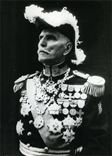 Manuel Gomes da CostaPersonManuel Gomes da Costa was a Portuguese general who launched the military coup of 28 May 1926 that overthrew the First Portuguese Republic.
 Manuel González FloresPersonManuel González Flores was a Mexican general and president from 1880 to 1884, a close ally of Porfirio Díaz, who held the office between Díaz's first and second terms.
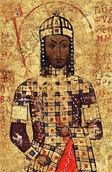 Manuel I KomnenosPersonManuel I Komnenos was Byzantine emperor from 1143 to 1180.
 Manuel I of PortugalPersonManuel I was King of Portugal from 1495 to 1521, known as the Fortunate.
 Manuel II of PortugalPersonManuel II was the last King of Portugal, succeeding at eighteen after his father Carlos I and elder brother were assassinated in Lisbon in 1908.
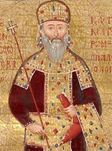 Manuel II PalaiologosPersonManuel II Palaiologos was Byzantine emperor from 1391 to 1425.
 Manuel III of TrebizondPersonManuel III was Emperor of Trebizond from 1390 to 1417, the son of Alexios III.
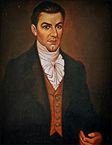 Manuel José ArcePersonManuel José Arce (1787–1847) was a Salvadoran soldier and politician who became the first president of the Federal Republic of Central America in 1825.
- Manuel KantakouzenosPersonManuel Kantakouzenos was the first despot of the Morea, the Byzantine province in the Peloponnese, ruling from Mystras from 1349 to 1380.
 Manuel L. QuezonPersonManuel L.
- Manuel LoboPersonManuel Lobo was a Portuguese soldier and colonial governor who founded Colônia do Santíssimo Sacramento in January 1680 on the northern bank of the River Plate…
- Manuel NamuncuráPersonManuel Namuncurá was a Mapuche leader who succeeded his father Juan Calfucurá as head of the Salinas Grandes confederation on the Argentine pampas in 1873.
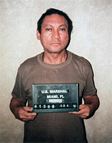 Manuel NoriegaPersonManuel Noriega was a Panamanian general who, after heading military intelligence under Omar Torrijos, became commander of the Panama Defence Forces and de facto ruler…
 Manuel PardoPersonManuel Pardo was a Peruvian businessman and politician, founder of the Civilista Party, who was president of Peru from 1872 to 1876, the first civilian elected to the…
 Manuel Pavía y Rodríguez de AlburquerquePersonManuel Pavía y Rodríguez de Alburquerque was a Spanish general.
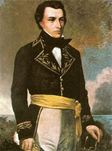 Manuel PiarPersonManuel Piar was a general of the Venezuelan war of independence, born in Curaçao.
 Manuel Rojo del Río y VieyraPersonManuel Rojo del Río y Vieyra was a Mexican-born archbishop of Manila from 1759 and acting governor of the Philippines from 1761.
 Manuel RoxasPersonManuel Roxas was the first president of the independent Republic of the Philippines, taking office in 1946 after serving as the last president of the Commonwealth.
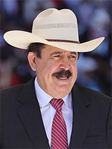 Manuel ZelayaPersonManuel Zelaya is a Honduran politician of the Liberal Party who was President of Honduras from 2006 until 28 June 2009, when the army removed him and flew him to Costa…
- Manueline styleReligion / ideaThe Manueline style is a Portuguese architectural style of the late fifteenth and early sixteenth centuries, named after King Manuel I.
 ManuhaPersonManuha was the last king of the Mon kingdom of Thaton in Lower Burma.
- ManuscriptTermA manuscript is a handwritten book or document.
- Manuscript illuminationTermManuscript illumination is the decoration of handwritten books with painted images, ornament and gold.
 Manuʻa IslandsPlaceThe Manuʻa Islands are a group of three volcanic islands, Taʻu, Ofu and Olosega, at the eastern end of the Samoan archipelago, about 100 kilometres east of Tutuila.
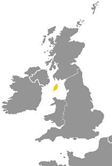 Manx languageTermManx is a Goidelic Celtic language of the Isle of Man, closely related to Irish and Scottish Gaelic.
- ManyakhetaPlaceManyakheta, modern Malkhed in the Kalaburagi district of Karnataka, was the capital of the Rashtrakuta empire from the reign of Amoghavarsha I in the early ninth…
- ManyemaPlaceManyema is a region of the eastern Democratic Republic of the Congo, west of Lake Tanganyika.
 Mao Gong dingWork / monumentThe Mao Gong ding is a Western Zhou bronze cauldron, discovered in Qishan, Shaanxi, in the 1840s, that bears the longest known inscription on an ancient Chinese bronze…
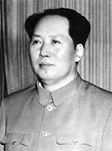 Mao ZedongPersonMao Zedong was a founding member of the Chinese Communist Party who led the Chinese Soviet Republic in Jiangxi and emerged as party leader during the Long March of…
- Māori Language Act 1987Work / monumentThe Māori Language Act 1987 made te reo Māori an official language of New Zealand and gave the right to speak it in legal proceedings.
- Map of TeozacoalcoWork / monumentThe Map of Teozacoalco is a painted map of 1580 from the Mixtec town of Teozacoalco in Oaxaca, Mexico, made for the Relaciones Geográficas ordered by Philip II of Spain.
- Mapanji GarasakanPersonMapanji Garasakan was a king in East Java in the mid-11th century, known from inscriptions issued between about 1042 and 1052.
- MappilaPeople / groupThe Mappilas are a Muslim community of Kerala on the south-west coast of India, descended largely from Arab traders who settled on the Malabar coast and from local…
 MapuchePeople / groupThe Mapuche are an indigenous people of south-central Chile and south-western Argentina.
 Mapungubwe HillPlaceMapungubwe Hill is a flat-topped sandstone hill in the Limpopo valley of northern South Africa, near the confluence with the Shashe.
- MaputalandPlaceMaputaland is a region of north-eastern KwaZulu-Natal, South Africa, between the Lubombo Mountains and the Indian Ocean, bordering Mozambique and Eswatini.
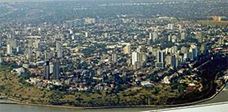 MaputoPlaceMaputo, known until 1976 as Lourenço Marques, is the capital and largest city of Mozambique, on Delagoa Bay in the far south of the country.
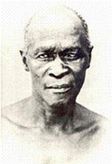 MaqomaPersonMaqoma was a Rharhabe Xhosa chief, the eldest son of Ngqika, and one of the most capable commanders of the Cape frontier wars.
- al-MaqriziPersonAl-Maqrizi was an Egyptian historian of the Mamluk period and a pupil of Ibn Khaldun, who held posts in Cairo including that of market inspector.
- Maqsud ShahPersonMaqsud Shah was the last khan of Kumul (Hami) in eastern Xinjiang, ruling from 1882 under Qing and then Chinese republican overlordship.
- Mar PiccoloPlaceThe Mar Piccolo is a shallow inner sea at Taranto in Apulia, southern Italy, linked by narrow channels to the outer bay, the Mar Grande.
- Mar, ScotlandPlaceMar is a historic province of north-east Scotland, between the rivers Dee and Don in Aberdeenshire.
- Mar-biti-apla-usurPersonMar-biti-apla-usur was king of Babylon for about six years in the late 10th century BCE, after the end of the Bazi Dynasty.
 Mara SalvatruchaPeople / groupMara Salvatrucha, or MS-13, is a criminal gang formed in the 1980s by young Salvadoran immigrants in Los Angeles, many of them refugees from the civil war.
- Mara Takla HaymanotPersonMara Takla Haymanot was an Ethiopian ruler who founded the Zagwe dynasty.
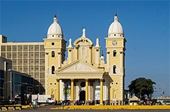 MaracaiboPlaceMaracaibo is the second-largest city of Venezuela, on the strait linking Lake Maracaibo to the Gulf of Venezuela.
- MaradPlaceMarad was an ancient Sumerian city in central Mesopotamia, west of Nippur, identified with the mound of Tell Wanna wa Sadum in Iraq.
 MaraghaPlaceMaragha is a city in north-western Iran, in the region of Azerbaijan.
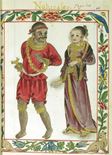 MaragtasWork / monumentThe Maragtas is a book published in 1907 by Pedro Monteclaro in Iloilo, setting out a legendary history of Panay drawn from oral tradition.
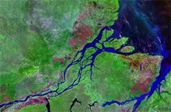 MarajóPlaceMarajó is a large island in the mouth of the Amazon river, in the state of Pará, Brazil, covering about 40,000 square kilometres of savanna, swamp and forest.
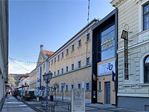 MaramureșPlaceMaramureș is a historical region in the north-eastern Carpathians, on the upper Tisza, today divided between Romania and Ukraine.
- MaranantaPersonMarananta was a Buddhist monk, said to have come from Central Asia or India, who brought Buddhism to Baekje from the Eastern Jin dynasty of China.