Encyclopedia: S
2,773 entries under S · page 15 of 28: Sho Shisho – Sidray ibn Wazir
- Sho ShishoPersonSho Shisho was king of Chuzan on Okinawa from 1407 to 1421 and the founder of the First Sho dynasty.
- Shō ShōkenPersonShō Shōken, also known as Haneji Chōshū, was a Ryukyuan prince and statesman who served as regent (sessei) of the Ryukyu Kingdom from 1666 to 1673.
 Sho TaiPersonSho Tai was the last king of the Ryukyu Kingdom, reigning from 1848 to 1879.
- Shō TaikyūPersonShō Taikyū was king of Ryukyu from 1454 to 1460, in the First Shō dynasty.
- Shō TokuPersonShō Toku was the last king of the First Shō dynasty of Ryukyu, reigning from 1461 to 1469.
 Shobak CastleWork / monumentShobak Castle is a crusader fortress in southern Jordan, built in 1115 by King Baldwin I of Jerusalem on a hill at Shobak and named Montréal, the 'royal mountain'.
- Shobha RamPersonShobha Ram was an Indian politician from Alwar who led the government of the Matsya Union, the short-lived union of the princely states of Alwar, Bharatpur, Dholpur and…
- ShōgunInstitutionShōgun was the title of the military rulers of Japan, short for Seii Taishōgun, meaning barbarian-subduing generalissimo.
- Sholoi Setsen KhanPersonSholoi Setsen Khan was the first ruler of the Setsen Khanate, one of the khanates of the Khalkha Mongols in eastern Mongolia, in the first half of the 17th century.
- ShonaPeople / groupThe Shona are a Bantu-speaking people of the Zimbabwean plateau and neighbouring areas.
 Shora NogmovPersonShora Nogmov was a Kabardian scholar, poet and officer in Russian service who laid foundations for the written study of the Kabardian language.
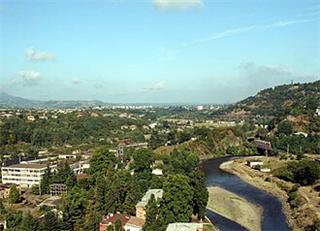 ShorapaniPlaceShorapani is a village on the Kvirila river in the Imereti region of western Georgia, site of a medieval fortress on a rocky hill.
 Shoshenq IPersonShoshenq I was a chief of the Libyan Meshwesh who became pharaoh around 943 BCE and founded the Twenty-second Dynasty of Egypt, succeeding Psusennes II peacefully.
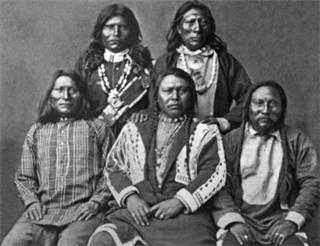 ShoshonePeople / groupThe Shoshone are a Native American people of the Great Basin, the Snake River plain and the Rocky Mountains, speaking a Numic language of the Uto-Aztecan family.
 ShoshongPlaceShoshong is a village in central Botswana, in the Shoshong Hills west of Mahalapye.
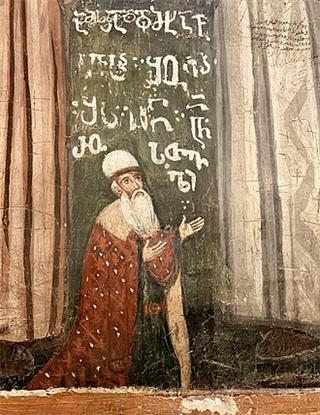 Shota RustaveliPersonShota Rustaveli was a Georgian poet of the late 12th and early 13th centuries, author of the epic The Knight in the Panther's Skin.
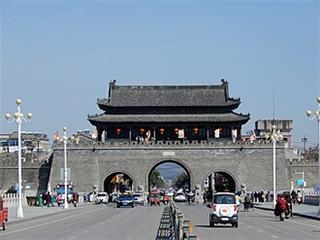 ShouchunPlaceShouchun, modern Shou County in Anhui province, China, is an ancient city on the Huai River.
- ShoumengPersonShoumeng was king of Wu from 585 to 561 BCE, the first ruler of the state recorded with firm dates.
- Shpata familyPeople / groupThe Shpata were an Albanian noble family that ruled parts of Epirus and Aetolia in the late 14th and early 15th centuries.
 ShravanabelagolaPlaceShravanabelagola is a town in Hassan district, Karnataka, India, and one of the most important pilgrimage centres of Digambara Jainism.
 ShravastiPlaceShravasti, in Pali Savatthi, was the capital of the kingdom of Kosala in northern India and one of the largest cities of the Buddha's time.
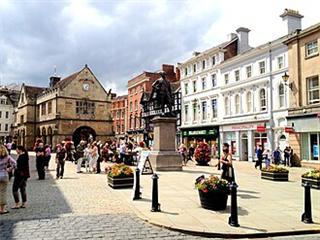 ShrewsburyPlaceShrewsbury is the county town of Shropshire, England, on a loop of the River Severn near the Welsh border.
- ShrichandraPersonShrichandra was the most powerful king of the Chandra dynasty of south-eastern Bengal, ruling in the mid-10th century.
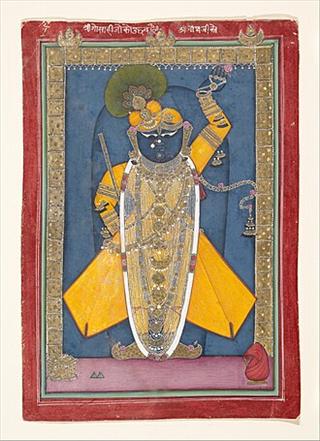 ShrinathjiReligion / ideaShrinathji is a form of the Hindu god Krishna depicted as a seven-year-old child lifting Govardhan Hill, worshipped as the principal deity of the Pushtimarg tradition…
- Shrinivasa MallaPersonShrinivasa Malla was king of Lalitpur (Patan) in the Kathmandu Valley of Nepal in the second half of the 17th century.
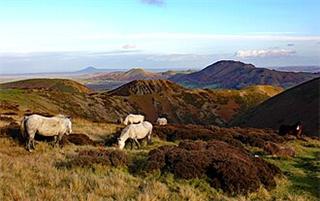 ShropshirePlaceShropshire is a rural county in the West Midlands of England, on the Welsh border and crossed by the River Severn, with Shrewsbury as its county town.
 Shroud of TurinWork / monumentThe Shroud of Turin is a linen cloth bearing the faint image of a man, venerated by many as the burial cloth of Jesus.
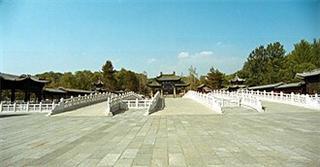 Shu Yu of TangPersonShu Yu of Tang was a son of King Wu of Zhou and younger brother of King Cheng, who received the fief of Tang in southern Shanxi in the 11th century BCE.
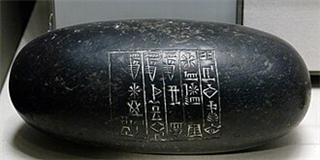 Shu-SinPersonShu-Sin was the fourth king of the Third Dynasty of Ur, who reigned for about nine years in the late 21st century BCE.
- ShudraTermShudra is the fourth of the four varnas, the classes of traditional Hindu society described in Vedic and later Sanskrit texts, below the Brahmins, Kshatriyas and…
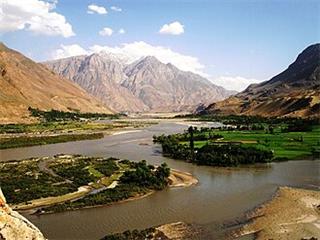 ShughnanPlaceShughnan is a mountain district of the western Pamirs on both banks of the Panj river, divided between Tajikistan, where Khorog is its main town, and Afghanistan.
 ShuihudiPlaceShuihudi is an archaeological site in Yunmeng County, Hubei, China.
- Shuisky familyPeople / groupThe Shuiskys were a Russian princely family descended from the Rurikid princes of Suzdal and Nizhny Novgorod, who entered Muscovite service in the fifteenth century.
- Shuja al-Din KhurshidPersonShuja al-Din Khurshid was a Lur chief who founded the Khorshidi dynasty of atabegs in Lesser Luristan, in the Zagros mountains of western Iran.
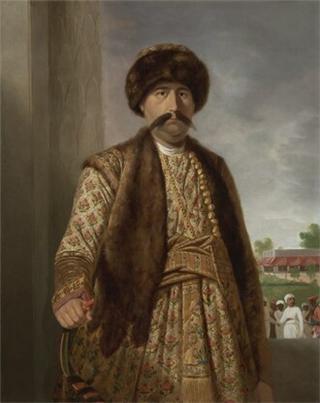 Shuja-ud-DaulaPersonShuja-ud-Daula was Nawab of Awadh from 1754 to 1775 and wazir of the Mughal Empire.
- ShukkeienWork / monumentShukkeien is a Japanese landscape garden in Hiroshima, begun in 1620 for Asano Nagaakira, the first Asano lord of the Hiroshima domain, by his tea master Ueda Sōko.
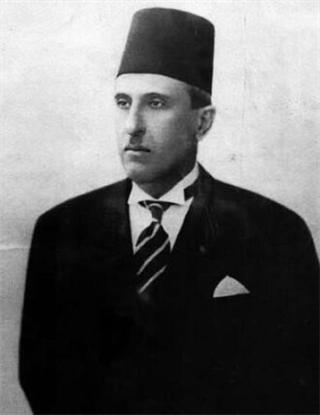 Shukri al-QuwatliPersonShukri al-Quwatli was a Syrian nationalist leader of the National Bloc who was elected president in 1943 under the French mandate.
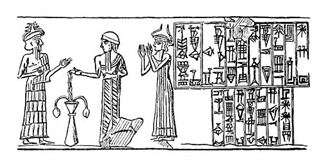 ShulgiPersonShulgi was the second king of the Third Dynasty of Ur, reigning c. 2094–2047 BCE.
- Shulü PingPersonShulü Ping was the wife of Abaoji, founder of the Liao dynasty, and a powerful figure in its early history.
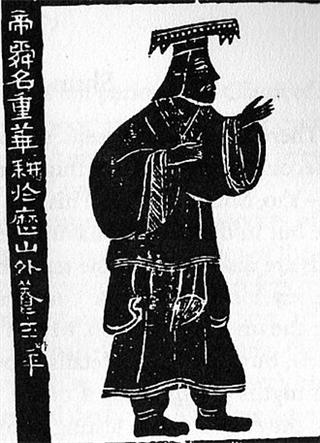 Shun (emperor)PersonShun is a legendary sage-king of early China, said to have been chosen by Emperor Yao for his virtue and filial piety and to have passed the throne to Yu the Great.
- Shunga EmpireStateThe Shunga Empire was a dynasty that ruled parts of northern and central India from the second century BCE.
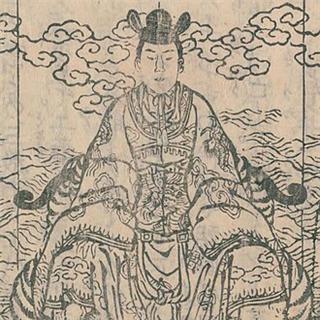 ShuntenPersonShunten is the legendary first king of Ryukyu, said in the Chūzan Seikan chronicle to have reigned from 1187 to 1237.
 Shunzhi EmperorPersonThe Shunzhi Emperor was the first emperor of the Qing Dynasty to rule over China, enthroned in Beijing in 1644 while still a child.
- Shuofang CommanderyPlaceShuofang was a Chinese commandery in the Ordos region on the great northern bend of the Yellow River, first established by Emperor Wu of Han in 127 BCE after campaigns…
- ShuqraPlaceShuqra is a small port town on the Gulf of Aden in the Abyan Governorate of southern Yemen, east of Aden.
- ShuseikanWork / monumentThe Shuseikan was an industrial complex built in Kagoshima by Shimazu Nariakira, lord of the Satsuma Domain, in the 1850s.
 ShushaPlaceShusha is a town on a mountain plateau in Karabakh, in Azerbaijan.
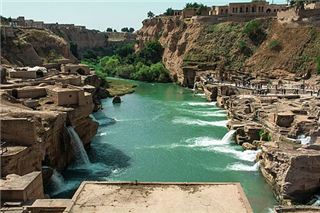 ShushtarPlaceShushtar is a city in south-western Iran on the Karun River.
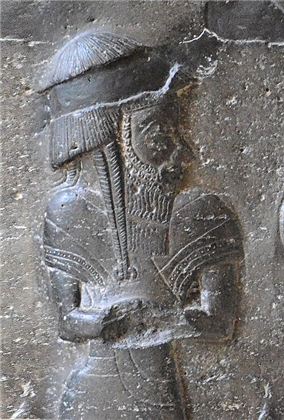 Shutruk-NahhuntePersonShutruk-Nahhunte was a king of Elam of the Shutrukid dynasty in the twelfth century BCE.
 Shutrukid dynastyStateThe Shutrukid dynasty was a ruling line of Elam in the twelfth century BCE under which Elam reached its military zenith.
- Shuttarna IIPersonShuttarna II was a king of Mitanni in the early 14th century BCE, son of Artatama I.
 Shuwa ArabsPeople / groupThe Shuwa Arabs are an Arabic-speaking people of the Lake Chad region, living in north-eastern Nigeria, northern Cameroon and Chad, and a branch of the wider Baggara…
 ShweboPlaceShwebo is a town in the Sagaing Region of upper Myanmar, north-west of Mandalay.
- ShwenankyawshinPersonShwenankyawshin, also known as Narapati II, was king of Ava in Upper Burma from 1501 to 1527.
 Shwezigon PagodaWork / monumentThe Shwezigon Pagoda is a gilded Buddhist stupa at Nyaung-U near Bagan in Myanmar, begun by King Anawrahta of Pagan and completed by Kyansittha around 1102.
- Shyaam a Mbul a NgoongPersonShyaam a Mbul a Ngoong is the founder of the Kuba kingdom in central Africa according to Bushong oral tradition, which places his reign around 1625.
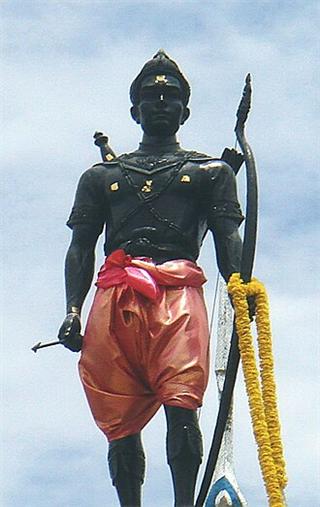 Si InthrathitPersonSi Inthrathit, originally called Bang Klang Hao, was the founder of the Sukhothai Kingdom in present-day Thailand.
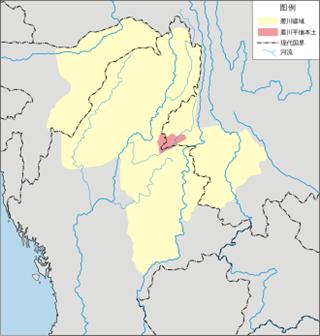 Si KefaPersonSi Kefa, in Shan tradition Hso Hkan Hpa, was a ruler of the Shan state of Mong Mao in the 14th century, on the upper Shweli river in today's Yunnan and Myanmar.
- Si RenfaPersonSi Renfa was ruler of Mong Mao, a Shan state on the borders of present-day Yunnan and Myanmar, in the early 15th century.
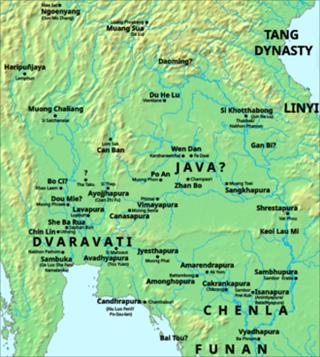 Si SatchanalaiPlaceSi Satchanalai is a historic city on the Yom River in northern Thailand, the twin city of Sukhothai and seat of its viceroys.
- Si ThepPlaceSi Thep is an ancient city in Phetchabun province in central Thailand, with a double moated town and monuments of the Dvaravati period and later Khmer influence, from…
 Siad BarrePersonSiad Barre was a Somali army general who seized power in a coup on 21 October 1969, days after the assassination of President Abdirashid Ali Shermarke, and ruled the…
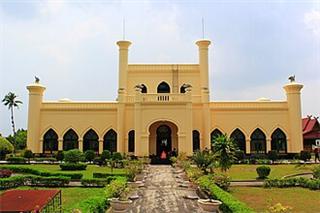 Siak Sri Indrapura PalaceWork / monumentThe Siak Sri Indrapura Palace, formally Asserayah Hasyimiah, is the palace of the sultans of Siak in Riau province, Sumatra, Indonesia.
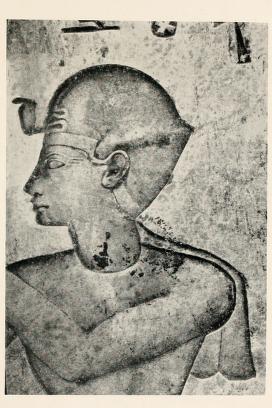 SiamunPersonSiamun was a king of the Twenty-first Dynasty of Egypt, ruling from Tanis for about nineteen years in the 10th century BCE.
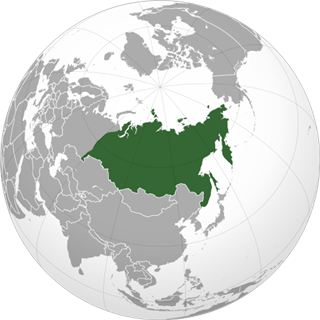 SiberiaPlaceSiberia is the vast region of northern Asia extending from the Ural Mountains to the Pacific.
 Sibghatullah MojaddediPersonSibghatullah Mojaddedi was an Afghan religious scholar from a leading Sufi family and leader of a moderate mujahideen party during the Soviet–Afghan War.
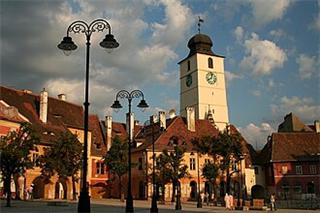 SibiuPlaceSibiu, German Hermannstadt, is a city in central Romania, in southern Transylvania.
 SibuPlaceSibu is a town on the lower Rajang River in central Sarawak, Malaysia.
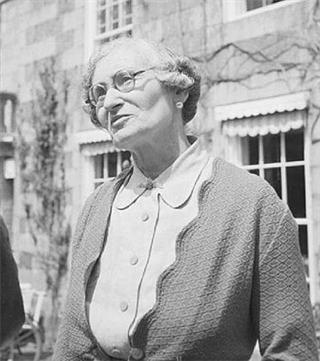 Sibyl HathawayPersonSibyl Hathaway was the Dame of Sark, the feudal ruler of the Channel Island of Sark, from 1927 until her death in 1974.
- Sibylla Augusta of Saxe-LauenburgPersonSibylla Augusta of Saxe-Lauenburg was the wife of Margrave Louis William of Baden-Baden, the commander known as 'Turkish Louis'.
 Sibylla, Queen of JerusalemPersonSibylla was Queen of Jerusalem from 1186 to 1190, daughter of Amalric I and sister of the leper king Baldwin IV.
- Sicard of BeneventoPersonSicard was the Lombard prince of Benevento from 832 to 839.
 Sicca VeneriaPlaceSicca Veneria was an ancient town in north-western Tunisia, on the site of modern El Kef, named after its sanctuary of a goddess identified with Venus.
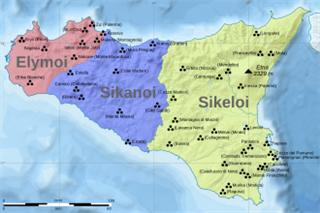 SicelsPeople / groupThe Sicels were an ancient people of eastern Sicily, who gave the island its name.
- SichelgaitaPersonSichelgaita was a Lombard princess, daughter of Guaimar IV of Salerno, who married the Norman leader Robert Guiscard in 1058.
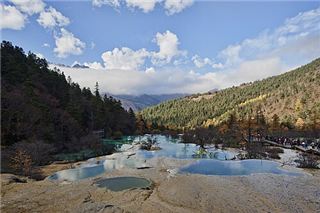 SichuanPlaceSichuan is a province of south-western China, centred on a fertile basin.
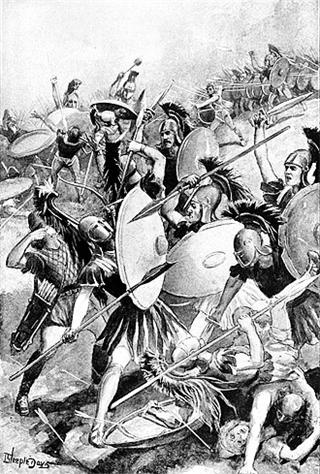 Sicilian ExpeditionCampaign · 415–413 BCEThe Sicilian Expedition was the Athenian invasion of Sicily during the Peloponnesian War, launched in 415 BCE on the pretext of aiding Segesta against Selinus and aimed…
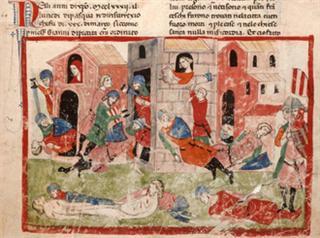 Sicilian VespersRevolt · 1282The Sicilian Vespers was the uprising that began in Palermo at Easter 1282 against the rule of Charles I of Anjou in Sicily.
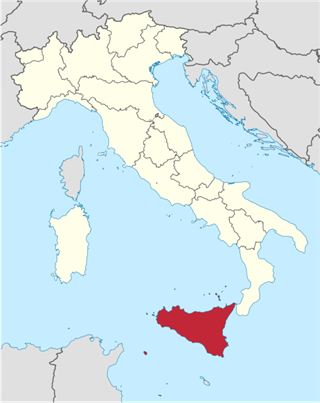 SicilyPlaceSicily is the largest island in the Mediterranean, off the southern tip of Italy.
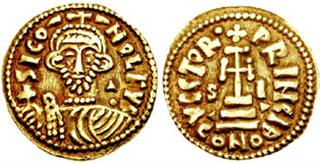 SiconulfPersonSiconulf was the first Prince of Salerno.
 SicuaniPlaceSicuani is a town in the Cusco Region of southern Peru, on the Vilcanota river at about 3,550 m, and the capital of Canchis Province.
- Siculo-ArabicTermSiculo-Arabic was the variety of Arabic spoken in Sicily and Malta from the Islamic conquest in the 9th century.
 Siddhi Narasimha MallaPersonSiddhi Narasimha Malla was a Malla king of Lalitpur (Patan) in the Kathmandu Valley, ruling from about 1620 until 1661 as head of a separate kingdom alongside Kantipur…
- SiddisPeople / groupThe Siddis are a community of African descent in South Asia.
- Siddoji Rao GhorpadePersonSiddoji Rao Ghorpade was a member of the Maratha Ghorpade family who took the valley of Sandur in the Deccan around 1713.
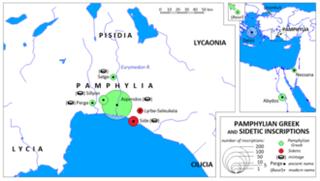 Sidetic languageTermSidetic was an Anatolian language spoken at Side on the Pamphylian coast of southern Turkey, related to Luwian and Lycian.
- Sidi Ahmed ou MoussaPersonSidi Ahmed ou Moussa was a Sufi saint of the Sous region of southern Morocco who taught in the Tazeroualt and died there in 1563.
 Sidi Bel AbbèsPlaceSidi Bel Abbès is a city in north-western Algeria, south of Oran, that grew from a French military post established in the 1840s.
 Sidi FredjPlaceSidi Fredj, known to the French as Sidi Ferruch, is a small peninsula on the Mediterranean coast about 25 km west of Algiers.
 Sidi Saiyyed MosqueWork / monumentThe Sidi Saiyyed Mosque is a mosque in Ahmedabad, Gujarat, built in 1572–1573 in the last years of the Gujarat Sultanate by Sidi Saiyyed, a noble of Abyssinian origin.
- Sidney HillPersonSidney Hill is the Tadodaho, the chief who presides over the Grand Council of the Haudenosaunee, chosen from the Onondaga Nation.
 Sidney HollandPersonSidney Holland was Prime Minister of New Zealand from 1949 to 1957, leading the First National Government.
- Sidney ShippardPersonSir Sidney Shippard was a British colonial official and judge in southern Africa.
- SidoPersonSido was a Suebian king of the 1st century CE who, with his brother Vangio, overthrew their uncle Vannius in 50 CE and shared his kingdom north of the Danube.
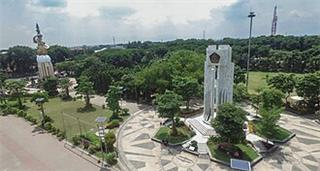 SidoarjoPlaceSidoarjo is a town and regency in East Java, Indonesia, on the Brantas delta just south of Surabaya.
 Sidon Sea CastleWork / monumentThe Sidon Sea Castle is a crusader fortress built in 1228 on a small island off the harbour of Sidon in Lebanon, linked to the shore by a causeway.
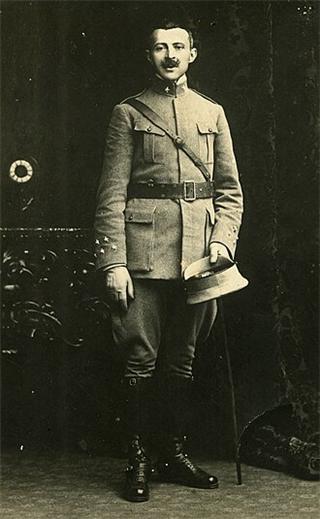 Sidónio PaisPersonSidónio Pais was a Portuguese army officer and politician who seized power in a coup in December 1917 and ruled the First Portuguese Republic as an authoritarian…
 Sidonius ApollinarisPersonSidonius Apollinaris was a Gallo-Roman aristocrat, poet and bishop of Clermont from about 470.
- SidqaPersonSidqa was king of the Philistine city of Ashkelon in the late 8th century BCE.
- Sidray ibn WazirPersonSidray ibn Wazir was a commander of the Banu Wazir family in the west of al-Andalus who, in the revolt against the Almoravids in 1144, took Beja and Évora and ruled…