Encyclopedia: G
1,429 entries under G · page 7 of 15: Gildas – Glaukias
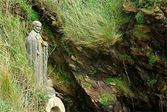 GildasPersonGildas was a 6th-century British monk whose Latin work On the Ruin of Britain (De Excidio Britanniae) is the only contemporary narrative source for post-Roman Britain.
 GildoPersonGildo was a Berber prince, son of Nubel and brother of Firmus, who served Rome as military commander in Africa from 386.
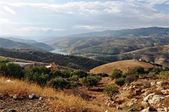 GileadPlaceGilead is the hilly region east of the Jordan River, on both sides of the Jabbok, in present-day north-western Jordan.
- GilgameshPersonGilgamesh was a king of Uruk in the Early Dynastic period, perhaps around 2700 BCE, who became the hero of the oldest great epic of world literature.
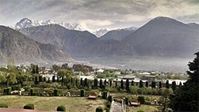 GilgitPlaceGilgit is the capital of Gilgit-Baltistan in northern Pakistan, on the Gilgit river near its junction with the Hunza.
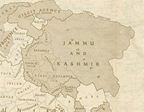 Gilgit AgencyPlaceThe Gilgit Agency was a British political agency in the far north of the Indian empire, set up in 1877 and permanently from 1889, to watch the passes towards Russian…
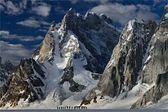 Gilgit-BaltistanPlaceGilgit-Baltistan is a territory administered by Pakistan in the north of the disputed Kashmir region, bordering China and Afghanistan.
- Gillo PontecorvoPersonGillo Pontecorvo (1919–2006) was an Italian film director and former anti-fascist partisan.
 Gilmar PisasPersonGilmar Pisas is a Curaçao politician who has been prime minister of Curaçao, a country within the Kingdom of the Netherlands, since 2021.
- GilukhipaPersonGilukhipa was a Mitanni princess, daughter of King Shuttarna II, who was sent to Egypt to marry Pharaoh Amenhotep III in his tenth regnal year, around 1380 BCE.
 GimhaePlaceGimhae is a city in South Gyeongsang province, South Korea, west of Busan near the mouth of the Nakdong River.
- GimryPlaceGimry is an Avar village in the mountains of Dagestan, Russia, the birthplace of both Ghazi Muhammad, the first imam of the Caucasian Imamate, and Imam Shamil.
 Ginevra de' BenciWork / monumentGinevra de' Benci is a portrait by Leonardo da Vinci of a young Florentine noblewoman, painted around 1474–1478.
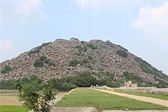 GingeePlaceGingee, also called Senji, is a town in Viluppuram district of Tamil Nadu, India, known for its great fortress spread over three granite hills.
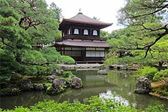 Ginkaku-jiWork / monumentGinkaku-ji, the Temple of the Silver Pavilion, is a Zen temple in eastern Kyoto, Japan, built from 1482 as the retirement villa of the shogun Ashikaga Yoshimasa.
- GinuwaPersonGinuwa was a prince of the Benin Empire who, according to Itsekiri tradition, left Benin around 1480 with a group of followers and settled in the creeks of the western…
- Giordano PierleoniPersonGiordano Pierleoni was a member of the powerful Roman Pierleoni family and brother of the antipope Anacletus II.
- Giorgio III GhisiPersonGiorgio III Ghisi was the last Ghisi lord of Tinos and Mykonos in the Cyclades.
- Giorgio InterianoPersonGiorgio Interiano was a Genoese traveller and writer who visited Circassia in the late fifteenth century.
 Giorgio VasariPersonGiorgio Vasari was an Italian painter, architect and writer from Arezzo who worked for Cosimo I de' Medici in Florence.
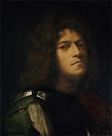 GiorgionePersonGiorgione was a Venetian painter of the High Renaissance from Castelfranco Veneto.
- Giosafat BarbaroPersonGiosafat Barbaro was a Venetian merchant, diplomat and traveller.
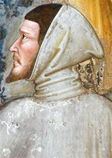 GiottoPersonGiotto di Bondone was a Florentine painter and architect whose naturalistic figures and sense of space broke with the Byzantine style and laid foundations for…
 Giovanni Antonio Orsini del BalzoPersonGiovanni Antonio Orsini del Balzo, Prince of Taranto, was the most powerful baron of the Kingdom of Naples in the 15th century, holding much of Apulia.
- Giovanni Antonio RanzaPersonGiovanni Antonio Ranza was a Piedmontese priest-scholar turned Jacobin publicist who, with Ignazio Bonafous, proclaimed the short-lived Republic of Alba in April 1796…
 Giovanni Battista AleottiPersonGiovanni Battista Aleotti was an Italian architect and engineer from Argenta who worked for the dukes of Ferrara and later for the Farnese of Parma.
- Giovanni Battista BoginoPersonGiovanni Battista Lorenzo Bogino was a Piedmontese statesman and minister of Charles Emmanuel III of Sardinia, responsible for war and for the affairs of Sardinia from…
- Giovanni Battista CairatoPersonGiovanni Battista Cairato was an Italian military architect from Milan who served Philip II as chief engineer of the Portuguese possessions in Asia from the 1580s.
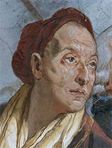 Giovanni Battista TiepoloPersonGiovanni Battista Tiepolo was a Venetian painter, the leading European decorative painter of the 18th century.
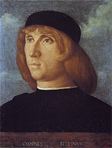 Giovanni BelliniPersonGiovanni Bellini was a Venetian painter who, more than anyone, made Venice a leading centre of Renaissance art.
 Giovanni BoccaccioPersonGiovanni Boccaccio (1313–1375) was an Italian writer and humanist, born in or near Florence, who spent his youth in Naples in the circle of the court of King Robert of…
- Giovanni ChiariniPersonGiovanni Chiarini was an Italian engineer and explorer who joined Antonio Cecchi's expedition to the Gibe region of south-western Ethiopia.
- Giovanni di VicoPersonGiovanni di Vico was prefect of Rome and lord of Viterbo and much of northern Lazio in the mid-14th century, while the popes lived at Avignon.
 Giovanni Giustiniani LongoPersonGiovanni Giustiniani Longo (died 1453) was a Genoese soldier from a leading family of Chios who brought some 700 men to Constantinople in January 1453.
 Giovanni II BentivoglioPersonGiovanni II Bentivoglio was the effective ruler of Bologna from 1463 to 1506, governing through the city's councils while keeping its formal ties to the Papal States.
 Giovanni MalatestaPersonGiovanni Malatesta, known as Gianciotto, was a son of Malatesta da Verucchio, lord of Rimini, and served as podestà of Pesaro.
- Giovanni Maria da VaranoPersonGiovanni Maria da Varano was lord and from 1515 the first Duke of Camerino in the Marche.
- Giovanni Maria LeriaPersonGiovanni Maria Leria was an Italian Jesuit missionary who lived in Vientiane, capital of Lan Xang, in the 1640s during the reign of Sourigna Vongsa.
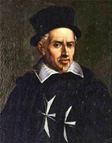 Giovanni Paolo LascarisPersonGiovanni Paolo Lascaris was Grand Master of the Knights Hospitaller from 1636 to 1657, one of the longest reigns in the order's history.
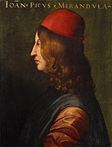 Giovanni Pico della MirandolaPersonGiovanni Pico della Mirandola (1463–1494) was an Italian Renaissance philosopher, a younger son of the lords of Mirandola.
 Giovanni PisanoPersonGiovanni Pisano was an Italian sculptor and architect, son of Nicola Pisano, whose dramatic, Gothic figures moved beyond his father's classical style.
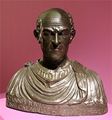 Giovanni PontanoPersonGiovanni Pontano (1426–1503) was an Italian humanist, poet and statesman.
- Giovanni ScribaPersonGiovanni Scriba was a Genoese notary of the twelfth century whose surviving register, covering the years 1154 to 1164, is the oldest notarial cartulary in Europe.
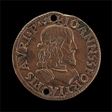 Giovanni SforzaPersonGiovanni Sforza was lord of Pesaro from 1483 and the first husband of Lucrezia Borgia, whom he married in 1493.
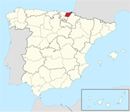 GipuzkoaPlaceGipuzkoa is the smallest province of Spain and one of the three provinces of the Basque Country, on the Bay of Biscay along the French border, with its capital at San…
 GiraldaWork / monumentThe Giralda is the bell tower of Seville Cathedral, originally built as the minaret of the Great Mosque of Seville under the Almohad Caliphate in the late twelfth…
- Girard II of RoussillonPersonGirard II was the last count of Roussillon from the local dynasty, ruling from Perpignan.
 Giray dynastyPeople / groupThe Giray dynasty was the ruling house of the Crimean Khanate from its foundation around 1441 until the Russian annexation in 1783.
 GiresunPlaceGiresun, the ancient Kerasous (Cerasus), is a port city on the Black Sea coast of north-eastern Turkey.
- GirnarPlaceGirnar is a group of volcanic peaks near Junagadh in Gujarat, India, sacred to Jains and Hindus.
- Girolamo DurazzoPersonGirolamo Luigi Durazzo was a Genoese nobleman and politician of the Durazzo family, one of the leading houses of the old Republic of Genoa.
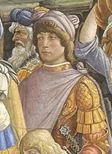 Girolamo RiarioPersonGirolamo Riario was a nephew of Pope Sixtus IV, who acquired Imola for him in 1473 and added Forlì in 1480.
 Girolamo SavonarolaPersonGirolamo Savonarola (1452–1498) was a Dominican friar from Ferrara who preached in Florence from 1490, denouncing corruption in the church and the luxury of the Medici.
- Girolamo SerraPersonGirolamo Serra was a Genoese patrician and historian who headed the provisional government of the restored Republic of Genoa in 1814.
 GironaPlaceGirona is a city in north-eastern Catalonia, Spain, at the confluence of the Onyar and Ter rivers.
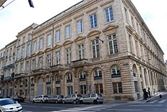 GirondePlaceGironde is a department of south-west France, in the Nouvelle-Aquitaine region, with its prefecture at Bordeaux.
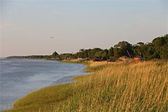 Gironde estuaryPlaceThe Gironde estuary is the great estuary formed by the meeting of the Garonne and Dordogne rivers below Bordeaux in south-west France, about 75 km long and the largest…
- GirsuPlaceGirsu was a Sumerian city in southern Iraq, at the mound now called Telloh, and the religious and political capital of the state of Lagash for much of the 3rd…
 Gisela of BavariaPersonGisela of Bavaria was the first queen of Hungary, wife of King Stephen I and sister of Emperor Henry II.
- Gislebert of MonsPersonGislebert of Mons was a cleric and chancellor of Count Baldwin V of Hainaut.
- GisoPersonGiso was queen of the Rugians, wife of King Feletheus.
 GisorsPlaceGisors is a town on the Epte in the Eure department of Normandy, in the Vexin.
- Gissur ÞorvaldssonPersonGissur Þorvaldsson was an Icelandic chieftain of the Haukdælir family and a leading figure of the Sturlung Age.
 Gisulf I of FriuliPersonGisulf I was the first Lombard Duke of Friuli, a nephew of King Alboin, who left him at Forum Iulii, modern Cividale, around 568 to guard the passes into Italy from the…
- Gisulf II of FriuliPersonGisulf II was Duke of Friuli from about 590 to 610.
 Gisulf II of SalernoPersonGisulf II was the last Lombard Prince of Salerno, ruling from 1052.
 Gita GovindaWork / monumentThe Gita Govinda is a Sanskrit lyrical poem of the 12th century by Jayadeva, describing the love of the god Krishna and the cowherd Radha.
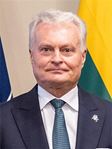 Gitanas NausėdaPersonGitanas Nausėda is a Lithuanian economist and politician who has been president of Lithuania since 2019.
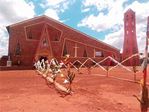 GitegaPlaceGitega is the political capital of Burundi and one of its largest cities, in the central highlands.
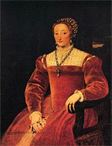 Giulia da VaranoPersonGiulia da Varano was Duchess of Camerino, the heiress of Duke Giovanni Maria da Varano.
 Giuliano de' MediciPersonGiuliano de' Medici (1453–1478) was the younger brother of Lorenzo de' Medici and a prominent figure of Florentine society, celebrated in the poetry of Poliziano.
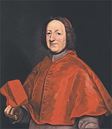 Giulio AlberoniPersonGiulio Alberoni was an Italian cardinal and statesman who, as chief minister of Philip V of Spain from 1715 to 1719, tried to restore Spanish power in Italy and…
- Giulio Cesare da VaranoPersonGiulio Cesare da Varano was lord of Camerino from 1444, a condottiero and patron who rebuilt the ducal palace.
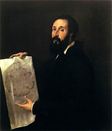 Giulio RomanoPersonGiulio Romano (c. 1499–1546) was an Italian painter and architect, a pupil and leading assistant of Raphael in Rome.
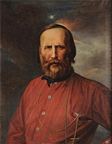 Giuseppe GaribaldiPersonGiuseppe Garibaldi was an Italian revolutionary and soldier, born in Nice.
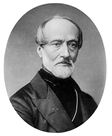 Giuseppe MazziniPersonGiuseppe Mazzini was a Genoese revolutionary and founder of Young Italy, who campaigned for a united, republican Italy.
 Giuseppe PrinaPersonGiuseppe Prina was finance minister of the Napoleonic Kingdom of Italy from 1805.
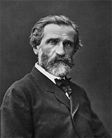 Giuseppe VerdiPersonGiuseppe Verdi was an Italian opera composer, born at Le Roncole near Busseto in the Duchy of Parma.
 Giustiniani familyPeople / groupThe Giustiniani were a Genoese family association formed in 1362 by the shareholders of the Maona of Chios, who took the common surname and governed the island of Chios…
 Giusto de' MenabuoiPersonGiusto de' Menabuoi was a Florentine painter who worked mainly in Padua under the Carrara lords.
 GizaPlaceGiza is a city on the west bank of the Nile opposite Cairo, now part of Greater Cairo.
- GjakovaPlaceGjakova, in Serbian Đakovica, is a city in western Kosovo, in the Metohija plain near the Albanian border.
 Gjergj ArianitiPersonGjergj Arianiti was an Albanian lord of the Arianiti family, whose lands lay in central Albania along the Shkumbin valley.
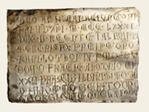 Gjergj ThopiaPersonGjergj Thopia was lord of Durrës and the last ruler of the Thopia family's Principality of Albania, succeeding his father Karl Thopia in 1388.
 Gjin Bua ShpataPersonGjin Bua Shpata was an Albanian chieftain who, after Albanian clans killed the despot Nikephoros II Orsini in 1359, took Angelokastron and Lepanto in Aetolia and ruled…
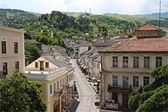 GjirokastërPlaceGjirokastër is a town in southern Albania, built on a mountainside above the Drino valley and dominated by a large castle.
 Gjon KastriotiPersonGjon Kastrioti was an Albanian lord who built a principality in the Mat valley and Dibër region, reaching towards the Adriatic near Lezhë.
 Gjon Marka GjoniPersonGjon Marka Gjoni was the hereditary captain of the Catholic Mirdita clan region of northern Albania.
- Gjon ZenebishiPersonGjon Zenebishi was an Albanian chieftain who took the fortress of Gjirokastër around 1386 and ruled a principality in southern Albania and Epirus.
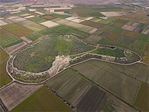 GlaPlaceGla is a Mycenaean fortress on a rocky outcrop that was once an island in Lake Copais in Boeotia, Greece.
- GladPersonGlad is a duke named in the Gesta Hungarorum as ruler of the land between the Mureș, the Tisza and the Danube, the later Banat, at the time of the Hungarian conquest…
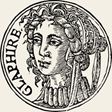 GlaphyraPersonGlaphyra was a Cappadocian princess, daughter of King Archelaus of Cappadocia.
- GlappePersonGlappe was a leader of the Warmians, one of the Baltic Prussian peoples, during the Great Prussian Uprising against the Teutonic Order that began in 1260.
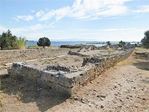 GlarentzaPlaceGlarentza was a medieval port on the north-western coast of the Peloponnese, near modern Kyllini, and the main harbour of the Principality of Achaea, where its mint…
 GlasgowPlaceGlasgow is the largest city in Scotland, on the River Clyde.
- GlassmakingTermGlassmaking is the craft of producing glass objects.
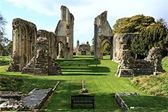 Glastonbury AbbeyInstitutionGlastonbury Abbey was a Benedictine monastery in Somerset, south-west England, founded by the seventh century and patronised by the West Saxon kings.
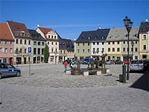 GlauchauPlaceGlauchau is a town on the Zwickauer Mulde in western Saxony, Germany.
- Glaucus of ChiosPersonGlaucus of Chios was a Greek metalworker of the Archaic period whom Herodotus credits with inventing the welding of iron.
 GlaukiasPersonGlaukias was king of the Taulantii, an Illyrian people on the Adriatic coast around Epidamnus, in the late 4th century BCE.