Encyclopedia: P
1,704 entries under P · page 10 of 18: Phra Khlang – Pinedjem I
- Phra KhlangTermThe Phra Khlang was the Siamese minister of the treasury, whose department under the Ayutthaya and early Bangkok kings also managed royal trade, the ports and relations…
- Phra Mueang KaeoPersonPhra Mueang Kaeo was a king of Lan Na from 1495 to 1525, the last strong ruler of its golden age.
- Phra Ong MahawangsaPersonPhra Ong Mahawangsa was, according to the Kedah Annals, the ruler of Old Kedah who converted to Islam in 1136 and took the name Sultan Mudzaffar Shah.
 Phra Phuttha ChinnaratWork / monumentPhra Phuttha Chinnarat is a gilded bronze seated Buddha image in Wat Phra Si Rattana Mahathat in Phitsanulok, Thailand, cast in the late Sukhothai style, probably in…
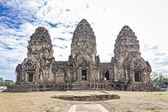 Phra Prang Sam YotWork / monumentPhra Prang Sam Yot is a temple in Lopburi, Thailand, with three linked towers in the Khmer style.
 Phra Ruang dynastyStateThe Phra Ruang dynasty was the ruling house of the Sukhothai Kingdom in Thailand from about 1238 to 1438.
 Phra That Si Song RakWork / monumentPhra That Si Song Rak is a stupa at Dan Sai in Loei Province, Thailand, built between 1560 and 1563 to commemorate the alliance between King Setthathirath of Lan Xang…
- PhraaspaPlacePhraaspa was a royal city of Media Atropatene in north-western Iran.
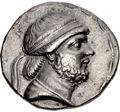 Phraates IIPersonPhraates II was a king of the Parthian Empire in the second half of the second century BCE, son of Mithridates I.
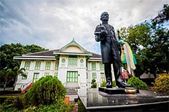 PhraePlacePhrae is a town and province on the Yom River in northern Thailand.
- PhraortesPersonPhraortes was a king of the Medes, dated by the site to c. 675–653 BCE and possibly to be identified with the rebel leader Kashtaritu.
 Phraya Phahon PhonphayuhasenaPersonPhraya Phahon Phonphayuhasena was a Thai army officer, the senior leader of the People's Party that carried out the revolution of 24 June 1932, ending absolute monarchy…
 PhrygiaPlacePhrygia was a region of west-central Anatolia, named after the Phrygians, who formed a kingdom there in the early first millennium BCE with its capital at Gordion and…
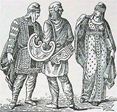 PhrygiansPeople / groupThe Phrygians were an Indo-European people who settled in central and western Anatolia after the collapse of the Hittite Empire around 1200 BCE, probably migrating from…
- Phrynichus (tragic poet)PersonPhrynichus was an Athenian tragic poet of the generation before Aeschylus, said to have been the first to put female characters on stage.
- PhthiaPlacePhthia was a region of southern Thessaly in ancient Greece, celebrated in Homer as the homeland of Achilles and his Myrmidons.
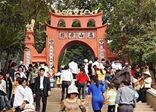 Phu Tho provincePlacePhu Tho is a province of northern Vietnam, north-west of Hanoi, where the Red River leaves the mountains.
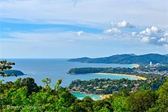 PhuketPlacePhuket is the largest island of Thailand, in the Andaman Sea off the west coast of the Malay Peninsula.
 Phùng HưngPersonPhùng Hưng was a local leader in Tang-ruled Annan, in northern Vietnam, who led a revolt against heavy taxation in the late 8th century.
 Phuntsog NamgyalPersonPhuntsog Namgyal was the first Chogyal, or king, of Sikkim, consecrated at Yuksom in 1642 by three Tibetan Buddhist lamas.
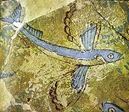 PhylakopiPlacePhylakopi is a Bronze Age town site on the north coast of Melos in the Cyclades, Greece.
- Pi (mathematical constant)Religion / ideaPi is the mathematical constant equal to the ratio of a circle's circumference to its diameter, approximately 3.1416.
 Pi-RamessesPlacePi-Ramesses was the capital built by Ramesses II in the eastern Nile Delta, at modern Qantir, on the site of the older city of Avaris.
 Piast dynastyPeople / groupThe Piast dynasty was the first historical ruling house of Poland, from Mieszko I, baptised in 966, to the death of Casimir III the Great in 1370.
 PiauíPlacePiauí is a state in north-eastern Brazil, with its capital at Teresina, and the only north-eastern state whose capital lies inland.
- PiavePlaceThe Piave is a river of north-eastern Italy that flows from the Carnic Alps through the Veneto to the Adriatic Sea north-east of Venice.
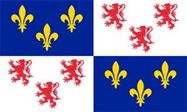 PicardyPlacePicardy is a historical region of northern France, centred on the Somme valley, with Amiens as its main city and Beauvais and Saint-Quentin among its towns.
- PicenumPlacePicenum was the ancient name of the region of Italy between the Apennines and the Adriatic, roughly the southern Marche and northern Abruzzo, home of the Picentes.
 Pichincha ProvincePlacePichincha is a province in the northern highlands of Ecuador, containing the capital, Quito, and named after the Pichincha volcano that rises above the city.
 PicquignyPlacePicquigny is a small town on the Somme in Picardy, northern France.
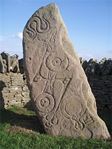 PictsPeople / groupThe Picts were the people of northern and eastern Scotland in late antiquity and the early Middle Ages, first named by a Roman writer in 297.
- PIDEInstitutionPIDE was the political police of Portugal's Estado Novo.
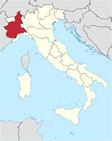 PiedmontPlacePiedmont is a region of north-western Italy, enclosed on three sides by the Alps and Apennines, with Turin as its capital.
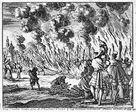 Piedmontese EasterEventThe Piedmontese Easter was the massacre of Waldensian Protestants in the valleys west of Turin by troops of the Duchy of Savoy in April 1655.
- Pieds-noirsPeople / groupThe pieds-noirs were people of European origin who settled in French Algeria during colonial rule.
 Pier Luigi FarnesePersonPier Luigi Farnese was the son of Pope Paul III, who created for him the Duchy of Castro in 1537 and the Duchy of Parma and Piacenza in 1545.
- PieriaPlacePieria is a region of Central Macedonia in northern Greece, lying between Mount Olympus and the western shore of the Thermaic Gulf, with Katerini as its main town.
 Piero di Lorenzo de' MediciPersonPiero di Lorenzo de' Medici (1472–1503), known as Piero the Unfortunate, was the eldest son of Lorenzo de' Medici and ruler of Florence from 1492 to 1494.
 Piero SoderiniPersonPiero Soderini was a Florentine statesman elected gonfaloniere of justice for life in 1502, leading the republic restored after the expulsion of the Medici in 1494.
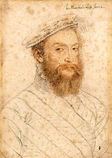 Piero StrozziPersonPiero Strozzi was a Florentine exile and soldier, the son of Filippo Strozzi, who fought against the Medici and became a marshal of France.
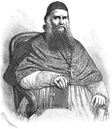 Pierre BataillonPersonPierre Bataillon was a French Marist missionary who led the Catholic mission to Wallis Island from 1837.
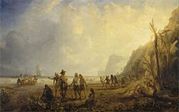 Pierre Belain d'EsnambucPersonPierre Belain d'Esnambuc was a Norman sea captain who founded the first permanent French colony in the Caribbean.
- Pierre BoissonPersonPierre Boisson was a French colonial administrator who, as governor-general of French West Africa from 1940, kept the federation loyal to the Vichy regime and repelled…
 Pierre BuyoyaPersonPierre Buyoya was a Tutsi army officer who twice seized power in Burundi, ruling from 1987 to 1993 and again from 1996 to 2003.
 Pierre ChanelPersonPierre Chanel (1803–1841) was a French Catholic priest of the Marist order who landed on Futuna in 1837 as one of the first missionaries in the western Pacific.
 Pierre CorneillePersonPierre Corneille was a French dramatist, one of the three great playwrights of seventeenth-century France with Molière and Racine.
 Pierre d'AubussonPersonPierre d'Aubusson was Grand Master of the Knights Hospitaller from 1476 to 1503.
 Pierre de BrézéPersonPierre de Brézé was a French nobleman, soldier and leading adviser of Charles VII, grand seneschal of Normandy.
 Pierre de CastelnauPersonPierre de Castelnau was a Cistercian monk and papal legate sent by Pope Innocent III to combat Catharism in Languedoc.
 Pierre de La BaumePersonPierre de La Baume was bishop of Geneva from 1522 and the last bishop to reside in the city.
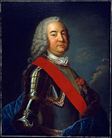 Pierre de Rigaud, Marquis de Vaudreuil-CavagnialPersonPierre de Rigaud, Marquis de Vaudreuil-Cavagnial, was the last governor general of New France, from 1755 to 1760, and the first born in Canada.
- Pierre DevalPersonPierre Deval was the French consul in Algiers in the 1820s.
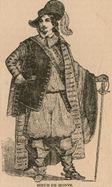 Pierre Dugua de MonsPersonPierre Dugua de Mons was a Huguenot merchant and nobleman from Saintonge who held the French royal monopoly of the fur trade in North America.
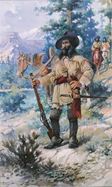 Pierre Gaultier de Varennes, sieur de La VérendryePersonPierre Gaultier de Varennes, sieur de La Vérendrye, was a French-Canadian officer, fur trader and explorer.
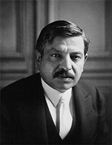 Pierre LavalPersonPierre Laval was a French politician who served as prime minister in the 1930s and became the leading figure of collaboration in Vichy France.
 Pierre Le BaudPersonPierre Le Baud was a Breton priest and historian in the service of the dukes of Brittany and of Anne of Brittany.
 Pierre Le Moyne d'IbervillePersonPierre Le Moyne d'Iberville was a soldier and explorer born in New France.
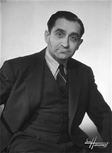 Pierre Mendès FrancePersonPierre Mendès France was a French Radical politician and prime minister from June 1954 to February 1955.
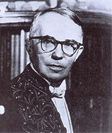 Pierre MontetPersonPierre Montet was a French Egyptologist.
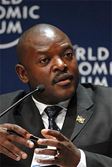 Pierre NkurunzizaPersonPierre Nkurunziza was a Hutu former rebel commander of the CNDD-FDD who became president of Burundi in 2005, after the civil war.
 Pierre Pigneau de BehainePersonPierre Pigneau de Behaine was a French Catholic missionary and titular bishop of Adran who supported Nguyen Anh in his war against the Tay Son.
 Pierre PoivrePersonPierre Poivre was a French horticulturist and administrator who served as intendant of the Isle de France (Mauritius) and Bourbon from 1767 to 1772.
- Pierre Rousseau (journalist)PersonPierre Rousseau was a French writer and publisher from Toulouse who founded the Journal encyclopédique in Liège in 1756.
 Pierre Savorgnan de BrazzaPersonPierre Savorgnan de Brazza was an Italian-born French explorer of the Ogooué and Congo basins.
 Pierre TrudeauPersonPierre Trudeau was a Liberal prime minister of Canada from 1968 to 1979 and from 1980 to 1984.
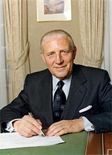 Pierre WernerPersonPierre Werner was a Luxembourg Christian Social politician who served as prime minister from 1959 to 1974 and again from 1979 to 1984.
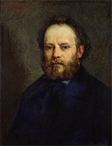 Pierre-Joseph ProudhonPersonPierre-Joseph Proudhon was a French socialist thinker and the first person to call himself an anarchist.
 Pierre-Paul de La GrandièrePersonPierre-Paul de La Grandière was a French admiral and governor of Cochinchina from 1863 to 1868.
 Piet CronjéPersonPiet Cronjé was a Boer general of the South African Republic.
 Piet HeynPersonPiet Heyn was a Dutch naval officer and privateer in the service of the Dutch West India Company.
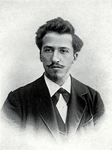 Piet MondrianPersonPiet Mondrian was a Dutch painter and a pioneer of abstract art.
 Piet RetiefPersonPiet Retief was a Voortrekker leader from the eastern Cape Colony who led a party of emigrants into Natal during the Great Trek.
 Pieter BothPersonPieter Both was the first Governor-General of the Dutch East Indies, appointed by the Dutch East India Company in 1609 and serving from 1610 to 1614.
 Pieter Bruegel the ElderPersonPieter Bruegel the Elder was the leading Netherlandish painter of the sixteenth century, active in Antwerp and from 1563 in Brussels, where he died in 1569.
 PietermaritzburgPlacePietermaritzburg is the capital of KwaZulu-Natal, South Africa, founded by Voortrekkers in 1838 and named after the Boer leaders Piet Retief and Gerrit Maritz.
- PietismReligion / ideaPietism was a movement of renewal within German Lutheranism in the late 17th and 18th centuries, stressing personal faith, Bible study in small groups and practical…
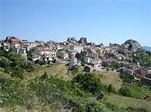 PietrabbondantePlacePietrabbondante is a village in Molise, Italy, beside the remains of the largest sanctuary of the ancient Samnites.
- Pietrera TumulusWork / monumentThe Pietrera Tumulus is a monumental Etruscan burial mound at Vetulonia in Tuscany, built in the 7th century BCE.
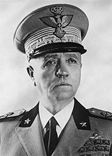 Pietro BadoglioPersonPietro Badoglio was an Italian marshal and politician.
- Pietro DoriaPersonPietro Doria (died 1380) was a Genoese admiral during the War of Chioggia against Venice.
 Pietro GasparriPersonPietro Gasparri was an Italian cardinal, canon lawyer and diplomat of the Holy See.
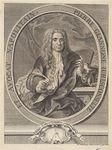 Pietro GiannonePersonPietro Giannone (1676–1748) was a Neapolitan jurist and historian.
 Pietro I CandianoPersonPietro I Candiano was Doge of Venice for a few months in 887, the first of the Candiano family to hold the office, which his descendants would dominate in the 10th…
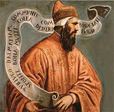 Pietro II OrseoloPersonPietro II Orseolo was Doge of Venice from 991 to 1009.
 Pietro VerriPersonPietro Verri was a Milanese economist, historian and writer and a leader of the Italian Enlightenment.
- PihhuniyaPersonPihhuniya was a Kaska leader of the late 14th century BCE, known from the annals of the Hittite king Mursili II.
- PikeTermThe pike is a long thrusting spear used by infantry in close formations, especially to resist cavalry.
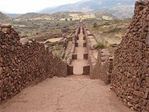 PikillactaPlacePikillacta is a large Wari archaeological site in the Lucre basin about 30 kilometres south-east of Cusco, Peru.
 Pilaji Rao GaekwadPersonPilaji Rao Gaekwad was a Maratha commander who founded the power of the Gaekwad family in Gujarat.
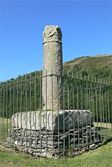 Pillar of ElisegWork / monumentThe Pillar of Eliseg is a stone cross shaft near Llangollen in north-east Wales, raised in the 9th century by Cyngen ap Cadell, king of Powys, in honour of his…
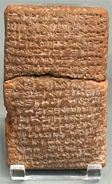 PilliyaPersonPilliya was a king of Kizzuwatna in south-eastern Anatolia in the 15th century BCE.
 PiltenePlacePiltene, in German Pilten, is a small town on the Venta river in Kurzeme, western Latvia.
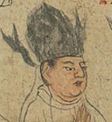 PiluogePersonPiluoge was king of Nanzhao from 728 to 748, ruler of Mengshe, the southernmost of the six principalities, or zhao, around Erhai Lake in Yunnan.
 Pim FortuynPersonPim Fortuyn was a Dutch sociologist and politician whose criticism of immigration, Islam and the political establishment made him a leading figure in the election…
- Pinamonte BonacolsiPersonPinamonte Bonacolsi was lord of Mantua from 1272 until his death in 1293.
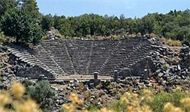 PinaraPlacePinara was a city of ancient Lycia on the western side of the Xanthos valley in south-western Turkey, and one of the six largest members of the Lycian League.
- Pindale MinPersonPindale Min was king of the Restored Toungoo dynasty of Burma from 1648 to 1661, succeeding his father Thalun.
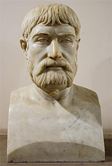 PindarPersonPindar was a Greek lyric poet from Thebes, the most admired composer of choral odes in antiquity.
 PindusPlaceThe Pindus is the main mountain range of mainland Greece, running southwards from the Albanian border between Epirus and Thessaly.
 Pinedjem IPersonPinedjem I was High Priest of Amun at Thebes from about 1070 to 1032 BCE, during the Twenty-first Dynasty.