Encyclopedia: P
1,704 entries under P · page 9 of 18: Philip de Montmorency, Count of Horn – Phra Bang
 Philip de Montmorency, Count of HornPersonPhilip de Montmorency (1524–1568), Count of Horne, was a nobleman of the Habsburg Netherlands, admiral of Flanders and a knight of the Golden Fleece.
 Philip Francis LittlePersonPhilip Francis Little was a lawyer from Prince Edward Island who became the first premier of the Colony of Newfoundland when responsible government was introduced in…
 Philip I of TarantoPersonPhilip I of Taranto was an Angevin prince, son of Charles II of Naples, who received the Principality of Taranto in 1294.
- Philip I, Archbishop of ColognePersonPhilip of Heinsberg was archbishop of Cologne from 1167 and chancellor of Emperor Frederick Barbarossa.
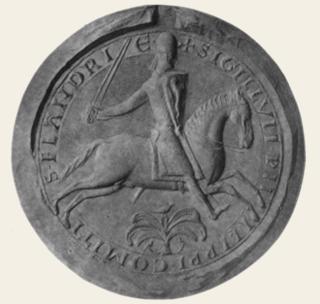 Philip I, Count of FlandersPersonPhilip of Alsace was Count of Flanders from 1168 to 1191, one of the most powerful princes of his age.
 Philip I, Count of KatzenelnbogenPersonPhilip the Elder (1402–1479) was the last Count of Katzenelnbogen, ruling one of the richest counties of the Rhineland through its tolls at Rheinfels and Burg Katz.
- Philip I, Count of Nassau-SaarbrückenPersonPhilip I was count of Nassau-Weilburg and, from 1381, of Saarbrücken, which his mother Johanna had brought to the Walramian Nassaus.
 Philip I, Count of Schaumburg-LippePersonPhilip I was the founder of Schaumburg-Lippe.
 Philip I, Duke of BurgundyPersonPhilip of Rouvres was Duke of Burgundy from 1349 and the last of its Capetian dukes.
 Philip I, Duke of PomeraniaPersonPhilip I was duke of Pomerania-Wolgast from 1532, when the Pomeranian duchy was divided between him and his uncle Barnim IX.
 Philip I, Landgrave of HessePersonPhilip the Magnanimous was landgrave of Hesse from 1509 and a leading Protestant prince of the Reformation.
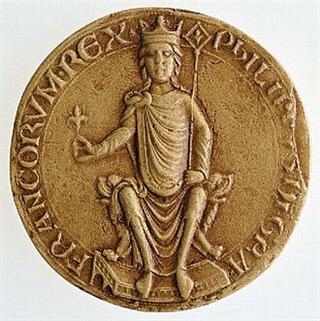 Philip II of FrancePersonPhilip II of France, known as Philip Augustus, was king of France from 1180 to 1223.
 Philip II of MacedonPersonPhilip II was king of Macedon from 359 to 336 BCE and the father of Alexander the Great.
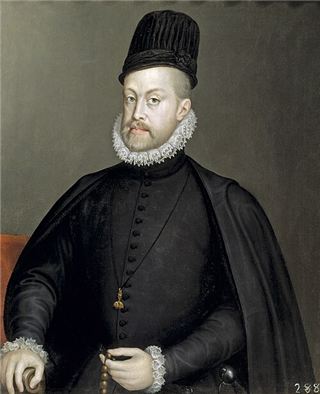 Philip II of SpainPersonPhilip II was King of Spain from 1556 to 1598, ruling the Spanish Empire at the height of its power.
 Philip II, Duke of PomeraniaPersonPhilip II was duke of Pomerania-Stettin from 1606 to 1618, of the Griffin dynasty.
 Philip II, Landgrave of Hesse-RheinfelsPersonPhilip II, Landgrave of Hesse-Rheinfels, was a son of Philip the Magnanimous of Hesse who received the lower county of Katzenelnbogen in the 1567 division of his…
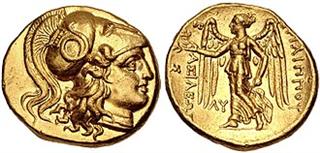 Philip III ArrhidaeusPersonPhilip III Arrhidaeus was king of Macedon from 323 to 317 BCE, a son of Philip II and half-brother of Alexander the Great.
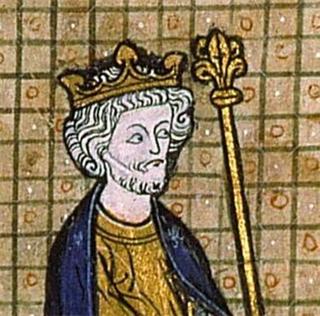 Philip III of FrancePersonPhilip III, called the Bold, was king of France from 1270 to 1285, the son of Louis IX.
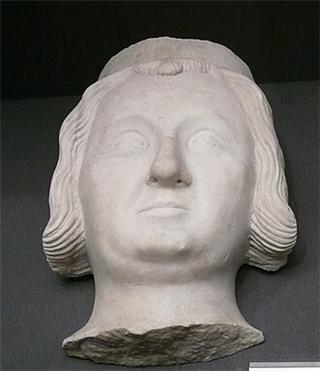 Philip III of NavarrePersonPhilip III (1306–1343), count of Évreux, was king of Navarre from 1328 jointly with his wife Joan II, daughter of Louis X of France.
 Philip III of SpainPersonPhilip III was king of Spain and, as Philip II, king of Portugal from 1598 to 1621, during the Iberian Union.
- Philip IV of FrancePersonPhilip IV of France, called the Fair, was king from 1285 to 1314.
 Philip IV of MacedonPersonPhilip IV of Macedon was the eldest son of Cassander and succeeded him as king of Macedon in 297 BCE.
 Philip IV of SpainPersonPhilip IV of Spain was king of Spain and Portugal from 1621 to 1665.
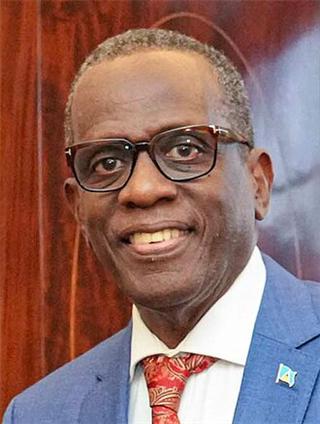 Philip J. PierrePersonPhilip J.
- Philip Julius, Duke of Pomerania-WolgastPersonPhilip Julius (1584–1625) was Duke of Pomerania-Wolgast from 1592, at first under the guardianship of his uncle.
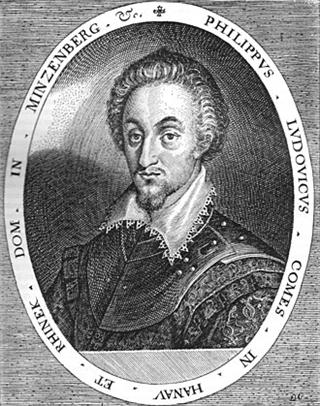 Philip Louis II, Count of Hanau-MünzenbergPersonPhilip Louis II (1576–1612) was Count of Hanau-Münzenberg from 1580.
 Philip of Hachberg-SausenbergPersonPhilip of Hachberg-Sausenberg was margrave of Hachberg-Sausenberg in the Breisgau and count of Neuchâtel in the late 15th century.
 Philip of MillyPersonPhilip of Milly was a Crusader noble of the Kingdom of Jerusalem, lord of Nablus, who exchanged it in 1161 for the lordship of Oultrejordain with its castles of Kerak…
- Philip of MontfortPersonPhilip of Montfort was a French crusader baron who became lord of Toron and, from 1246, lord of Tyre, where he built up the city's trade.
 Philip of Saint-PolPersonPhilip of Saint-Pol was duke of Brabant and Limburg from 1427 until his death in 1430, the younger son of Duke Antoine.
- Philip of SwabiaPersonPhilip of Swabia (1177–1208) was a son of Frederick Barbarossa and King of the Romans from 1198.
- Philip Otto of SalmPersonPhilip Otto of Salm was a count of the Rhinegrave branch of the house of Salm in the Vosges, raised to the rank of prince of the Holy Roman Empire in 1623.
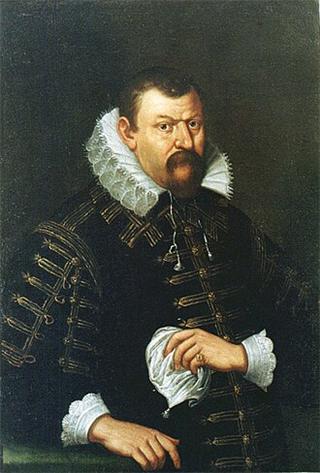 Philip Sigismund of Brunswick-WolfenbüttelPersonPhilip Sigismund of Brunswick-Wolfenbüttel was a Lutheran prince of the House of Welf who administered the prince-bishoprics of Verden from 1586 and Osnabrück from 1591…
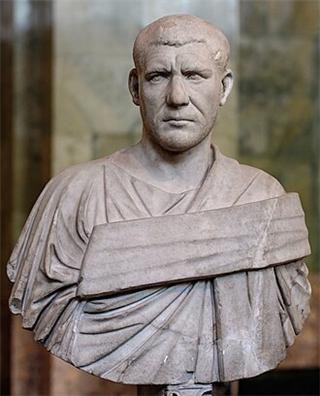 Philip the ArabPersonPhilip the Arab was Roman emperor from 244 to 249, born in the province of Arabia in southern Syria.
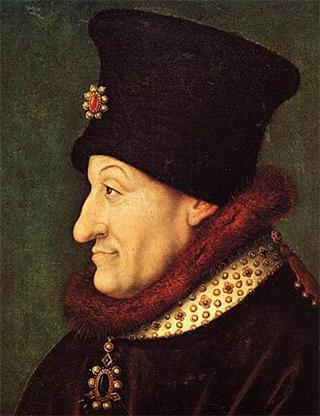 Philip the BoldPersonPhilip the Bold was the youngest son of John II of France, who granted him the Duchy of Burgundy in 1363.
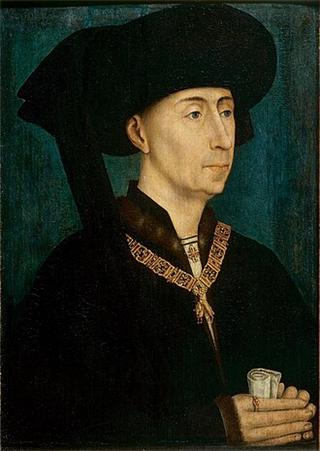 Philip the GoodPersonPhilip the Good was Duke of Burgundy from 1419 to 1467.
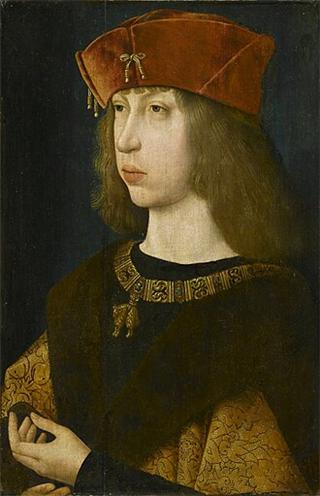 Philip the HandsomePersonPhilip the Handsome was the son of Emperor Maximilian I and Mary of Burgundy and inherited the Burgundian Netherlands as a child in 1482, with his father as regent.
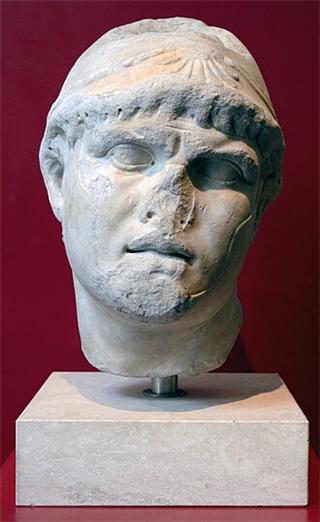 Philip V of MacedonPersonPhilip V of Macedon was Antigonid king of Macedonia from 221 to 179 BCE.
 Philip V of SpainPersonPhilip V was king of Spain from 1700 to 1746, the first of the Bourbon dynasty.
 Philip VI of FrancePersonPhilip VI was king of France from 1328 to 1350, the first of the House of Valois.
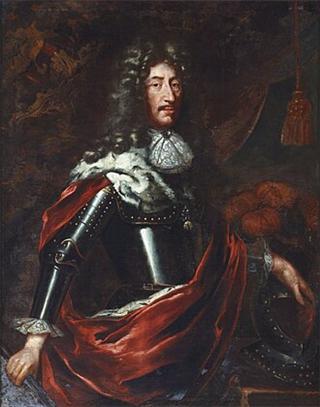 Philip William, Elector PalatinePersonPhilip William was duke of Palatinate-Neuburg and of Jülich and Berg from 1653, and Elector Palatine from 1685 to 1690.
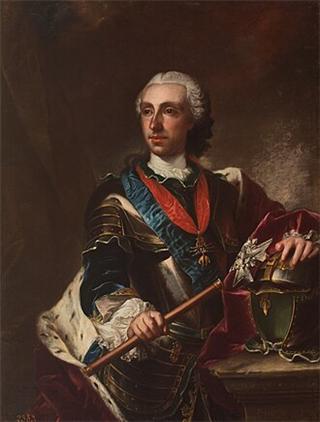 Philip, Duke of ParmaPersonPhilip, Duke of Parma, was a son of Philip V of Spain and Elisabeth Farnese who founded the Bourbon-Parma line.
 Philipp Albert StapferPersonPhilipp Albert Stapfer was a Swiss theologian and statesman who served as minister of arts and sciences of the Helvetic Republic from 1798.
 Philipp ScheidemannPersonPhilipp Scheidemann was a German Social Democratic politician.
 Philipp von HuttenPersonPhilipp von Hutten was a German knight who served the Welser bank in its Venezuelan colony, Klein-Venedig.
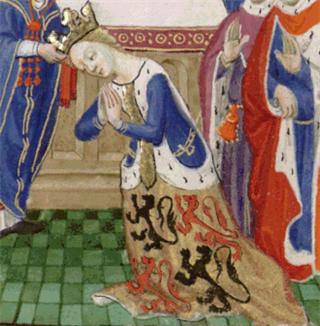 Philippa of HainautPersonPhilippa of Hainaut was queen of England as the wife of Edward III, whom she married in 1328.
 Philippe Bunau-VarillaPersonPhilippe Bunau-Varilla was a French engineer who worked on Ferdinand de Lesseps's failed Panama canal and later lobbied the United States to buy the French company's…
 Philippe de RullecourtPersonPhilippe de Rullecourt was a French adventurer and soldier who styled himself baron.
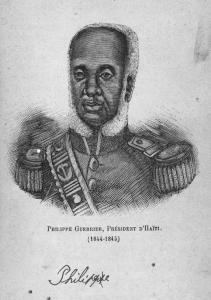 Philippe GuerrierPersonPhilippe Guerrier (1757–1845) was a Haitian general who served as president from May 1844 until his death in April 1845.
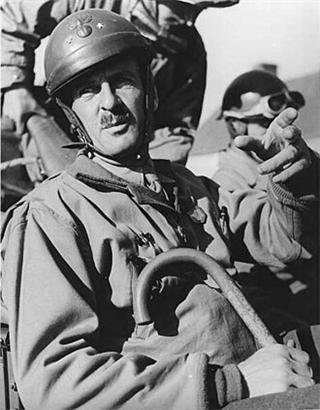 Philippe Leclerc de HauteclocquePersonPhilippe Leclerc de Hauteclocque was a French general who joined the Free French in 1940.
 Philippe Pastour de CostebellePersonPhilippe Pastour de Costebelle was a French officer and the last governor of Plaisance, the French colony on Newfoundland, from 1706.
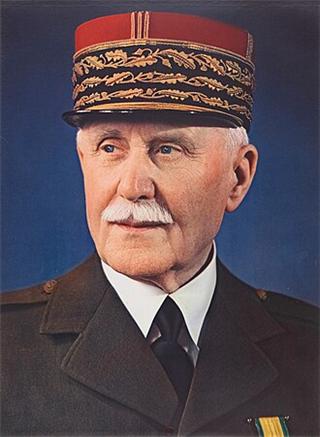 Philippe PétainPersonPhilippe Pétain was a French general and marshal, celebrated as the defender of Verdun in 1916.
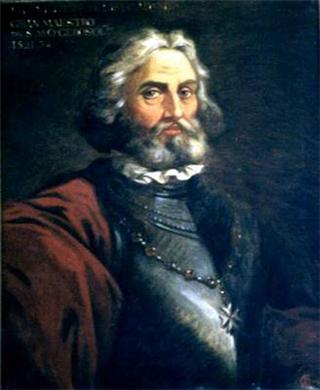 Philippe Villiers de L'Isle-AdamPersonPhilippe Villiers de L'Isle-Adam was Grand Master of the Knights Hospitaller from 1521.
- Philippeville massacreEventThe Philippeville massacre took place on 20 August 1955 in and around Philippeville, now Skikda, in north-eastern Algeria.
- Philippine CommissionInstitutionThe Philippine Commission was a body appointed by the President of the United States to govern the Philippines.
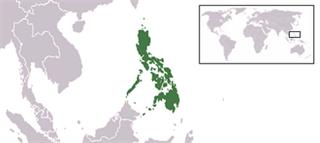 Philippine Executive CommissionInstitutionThe Philippine Executive Commission was the civil administration set up by the Japanese army in January 1942, after the occupation of Manila, to govern the Philippines…
- Philippine Organic Act (1902)Work / monumentThe Philippine Organic Act of 1902 was the first basic law for the civil government of the Philippines under the United States.
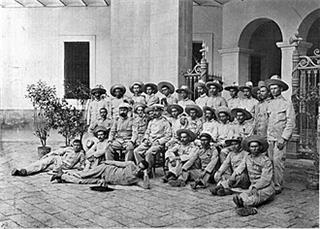 Philippine RevolutionRevolution · 1896–1898The Philippine Revolution was the armed struggle against Spanish rule launched by the Katipunan secret society in August 1896.
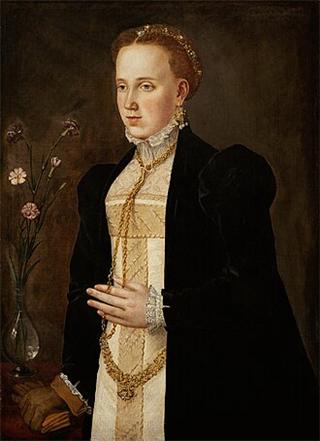 Philippine WelserPersonPhilippine Welser was the daughter of a merchant of the wealthy Welser family of Augsburg.
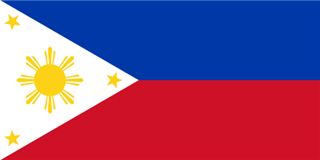 PhilippinesPlaceThe Philippines is an archipelago in South-east Asia, colonised by Spain from the sixteenth century and named after Philip II.
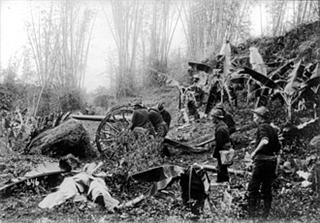 Philippine–American WarWar · 1899–1902The Philippine–American War was fought between the United States and the First Philippine Republic after Spain ceded the islands to the United States in 1898.
- PhilippolisPlacePhilippolis is a small town in the south of the Free State province of South Africa, founded in 1823 as a mission station of the London Missionary Society.
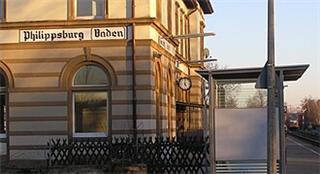 PhilippsburgPlacePhilippsburg is a town on the right bank of the Rhine in Baden-Württemberg, Germany.
 PhilipsInstitutionPhilips is a Dutch multinational company founded in Eindhoven in 1891 by Gerard Philips and his father Frederik to make incandescent light bulbs.
- PhilipsburgPlacePhilipsburg is the capital of Sint Maarten, a constituent country of the Kingdom of the Netherlands on the southern part of the Caribbean island of Saint Martin.
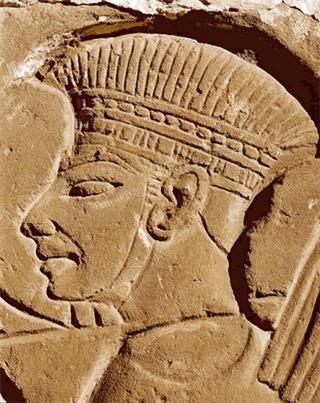 PhilistinesPeople / groupThe Philistines were a people who settled the southern coast of Canaan in the twelfth century BCE, probably among the Sea Peoples, with material culture of Aegean origin.
- Philitas of CosPersonPhilitas of Cos was a Greek poet and scholar of the early Hellenistic age, born on Kos around 340 BCE.
- Phillippe de Longvilliers de PoincyPersonPhillippe de Longvilliers de Poincy was a Knight Hospitaller who became governor of the French Antilles from 1639, ruling from Saint Christophe.
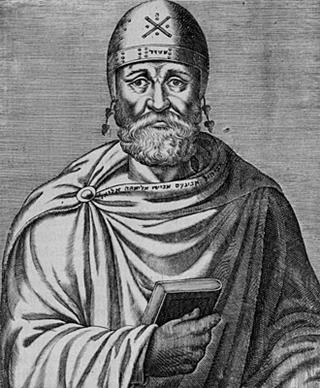 Philo of AlexandriaPersonPhilo of Alexandria was a Jewish philosopher who lived in Alexandria and wrote in Greek.
- Philo of ByblosPersonPhilo of Byblos was a Greek-language writer of the Roman period, born in Byblos.
- Philo of ByzantiumPersonPhilo of Byzantium was a Greek engineer and writer on mechanics who worked in Alexandria and Rhodes.
- Philocles, king of SidonPersonPhilocles was king of Sidon in Phoenicia and a leading commander of Ptolemy I and Ptolemy II of Egypt in the early 3rd century BCE.
- PhilocyprusPersonPhilocyprus was king of Soloi in Cyprus in the early 6th century BCE.
- PhilomelusPersonPhilomelus was a Phocian general who began the Third Sacred War.
 PhilopoemenPersonPhilopoemen was a general and statesman of Megalopolis who served eight times as strategos of the Achaean League.
 Philosophiæ Naturalis Principia MathematicaWork / monumentPhilosophiæ Naturalis Principia Mathematica, usually called the Principia, is Isaac Newton's treatise on mechanics, published in Latin in London in 1687 with the…
- Philotheus of PskovPersonPhilotheus of Pskov was a monk of the Eleazarov Monastery near Pskov, known for letters written in the early sixteenth century to Grand Prince Vasily III and to the…
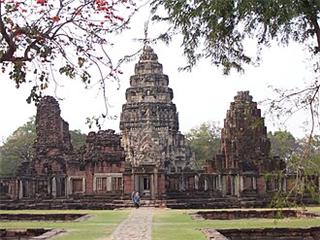 PhimaiPlacePhimai is a town on the Mun river in Nakhon Ratchasima province, north-eastern Thailand.
- Phintias of AcragasPersonPhintias was tyrant of Acragas, modern Agrigento, in Sicily in the early 3rd century BCE.
 PhitsanulokPlacePhitsanulok is a city on the Nan river in the lower north of Thailand.
 Phnom KulenPlacePhnom Kulen is a sandstone plateau in Siem Reap province, Cambodia, about 40 kilometres north-east of Angkor.
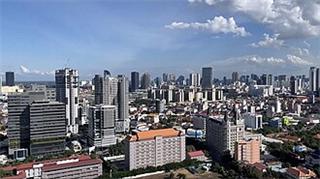 Phnom PenhPlacePhnom Penh is a city at the meeting of the Mekong and Tonlé Sap rivers in Cambodia.
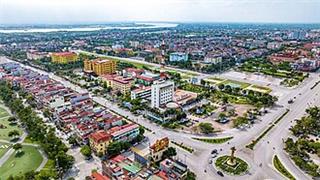 Phố HiếnPlacePhố Hiến was a river port in Hưng Yên Province, south-east of Hanoi, that became the chief foreign trading town of northern Vietnam in the 17th century.
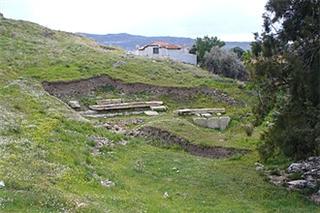 PhocaeaPlacePhocaea was an Ionian Greek city on the west coast of Asia Minor, near present-day Foça in Turkey.
 PhocaeansPeople / groupThe Phocaeans were the Ionian Greeks of Phocaea on the Aegean coast of Anatolia, famed seafarers who explored the western Mediterranean.
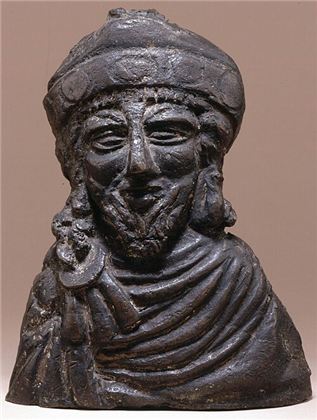 PhocasPersonPhocas was a Byzantine emperor who seized power in 602 CE after a mutiny in which the emperor Maurice was murdered.
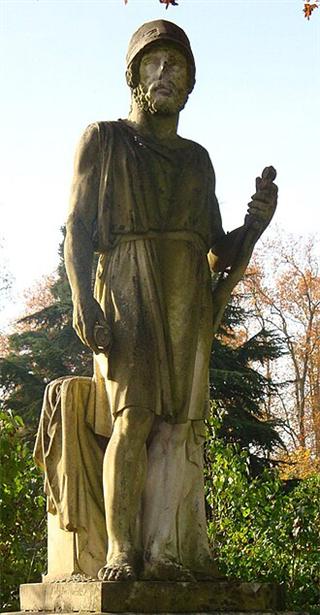 PhocionPersonPhocion was an Athenian statesman and general, elected general forty-five times, known for his austere honesty.
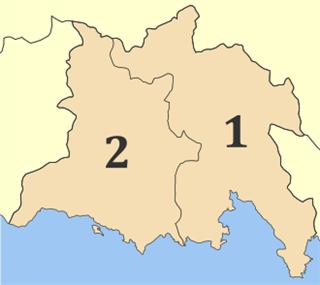 PhocisPlacePhocis is a region of central Greece around Mount Parnassus and the valley of the Cephissus, between Boeotia and the Locrian lands.
- PhoebidasPersonPhoebidas was a Spartan commander who in 382 BCE, while leading troops north against Olynthus, seized the Cadmea, the citadel of Thebes, with the help of a pro-Spartan…
 PhoenicePlacePhoenice was an ancient Greek city in Chaonia, in north-western Epirus, near modern Finiq in southern Albania.
 PhoeniciaPlacePhoenicia was the ancient coastal region of the Levant, roughly modern Lebanon with parts of Syria and northern Israel, home of city-states such as Tyre, Sidon, Byblos…
- PhoeniciansPeople / groupThe Phoenicians were a Semitic-speaking seafaring people of the Levantine coast, based in city-states such as Tyre, Sidon and Byblos.
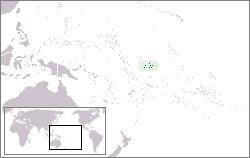 Phoenix IslandsPlaceThe Phoenix Islands are a group of eight atolls and coral islands in the central Pacific, part of Kiribati.
- PhonenPersonPhonen was a king of the Blemmyes in the 5th century, known from a letter in Greek that he sent to Abourni, king of the Nobadians, which was found at Qasr Ibrim in…
- Phong ChauPlacePhong Chau is the area of Phu Tho province in northern Vietnam, near the meeting of the Red, Lo and Da rivers, that Vietnamese tradition names as the capital of Van…
- PhormioPersonPhormio was an Athenian admiral of the 5th century BCE.
- PhosphateTermPhosphate is a mineral resource used chiefly to make agricultural fertilisers.
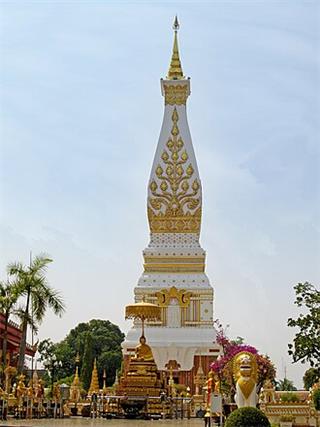 PhotisarathPersonPhotisarath was king of Lan Xang from 1520 to 1547, a devout Buddhist who in 1527 ordered the suppression of spirit cults in favour of Buddhist practice.
 Phra Aphai ManiWork / monumentPhra Aphai Mani is an epic verse romance by the Thai poet Sunthorn Phu, composed in instalments over some two decades in the early nineteenth century.
 Phra BangWork / monumentThe Phra Bang is a gilded standing Buddha image, the palladium of the Lao monarchy, after which the city of Luang Prabang is named.