Encyclopedia: H
1,372 entries under H · page 2 of 14: Håkon Sigurdsson – Hancheng
- Håkon SigurdssonPersonHåkon Sigurdsson, known as Haakon Jarl, was Earl of Lade who ruled most of Norway from about 975 to 995 under the overlordship of Harald Bluetooth of Denmark, and later…
- Hakone CheckpointPlaceThe Hakone Checkpoint was a barrier station on the Tōkaidō highway beside Lake Ashi in the Hakone mountains, set up by the Tokugawa shogunate in 1619.
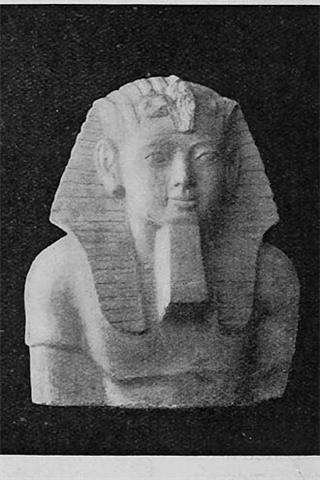 HakorPersonHakor, called Achoris by the Greeks, was the strongest king of the Twenty-ninth Dynasty of Egypt, reigning for about thirteen years in the 390s and 380s BCE.
- HakuraInstitutionThe hakura was a land-grant system of the Darfur Sultanate, introduced under its founder Sulayman Solong, in which the sultan granted territorial rights in exchange for…
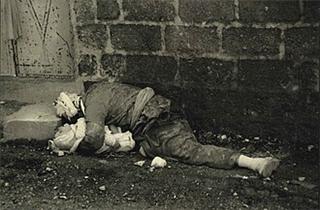 Halabja massacreEventThe Halabja massacre was a chemical weapons attack by Iraqi forces on the Kurdish town of Halabja on 16 March 1988, near the end of the Iran–Iraq War.
- Halala KellaWork / monumentHalala Kella is a long stone wall in the Dawro zone of south-western Ethiopia, running for well over 100 kilometres along the Omo river region.
- HalbaPeople / groupThe Halba are an Adivasi community of central India, living mainly in Chhattisgarh, especially the Bastar region, and in neighbouring Odisha and Maharashtra.
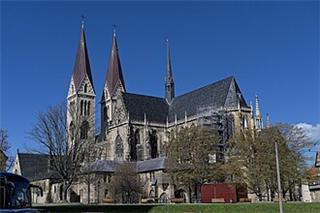 HalberstadtPlaceHalberstadt is a town north of the Harz in Saxony-Anhalt, Germany.
- HaldiReligion / ideaHaldi was the chief god of Urartu, a warrior deity at the head of a pantheon that also included the storm god Teisheba and the sun god Shivini.
 Haldimand ProclamationWork / monumentThe Haldimand Proclamation was a decree issued on 25 October 1784 by Frederick Haldimand, governor of the Province of Quebec, granting the Six Nations of the Iroquois a…
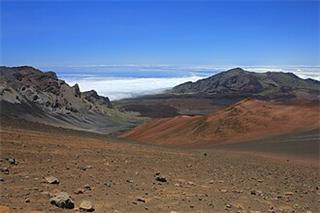 HaleakalāPlaceHaleakalā is the massive shield volcano that forms about three-quarters of the island of Maui, Hawaii, rising to 3,055 metres.
 HalfayaPlaceHalfaya, or Halfayat al-Muluk, is a town on the east bank of the Nile north of the confluence of the Blue and White Niles, now part of Khartoum North in Sudan.
- Halfdan RagnarssonPersonHalfdan Ragnarsson was a Viking leader of the Great Heathen Army that invaded England in 865, later described as a son of Ragnar Lodbrok.
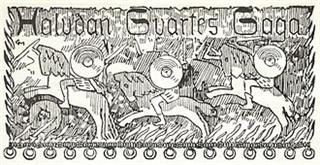 Halfdan the BlackPersonHalfdan the Black was a king of Vestfold in south-eastern Norway, known only from later sagas, above all Snorri Sturluson's Heimskringla.
 HaliacmonPlaceThe Haliacmon, modern Aliakmonas, is the longest river flowing entirely within Greece, about 300 kilometres long.
- HaliartusPlaceHaliartus was an ancient city of Boeotia on the southern shore of Lake Copais and a member of the Boeotian League.
 Halifax ResolvesEventThe Halifax Resolves were adopted by North Carolina's Fourth Provincial Congress at Halifax on 12 April 1776.
 Halifax, Nova ScotiaPlaceHalifax is the capital of Nova Scotia, Canada, on one of the world's largest natural harbours.
- Halkyn MountainPlaceHalkyn Mountain is a limestone upland in Flintshire, north-east Wales, rich in veins of lead ore.
 Hall of MirrorsWork / monumentThe Hall of Mirrors is the grand gallery of the Palace of Versailles near Paris, built under Louis XIV.
- Hall of the Ambassadors (Alhambra)Work / monumentThe Hall of the Ambassadors (Salón de Embajadores) is the largest room of the Nasrid palaces of the Alhambra in Granada, inside the Comares Tower, and served as the…
- Hall of WorthiesInstitutionThe Hall of Worthies (Jiphyeonjeon) was a royal research institute of Joseon, enlarged by King Sejong in 1420 as a centre of scholarship.
 HallandPlaceHalland is a province on the west coast of present-day Sweden, formerly held by Denmark.
 Hallaton TreasureWork / monumentThe Hallaton Treasure is a hoard of Iron Age and Roman objects found from 2000 near Hallaton in Leicestershire, England.
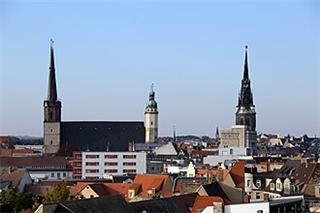 Halle (Saale)PlaceHalle is a city on the Saale in Saxony-Anhalt, long known for its salt springs.
 HalleinPlaceHallein is a town on the Salzach in the Austrian state of Salzburg, south of the city of Salzburg.
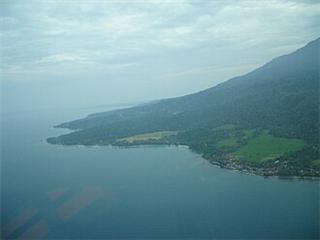 HalmaheraPlaceHalmahera is the largest island of the Maluku Islands in eastern Indonesia, an irregular, four-armed island in the province of North Maluku.
- HalvadPlaceHalvad is a town in Morbi district, Gujarat, India, in the Jhalawad region of northern Saurashtra near the Little Rann of Kutch.
 Hàm NghiPersonHàm Nghi was emperor of Vietnam of the Nguyễn dynasty from 1884 to 1885.
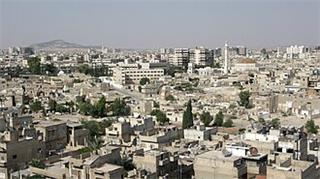 HamaPlaceHama is a city on the Orontes river in western Syria, famous for its great wooden water wheels, the norias.
- Hamad bin Abdullah Al SharqiPersonHamad bin Abdullah Al Sharqi was the chief of the Sharqiyin tribe of Fujairah on the east coast of the Arabian peninsula.
 Hamad bin Isa Al KhalifaPersonHamad bin Isa Al Khalifa (born 1950) is the king of Bahrain.
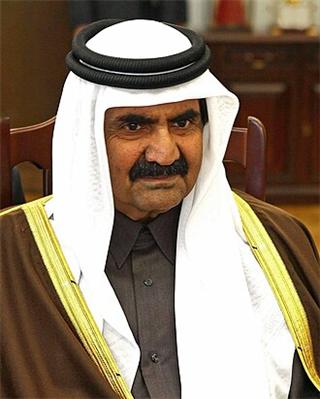 Hamad bin Khalifa Al ThaniPersonHamad bin Khalifa Al Thani was emir of Qatar from 1995, when he deposed his father Khalifa bin Hamad, until he abdicated in favour of his son Tamim in 2013.
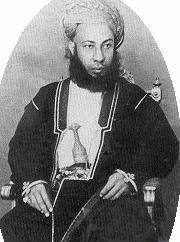 Hamad bin ThuwainiPersonHamad bin Thuwaini was Sultan of Zanzibar from 1893 to 1896, ruling under the British protectorate.
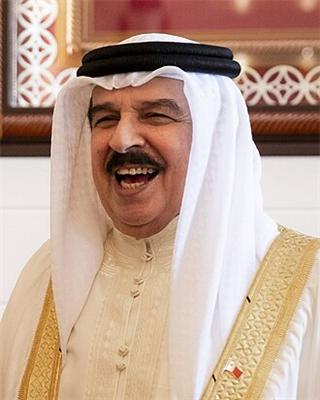 Hamad ibn Isa Al KhalifaPersonHamad ibn Isa Al Khalifa was ruler of Bahrain from 1932 to 1942, after acting as ruler from 1923 when Britain forced his father, Isa ibn Ali, to step aside.
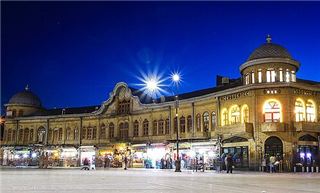 HamadanPlaceHamadan is a city in western Iran, identified with ancient Ecbatana.
- HamajPeople / groupThe Hamaj were a people of the southern Blue Nile region of Sudan whose leaders ruled the Funj Sultanate of Sennar as hereditary regents from 1761.
 HamamatsuPlaceHamamatsu is a city in western Shizuoka Prefecture, Japan, on the Pacific coast of the former province of Totomi.
 Hamani DioriPersonHamani Diori was the first President of Niger, from 1960 to 1974.
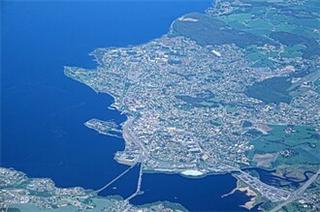 HamarPlaceHamar is a town in eastern Norway on the shore of Lake Mjøsa, the administrative centre of Innlandet county.
- Hamar WeynePlaceHamar Weyne is one of the two oldest quarters of Mogadishu, on the coast of Somalia, alongside Shingani.
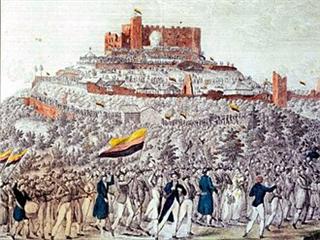 Hambach FestivalEventThe Hambach Festival was a mass demonstration held from 27 to 30 May 1832 at Hambach Castle near Neustadt in the Bavarian Palatinate, where some 20,000 to 30,000 people…
- HambukushuPeople / groupThe Hambukushu are a Bantu-speaking people living along the Okavango River in north-western Botswana, north-eastern Namibia and south-eastern Angola.
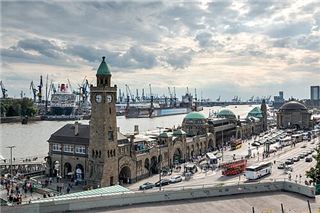 HamburgPlaceHamburg is a major port city in northern Germany on the River Elbe.
 Hamburg America LineInstitutionThe Hamburg America Line (HAPAG) was a shipping company founded in Hamburg in 1847 to carry passengers and mail across the Atlantic.
- Hamburg DramaturgyWork / monumentThe Hamburg Dramaturgy is a collection of essays by Gotthold Ephraim Lessing, published in 1767–1769 as reviews for Hamburg's short-lived German National Theatre.
 Hamburg Stock ExchangeInstitutionThe Hamburg Stock Exchange, founded in 1558, is the oldest exchange in Germany.
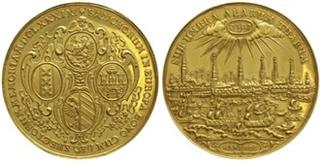 Hamburger BankInstitutionThe Hamburger Bank was a public giro bank founded by the city of Hamburg in 1619, modelled on the Exchange Bank of Amsterdam.
 Hamdanid dynastyPeople / groupThe Hamdanid dynasty was an Arab Shia family of the Banu Taghlib that ruled emirates in northern Iraq and Syria in the 10th century.
- HamdullahiPlaceHamdullahi, the House of Praise, was the capital of the Massina Empire in the inner Niger delta of present-day Mali.
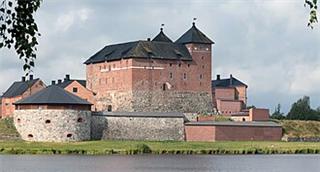 Häme CastlePlaceHäme Castle is a medieval brick and stone castle in Hämeenlinna, southern Finland.
 Hamengkubuwono IPersonHamengkubuwana I, earlier Prince Mangkubumi, was the founder and first sultan of Yogyakarta.
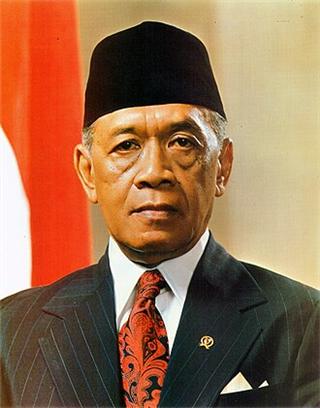 Hamengkubuwono IXPersonHamengkubuwono IX (1912–1988) was sultan of Yogyakarta from 1940 until his death and a leading figure of the Indonesian independence struggle.
 Hamgyong ProvincePlaceHamgyong was one of the eight provinces of Joseon Korea, on the north-east coast of the peninsula bordering Manchuria.
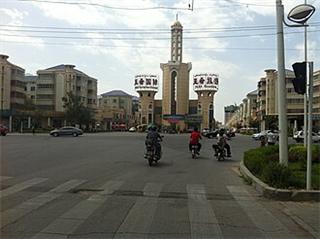 HamiPlaceHami, or Kumul, is an oasis city in eastern Xinjiang, China, at the eastern end of the Tarim Basin routes and the gateway from Gansu.
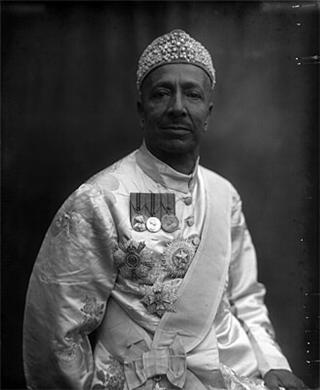 Hamid Ali KhanPersonHamid Ali Khan was Nawab of Rampur from 1889 until his death in 1930.
- Hamid Idris AwatePersonHamid Idris Awate was an Eritrean fighter regarded as the father of Eritrea's armed struggle for independence.
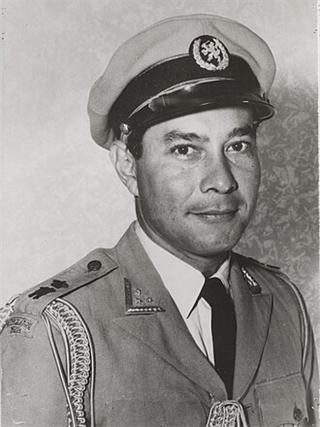 Hamid II of PontianakPersonHamid II was the last reigning sultan of Pontianak in West Kalimantan, Indonesia, from 1945.
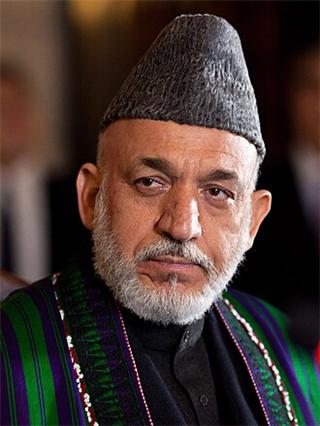 Hamid KarzaiPersonHamid Karzai is a Pashtun politician of the Popalzai tribe who led Afghanistan after the fall of the Taliban regime in 2001.
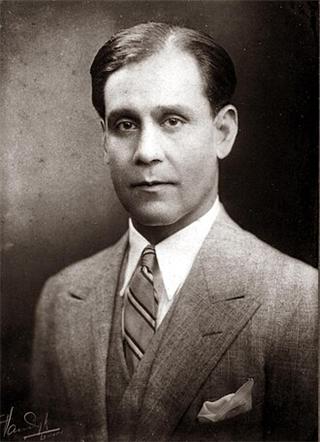 Hamidullah KhanPersonHamidullah Khan was the last ruling Nawab of Bhopal, from 1926 to 1949, succeeding his mother Sultan Jahan Begum.
 Hamilcar BarcaPersonHamilcar Barca was a Carthaginian general who commanded in Sicily in the last years of the First Punic War and then crushed the Mercenary War in Africa.
- Hamilcar I of CarthagePersonHamilcar was a Carthaginian general of the Magonid family who commanded the great expedition to Sicily in 480 BCE.
- Hamir Singh of FaridkotPersonHamir Singh was a Brar Jat Sikh chief who established himself at Faridkot around 1763, as Sikh power spread across the Malwa plains of Punjab after the Durrani wars…
- Hamir Singh of NabhaPersonHamir Singh was a Phulkian Sikh chief, descended from Phul and a kinsman of the rulers of Patiala, who founded the state of Nabha in the Malwa region of Punjab in the…
 Hamirpur district, Uttar PradeshPlaceHamirpur district is a district in the Bundelkhand region of Uttar Pradesh, India, lying between the Yamuna and Betwa rivers, with its headquarters at the town of…
- HammPlaceHamm is a city in North Rhine-Westphalia, Germany, on the Lippe at the eastern edge of the Ruhr.
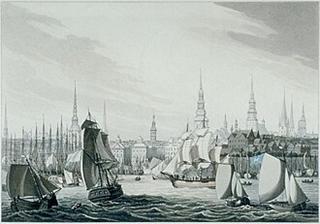 HammaburgPlaceThe Hammaburg was a fortification built in the early 9th century near the meeting of the Alster and the Elbe, from which Hamburg takes its name.
- Hammad ibn BulugginPersonHammad ibn Buluggin was a Berber prince, son of the Zirid founder Buluggin ibn Ziri, who governed the western lands of the Zirid emirate in central Algeria.
- Hammam ibn YusufPersonHammam ibn Yusuf was the leader of the Hawwara, the Arab tribal confederation that dominated Upper Egypt under Ottoman rule in the mid-18th century.
- Hamman RuwaPersonHamman Ruwa was a Fulani commander and the founder of the Muri Emirate in north-eastern Nigeria.
 Hammer DeRoburtPersonHammer DeRoburt was a Nauruan politician who led his country to independence and served as its first president.
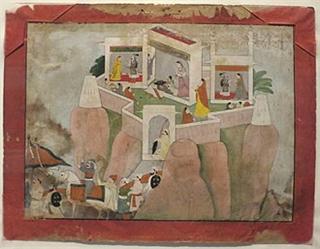 Hammir SinghPersonHammir Singh was a ruler of Mewar who recovered Chittor from the governors of the Delhi Sultanate around 1326 and founded the Sisodia branch of the Guhila dynasty…
 Hammir Singh of MewarPersonHammir Singh was a ruler of Mewar in southern Rajasthan who recovered the fort of Chittor around 1326, a generation after Alauddin Khalji of the Delhi Sultanate had…
- Hammira DevaPersonHammira Deva was the Chauhan king of Ranthambore in eastern Rajasthan from about 1283 to 1301, the last ruler of the Chahamanas of Ranastambhapura.
- Hammira MahakavyaWork / monumentThe Hammira Mahakavya is a Sanskrit epic poem by the Jain scholar Nayachandra Suri, written in the 15th century.
- Hammuda ibn AliPersonHammuda ibn Ali, also called Hammuda Pasha, was the Husainid bey of Tunis from 1782 to 1814.
- Hammuda Pasha BeyPersonHammuda Pasha Bey was the second bey of the Muradid dynasty of Ottoman Tunisia, ruling from 1631 to 1666.
- Hammudid dynastyPeople / groupThe Hammudids were a Berber-backed Arab dynasty of Idrisid descent that briefly held the caliphate of Córdoba between 1016 and 1027 during the civil war that broke up…
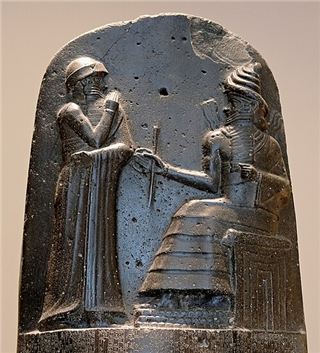 HammurabiPersonHammurabi was a king of Babylon who reigned c. 1792–1750 BCE and built the Babylonian Empire across Mesopotamia.
- Hammurabi of KurdaPersonHammurabi of Kurda was a king of Kurda, a small state in northern Mesopotamia, in the 18th century BCE, a contemporary of his more famous namesake of Babylon.
 HampshirePlaceHampshire is a county on the south coast of England, including the ports of Southampton and Portsmouth and the New Forest.
- Hamu kaNzibePersonHamu kaNzibe was a Zulu prince, a son of King Mpande and a powerful chief in northern Zululand.
- Hamzah FansuriPersonHamzah Fansuri was a Sufi poet and scholar from Sumatra, active in Aceh in the late 16th century.
- Hamzat BekPersonHamzat Bek was the second imam of the Caucasian Imamate, succeeding Ghazi Muhammad after his death at Gimry in 1832.
- Han campaigns against the Xiongnu (120s–110s BCE)CampaignThe Han campaigns against the Xiongnu of the 120s and 110s BCE were a series of large offensives launched by the Han Dynasty under Emperor Wu into the steppe.
- Han ChinesePeople / groupThe Han Chinese are the majority ethnic group of China, taking their name from the Han Dynasty.
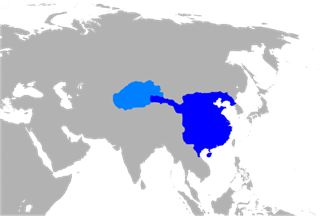 Han DynastyStateThe Han Dynasty ruled China from 202 BCE to 220 CE, with a brief interruption, and is regarded as a formative era of Chinese civilisation.
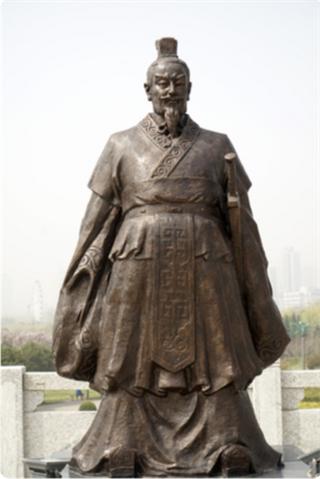 Han FeiPersonHan Fei (c. 280–233 BCE) was a prince of the State of Han and the leading theorist of Legalism.
- Han GuangPersonHan Guang was a commander sent north by Wu Chen, the rebel king of Zhao, during the revolt against the Qin, who instead made himself King of Yan in 209 BCE.
- Han Lin'erPersonHan Lin'er was the son of the White Lotus leader Han Shantong, who launched the Red Turban revolt against the Yuan dynasty in 1351.
- Han RiverPlaceThe Han River is a major tributary of the Yangtze in central China.
- Han ShantongPersonHan Shantong was a Chinese leader of the White Lotus sect from Hebei who preached the imminent coming of the Buddha Maitreya and claimed descent from the Song emperors.
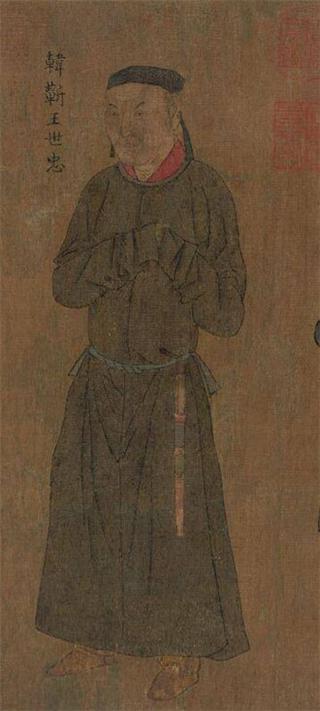 Han ShizhongPersonHan Shizhong was a general of the Song dynasty and one of the leading commanders who defended the Southern Song against the Jurchen Jin.
- Han systemInstitutionThe han system was the organisation of Tokugawa Japan into domains, called han, each governed by a daimyo who owed allegiance to the shogun.
- Han TuozhouPersonHan Tuozhou was a chief minister of the Southern Song dynasty, related by marriage to the imperial family, who dominated the court from the 1190s.
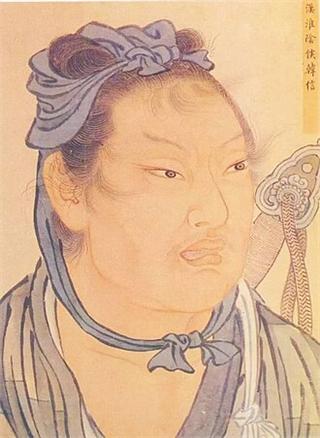 Han XinPersonHan Xin was the leading general of Liu Bang in the Chu–Han war that founded the Han dynasty.
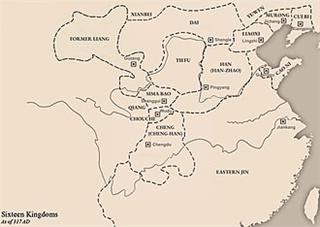 Han ZhaoStateHan Zhao was a state of northern China founded in 304 by Liu Yuan, a Xiongnu leader, at the start of the Sixteen Kingdoms period.
- Hanafi schoolReligion / ideaThe Hanafi school is one of the four main schools of Sunni Islamic law, named after the eighth-century jurist Abu Hanifa.
 HanamkondaPlaceHanamkonda is a town in Telangana, India, now part of the Warangal urban area.
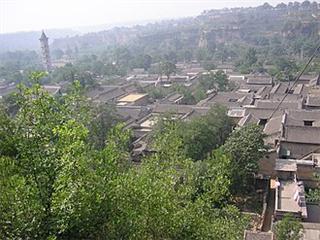 HanchengPlaceHancheng is a county-level city in eastern Shaanxi, on the west bank of the Yellow River opposite Shanxi.