Encyclopedia: H
1,385 entries under H · page 4 of 14: Harshacharita – Hawwara
 HarshacharitaWork / monumentThe Harshacharita ('Deeds of Harsha') is a Sanskrit prose biography of Harsha, king of Thanesar and Kannauj, written by his court poet Banabhatta in the 7th century.
 HartapuPersonHartapu was a great king who ruled in south-central Anatolia after the fall of the Hittite Empire, known from Luwian hieroglyphic inscriptions at Kızıldağ, Karadağ and…
 Hartenstein, SaxonyPlaceHartenstein is a small town on the Zwickauer Mulde in western Saxony, Germany, at the edge of the Ore Mountains.
 Hartford, ConnecticutPlaceHartford is the capital of the US state of Connecticut, on the Connecticut River.
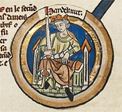 HarthacnutPersonHarthacnut was king of Denmark from 1035 and of England from 1040 to 1042, the son of Cnut the Great and Emma of Normandy.
 Harun al-RashidPersonHarun al-Rashid was Abbasid caliph who reigned from 786 to 809.
 Harvard UniversityInstitutionHarvard University, founded as Harvard College in 1636 by vote of the General Court of the Massachusetts Bay Colony, is the oldest institution of higher learning in the…
- Harvester caseEventThe Harvester case of 1907 was a decision of Justice H. B. Higgins of the Australian Commonwealth Court of Conciliation and Arbitration concerning H. V. McKay's…
 HaryanaPlaceHaryana is a state of northern India surrounding Delhi on three sides, with Chandigarh, shared with Punjab, as its capital.
- Haryanka dynastyPeople / groupThe Haryanka dynasty ruled the Kingdom of Magadha in the Ganges valley in the 6th and 5th centuries BCE, according to Buddhist and Jain sources.
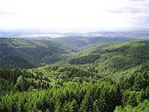 HarzPlaceThe Harz is the highest mountain range of northern Germany, spread across Lower Saxony, Saxony-Anhalt and Thuringia, with the Brocken (1,141 metres) as its highest peak.
- HarzburgWork / monumentThe Harzburg was a royal castle built by Emperor Henry IV from about 1065 on a hill above present-day Bad Harzburg in the Harz mountains.
 HarzgerodePlaceHarzgerode is a small town in the eastern Harz mountains of Saxony-Anhalt, Germany.
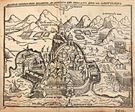 Hasan AghaPersonHasan Agha was a Sardinian-born convert and eunuch who rose in the service of Hayreddin Barbarossa and governed Algiers as his deputy from 1533.
- Hasan al-KalbiPersonHasan al-Kalbi was the first emir of Sicily of the Kalbid dynasty, appointed by the Fatimid caliph al-Mansur in 948 to restore order on the island.
 Hasan al-UtrushPersonHasan al-Utrush, called al-Nasir al-Kabir, was a Zaydi imam and Alid ruler in Tabaristan on the Caspian coast of Iran.
- Hasan Bughra KhanPersonHasan Bughra Khan, also called Harun, was a ruler of the Kara-Khanid Khanate in Central Asia in the late 10th century.
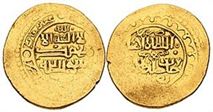 Hasan BuzurgPersonHasan Buzurg ('Hasan the Tall') was a Mongol emir of the Jalayir tribe and founder of the Jalayirid dynasty.
 Hasan ibn AliPersonHasan ibn Ali was a grandson of the Prophet Muhammad and the elder son of Ali, the fourth Rashidun caliph.
- al-Hasan ibn KannunPersonAl-Hasan ibn Kannun was the last Idrisid ruler in Morocco, holding territory in the north of the country in the mid-10th century between the Fatimids and the Umayyad…
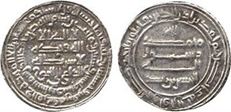 Hasan ibn ZaydPersonHasan ibn Zayd was a descendant of the Prophet's grandson Hasan, invited in 864 by the people of Ruyan and Tabaristan, angered by Tahirid land seizures, to lead them.
- Hasan II of AlamutPersonHasan II was the fourth ruler of the Nizari Ismaili state of Alamut in northern Iran, from 1162 to 1166.
- Hasan JuriPersonHasan Juri was a Shia Sufi preacher in Khorasan, a disciple of Shaykh Khalifa, whose followers spread a message of resistance to unjust rule and expectation of the Mahdi.
- Hasan KuchakPersonHasan Kuchak, 'Little Hasan', was a grandson of the Ilkhanid commander Chupan.
- Hasan Pasha (governor of Baghdad)PersonHasan Pasha was an Ottoman governor of Baghdad from 1704 until his death in 1723.
- Hasan Pasha (son of Hayreddin)PersonHasan Pasha was a son of Hayreddin Barbarossa who served three terms as Ottoman beylerbey of Algiers between 1544 and 1567.
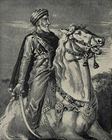 Hasan-i SabbahPersonHasan-i Sabbah was an Ismaili missionary who founded the Nizari branch after the succession crisis of 1094 in the Fatimid Caliphate.
 Hasan-Jalal DawlaPersonHasan-Jalal Dawla was the Armenian prince of Khachen, in present-day Karabakh, from 1214 until his death in 1261.
- HasanakPersonHasanak was the vizier of the Ghaznavid sultan Mahmud of Ghazni from about 1024 and a supporter of Mahmud's son Muhammad in the succession dispute of 1030.
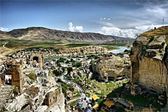 HasankeyfPlaceHasankeyf, medieval Hisn Kayfa, is an ancient town on the Tigris in south-eastern Turkey.
- Hasanlu LoversWork / monumentThe Hasanlu Lovers are two human skeletons found in 1972 at Hasanlu Tepe in north-western Iran, lying together in an apparent embrace in a bin where they died when the…
- Hasanwayh ibn HusaynPersonHasanwayh ibn Husayn was a chief of the Kurdish Barzikani tribe who founded the Hasanwayhid dynasty in the western Zagros.
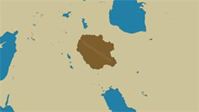 HasanwayhidsStateThe Hasanwayhids were a Kurdish dynasty that ruled parts of the central Zagros, including Dinawar and Kermanshah, from about 959 to 1015.
- Hasdai ibn ShaprutPersonHasdai ibn Shaprut was a Jewish physician, diplomat and patron at the court of the caliphs Abd al-Rahman III and al-Hakam II in Córdoba.
- HasdingiPeople / groupThe Hasdingi were one of the two main branches of the Vandals, a Germanic people.
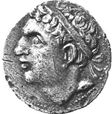 Hasdrubal BarcaPersonHasdrubal Barca was a Carthaginian general, son of Hamilcar Barca and brother of Hannibal.
- Hasdrubal GiscoPersonHasdrubal Gisco was a Carthaginian general of the Second Punic War who fought the Romans in Iberia until Scipio defeated him at Ilipa in 206 BCE.
 Hasdrubal the FairPersonHasdrubal the Fair was a Carthaginian general, son-in-law of Hamilcar Barca, who succeeded him as commander in Iberia in about 229 BCE.
 Hasekura TsunenagaPersonHasekura Tsunenaga was a samurai in the service of Date Masamune who led a Japanese embassy to Spain and Rome from 1613 to 1620.
 HashidPeople / groupThe Hashid are one of the two great tribal confederations of northern Yemen, alongside the Bakil, living in the highlands north of Sanaa.
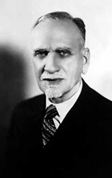 Hashim al-AtassiPersonHashim al-Atassi was a Syrian nationalist politician from Homs.
- Hashim ibn SuraqaPersonHashim ibn Suraqa was an Arab governor of Derbent on the Caspian coast of the Caucasus who in 869, as Abbasid authority weakened, founded the hereditary Hashimid dynasty.
- Hashimids of DerbentPeople / groupThe Hashimids of Derbent were an Arab dynasty that ruled the city of Derbent on the Caspian coast as hereditary emirs from 869 to 1075.
 Hashimoto SanaiPersonHashimoto Sanai was a Japanese physician and reformist samurai of the Fukui domain.
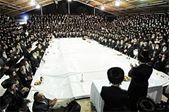 HasidismReligion / ideaHasidism is a Jewish religious movement founded in the eighteenth century in Eastern Europe, emphasising mysticism, joyful worship and devotion to charismatic leaders.
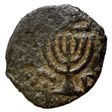 Hasmonean dynastyStateThe Hasmonean dynasty ruled Judea in the second and first centuries BCE.
- Hassan Ali BayoomiPersonHassan Ali Bayoomi was an Aden politician and journalist who served as chief minister of the colony and then of the State of Aden in 1963.
 Hassan Gouled AptidonPersonHassan Gouled Aptidon was an Issa Somali politician who represented French Somaliland in the French parliament and later led the campaign for independence.
- Hassan ibn al-Nu'manPersonHassan ibn al-Nu'man was an Arab general of the Umayyad Caliphate who completed the conquest of North Africa.
- Hassan ibn ThabitPersonHassan ibn Thabit was an Arab poet of the Khazraj tribe of Medina.
 Hassan II of MoroccoPersonHassan II was King of Morocco from 1961 until his death in 1999, of the Alaouite dynasty.
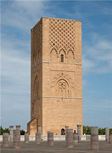 Hassan TowerWork / monumentThe Hassan Tower is the unfinished minaret of a great mosque in Rabat, Morocco, begun under the Almohad caliph Yaqub al-Mansur in the late twelfth century.
 Hassanal BolkiahPersonHassanal Bolkiah is the sultan of Brunei, who succeeded his father Omar Ali Saifuddien III in 1967.
- Hassaniya ArabicTermHassaniya Arabic is the variety of Arabic spoken in Mauritania, Western Sahara, southern Morocco and parts of Algeria, Mali and Senegal.
 HasseltPlaceHasselt is a city in Belgium and the capital of the Flemish province of Limburg, on the Demer.
 Hassi MessaoudPlaceHassi Messaoud is a town in the north-eastern Algerian Sahara that grew around one of Africa's largest oil fields, discovered in 1956 as French Algeria entered its…
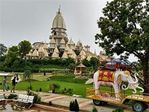 HastinapuraPlaceHastinapura is an ancient town in Meerut district, Uttar Pradesh, India, near an old bed of the Ganges, celebrated in the Mahabharata as the capital of the Kuru kings.
 Hastings BandaPersonHastings Kamuzu Banda was a Malawian physician and politician who led Nyasaland to independence as Malawi in 1964.
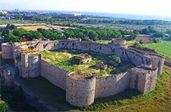 Hatay ProvincePlaceHatay is the southernmost province of Turkey, on the Mediterranean coast bordering Syria, with its capital at Antakya, ancient Antioch.
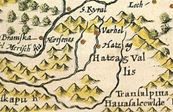 Hațeg CountryPlaceThe Hațeg Country is a basin in south-western Transylvania, Romania, enclosed by the Retezat and other ranges of the Southern Carpathians.
 Hathigumpha inscriptionWork / monumentThe Hathigumpha inscription is a long Prakrit inscription in Brahmi script carved in the 'Elephant Cave' on Udayagiri hill near Bhubaneswar, probably in the 1st century…
 HathorReligion / ideaHathor was one of the principal goddesses of ancient Egypt, associated with the sky, love, music, motherhood and foreign lands, and often shown as a cow or a woman with…
- HathumodPersonHathumod was the first abbess of Gandersheim, a daughter of the Saxon count Liudolf and his wife Oda.
- Hats (party)People / groupThe Hats were one of the two political parties of Sweden's Age of Liberty, dominated by the nobility and officers and in power from 1738 to 1765.
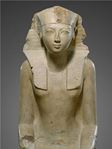 HatshepsutPersonHatshepsut was a female pharaoh of the Eighteenth Dynasty of Egypt who ruled c. 1479–1458 BCE.
- HattiPlaceHatti was the ancient name for the land of central Anatolia that formed the core of the Hittite kingdom.
- HattiansPeople / groupThe Hattians were the earlier inhabitants of central Anatolia, speaking a non-Indo-European language, before the rise of the Hittites.
 Hattic languageTermHattic was the language of the Hattians of central Anatolia in the 3rd and early 2nd millennium BCE.
 HattusaPlaceHattusa was the capital of the Hittite Empire, located near present-day Boğazkale in central Turkey.
 Hattusili IPersonHattusili I was an early king of the Hittites, regarded as one of the founders of the Hittite kingdom.
 Hattusili IIIPersonHattusili III was a king of the Hittite Empire in the thirteenth century BCE.
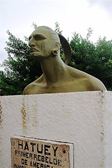 HatueyPersonHatuey was a Taíno chief from Hispaniola who fled to eastern Cuba and led resistance against the Spanish conquest under Diego Velázquez de Cuéllar.
- Hatun XauxaPlaceHatun Xauxa was an Inca provincial centre in the Mantaro valley of central Peru, near the modern town of Jauja.
- HatuncollaPlaceHatuncolla is a town in the Puno region of southern Peru, north-west of Lake Titicaca and near the city of Puno.
 Hatuniye MadrasaWork / monumentThe Hatuniye Madrasa is a theological college in Karaman, central Anatolia, completed in 1382.
- HatunmarcaPlaceHatunmarca was a fortified hilltop town of the Xauxa people in the Yanamarca valley, a side valley of the Mantaro in central Peru.
 HauranPlaceThe Hauran is a volcanic plateau and fertile plain in south-western Syria, extending into northern Jordan, between the Golan Heights and the Jabal al-Druze.
- HausaPeople / groupThe Hausa are a people of northern Nigeria and southern Niger, whose city-states such as Kano and Katsina were important centres of trade and crafts.
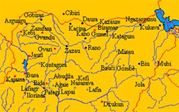 Hausa BakwaiPeople / groupThe Hausa Bakwai are the seven 'true' Hausa states of tradition: Daura, Kano, Katsina, Zazzau, Gobir, Rano and Biram, said to descend from the legendary hero Bayajidda…
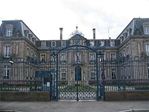 Haut-RhinPlaceHaut-Rhin is a department of eastern France covering southern Alsace, with Colmar as its prefecture and Mulhouse as its largest city.
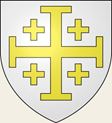 Haute Cour (Kingdom of Jerusalem)InstitutionThe Haute Cour, or High Court, was the feudal council of the crusader Kingdom of Jerusalem, made up of the king and his tenants-in-chief, the great barons and prelates.
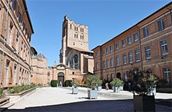 Haute-GaronnePlaceHaute-Garonne is a department of south-western France, in the Occitanie region, stretching from the Spanish border in the central Pyrenees along the upper Garonne to…
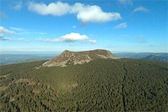 Haute-LoirePlaceHaute-Loire is a department of the Massif Central in south-central France, in the Auvergne-Rhône-Alpes region, with its prefecture at Le Puy-en-Velay.
 Haute-SavoiePlaceHaute-Savoie is a department of south-eastern France, bordering Switzerland and Italy, with Annecy as its prefecture.
 Hautes-PyrénéesPlaceHautes-Pyrénées is a department in south-western France on the Spanish border, in the Occitanie region, with Tarbes as its prefecture.
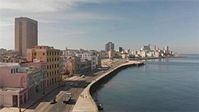 HavanaPlaceHavana is the capital and largest city of Cuba, founded by the Spanish in 1515 and moved to its present site on a sheltered bay around 1519.
 HavelPlaceThe Havel is a river in north-eastern Germany, about 330 kilometres long, a right tributary of the Elbe.
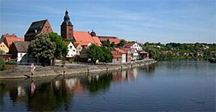 HavelbergPlaceHavelberg is a small town on the Havel near its junction with the Elbe in Saxony-Anhalt, Germany.
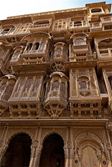 HaveliTermA haveli is a traditional townhouse or mansion of the Indian subcontinent, built around one or more inner courtyards.
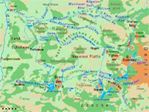 HavellandPlaceThe Havelland is a region of Brandenburg, Germany, west of Berlin, enclosed by the loops of the Havel river.
- Havelock minePlaceThe Havelock mine was an asbestos mine at Bulembu in north-western Eswatini, worked from 1939 to 2001.
 Haw Phra KaewWork / monumentHaw Phra Kaew is a temple in Vientiane, Laos, built by King Setthathirath around 1565 to house the Emerald Buddha, which he had brought from Lan Na.
 Haw warsWar · 1865–1890The Haw wars were raids and campaigns between about 1865 and 1890 by bands of Chinese irregulars, called Haw, who had fled southern China after the Taiping and related…
 HawaiiPlaceHawaii is an archipelago in the central Pacific Ocean and, since 1959, the 50th state of the United States, with its capital at Honolulu.
- Hawaii Admission ActEventThe Hawaii Admission Act was a law of the United States Congress signed by President Dwight D. Eisenhower on 18 March 1959.
- Hawaiian Organic ActWork / monumentThe Hawaiian Organic Act was a law of the United States Congress, passed in April 1900, that established the Territory of Hawaii after the annexation of 1898.
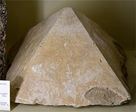 HawaraPlaceHawara is an archaeological site at the entrance to the Faiyum in Egypt, where Amenemhat III of the Twelfth Dynasty built his mud-brick pyramid in the 19th century BCE.
- Hawarden CastleWork / monumentHawarden Castle is a ruined medieval castle in Flintshire, north-east Wales, near the English border.
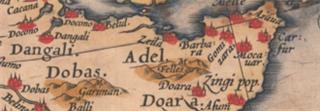 HawiyePeople / groupThe Hawiye are one of the major Somali clan families, living mainly in central and southern Somalia, including Mogadishu, and in parts of Ethiopia and Kenya.
- HawwaraPeople / groupThe Hawwara are a Berber tribal confederation, originally of Tripolitania in present-day Libya.