Encyclopedia: A
2,700 entries under A · page 20 of 27: Apion family – Arcetri
- Apion familyPeople / groupThe Apion family were a dynasty of great landowners in Byzantine Egypt, based at Oxyrhynchus, from the fifth to the early seventh century.
 ApisReligion / ideaApis was a sacred bull worshipped at Memphis in ancient Egypt as the living manifestation of the god Ptah.
 Apolinario MabiniPersonApolinario Mabini was a Filipino lawyer and political thinker who became the chief adviser of Emilio Aguinaldo in 1898, despite being paralysed.
 ApolloReligion / ideaApollo is a major god of Greek and Roman religion, son of Zeus and Leto and twin brother of Artemis.
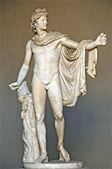 Apollo DelphiniosReligion / ideaApollo Delphinios was a form of the Greek god Apollo, linked to dolphins, the sea and the founding of colonies.
- Apollo GrannusReligion / ideaApollo Grannus was a Gallo-Roman healing god, the Celtic deity Grannus identified with the Roman Apollo and worshipped especially at springs.
 Apollo of VeiiWork / monumentThe Apollo of Veii is a life-size painted terracotta statue of the god Apollo, made around 510–500 BCE for the roof of the Portonaccio temple at Veii.
 Apollonia (Cyrenaica)PlaceApollonia was the ancient port of Cyrene in eastern Libya, at modern Marsa Susa.
 Apollonia (Illyria)PlaceApollonia was an ancient Greek city in Illyria, near modern Fier in Albania, founded around 600 BCE by colonists from Corinth and Corcyra.
- Apollonius MolonPersonApollonius Molon was a Greek rhetorician from Alabanda in Caria who taught on Rhodes in the early first century BCE.
 Apollonius of PergaPersonApollonius of Perga was a Greek mathematician and astronomer from Perge in Pamphylia who worked at Alexandria and Pergamon.
 Apollonius of TyanaPersonApollonius of Tyana was a Greek Neopythagorean philosopher and wandering teacher from Cappadocia in the 1st century CE.
- Apolo KagwaPersonApolo Kagwa was katikkiro, or chief minister, of Buganda from 1889 to 1926.
- Apology of SocratesWork / monumentThe Apology of Socrates is Plato's version of the speech Socrates gave in his own defence at his trial in Athens in 399 BCE on charges of impiety and corrupting the…
- Apostol (1564)Work / monumentThe Apostol of 1564 is the first precisely dated book printed in Moscow, produced by Ivan Fyodorov and Pyotr Mstislavets at the Moscow Print Yard and completed on 1…
- Apostolic CameraInstitutionThe Apostolic Camera was the central financial office of the papacy, which from the eleventh century collected the revenues of the Holy See and, in the Papal States…
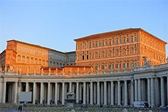 Apostolic PalaceWork / monumentThe Apostolic Palace is the official residence of the pope in Vatican City, beside St.
 Appalachian MountainsPlaceThe Appalachian Mountains are an ancient mountain system of eastern North America, stretching about 2,400 kilometres from Newfoundland to Alabama.
- AppaliunaReligion / ideaAppaliuna was a god of Wilusa in north-western Anatolia, named among the divine witnesses of the treaty between the Hittite king Muwatalli II and Alaksandu of Wilusa…
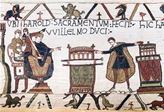 AppanageInstitutionAn appanage is a grant of land or revenue given to junior members of a ruling family for their support.
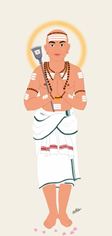 ApparPersonAppar, also called Tirunavukkarasar, was a Tamil Shaiva poet-saint of the seventh century and one of the most revered of the 63 Nayanars.
- Appellate Division of the Supreme Court of South AfricaInstitutionThe Appellate Division of the Supreme Court of South Africa was the country's highest court of appeal from the creation of the Union in 1910.
 Appenzell WarsWar · 1401–1429The Appenzell Wars were a series of conflicts from 1401 to 1429 in which the people of Appenzell, in north-eastern Switzerland, threw off the rule of the prince-abbots…
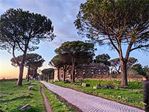 Appian WayWork / monumentThe Appian Way (Via Appia) was a Roman road begun in 312 BCE by the censor Appius Claudius Caecus, first from Rome to Capua and later extended to Brundisium on the…
- Appius Claudius Pulcher (consul 143 BCE)PersonAppius Claudius Pulcher was a Roman statesman of the patrician Claudii.
- AppuashuPersonAppuashu was king of Pirindu, a kingdom in the rugged west of Cilicia in southern Anatolia, in the 6th century BCE.
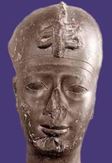 ApriesPersonApries was a pharaoh of the 26th Dynasty of Egypt, reigning from 589 to 570 BCE.
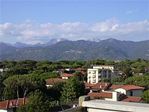 Apuan AlpsPlaceThe Apuan Alps are a mountain range in north-western Tuscany, Italy, running parallel to the coast between the valleys of the Serchio and the Magra.
- ApuaniPeople / groupThe Apuani were a Ligurian people of the mountains of north-western Tuscany, between the Magra and Serchio valleys, where the Apuan Alps keep their name.
 ApuleiusPersonApuleius was a Latin writer, orator and Platonist philosopher from Madauros in Roman North Africa.
 ApuliaPlaceApulia (Puglia) is the region in the south-east of Italy that forms the heel of the peninsula, with its capital at Bari.
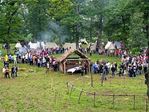 ApuolėPlaceApuolė is a hillfort in north-western Lithuania, in the historical land of the Curonians.
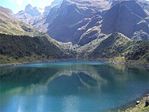 Apurímac RegionPlaceApurímac is a region of the southern Peruvian Andes, with its capital at Abancay, named after the Apurímac river, whose deep canyon crosses it.
 Aq QoyunluStateThe Aq Qoyunlu, or 'White Sheep', were a Turkoman tribal confederation that ruled eastern Anatolia, Iraq and much of Iran in the second half of the fifteenth century.
- Aq Sunqur AhmadiliPersonAq Sunqur Ahmadili was a Turkish mamluk of the Kurdish emir Ahmadil ibn Ibrahim who took control of Maragheh around 1122 and founded the Ahmadili dynasty, named after…
- Aq Sunqur al-HajibPersonAq Sunqur al-Hajib was a Turkish commander of the Seljuk sultan Malik-Shah I, appointed governor of Aleppo in 1087.
- Aq Sunqur IIPersonAq Sunqur II was an atabeg of the Ahmadili dynasty that ruled Maragheh in Azerbaijan in the 12th century.
 Al-Aqsa MosqueWork / monumentThe Al-Aqsa Mosque is a mosque on the Haram al-Sharif, or Temple Mount, in Jerusalem, one of the most important sites in Islam.
- AqtaghliqPeople / groupThe Aqtaghliq, or 'White Mountain' faction, was one of two rival branches of the Naqshbandi khojas who dominated the religious and political life of Kashgaria in the…
 Aquae FlaviaePlaceAquae Flaviae was a Roman town in Gallaecia on the site of modern Chaves in northern Portugal.
 Aquae TarbellicaePlaceAquae Tarbellicae was the Roman town on the site of Dax in south-western France, chief town of the Tarbelli people.
- AqueductTermAn aqueduct is a channel or structure built to carry water from a source to a city, often across valleys on arches.
 Aqueduct of Los MilagrosWork / monumentThe Aqueduct of Los Milagros is a Roman aqueduct at Mérida in Spain, ancient Emerita Augusta, capital of Lusitania.
- AquiferTermAn aquifer is an underground layer of rock or sediment that holds water.
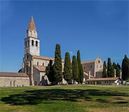 AquileiaPlaceAquileia is a town near the head of the Adriatic in north-eastern Italy, founded as a Latin colony in 181 BCE to guard the north-eastern approaches to Italy.
 AquiminzaquePersonAquiminzaque (died 1540) was the last zaque, ruler of the northern Muisca of Hunza (modern Tunja) in the Colombian highlands.
- AquitaniPeople / groupThe Aquitani were the ancient peoples of south-western Gaul between the Garonne, the Pyrenees and the Atlantic.
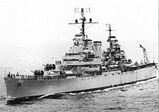 ARA General BelgranoWork / monumentARA General Belgrano was an Argentine light cruiser, built in the United States as USS Phoenix, which survived the attack on Pearl Harbor and was sold to Argentina in…
- Arab BureauxInstitutionThe Arab Bureaux were French army offices created in 1844 to administer the Muslim population of the military territories of Algeria.
- Arab conquest of the FezzanCampaign · 643–670 CEThe Arab conquest of the Fezzan was the series of Muslim Arab campaigns into the Fezzan region of south-western Libya between 643 and 670 CE.
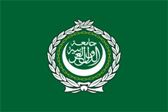 Arab LeagueInstitutionThe Arab League is a regional organisation of Arab states founded in Cairo on 22 March 1945 by Egypt, Iraq, Transjordan, Lebanon, Saudi Arabia and Syria, with Yemen…
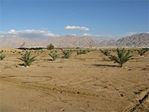 ArabahPlaceThe Arabah is the long desert valley running south from the Dead Sea to the Gulf of Aqaba, now forming part of the border between Israel and Jordan.
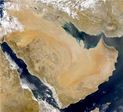 ArabiaPlaceArabia is the region of the Arabian Peninsula in south-west Asia, bounded by the Red Sea, the Arabian Sea and the Persian Gulf.
 Arabia FelixPlaceArabia Felix ('Fortunate Arabia') was the Greek and Roman name for the south-west of the Arabian Peninsula, roughly modern Yemen.
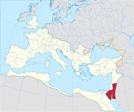 Arabia PetraeaPlaceArabia Petraea was a province of the Roman Empire formed in 106 CE when Trajan annexed the Nabataean kingdom.
- Arabian PeninsulaPlaceThe Arabian Peninsula is the large peninsula of south-west Asia between the Red Sea and the Persian Gulf.
 Arabian SeaPlaceThe Arabian Sea is the part of the northern Indian Ocean between Arabia and the Indian subcontinent.
- Arabic languageTermArabic is a Semitic language that spread with Islam from the Arabian Peninsula across the Middle East and North Africa.
 ArabisationEventArabisation refers to the policy, begun under the Umayyad caliph Abd al-Malik in the 690s, of making Arabic the official language of administration.
- ArabsPeople / groupThe Arabs are a people originating in the Arabian Peninsula who speak Arabic.
- Arabshahid dynastyPeople / groupThe Arabshahids were a Chinggisid dynasty descended from Shiban that ruled Khwarazm, the Khanate of Khiva, from 1511.
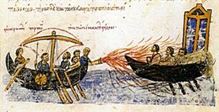 Arab–Byzantine warsWar · 629–1050sThe Arab–Byzantine wars were fought between the Byzantine Empire and the Arab caliphates and their successor emirates from 629 into the 11th century.
 Arab–Khazar warsWarThe Arab–Khazar wars were a series of conflicts in the seventh and eighth centuries between the Khazar Khaganate and the Umayyad and early Abbasid caliphates over…
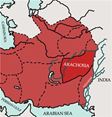 ArachosiaPlaceArachosia was an ancient region in present-day southern Afghanistan, centred around Kandahar.
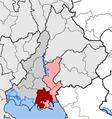 ArachthosPlaceThe Arachthos is a river of Epirus in north-western Greece, flowing from the Pindus mountains south past Arta into the Ambracian Gulf.
 Arad, RomaniaPlaceArad is a city in western Romania on the Mureș river, part of the Kingdom of Hungary until 1920.
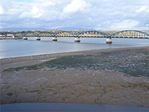 AradePlaceThe Arade is a river of the western Algarve in southern Portugal, flowing past Silves to the Atlantic at Portimão.
- Arado FlugzeugwerkeInstitutionArado Flugzeugwerke was a German aircraft maker founded in 1925 at Warnemünde near Rostock.
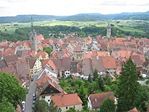 Arae FlaviaePlaceArae Flaviae was a Roman town on the upper Neckar on the site of present-day Rottweil, founded around 73 CE under the Flavian emperors, from whom it took its name.
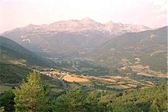 Aragón (river)PlaceThe Aragón is a river of northern Spain that rises in the central Pyrenees near the Somport pass, flows past Jaca and joins the Ebro in Navarre.
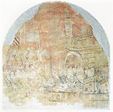 Aragonese CrusadeWar · 1284–1285The Aragonese Crusade was a crusade declared by Pope Martin IV against King Peter III of Aragon, who had taken Sicily after the Sicilian Vespers.
- ArakPlaceArak is a city in western Iran and the capital of Markazi Province.
- Arakan Rohingya Salvation ArmyPeople / groupThe Arakan Rohingya Salvation Army is a Rohingya insurgent group in Rakhine State, Myanmar.
 Aral SeaPlaceThe Aral Sea is a large inland lake in Central Asia, between present-day Kazakhstan and Uzbekistan, fed by the Amu Darya and Syr Darya rivers.
- AramaeansPeople / groupThe Aramaeans were a Semitic-speaking people of ancient Syria and Mesopotamia who formed numerous small states in the early first millennium BCE.
- AramaicTermAramaic is a Semitic language that became the common language of much of the Near East in the first millennium BCE.
 Arame of UrartuPersonArame was the first known king of Urartu, ruling in the mid-ninth century BCE.
 AranukaPlaceAranuka is a small atoll in the central Gilbert Islands of Kiribati, near Abemama, made up of two main islets around a lagoon.
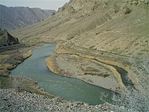 Aras RiverPlaceThe Aras, ancient Araxes, is a river of the South Caucasus, about 1,070 kilometres long, which rises in eastern Turkey and joins the Kura in Azerbaijan.
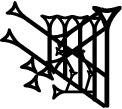 ArattaPlaceAratta is a distant land rich in precious stones and metals described in Sumerian epic poems, notably Enmerkar and the Lord of Aratta, in which Enmerkar, king of Uruk…
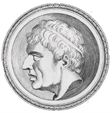 Aratus of SicyonPersonAratus of Sicyon was a Greek statesman who freed his city from its tyrant in 251 BCE, brought it into the Achaean League and led the league for over thirty years as its…
 Aratus of SoliPersonAratus of Soli was a Greek poet from Cilicia who lived at the Macedonian court of Antigonus II Gonatas.
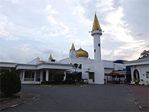 ArauPlaceArau is the royal town of Perlis, the smallest state of Malaysia, near the Thai border.
 Arauco WarWar · 1536–1818The Arauco War was the long conflict between the Spanish and the Mapuche of south-central Chile.
- Aravidu dynastyPeople / groupThe Aravidu dynasty was the fourth and last ruling house of the Vijayanagara Empire.
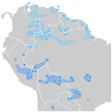 Arawakan languagesTermThe Arawakan languages are a family of languages of South America and the Caribbean, spoken from the Andes and Amazonia to the Antilles.
- ARBEDInstitutionARBED was a Luxembourg steel company formed in 1911 by the merger of several ironworks and steelworks.
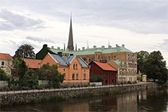 ArbogaPlaceArboga is a small town in Västmanland in central Sweden, a medieval trading centre for the iron of the Bergslagen mining district.
- ArbogastPersonArbogast was a Frankish general in the Roman army who became the dominant figure at the western court of the young emperor Valentinian II.
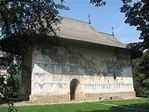 Arbore ChurchWork / monumentArbore Church is a church in Suceava County, Romania, built in 1503 by the Moldavian boyar Luca Arbore.
- ArcadiaPlaceArcadia is a mountainous region of the central Peloponnese in Greece.
- Arcadian GateWork / monumentThe Arcadian Gate is the monumental northern gateway of ancient Messene in the south-western Peloponnese, built when the city was founded under Theban protection in 369…
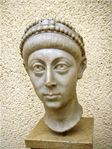 ArcadiusPersonArcadius was Roman emperor in the East from 395 to 408, the elder son of Theodosius I.
- Arcangelo LambertiPersonArcangelo Lamberti was an Italian Theatine missionary who lived in Mingrelia in western Georgia from the 1630s until about 1649.
- ArcelorInstitutionArcelor was a steel company formed in 2002 by the merger of ARBED of Luxembourg, Usinor of France and Aceralia of Spain, with its headquarters in Luxembourg.
 ArcelorMittalInstitutionArcelorMittal is a multinational steel and mining company formed in 2006 when Mittal Steel took over Arcelor.
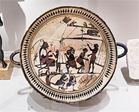 Arcesilaus IIPersonArcesilaus II, called 'the Harsh', was the fourth king of the Battiad dynasty of Cyrene in Libya in the mid-6th century BCE.
- Arcesilaus IIIPersonArcesilaus III was a Battiad king of Cyrene in the later 6th century BCE, son of Battus III and Pheretime.
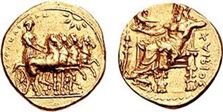 Arcesilaus IVPersonArcesilaus IV was the last king of the Battiad dynasty of Cyrene, the Greek city in Libya.
 ArcetriPlaceArcetri is a hilly district on the southern edge of Florence.