Encyclopedia: O
628 entries under O · page 6 of 7: Otakars – Ovonramwen
 OtakarsStateThe Otakars were a noble dynasty, counts of Steyr in Upper Austria, who ruled the Carantanian March from 1056.
- OtanesPersonOtanes was a Persian noble who, according to Herodotus, uncovered the false Smerdis and joined the conspiracy of seven that placed Darius I on the throne in 522 BCE; in…
- OtbertPersonOtbert was prince-bishop of Liège from 1091 to 1119 and a loyal supporter of Emperor Henry IV in the Investiture Controversy, sheltering him at Liège before his death…
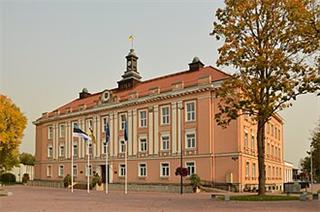 OtepääPlaceOtepää is a town in southern Estonia, built beside a hillfort that was the main stronghold of the ancient Estonian county of Ugandi; its name means 'bear's head'.
 Otfrid of WeissenburgPersonOtfrid of Weissenburg was a Benedictine monk of Wissembourg Abbey in Alsace and the first German poet known by name.
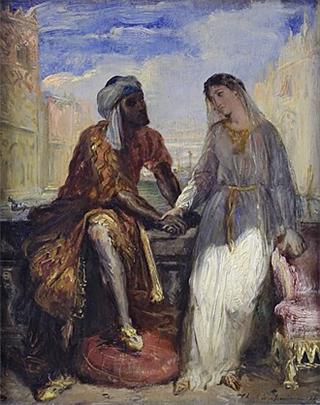 OthelloWork / monumentOthello is a tragedy by William Shakespeare, written around 1603 and first published in 1622.
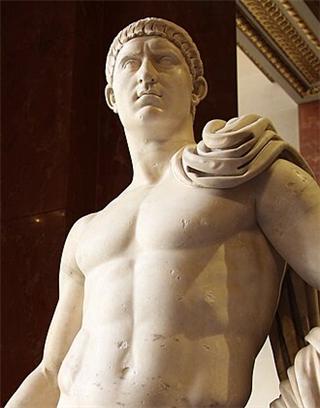 OthoPersonOtho (Marcus Salvius Otho) was Roman emperor for three months in 69 CE, the Year of the Four Emperors.
 Otho de la RochePersonOtho de la Roche was a Burgundian knight of the Fourth Crusade who received Athens and Thebes from Boniface of Montferrat in 1205 and became the first Latin lord of…
- Otho of TournayPersonOtho of Tournay was a knight of the Fourth Crusade who received the barony of Kalavryta, one of the original twelve baronies of the Principality of Achaea in the…
 OtjimbingwePlaceOtjimbingwe is a settlement on the Swakop River in central Namibia, west of Windhoek.
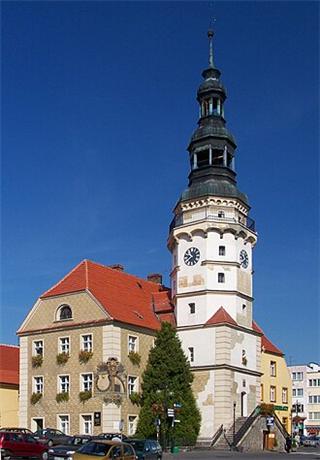 OtmuchówPlaceOtmuchów is a small town in the Opole Voivodeship of southern Poland, near Nysa.
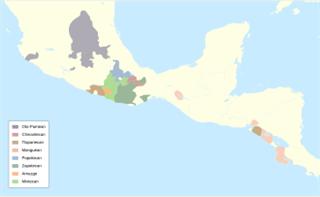 Oto-Manguean languagesTermThe Oto-Manguean languages are a large family of Indigenous languages of Mexico and Central America, including Zapotec, Mixtec, Otomi, Mazahua and Chinantec.
 OtomiPeople / groupThe Otomi are an indigenous people of central Mexico, living mainly in the states of Hidalgo, México and Querétaro and speaking Otomian languages of the Oto-Manguean…
 Ōtomo clanPeople / groupThe Ōtomo clan was a Japanese warrior family that held Bungo province in north-eastern Kyushu as military governors from the Kamakura period.
 Ōtomo no TabitoPersonŌtomo no Tabito was a Japanese courtier, general and poet of the Nara period.
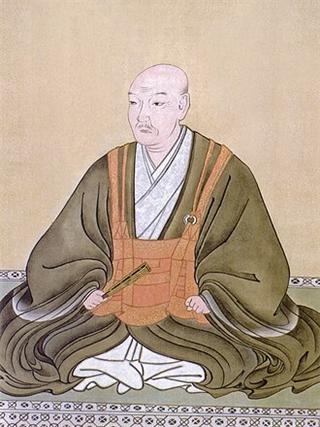 Ōtomo SōrinPersonŌtomo Sōrin, born Ōtomo Yoshishige, was a daimyo of Bungo in Kyushu who led his clan from 1550.
 Ōtomo YoshimunePersonŌtomo Yoshimune was the son of Ōtomo Sōrin and the last daimyo of the Ōtomo clan in Bungo.
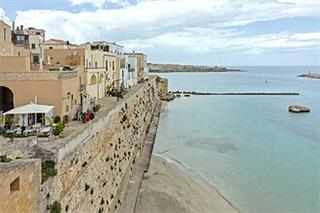 OtrantoPlaceOtranto is a town on the coast of Apulia, the easternmost town of Italy, facing Albania across the Strait of Otranto.
- OtrarPlaceOtrar was a medieval oasis city on the middle Syr Darya in southern Kazakhstan, an important town of the Silk Road.
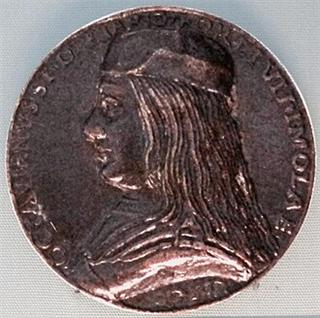 Ottaviano RiarioPersonOttaviano Riario was the eldest son of Girolamo Riario and Caterina Sforza and nominal lord of Imola and Forlì after his father's murder in 1488.
 Ottavio FarnesePersonOttavio Farnese was duke of Parma and Piacenza from 1547, a grandson of Pope Paul III.
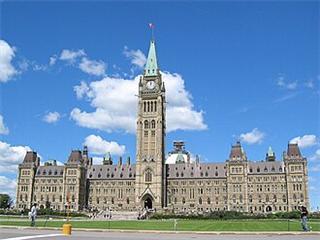 OttawaPlaceOttawa is the capital of Canada, on the Ottawa river in eastern Ontario.
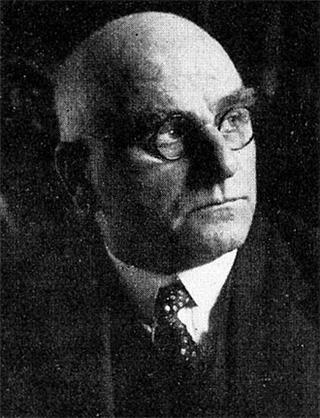 Otto BraunPersonOtto Braun was a German Social Democratic politician who was minister-president of the Free State of Prussia almost continuously from 1920 to 1932.
- Otto CoclesPersonOtto Cocles, also called Otto the One-Eyed, was a Welf duke of Brunswick-Lüneburg who ruled the Principality of Göttingen from 1394.
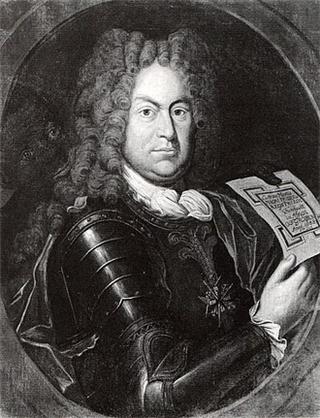 Otto Friedrich von der GroebenPersonOtto Friedrich von der Groeben was a Prussian officer and traveller.
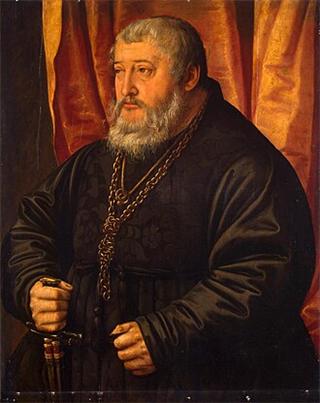 Otto Henry, Elector PalatinePersonOtto Henry, known in German as Ottheinrich, was ruler of Palatinate-Neuburg from 1505 and Elector Palatine from 1556.
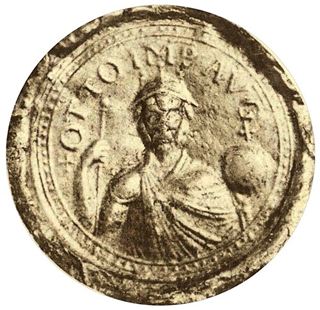 Otto IPersonOtto I, Duke of Saxony and King of Germany, was crowned emperor by Pope John XII in 962 CE.
- Otto I of NassauPersonOtto I of Nassau was a 13th-century count of Nassau and founder of the Ottonian line of the House of Nassau.
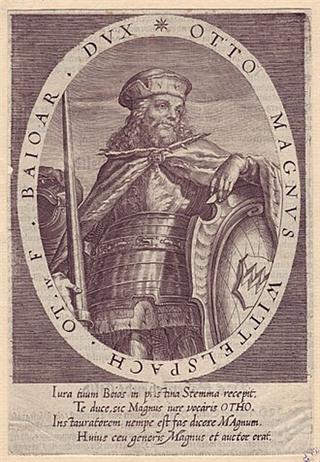 Otto I, Duke of BavariaPersonOtto I of Wittelsbach was a Bavarian count palatine and a loyal follower of Frederick Barbarossa, whom he served on campaigns in Italy.
 Otto I, Duke of Brunswick-GöttingenPersonOtto I, known as Otto the Bad, was Duke of Brunswick-Göttingen from 1367 to 1394.
- Otto II, Count Palatine of MosbachPersonOtto II was the second and last ruler of Palatinate-Mosbach, a branch of the Wittelsbach Palatinate on the Neckar and in the Odenwald.
 Otto II, Duke of BavariaPersonOtto II, called the Illustrious, was a Wittelsbach Duke of Bavaria from 1231 to 1253 and, through his marriage to Agnes of the Palatinate, Count Palatine of the Rhine…
- Otto II, Duke of MeraniaPersonOtto II was the last Duke of Merania and Count Palatine of Burgundy from the house of Andechs.
 Otto II, Holy Roman EmperorPersonOtto II was Holy Roman Emperor from 973, son of Otto I and husband of the Byzantine princess Theophanu.
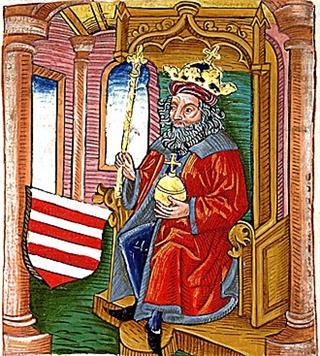 Otto III, Duke of BavariaPersonOtto III was Duke of Lower Bavaria from 1290, a Wittelsbach ruling from Landshut.
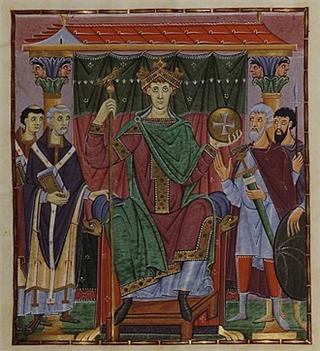 Otto III, Holy Roman EmperorPersonOtto III became King of Germany at the age of three in 983 and Holy Roman Emperor in 996.
 Otto IV, Holy Roman EmperorPersonOtto IV, of the Welf dynasty, was king of Germany from 1198 and Holy Roman Emperor from 1209.
 Otto of BambergPersonOtto of Bamberg (c. 1060–1139) was Bishop of Bamberg from 1102 and a missionary to the Pomeranians.
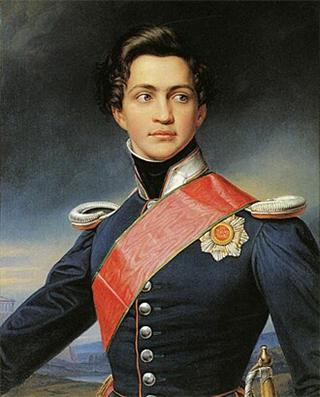 Otto of GreecePersonOtto of Greece was a Bavarian prince, son of King Ludwig I, chosen by Britain, France and Russia at the London Conference of 1832 as the first king of modern Greece.
- Otto of WarcqPersonOtto of Warcq is the first known count of Chiny, in the Ardennes of present-day southern Belgium, in the later 10th century.
 Otto Pérez MolinaPersonOtto Pérez Molina (born 1950) is a retired Guatemalan general who was president from 2012 to 2015.
 Otto RothPersonOtto Roth was a lawyer and Social Democrat in Temesvár (Timișoara) who led the local council that proclaimed the Banat Republic on 1 November 1918, as Austria-Hungary…
 Otto the ChildPersonOtto the Child was a grandson of Henry the Lion and the first duke of Brunswick-Lüneburg.
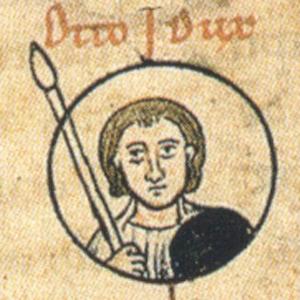 Otto the IllustriousPersonOtto the Illustrious was a Saxon count of the Liudolfing family who held a dominant position in Saxony and Thuringia from 880 until his death in 912.
 Otto the RichPersonOtto the Rich was margrave of Meissen from 1156 to 1190, a member of the House of Wettin.
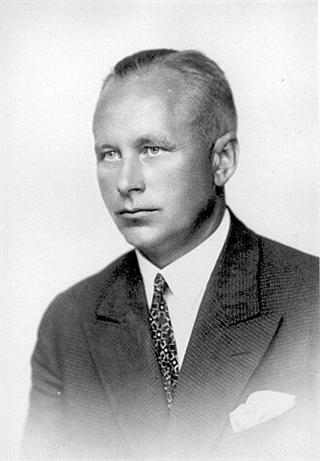 Otto TiefPersonOtto Tief was an Estonian lawyer and politician who fought in the Estonian War of Independence.
 Otto Truchsess von WaldburgPersonOtto Truchsess von Waldburg was a German cardinal and prince-bishop of Augsburg from 1543 to 1573, from the Swabian family of the Truchsess von Waldburg.
- Otto V, Margrave of BrandenburgPersonOtto V, called the Long, was a margrave of Brandenburg of the Ascanian house.
 Otto von BismarckPersonOtto von Bismarck was a Prussian statesman who unified Germany and served as the first chancellor of the German Empire.
 Otto Wille KuusinenPersonOtto Wille Kuusinen was a Finnish communist who fled to Soviet Russia after the Finnish Civil War of 1918 and became a leading figure of the Comintern.
 Otto, Prince of Stolberg-WernigerodePersonOtto, Prince of Stolberg-Wernigerode, was a German statesman and head of his family's Harz lands.
- Otto-Mathilde CrossWork / monumentThe Otto-Mathilde Cross is a jewelled processional cross made around 982 for Essen Abbey.
 Otto-William, Count of BurgundyPersonOtto-William (c. 958–1026) was the first Count of Burgundy and founder of the comital house of the Free County.
 OttobeurenPlaceOttobeuren is a market town in the Unterallgäu district of Bavaria, Germany.
 Ottokar I of BohemiaPersonOttokar I was Duke of Bohemia and from 1198 its king.
 Ottokar II of BohemiaPersonOttokar II was king of Bohemia from 1253, known as the Iron and Golden King for his military strength and wealth.
 Ottokar IV of StyriaPersonOttokar IV was the last of the Otakar rulers of Styria and its first duke, raised to that rank by Frederick Barbarossa in 1180.
 Ottoman conquest of EgyptCampaign · 1517The Ottoman conquest of Egypt was the campaign of Sultan Selim I that ended Mamluk rule in 1517.
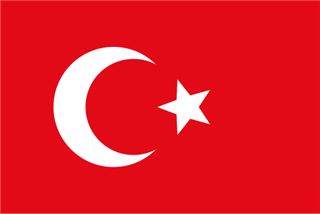 Ottoman EmpireStateThe Ottoman Empire was a Turkish Muslim state founded by Osman I around 1300 in north-western Anatolia, which grew to rule south-eastern Europe, the Middle East and…
 Ottoman HungaryPlaceOttoman Hungary was the central and southern part of the medieval Kingdom of Hungary ruled by the Ottoman Empire from the capture of Buda in 1541 until the reconquest…
- Ottoman Public Debt AdministrationInstitutionThe Ottoman Public Debt Administration was an organisation established in 1881 after the Ottoman state defaulted on its foreign loans.
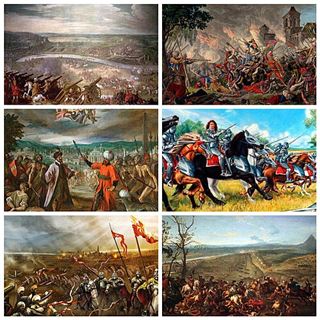 Ottoman–Habsburg warsWarThe Ottoman–Habsburg wars were a long series of conflicts between the Ottoman Empire and the Habsburg monarchy, fought from the sixteenth to the eighteenth century in…
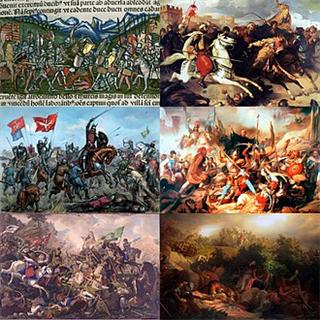 Ottoman–Hungarian warsWar · 1366–1526The Ottoman–Hungarian wars were the conflicts between the Ottoman Empire and the Kingdom of Hungary from the late 14th century to 1526.
- Ottoman–Mamluk War (1516–1517)War · 1517The Ottoman–Mamluk War was a conflict between the Ottoman Empire and the Mamluk Sultanate in 1516–1517.
- Ottoman–Persian WarsWar · 1514–1823The Ottoman–Persian Wars were the conflicts between the Ottoman Empire and the successive dynasties of Iran, from the Safavids to the Qajars, between 1514 and 1823.
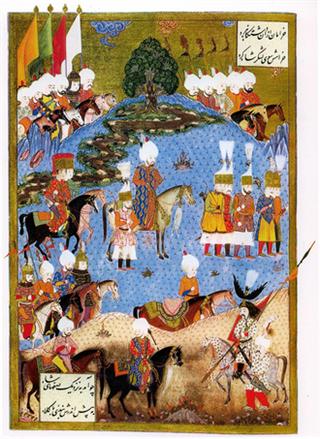 Ottoman–Safavid War (1532–1555)War · 1532–1555The Ottoman–Safavid War of 1532–1555 was fought between the Ottoman Empire of Suleiman the Magnificent and Safavid Persia under Tahmasp I.
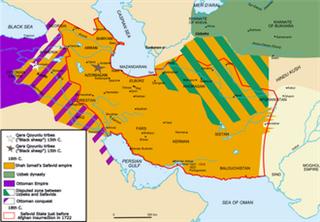 Ottoman–Safavid War (1623–1639)War · 1623–1639The Ottoman–Safavid War of 1623–1639 was the last major war between the Ottoman Empire and Safavid Iran.
- Ottoman–Safavid warsWarThe Ottoman–Safavid wars were a series of conflicts between the Sunni Ottoman Empire and the Shi'a Safavid Empire from the sixteenth to the eighteenth century.
 Ottoman–Venetian War (1570–1573)War · 1570–1573The Ottoman–Venetian War of 1570–1573 was fought between the Ottoman Empire and the Republic of Venice, allied with Spain and the papacy in the Holy League.
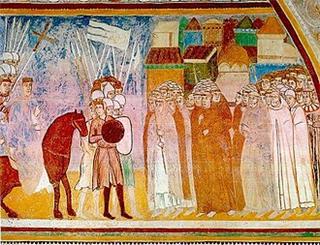 Ottone ViscontiPersonOttone Visconti was Archbishop of Milan from 1262 and the founder of Visconti power in the city.
- OttoneumWork / monumentThe Ottoneum is a building in Kassel, Germany, built from 1604 to 1606 for Landgrave Maurice of Hesse-Kassel and named after his son Otto.
- Ottonian dynastyStateThe Ottonian dynasty, also called the Liudolfings, was a Saxon family that ruled East Francia, later Germany, from 919 to 1024.
- Ottonian HandfesteWork / monumentThe Ottonian Handfeste was a charter issued in 1311 by Duke Otto III of Lower Bavaria in return for a special tax to pay his debts.
- ÖtükenPlaceÖtüken is a sacred forested mountain region in central Mongolia, near the Orkhon valley, regarded by early Turkic peoples as the seat of legitimate rule.
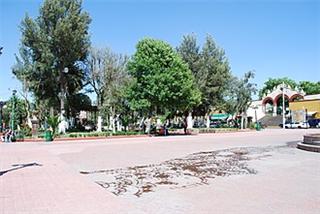 OtumbaPlaceOtumba is a town in the State of Mexico, north-east of Mexico City, close to the ruins of Teotihuacan.
 OuadanePlaceOuadane is an oasis town in the Adrar region of Mauritania, founded in the 12th century by Berber traders on the edge of the Sahara.
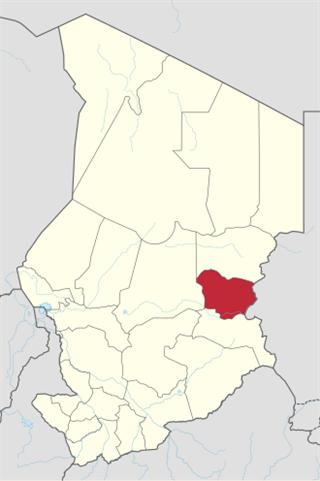 Ouaddaï RegionPlaceOuaddaï is a province of eastern Chad on the border with Sudan, with its capital at Abéché.
 OuahigouyaPlaceOuahigouya is a city in northern Burkina Faso and the capital of the North Region.
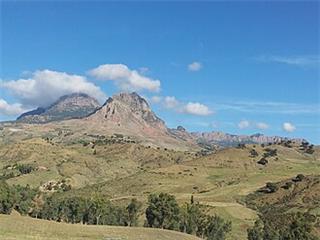 OuarsenisPlaceThe Ouarsenis is a mountain range of the Tell Atlas in north-western Algeria, south of the Chelif valley, rising to almost 2,000 metres.
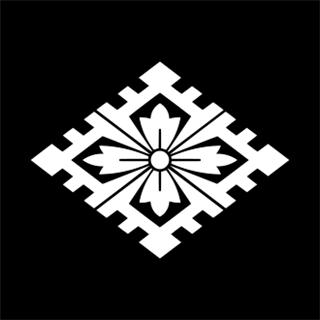 Ōuchi clanPeople / groupThe Ōuchi were a samurai clan of western Japan, based in Suō Province, who claimed descent from a prince of the Korean kingdom of Baekje.
- Ōuchi YoshihiroPersonŌuchi Yoshihiro was a Japanese warlord who held as many as six provinces in western Japan and controlled trade with Korea in the late 14th century.
 Ōuchi YoshitakaPersonŌuchi Yoshitaka was head of the Ōuchi clan, lords of Suō and Nagato in western Japan, whose capital Yamaguchi was a centre of courtly culture and of trade with Ming…
- Oued RighPlaceThe Oued Righ is a valley of oases in the north-eastern Algerian Sahara, stretching for about 150 kilometres north of Touggourt.
- OuedraogoPersonOuedraogo is the legendary founder of the Mossi people of present-day Burkina Faso.
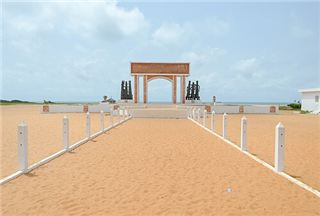 OuidahPlaceOuidah is a coastal town in present-day Benin, one of the main ports of the Atlantic slave trade on the Bight of Benin.
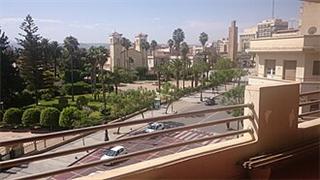 OujdaPlaceOujda is a city in north-eastern Morocco, near the border with Algeria.
 Oun KhamPersonOun Kham was king of Luang Prabang in the late 19th century, a vassal of Siam.
 Our Lady of GuadalupeReligion / ideaOur Lady of Guadalupe is a title of the Virgin Mary associated with apparitions to Juan Diego at Tepeyac, near Mexico City, in December 1531, and with the image…
 Our Lady of VladimirWork / monumentOur Lady of Vladimir is a Byzantine icon of the Virgin and Child, painted in Constantinople in the early twelfth century and sent to Kiev around 1130.
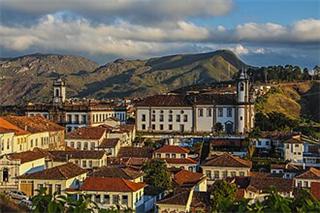 Ouro PretoPlaceOuro Preto, formerly Vila Rica, is a town in the mountains of Minas Gerais, Brazil, founded during the gold rush of the late 17th and early 18th centuries.
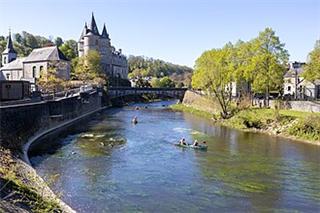 OurthePlaceThe Ourthe is a river in the Belgian Ardennes, about 165 kilometres long, which flows north to join the Meuse at Liège.
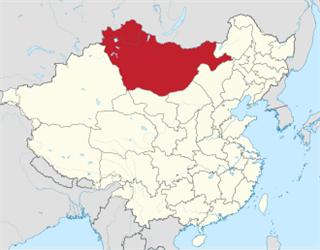 Outer MongoliaPlaceOuter Mongolia was the northern part of Mongolia under the Qing dynasty, inhabited mainly by the Khalkha Mongols, who submitted to the Kangxi Emperor in 1691.
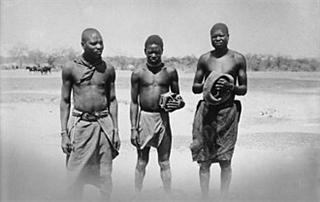 Ovambo peoplePeople / groupThe Ovambo, or Aawambo, are a Bantu-speaking people of northern Namibia and southern Angola, the largest ethnic group of Namibia.
 OvambolandPlaceOvamboland is the region of northern Namibia inhabited by the Ovambo people, between the Etosha Pan and the Angolan border.
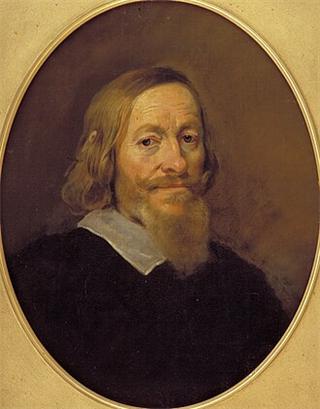 Ove GjeddePersonOve Gjedde was a Danish naval officer who led the first expedition of the Danish East India Company to Asia, sailing in 1618.
- OvergrazingTermOvergrazing occurs when livestock graze pasture more heavily than it can recover, degrading the land.
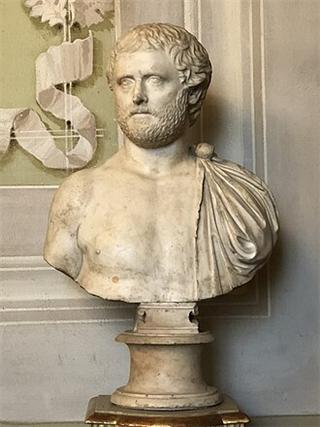 OvidPersonOvid was a Roman poet, born at Sulmo in the land of the Paeligni in 43 BCE, the author of the Metamorphoses, the Art of Love and the Fasti, a poem on the Roman calendar…
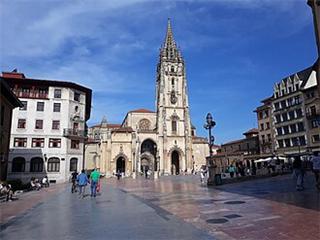 OviedoPlaceOviedo is the capital of Asturias in northern Spain.
- OvimbunduPeople / groupThe Ovimbundu are a Bantu-speaking people of the central highlands of present-day Angola, active as long-distance traders in the eighteenth and nineteenth centuries.
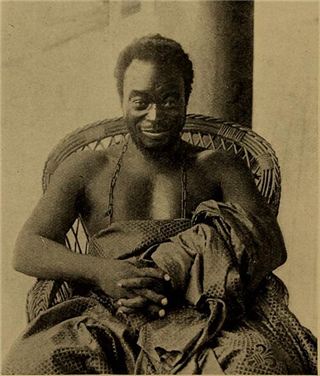 OvonramwenPersonOvonramwen was the last independent Oba of the Benin Empire, who died in 1914.