Encyclopedia: T
1,830 entries under T · page 18 of 19: Tulu Nadu – Twelve Tables
 Tulu NaduPlaceTulu Nadu is the region of south-western India where the Tulu language is spoken, comprising the Dakshina Kannada and Udupi districts of Karnataka and part of Kasaragod…
- TulughmaTermTulughma was a flanking tactic of Central Asian origin in which mobile cavalry units swept around the enemy's flanks to attack them from the sides and rear.
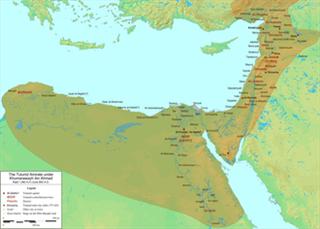 Tulunid dynastyStateThe Tulunid dynasty ruled Egypt and Syria from 868 to 905, the first dynasty to make Egypt effectively independent of the Abbasid caliphate.
- Tuluva dynastyPeople / groupThe Tuluva dynasty was the third ruling house of the Vijayanagara Empire, founded when Vira Narasimha, son of the general Narasa Nayaka, took the throne in 1505.
 Tum Collegiate ChurchWork / monumentTum Collegiate Church, in the village of Tum near Łęczyca in central Poland, is one of the largest surviving Romanesque churches in the country.
 Tuman bay IIPersonTuman bay II was the last sultan of the Mamluk Sultanate, chosen in Cairo in 1516 after Sultan Qansuh al-Ghawri was killed at Marj Dabiq.
- Tumapa'risi' KallonnaPersonTumapa'risi' Kallonna was king of Gowa in South Sulawesi in the first half of the sixteenth century.
- TumbesPlaceTumbes is a city in far northern Peru, near the border with Ecuador, and capital of the Tumbes Region.
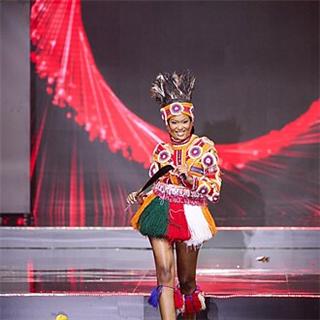 Tumbuka languageTermTumbuka, or Chitumbuka, is a Bantu language spoken in northern Malawi and eastern Zambia.
 Tumbuka peoplePeople / groupThe Tumbuka are a Bantu-speaking people of northern Malawi and neighbouring parts of Zambia and Tanzania.
- TumenInstitutionA tumen was a military unit of ten thousand soldiers in the Mongol Empire and other steppe armies.
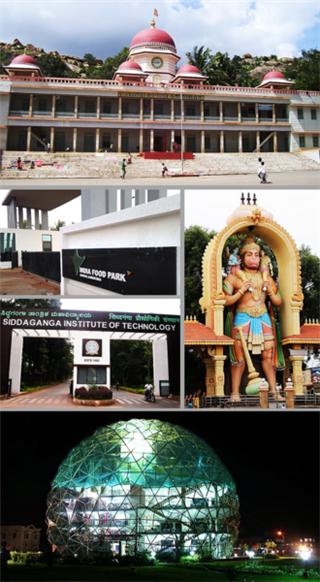 TumkurPlaceTumkur, officially Tumakuru, is a city in southern Karnataka, India, about 70 km north-west of Bengaluru and the headquarters of Tumkur district.
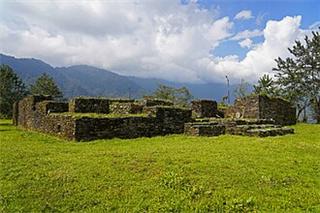 TumlongPlaceTumlong was the capital of the kingdom of Sikkim from 1793 to 1894, in northern Sikkim, India.
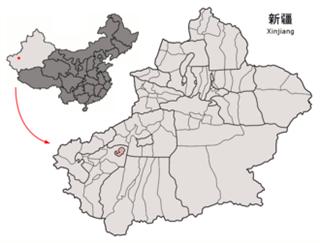 TumshuqPlaceTumshuq is an ancient site near modern Tumxuk in the north-western Tarim Basin, Xinjiang.
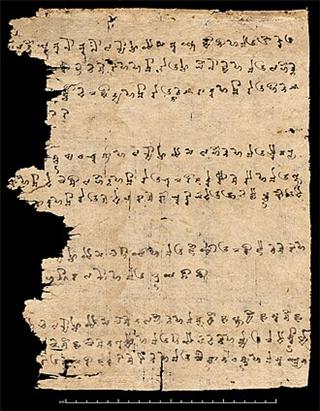 Tumshuqese languageTermTumshuqese is an extinct Eastern Iranian language of the Saka group, known from documents of about the 7th to 10th centuries found at Tumshuq on the northern edge of…
 Tumu CrisisBattle · 1449The Tumu Crisis was the defeat and capture of the Ming emperor Zhengtong by the Oirat Mongols under Esen at Tumu fortress, north-west of Beijing, in September 1449.
- Tun Abdul MajidPersonTun Abdul Majid was the Bendahara, or chief minister, of the Johor-Riau sultanate who became the first of the hereditary Bendahara rulers of Pahang.
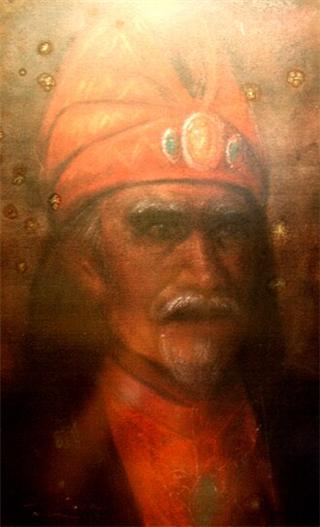 Tun PerakPersonTun Perak was bendahara (chief minister) of the Malacca Sultanate from about 1456 to 1498, serving four sultans.
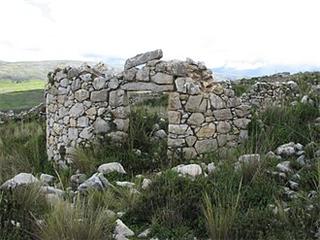 TunanmarcaPlaceTunanmarca was a walled hilltop town of the Xauxa people above the Yanamarca valley, near the Mantaro valley in central Peru.
- TundzhaPlaceThe Tundzha, ancient Tonzos, is a river of about 390 kilometres in south-eastern Bulgaria and European Turkey.
 Tungabhadra RiverPlaceThe Tungabhadra is a river of southern India, formed by the junction of the Tunga and Bhadra rivers in Karnataka, that flows north-east for about 530 km to join the…
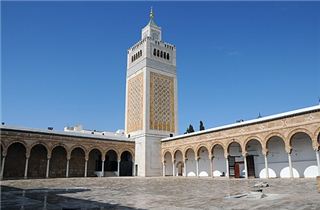 TunisPlaceTunis is the capital of Tunisia, located near the site of ancient Carthage, and historically an important Mediterranean port.
 TunisiaPlaceTunisia is a country in North Africa on the Mediterranean, corresponding largely to the ancient region around Carthage.
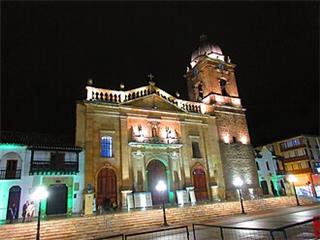 TunjaPlaceTunja is the capital of the department of Boyacá in the Eastern Andes of Colombia.
- TunjurStateThe Tunjur were a dynasty that ruled parts of Darfur and Wadai in the eastern Sahel before the seventeenth century.
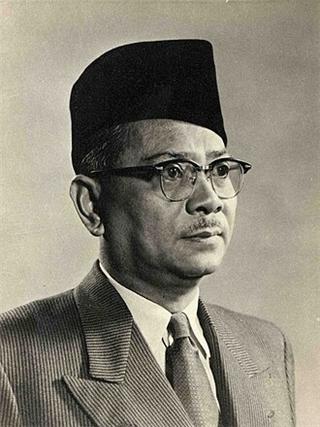 Tunku Abdul RahmanPersonTunku Abdul Rahman was a prince of the Kedah royal family who led the United Malays National Organisation from 1951.
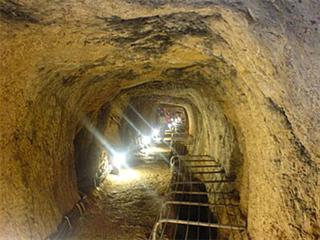 Tunnel of EupalinosWork / monumentThe Tunnel of Eupalinos is an aqueduct tunnel 1,036 metres long cut through Mount Kastro on Samos in the sixth century BCE, under the tyrant Polycrates.
 TuobaPeople / groupThe Tuoba were a clan of the Xianbei people who founded the Northern Wei dynasty, which ruled northern China from 386 to 534.
- Tuoba ShiyijianPersonTuoba Shiyijian was prince of Dai, the Tuoba Xianbei state in modern Inner Mongolia, from 338 to 376.
- Tuoba YiluPersonTuoba Yilu was a chieftain of the Tuoba Xianbei and the founder of the state of Dai.
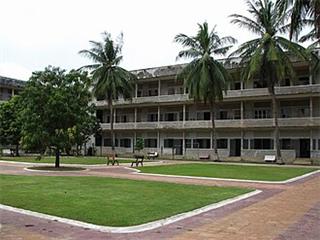 Tuol SlengPlaceTuol Sleng is a former high school in Phnom Penh that the Khmer Rouge used as Security Prison 21 (S-21) from 1975 to 1979.
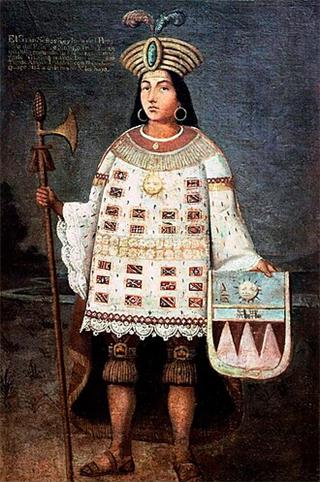 Túpac AmaruPersonTúpac Amaru was the last Sapa Inca of the Neo-Inca State of Vilcabamba, ruling from 1571 to 1572.
 Túpac Amaru IIPersonTúpac Amaru II, born José Gabriel Condorcanqui, was a kuraka of the Cusco region who claimed descent from the last Inca ruler, Túpac Amaru.
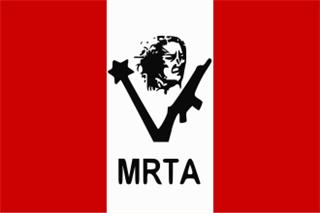 Túpac Amaru Revolutionary MovementPeople / groupThe Túpac Amaru Revolutionary Movement (MRTA) was a Marxist–Leninist guerrilla group active in Peru from the early 1980s, smaller than and rival to the Shining Path.
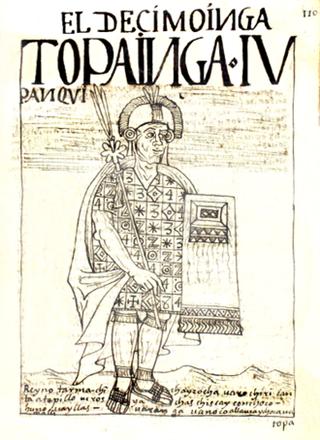 Túpac Inca YupanquiPersonTúpac Inca Yupanqui was the son of Pachacuti and Sapa Inca from about 1471 to 1493.
- TupaiaPersonTupaia was a Polynesian priest and navigator from Raiatea who joined James Cook's expedition on the Endeavour at Tahiti in 1769.
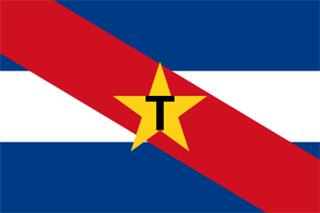 TupamarosPeople / groupThe Tupamaros, formally the National Liberation Movement, were a Marxist urban guerrilla group in Uruguay active from the 1960s.
 Tupelo, MississippiPlaceTupelo is a city in north-eastern Mississippi, United States, the seat of Lee County.
- TupiTermTupi is an indigenous language of Brazil, spoken by the Tupi peoples of the Atlantic coast at the time of Portuguese colonisation.
- TupinambáPeople / groupThe Tupinambá were Tupi-speaking peoples who lived along much of the Brazilian coast when the Portuguese arrived in 1500.
 Tupou VIPersonTupou VI is king of Tonga, who succeeded his brother George Tupou V in March 2012 and was crowned in 2015.
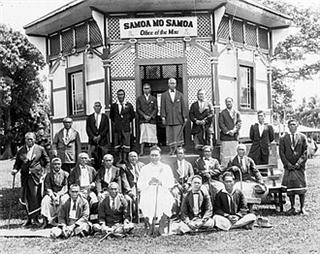 Tupua Tamasese Lealofi IIIPersonTupua Tamasese Lealofi III was a Samoan paramount chief and leader of the Mau, the non-violent movement for self-government against New Zealand rule.
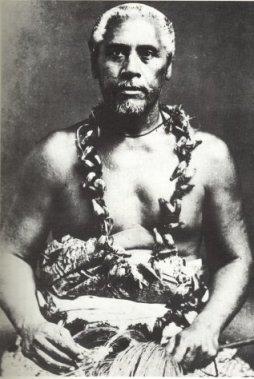 Tupua Tamasese TitimaeaPersonTupua Tamasese Titimaea was a Samoan paramount chief who was installed as king with German backing in 1887, after Germany deposed and exiled Malietoa Laupepa.
- Tuqa-TimurPersonTuqa-Timur was a son of Jochi, eldest son of Genghis Khan, who received lands in the western part of the Mongol steppe in the thirteenth century.
- Tuqi kingInstitutionThe Tuqi king, or tuqi wang, meaning 'wise king', was one of the highest titles in the Xiongnu Empire.
- Tur Ali BegPersonTur Ali Beg was an early leader of the Aq Qoyunlu Turkmen tribes of the Bayandur clan, who pastured around Diyarbakır and the upper Tigris in the first half of the…
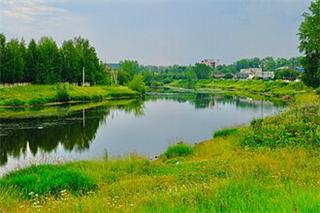 Tura RiverPlaceThe Tura is a river of the Urals and western Siberia in Russia, flowing east from the Ural Mountains for over 1,000 kilometres to join the Tobol.
- Turan MalikPersonTuran Malik was the wife of the Mengujekid ruler Ahmad Shah of Divriği in eastern Anatolia and a daughter of Fakhr al-Din Bahramshah of Erzincan.
- Turan-Shah ibn AyyubPersonTuran-Shah ibn Ayyub, called Shams al-Dawla, was an elder brother of Saladin and a leading Ayyubid commander.
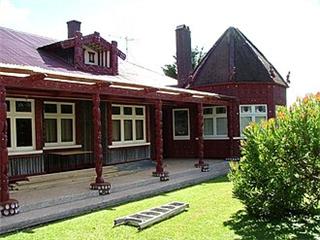 TūrangawaewaePlaceTūrangawaewae is a marae in Ngāruawāhia, New Zealand, the official residence of the Māori monarch and the centre of the King movement.
- TuranshahPersonTuranshah was the last Ayyubid sultan of Egypt, the son of al-Salih Ayyub.
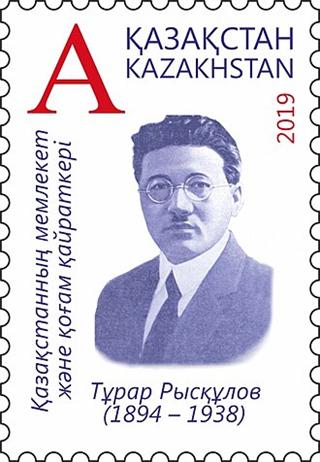 Turar RyskulovPersonTurar Ryskulov was a Kazakh revolutionary and Soviet statesman.
- TurbesselPlaceTurbessel, today Tell Bashir near the Syrian–Turkish border, was a fortress west of the Euphrates and the second centre of the crusader County of Edessa.
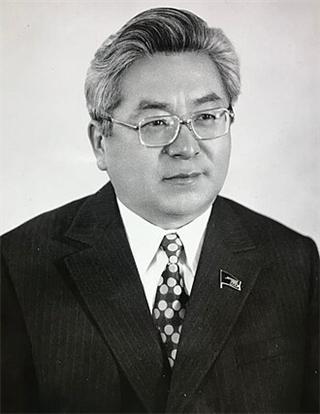 Turdakun UsubaliyevPersonTurdakun Usubaliyev was First Secretary of the Communist Party of Kirghizia, and so leader of the Kirghiz SSR, from 1961 to 1985, the longest tenure of any Soviet…
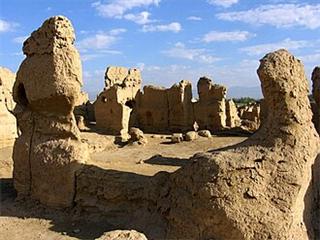 TurfanPlaceTurfan, or Turpan, is an oasis city in eastern Xinjiang, China, in the Turfan Depression, one of the lowest and hottest places in Asia.
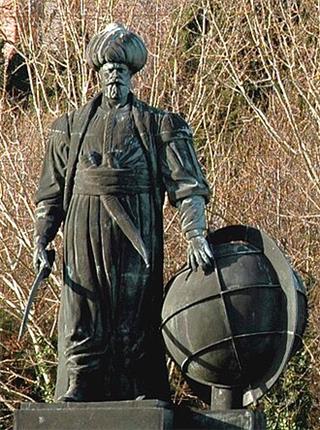 Turgut ReisPersonTurgut Reis, known in Europe as Dragut, was an Ottoman corsair and admiral.
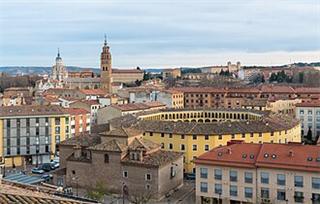 TuriasoPlaceTuriaso was a Celtiberian and later Roman town on the site of modern Tarazona in the province of Zaragoza, Spain, at the foot of the Moncayo range.
 TuricumPlaceTuricum was the Roman settlement on the site of modern Zürich, at the outflow of the Limmat from Lake Zurich.
 TurinPlaceTurin is a city in north-western Italy on the Po river and the capital of Piedmont.
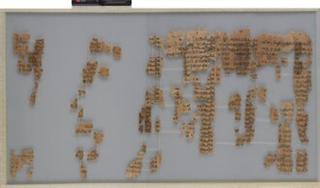 Turin King ListWork / monumentThe Turin King List, or Turin Royal Canon, is an Egyptian papyrus written in hieratic in the reign of Ramesses II and now in the Museo Egizio in Turin.
- Turkestan CommissionInstitutionThe Turkestan Commission was a body sent by the Soviet government in Moscow to Tashkent in 1919 to take control of the Turkestan ASSR, which had been cut off during the…
 TurkeyPlaceTurkey is a modern country occupying Anatolia and eastern Thrace.
 Turki ibn AbdullahPersonTurki ibn Abdullah was the founder of the second Saudi state, the Emirate of Nejd.
- Turkic peoplesPeople / groupThe Turkic peoples are a large family of ethnic groups speaking Turkic languages, originating in the steppes of Inner and Central Asia.
- TurkificationReligion / ideaTurkification refers to the process by which regions and populations adopted Turkic language and identity, often following Turkic migration and conquest.
 Turkish War of IndependenceWar · 1919–1923The Turkish War of Independence was fought by the Turkish nationalist movement under Mustafa Kemal against the Allied partition of the Ottoman Empire.
 Turkish–Armenian WarWar · 1920The Turkish–Armenian War was fought from September to December 1920 between the Turkish nationalist forces of the Grand National Assembly and the First Republic of…
 TurkistanPlaceTurkistan is a city in southern Kazakhstan, near the Syr Darya, known in the Middle Ages as Yasi.
- TurkmenPeople / groupThe Turkmen, or Turkoman, are Oghuz Turkic peoples historically associated with pastoral nomadism in Central Asia, Iran and Anatolia.
 TürkmenbaşyPlaceTürkmenbaşy, known until 1993 as Krasnovodsk, is a port city on the eastern shore of the Caspian Sea in western Turkmenistan.
 TurkuPlaceTurku, Swedish Åbo, is a city on the south-west coast of Finland at the mouth of the Aura river.
 Turku CastlePlaceTurku Castle is a medieval fortress at the mouth of the Aura River in Turku, south-western Finland, begun around 1280 as a Swedish stronghold.
 Turnip WinterEventThe Turnip Winter was the severe food crisis in Germany in the winter of 1916–1917, during the First World War, when a failed potato harvest and the British naval…
- TurovPlaceTurov is a small town on the Pripyat River in Gomel region, southern Belarus, and one of the oldest towns in the country.
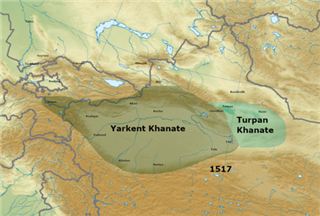 Turpan KhanateStateThe Turpan Khanate was one of the successor states of the eastern branch of the Chagatai Empire, centred on the oasis of Turpan in what is now Xinjiang.
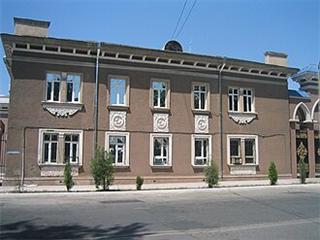 TursunzodaPlaceTursunzoda is a city in western Tajikistan near the Uzbek border, west of Dushanbe.
- TurtkulPlaceTurtkul is a town on the right bank of the Amu Darya in Karakalpakstan, Uzbekistan.
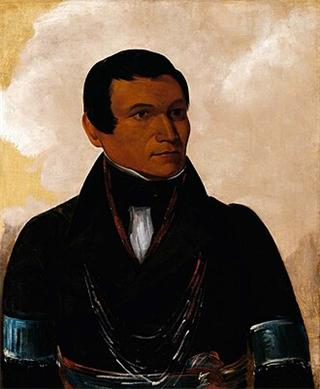 Tuscarora peoplePeople / groupThe Tuscarora are an Iroquoian people originally from the coastal plain of North Carolina.
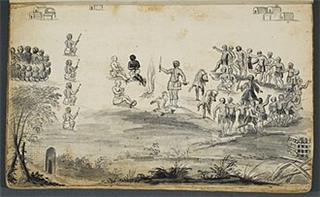 Tuscarora WarWar · 1711–1715The Tuscarora War was fought in North Carolina from 1711 to 1715 between the Tuscarora and their allies and British colonists.
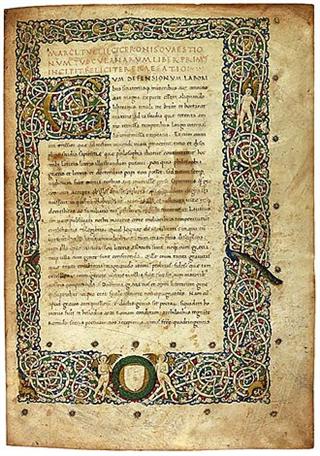 Tusculan DisputationsWork / monumentThe Tusculan Disputations is a philosophical work by Cicero in five books, written in 45 BCE and set at his country villa at Tusculum.
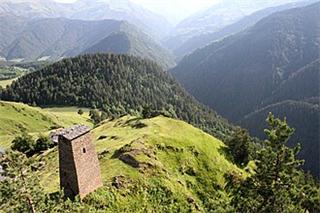 TushetiPlaceTusheti is a remote mountain region of north-eastern Georgia on the northern slopes of the Greater Caucasus, bordering Chechnya and Dagestan.
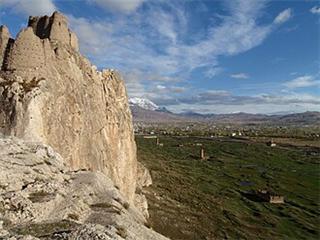 TushpaPlaceTushpa was the capital of the kingdom of Urartu, built on a long limestone rock above the eastern shore of Lake Van in present-day Turkey.
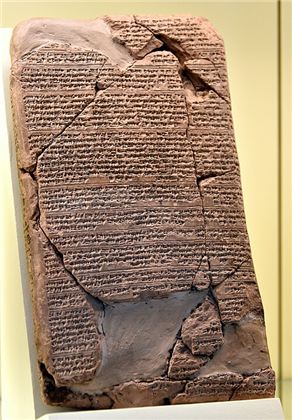 TushrattaPersonTushratta was a king of the Mitanni Empire in the fourteenth century BCE.
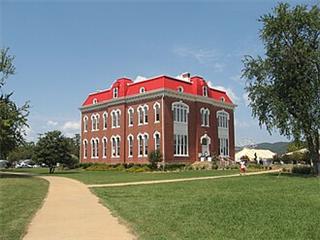 Tuskahoma, OklahomaPlaceTuskahoma is a small community in Pushmataha County, south-eastern Oklahoma, United States.
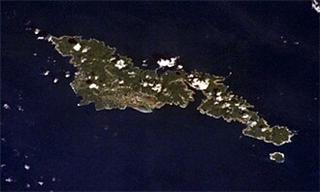 TutuilaPlaceTutuila is the largest and most populous island of American Samoa, in the South Pacific.
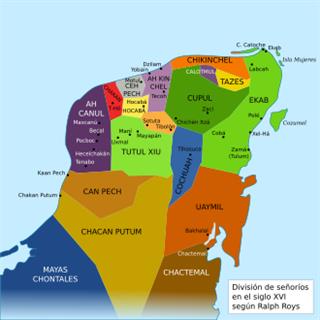 Tutul XiuPeople / groupThe Tutul Xiu were a Maya ruling lineage of northern Yucatán, associated with Uxmal and, after the fall of Mayapán in the mid-15th century, with the town of Maní.
- Tutush IPersonTutush I was a Seljuk prince, brother of Sultan Malik-Shah I, who founded the Seljuk Sultanate of Syria.
 Tuul RiverPlaceThe Tuul is a river of central Mongolia that rises in the Khentii Mountains and flows west through Ulaanbaatar to join the Orkhon.
 TuvaPlaceTuva is a republic of the Russian Federation in southern Siberia, on the upper Yenisei, bordering Mongolia.
 Tuvan People's Revolutionary PartyInstitutionThe Tuvan People's Revolutionary Party was the ruling communist party of the Tuvan People's Republic, the Soviet-backed state in southern Siberia.
- TuwatiPersonTuwati was a king of Tabal in south-central Anatolia in the 8th century BCE, named in Luwian hieroglyphic inscriptions and in Assyrian records of Tiglath-Pileser III…
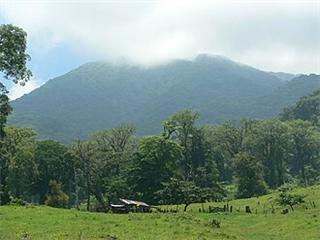 Tuxtla MountainsPlaceThe Tuxtla Mountains, or Sierra de los Tuxtlas, are a volcanic range on the Gulf of Mexico coast in southern Veracruz, Mexico.
- Tuʻi HaʻatakalauaTermThe Tuʻi Haʻatakalaua was the second line of Tongan kings, created in the 15th century after the assassination of the Tuʻi Tonga Takalaua.
- Tuʻi KanokupoluTermTuʻi Kanokupolu is the title of the third and youngest of Tonga's royal lines, founded in the early 17th century by a son of the Tuʻi Haʻatakalaua.
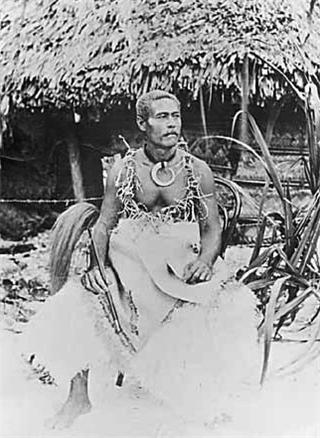 Tuʻi Manuʻa ElisalaPersonTuʻi Manuʻa Elisala was the paramount chief of the Manuʻa Islands at the eastern end of Samoa at the turn of the 20th century.
- TuʻitātuiPersonTuʻitātui was a Tuʻi Tonga, sacred king of Tonga, who in tradition reigned around 1200.
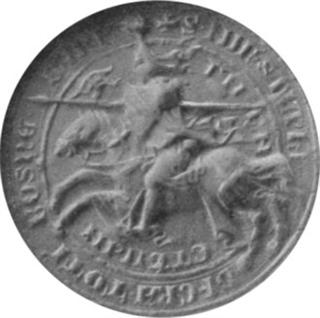 Tvrtko I of BosniaPersonTvrtko I of Bosnia, of the Kotromanić dynasty, ruled Bosnia as ban from 1353 and in 1377 was crowned king at Mile, claiming the Serbian crown through descent from the…
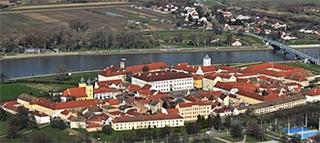 TvrđaPlaceTvrđa is the 18th-century fortress and old town of Osijek in eastern Croatia.
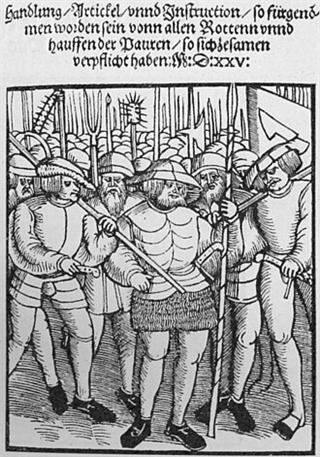 Twelve ArticlesWork / monumentThe Twelve Articles were the demands of the peasants of Upper Swabia, drawn up at Memmingen in March 1525 during the German Peasants' War.
- Twelve TablesWork / monumentThe Twelve Tables were the earliest written code of Roman law, drawn up by a board of ten men, the decemviri, in 451–450 BCE in response to plebeian demands.