Encyclopedia: K
1,366 entries under K · page 3 of 14: Kanazawa – Kardam
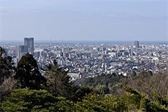 KanazawaPlaceKanazawa is a city on the Sea of Japan coast of Honshu and the capital of Ishikawa Prefecture.
- Kanchan Prabha DeviPersonKanchan Prabha Devi was the queen of Maharaja Bir Bikram Kishore Manikya of Tripura.
 KanchanaburiPlaceKanchanaburi is a town in western Thailand at the meeting of the Khwae Noi and Khwae Yai rivers, capital of the province of the same name.
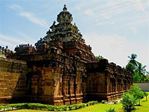 KanchipuramPlaceKanchipuram is a city in northern Tamil Nadu, India, on the Vegavathi river, counted among the seven sacred cities of Hinduism.
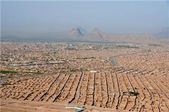 KandaharPlaceKandahar is a city in southern Afghanistan, long contested between Iranian and Indian powers.
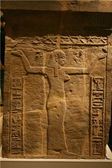 KandakeInstitutionKandake was the title of royal women, often queen mothers or ruling queens, in the kingdom of Kush.
 Kandariya Mahadeva TempleWork / monumentThe Kandariya Mahadeva Temple is the largest and most elaborate Hindu temple at Khajuraho in Madhya Pradesh, India, built around 1030 under the Chandela dynasty and…
- KandyPlaceKandy is a city in the central highlands of Sri Lanka, beside an artificial lake.
 Kandyan ConventionTreaty · 1815The Kandyan Convention was the agreement signed on 2 March 1815 between the British and the chiefs of the Kingdom of Kandy, after they had helped the British depose…
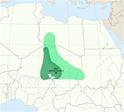 Kanem–Bornu EmpireStateThe Kanem–Bornu Empire was a long-lived state around Lake Chad, first centred in Kanem and later in Bornu.
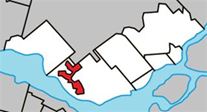 KanesatakePlaceKanesatake is a Mohawk community on the Ottawa river west of Montreal, in Quebec, next to the town of Oka.
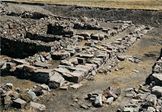 KaneshPlaceKanesh, modern Kültepe in Turkey, was an ancient city in central Anatolia.
- Kang TaiPersonKang Tai was an envoy of Eastern Wu who, with Zhu Ying, was sent by the court of Sun Quan to Funan in mainland South-East Asia in the mid-3rd century.
 KangabaPlaceKangaba is a region on the upper Niger in present-day Mali, the original heartland of the Keita dynasty.
- KangarluPeople / groupThe Kangarlu were a Turkic tribe of the Nakhchivan region in the South Caucasus.
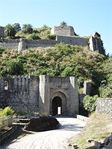 Kangra FortWork / monumentKangra Fort, historically Nagarkot, is a large hill fort near Kangra in Himachal Pradesh, India, and the seat of the Katoch rulers of Kangra.
- Kangshu FengPersonKangshu Feng was a younger brother of King Wu of Zhou.
 Kangxi EmperorPersonThe Kangxi Emperor was one of the longest-reigning rulers in Chinese history, governing the Qing Empire from 1661 to 1722.
- Kanhadade PrabandhaWork / monumentThe Kanhadade Prabandha is an epic poem in Old Western Rajasthani, the ancestor of Gujarati and Rajasthani, composed by the poet Padmanabha in 1455.
- KanhadadevaPersonKanhadadeva was the Chahamana (Chauhan) king of Jalor in Rajasthan at the turn of the 14th century.
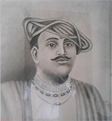 Kanhoji AngrePersonKanhoji Angre was the commander of the Maratha navy in the early 18th century, based at Kolaba and the sea forts of the Konkan coast such as Vijaydurg.
- KaniagaPlaceKaniaga was a region in the western Sahel that was home to the Sosso kingdom, once a vassal of Ghana.
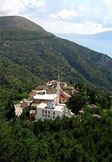 KaninëPlaceKaninë is a village and medieval castle on a hill above Vlorë in south-western Albania.
 KanishkaPersonKanishka was the most famous ruler of the Kushan Empire, reigning in the 2nd century CE, probably from about 127, over lands from Bactria to the Ganges plain, with…
 Kanishka stupaWork / monumentThe Kanishka stupa was a monumental Buddhist stupa built by the Kushan emperor Kanishka at Shah-ji-ki-Dheri, on the outskirts of Peshawar in Pakistan.
- KanjogeraPersonKanjogera was a wife of King Kigeli IV Rwabugiri of Rwanda and a member of the powerful Bega clan.
- Kankuamo peoplePeople / groupThe Kankuamo are an Indigenous people of the south-eastern slopes of the Sierra Nevada de Santa Marta in northern Colombia, one of the four peoples who regard…
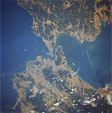 Kanmon StraitsPlaceThe Kanmon Straits are the narrow strait between Honshu and Kyushu in Japan, linking the Inland Sea with the Sea of Japan, with Shimonoseki on the north shore and…
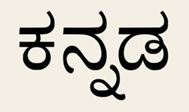 KannadaTermKannada is a Dravidian language spoken mainly in the Indian state of Karnataka, with more than 40 million speakers.
- Kannanur KuppamPlaceKannanur Kuppam was the second capital of the Hoysala kings in the Tamil country, near Srirangam in present-day Tiruchirappalli district, Tamil Nadu.
 KannaujPlaceKannauj is an ancient city on the Ganges in present-day Uttar Pradesh, northern India, known in Sanskrit as Kanyakubja.
 Kannō disturbanceWar · 1350–1352The Kannō disturbance was a conflict of 1350 to 1352 within the Ashikaga shogunate of Japan, between the shogun Ashikaga Takauji and his brother Tadayoshi, who for a…
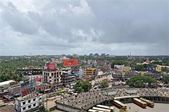 KannurPlaceKannur, formerly Cannanore, is a city on the Malabar coast of northern Kerala, India.
- KanoPlaceKano is a city in northern Nigeria and one of the historic Hausa city-states.
- Kano ChronicleWork / monumentThe Kano Chronicle is a history of the rulers of Kano in northern Nigeria, written in Arabic in the late 19th century from older traditions and records.
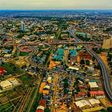 Kano StatePlaceKano State is a state in north-western Nigeria, created in 1967, with its capital at the city of Kano.
- KansalaPlaceKansala was the capital of the Kaabu Empire in present-day Guinea-Bissau.
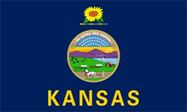 KansasPlaceKansas is a state of the central United States, lying on the Great Plains between Missouri and Colorado.
- Kant (Kyrgyzstan)PlaceKant is a town in the Chüy Valley of northern Kyrgyzstan, about 20 kilometres east of Bishkek, whose name means sugar in Kyrgyz, after the sugar refinery around which…
- Kanta and balamaInstitutionThe kanta and balama were professional military commanders appointed by Askia Muhammad in the Songhai Empire.
 KantarawaddyStateKantarawaddy was the largest of the Karenni States in the hills of eastern Burma, ruled by a hereditary chief with the Shan title of saopha.
 Kanthirava Narasaraja IPersonKanthirava Narasaraja I (1615–1659) was the Wodeyar king of Mysore from 1638 to 1659.
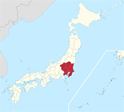 Kantō regionPlaceThe Kantō region is the largest plain of Japan, in eastern Honshu, now covering Tokyo and six surrounding prefectures.
- KanunInstitutionKanun was the body of secular law issued by Ottoman sultans, alongside Islamic sharia.
 Kanva dynastyStateThe Kanva dynasty ruled Magadha in northern India after the Shungas, traditionally for forty-five years in the first century BCE.
 KanyePlaceKanye is a large village in southern Botswana, the administrative centre of the Southern District and the capital of the Bangwaketse.
- Kaocen ag MohammedPersonKaocen ag Mohammed was a Tuareg leader of the Kel Ewey from the Aïr in present-day Niger.
- Kaogong jiWork / monumentThe Kaogong ji is an ancient Chinese technical treatise on crafts, preserved as the last section of the Rites of Zhou in place of a lost chapter.
 KaolackPlaceKaolack is a city in west-central Senegal on the Saloum river, capital of Kaolack Region.
- KapahahaPlaceKapahaha was a mountain stronghold on the Hitu peninsula of Ambon Island, in Maluku, Indonesia.
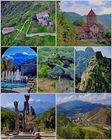 KapanPlaceKapan is a town in southern Armenia, the capital of Syunik Province, in the valley of the Voghji river.
 KaparaPersonKapara was a king of Guzana, the Aramaean kingdom of Bit-Bahiani at Tell Halaf in north-eastern Syria, probably in the 10th or 9th century BCE.
- Kapaya NayakaPersonKapaya Nayaka of the Musunuri family was a former Kakatiya commander who, allied with the founders of the Vijayanagara Empire, recaptured Warangal from the Tughluq…
- KapellmeisterTermKapellmeister is a German title for the director of music at a princely court or church, originally the leader of a chapel's musicians.
- KapilavastuPlaceKapilavastu was the ancient city of the Shakya clan, in whose territory the Buddha grew up in the 5th or 6th century BCE.
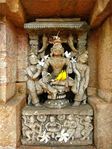 Kapilendra DevaPersonKapilendra Deva was a minister and general of the last Eastern Ganga king who seized the throne of Odisha in 1434 and founded the Suryavamsi Gajapati dynasty.
- KapisaPlaceKapisa was an ancient city and region north of Kabul, at modern Begram near Bagram in Afghanistan.
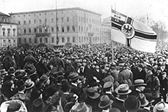 Kapp PutschRevolt · 1920The Kapp Putsch was an attempted coup against the Weimar Republic in March 1920, led by Wolfgang Kapp and General Walther von Lüttwitz with Freikorps troops due to be…
 Kapuas RiverPlaceThe Kapuas is the longest river in Indonesia, flowing about 1,140 kilometres west across West Kalimantan on Borneo to the South China Sea.
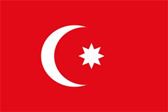 Kapudan PashaTermKapudan Pasha was the title of the grand admiral of the Ottoman navy, from the 16th century one of the highest officials of the empire.
 KapundaPlaceKapunda is a town north of Adelaide in South Australia, founded after copper was found there in 1842.
 KapylPlaceKapyl (Kopyl) is a small town in the Minsk Region of Belarus, south of Minsk and north-west of Slutsk.
 Kapıdağ PeninsulaPlaceThe Kapıdağ Peninsula, ancient Arctonnesus ('bear island'), is a mountainous peninsula on the southern shore of the Sea of Marmara in Balıkesir Province, Turkey.
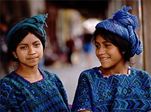 Kaqchikel peoplePeople / groupThe Kaqchikel are a Maya people of the central highlands of Guatemala.
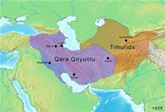 Kara KoyunluStateThe Kara Koyunlu, or Black Sheep Turkomans, were a Turkoman tribal confederation that ruled parts of eastern Anatolia, Azerbaijan, Iraq and western Iran in the…
- Kara Mahmud Pasha BushatiPersonKara Mahmud Pasha Bushati was the hereditary Ottoman pasha of Scutari (Shkodër) in northern Albania from 1775.
 Kara Mustafa PashaPersonKara Mustafa Pasha was an Ottoman grand vizier of the late seventeenth century.
- Kara-Khanid KhanateStateThe Kara-Khanid Khanate was a Turkic dynasty that ruled Central Asia from about the ninth century until 1212, the first Turkic dynasty to convert to Islam in the tenth…
 KarabakhPlaceKarabakh is a region of the South Caucasus, between the Lesser Caucasus mountains and the Kura and Aras rivers, today in Azerbaijan.
 Karabakh movementEventThe Karabakh movement was a mass Armenian movement from 1988 to 1991 demanding the transfer of Nagorno-Karabakh from Soviet Azerbaijan to Soviet Armenia.
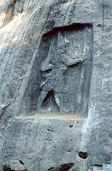 Karabel reliefWork / monumentThe Karabel relief is a Late Bronze Age rock carving at the Karabel pass near Izmir in western Turkey, showing a warrior with bow and spear accompanied by a Luwian…
 Karachay-CherkessiaPlaceKarachay-Cherkessia is a republic of the Russian Federation in the north-western Caucasus, with its capital at Cherkessk.
 KarachiPlaceKarachi is the largest city of Pakistan and the capital of Sindh province, on the Arabian Sea coast near the Indus delta.
 KaradPlaceKarad is a town in Satara district, Maharashtra, India, at the confluence of the Krishna and Koyna rivers.
- Karaeng MatoayaPersonKaraeng Matoaya was ruler of Tallo and chancellor of the twin Makassar kingdom of Gowa.
- Karaeng PattingalloangPersonKaraeng Pattingalloang (1600–1654) was a nobleman of Tallo and chancellor of the twin kingdom of Gowa–Tallo in South Sulawesi from 1639.
 KaraikalPlaceKaraikal is a coastal town on the Coromandel Coast of south-east India, in the Kaveri delta.
- KarajíaPlaceKarajía is an archaeological site in the Amazonas region of northern Peru, known for a row of tall sarcophagi of clay, sticks and stones, called purunmachus, set on a…
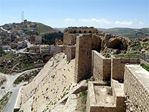 Al-KarakPlaceAl-Karak is a town in central Jordan, east of the Dead Sea, dominated by Kerak Castle.
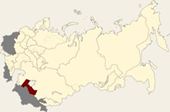 Karakalpak Autonomous OblastStateThe Karakalpak Autonomous Oblast was a Soviet territory created in 1925 in the Amu Darya delta for the Karakalpaks, from lands of the former Khorezm People's Soviet…
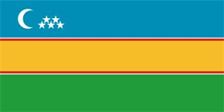 KarakalpaksPeople / groupThe Karakalpaks are a Kipchak Turkic people living mainly in the Amu Darya delta south of the Aral Sea, in the Republic of Karakalpakstan in Uzbekistan.
 Karakoram HighwayWork / monumentThe Karakoram Highway is a road that runs from Hasan Abdal in northern Pakistan through the Karakoram range and over the Khunjerab Pass to Kashgar in Xinjiang, China.
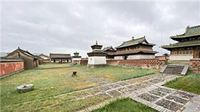 KarakorumPlaceKarakorum was the capital of the Mongol Empire in central Mongolia, established under Ögedei.
 Karakum CanalWork / monumentThe Karakum Canal is one of the longest irrigation canals in the world, carrying water from the Amu Darya westward across the Karakum desert of Turkmenistan.
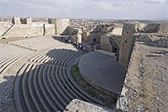 KaramanPlaceKaraman is a city in south-central Turkey, known in Byzantine and Seljuk times as Larende.
- Karaman BeyPersonKaraman Bey was a 13th-century Turkmen chief in the Taurus Mountains of southern Anatolia, from whom the Karamanid dynasty and its beylik took their name.
 Karamanoğlu Mehmed BeyPersonKaramanoğlu Mehmed Bey was the son of Karaman Bey, founder of the Karamanid beylik in the Taurus mountains.
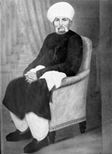 Karamchand GandhiPersonKaramchand Gandhi was an Indian administrator, father of Mohandas Gandhi.
 Karamokho AlfaPersonKaramokho Alfa, Ibrahima Sambegu, was a Fulbe Muslim scholar who around 1725 led a jihad in the Futa Jallon highlands of present-day Guinea against the Jallonke rulers.
- Karang Brahi inscriptionWork / monumentThe Karang Brahi inscription is a Srivijayan stone inscription in Old Malay, found in 1904 on the upper Merangin river in Jambi, Sumatra.
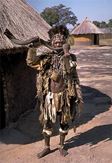 KarangaPeople / groupThe Karanga are a Shona-speaking people of southern Zimbabwe, the largest of the Shona subgroups.
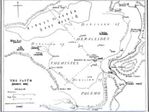 KaranisPlaceKaranis was a farming town in the north-east of the Faiyum in Egypt, founded in the third century BCE under the Ptolemies and inhabited until late antiquity.
 KarashahrPlaceKarashahr, called Yanqi in Chinese sources, is an oasis town in the Tarim Basin in Xinjiang, north-western China.
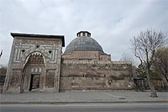 Karatay MadrasaWork / monumentThe Karatay Madrasa is a Seljuk theological college in Konya, Turkey, founded in 1251 by the emir Jalal al-Din Karatay.
 KaratepePlaceKaratepe is a Neo-Hittite fortress in the Taurus foothills of Osmaniye province, southern Turkey, built in the late 8th or early 7th century BCE by Azatiwada, a vassal…
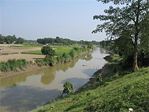 Karatoya RiverPlaceThe Karatoya is a river of northern Bengal, flowing through north-eastern Bangladesh.
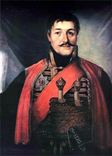 KarađorđePersonKarađorđe was a livestock trader and former Austrian volunteer whom an assembly at Orašac chose in February 1804 to lead the First Serbian Uprising against the Ottoman…
 Karađorđević dynastyPeople / groupThe Karađorđević dynasty was a Serbian royal house founded by Karađorđe Petrović, leader of the First Serbian Uprising of 1804.
- KarbeasPersonKarbeas was a Byzantine officer who became leader of the Paulicians after Empress Theodora's persecution of the sect around 843, in which his father was put to death.
- KardamPersonKardam was khan of Bulgaria from about 777 to around the turn of the 9th century.