Encyclopedia: S
2,773 entries under S · page 7 of 28: Sardar – Sawayama Castle
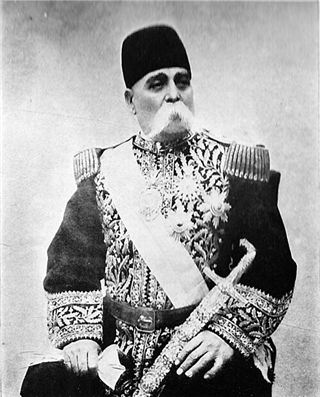 SardarInstitutionSardar is a Persian-derived title meaning chief or commander, used in South Asia for nobles, military leaders and heads of armed bands.
- SardeshmukhiInstitutionSardeshmukhi was an additional levy, traditionally reckoned at a tenth of revenue, claimed by the Maratha rulers on top of the chauth.
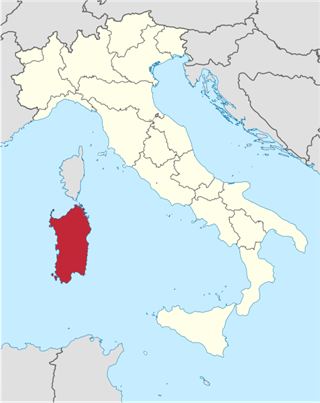 SardiniaPlaceSardinia is a large island in the western Mediterranean, west of the Italian peninsula.
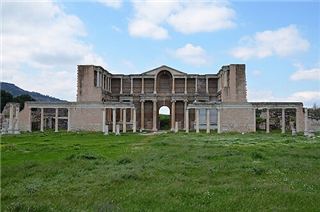 SardisPlaceSardis was the capital of the kingdom of Lydia in western Anatolia.
 Sarekat IslamPeople / groupSarekat Islam was an Indonesian organisation founded in 1912 out of an association of Muslim batik traders, and under Oemar Said Tjokroaminoto it became the first mass…
 Sargis I JaqeliPersonSargis I Jaqeli was the ruler of Samtskhe in southern Georgia in the second half of the 13th century and founder of the principality's independence.
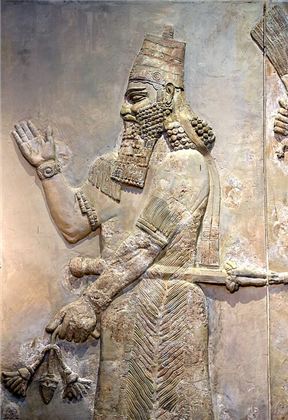 Sargon IIPersonSargon II was a king of the Neo-Assyrian Empire in the late eighth century BCE, who founded a new capital at Dur-Sharrukin.
 Sargon of AkkadPersonSargon of Akkad was the founder of the Akkadian Empire, whose reign is conventionally dated from c. 2334 BCE.
 SarhiliPersonSarhili was king of the Gcaleka Xhosa from 1835, succeeding his father Hintsa.
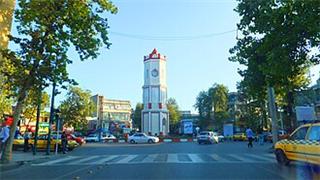 Sari, IranPlaceSari is the capital of Mazandaran province in northern Iran, on the plain between the Alborz mountains and the Caspian Sea.
- SarinePlaceThe Sarine, in German Saane, is a river of western Switzerland, about 125 kilometres long and a tributary of the Aare.
- SarissaTermThe sarissa was a very long pike, several metres in length, carried by the infantry of the Macedonian phalanx.
 SarkelPlaceSarkel was a fortress and town on the lower Don River, built for the Khazars in the ninth century with Byzantine assistance.
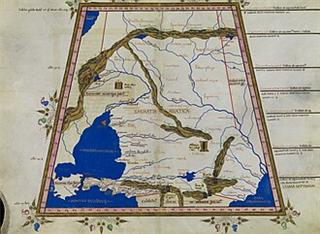 SarmatiaPlaceSarmatia was the name used by Greek and Roman geographers for the lands of the Sarmatians, roughly the steppes between the Vistula, the Volga and the Caucasus.
 SarmatismReligion / ideaSarmatism was the ideology and culture of the nobility of the Polish–Lithuanian Commonwealth from the sixteenth to the eighteenth centuries, based on the belief that…
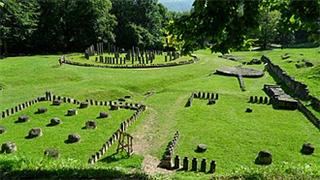 Sarmizegetusa RegiaPlaceSarmizegetusa Regia was the capital of the Dacian kingdom, built on mountain terraces at about 1,200 metres in the Orăștie Mountains of Romania.
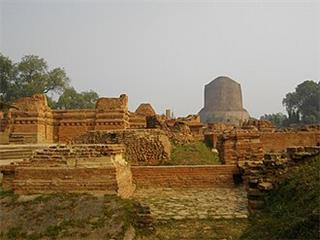 SarnathPlaceSarnath is a site near Varanasi in Uttar Pradesh, India, where the Buddha gave his first sermon in the deer park of Isipatana.
 SarnenPlaceSarnen is the capital of the Swiss canton of Obwalden, on the northern shore of Lake Sarnen.
- Sarno RiverPlaceThe Sarno is a short river in Campania, southern Italy, flowing from springs near the town of Sarno across a fertile plain to the Bay of Naples near Torre Annunziata.
 SaroltPersonSarolt was a Hungarian noblewoman, daughter of the gyula who ruled in Transylvania, who married Géza, Grand Prince of the Hungarians.
 Saronic GulfPlaceThe Saronic Gulf is an arm of the Aegean Sea between Attica and the Argolid peninsula of the Peloponnese, bounded to the west by the Isthmus of Corinth.
- SarosiusPersonSarosius was a ruler of the Alans in the North Caucasus in the mid-sixth century, known from the Byzantine historian Menander Protector.
 Sarre (department)PlaceSarre was a department of the French Republic and Empire on the left bank of the Rhine, created in 1798 from occupied German lands, with its capital at Trier.
 SarregueminesPlaceSarreguemines is a town in the Moselle department of north-eastern France, at the confluence of the Saar and the Blies on the border with Germany.
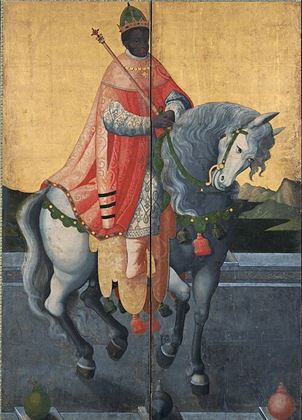 Sarsa DengelPersonSarsa Dengel was Emperor of Ethiopia in the second half of the sixteenth century.
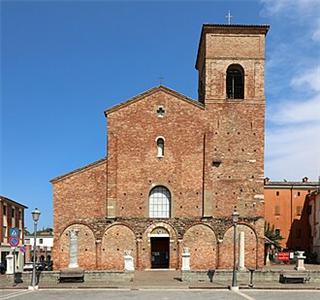 SarsinaPlaceSarsina is a town in the Apennine hills of Emilia-Romagna, Italy, in the valley of the Savio.
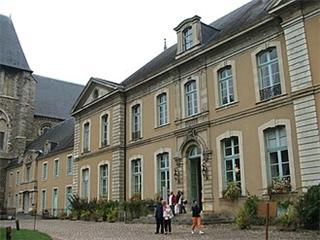 SarthePlaceThe Sarthe is a river of north-western France, about 314 km long, which rises in Normandy and flows south through Alençon and Le Mans to join the Mayenne north of…
- SartsPeople / groupSart was a name used in Central Asia for settled, town-dwelling and farming peoples, as distinct from nomads, especially in the oases of Khwarazm, Ferghana and Tashkent.
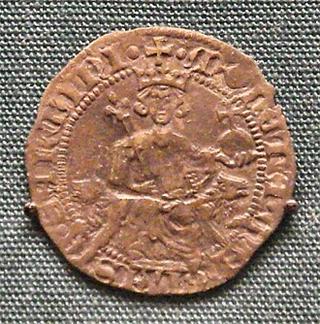 Saruhan BeyPersonSaruhan Bey was a Turkmen commander who founded the beylik of Saruhan in western Anatolia.
 SarujPlaceSaruj, now Suruç in south-eastern Turkey, is an ancient town on the plain south-west of Edessa (Şanlıurfa), near the Syrian border.
- Sarup Singh of JindPersonSarup Singh was Raja of Jind, a Sikh princely state in the Punjab, from 1837 until his death in 1864.
- Sarvajna SingabhupalaPersonSarvajna Singabhupala was a ruler of the Recherla Nayaka (Velama) dynasty of Rachakonda in Telangana in the 14th century.
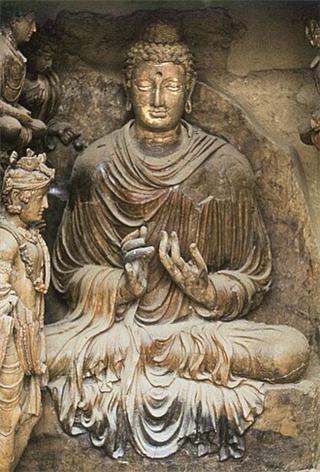 SarvastivadaReligion / ideaSarvastivada was one of the early schools of Buddhism, named after its doctrine that the dharmas, the elements of existence, exist in past, present and future.
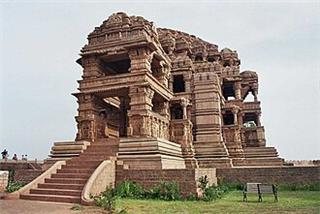 Sas-Bahu TempleWork / monumentThe Sas-Bahu Temple is a pair of Hindu temples inside Gwalior Fort in Madhya Pradesh, India, dedicated to Vishnu and completed in 1093 by the Kachchhapaghata king…
 Sasak peoplePeople / groupThe Sasak are the indigenous people of the island of Lombok in Indonesia, speaking an Austronesian language related to Balinese.
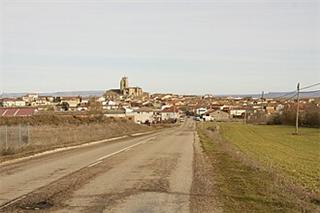 SasamónPlaceSasamón is a village in the province of Burgos in northern Spain, on the site of the ancient town of Segisamo, the main settlement of the Turmodigi.
- SasanPersonSasan was a figure from whom the Sasanian dynasty of Iran took its name.
 Sasanian conquest of JerusalemSiege · 614 CEThe Sasanian conquest of Jerusalem took place in 614 CE, when the city fell to the forces of Khosrow II under his general Shahrbaraz during the last great war between…
- Sasanian conquest of YemenCampaign · c. 570–578 CEThe Sasanian conquest of Yemen was the campaign of c. 570–578 CE in which a Persian expeditionary force expelled the Aksumite-backed regime from South Arabia.
 Sasanian EmpireStateThe Sasanian Empire was the last pre-Islamic Persian empire, founded by Ardashir I in the third century CE after overthrowing the Parthian Empire.
 SaskatchewanPlaceSaskatchewan is a prairie province of western Canada, between Alberta and Manitoba, with Regina as its capital.
 SasolInstitutionSasol is a South African chemicals and energy company founded by the state in 1950 to make fuel from coal, using the Fischer–Tropsch process at Sasolburg and later at…
- SassacusPersonSassacus was the grand sachem of the Pequot in south-eastern Connecticut, succeeding his father Tatobem in the mid-1630s.
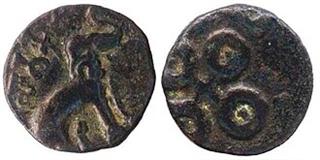 Satakarni IPersonSatakarni I was an early Satavahana king of the Deccan, successor of Kanha, generally placed in the second or first century BCE.
 Satake YoshiatsuPersonSatake Yoshiatsu, known by the art name Shozan, was daimyo of Kubota Domain in Akita from 1758 to 1785.
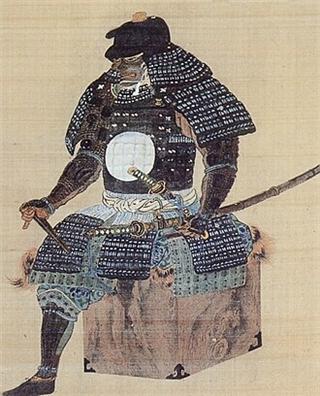 Satake YoshinobuPersonSatake Yoshinobu was a Japanese daimyo who headed the Satake clan of Hitachi province, one of the largest domains in eastern Japan.
 Satake YoshishigePersonSatake Yoshishige was a Sengoku-period warlord who led the Satake clan of Hitachi province.
- SataraPlaceSatara is a city in western Maharashtra, India, near the confluence of the Krishna and Venna rivers, overlooked by the hill fort of Ajinkyatara.
 SatgaonPlaceSatgaon, ancient Saptagram, was a river port on the Saraswati, a branch of the Hooghly, in the Hooghly district of present-day West Bengal.
 Sati BegPersonSati Beg was a Mongol princess of the Ilkhanate, a daughter of Öljaitü and sister of Abu Sa'id.
- Satiru uprisingRevolt · 1906The Satiru uprising was a Mahdist rising in 1906 at the village of Satiru near Sokoto, in the Protectorate of Northern Nigeria.
 Satna districtPlaceSatna district is a district of Madhya Pradesh in central India, in the Baghelkhand region, with its headquarters at Satna.
 Satpura RangePlaceThe Satpura Range is a range of hills in central India, running east to west between the Narmada and Tapti rivers through Madhya Pradesh, Maharashtra and Gujarat.
- SatraePeople / groupThe Satrae were a Thracian people of the mountains of the northern Aegean hinterland, described by Herodotus in the 5th century BCE as the only Thracians never to have…
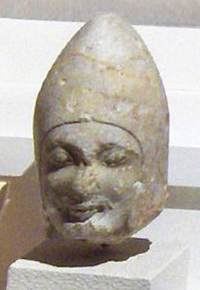 SatrapyInstitutionA satrapy was a province of the Achaemenid Empire governed by a satrap, a royal governor responsible for taxation, security and administration.
 SatricumPlaceSatricum was an ancient town of Latium, at Borgo Le Ferriere near Latina south of Rome, contested between Latins and Volsci in the 5th and 4th centuries BCE.
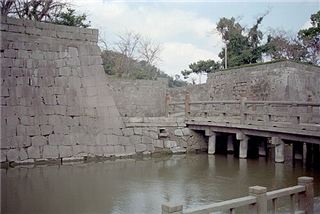 Satsuma DomainStateThe Satsuma Domain was a powerful feudal domain in southern Kyushu, ruled by the Shimazu family.
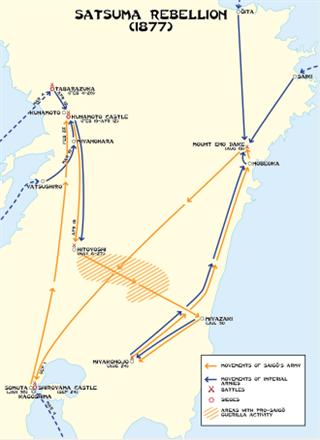 Satsuma RebellionRevolt · 1877The Satsuma Rebellion was a rising of former samurai of Kagoshima against the Meiji government in 1877, led by Saigo Takamori.
 Satsumon culturePeople / groupThe Satsumon culture was a culture of Hokkaido from about the 7th to the 13th century, named after its pottery with brushed surfaces.
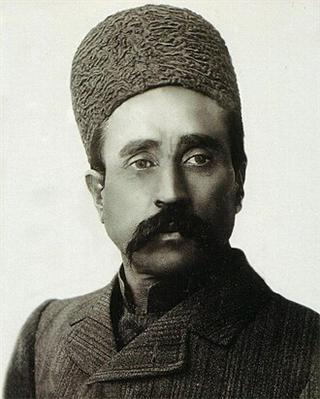 Sattar KhanPersonSattar Khan was a leader of the Iranian Constitutional Revolution, a former horse dealer from Tabriz who organised the city's defence after Mohammad Ali Shah closed the…
- SattoPersonSatto was king of Chūzan on Okinawa from 1350 to 1395, ruling from Urasoe castle.
- Satuq Bughra KhanPersonSatuq Bughra Khan was a ruler of the Kara-Khanid Khanate in Central Asia and the first Turkic khan known to have converted to Islam, around 934.
 SaturiwaPersonSaturiwa was a chief of the Timucua people near the mouth of the St Johns River in north-eastern Florida in the 1560s.
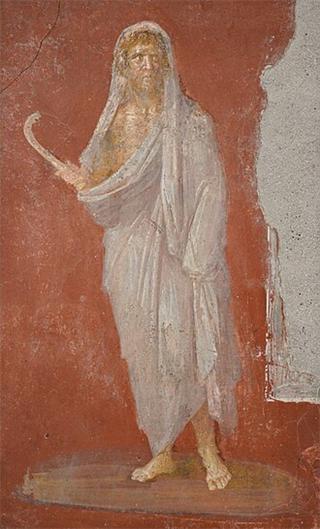 Saturn (mythology)Religion / ideaSaturn was an ancient Roman god of agriculture and wealth, identified with the Greek Kronos, whose festival, the Saturnalia, was held in December.
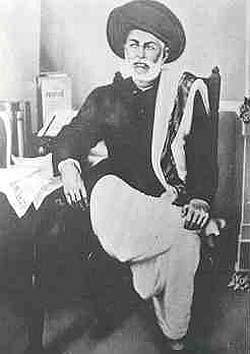 Satyashodhak SamajInstitutionThe Satyashodhak Samaj, the Truth-seekers' Society, was a social reform movement founded in Pune in 1873 by Jyotirao Phule.
 Satyendranath TagorePersonSatyendranath Tagore was the first Indian to join the Indian Civil Service, selected in 1863 and serving mainly in the Bombay Presidency until 1897.
- Satyrus IPersonSatyrus I was ruler of the Bosporan Kingdom from 433 to 389 BCE, of the Spartocid dynasty.
- Satyrus IIPersonSatyrus II was the eldest son of Paerisades I and briefly king of the Bosporan Kingdom in 310/309 BCE.
- Saud ibn Abd al-AzizPersonSaud ibn Abd al-Aziz was ruler of the Emirate of Diriyah, the first Saudi state, from 1803 to 1814.
 Saudi AramcoInstitutionSaudi Aramco is the state oil company of Saudi Arabia and one of the largest companies in the world.
- Saudi–Yemeni WarWar · 1934The Saudi–Yemeni War was fought in the spring of 1934 between Saudi Arabia and the Mutawakkilite Kingdom of Yemen over the border regions of Asir, Najran and Jizan.
 SauerlandPlaceThe Sauerland is a hilly, wooded upland region in North Rhine-Westphalia and northern Hesse, Germany, south of the Ruhr valley.
- Saugor and Nerbudda TerritoriesPlaceThe Saugor and Nerbudda Territories were a British-ruled region of central India, formed from lands taken from the Marathas in 1818 around Sagar and the Narmada valley.
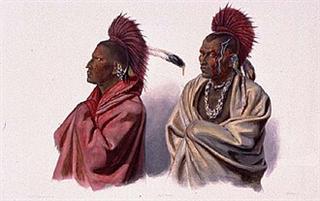 SaukPeople / groupThe Sauk, or Sac, are an Algonquian-speaking people of the western Great Lakes, closely allied with the Meskwaki.
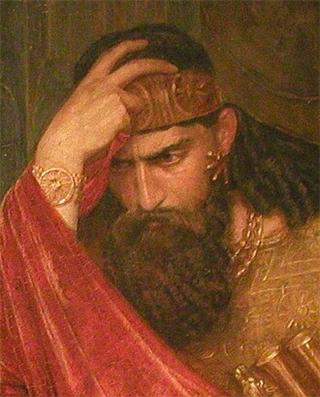 SaulPersonSaul was, according to the Hebrew Bible, the first king of Israel, a man of the tribe of Benjamin anointed by the prophet Samuel who ruled from Gibeah, traditionally in…
- Sauli NiinistöPersonSauli Niinistö (born 1948) is a Finnish politician of the National Coalition Party who served as president of Finland from 2012 to 2024.
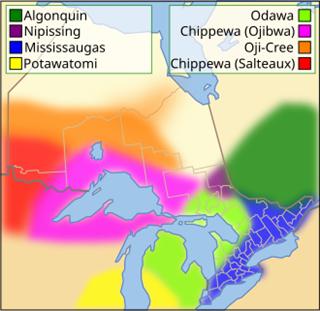 SaulteauxPeople / groupThe Saulteaux are a branch of the Ojibwe people, named by the French after the rapids of Sault Ste.
- SaumacusPersonSaumacus was a Scythian who led a revolt in the Bosporan Kingdom around 108 BCE, in which the last Spartocid king, Paerisades V, was killed.
 Saur RevolutionRevolution · 1978The Saur Revolution was the coup of 27–28 April 1978 in which army units loyal to the People's Democratic Party of Afghanistan overthrew and killed President Mohammad…
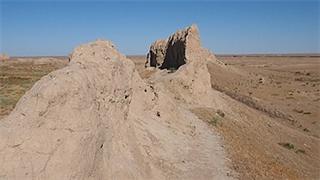 SauranPlaceSauran was a fortified medieval city on the middle Syr Darya in southern Kazakhstan, about 40 kilometres north-west of the town of Turkistan.
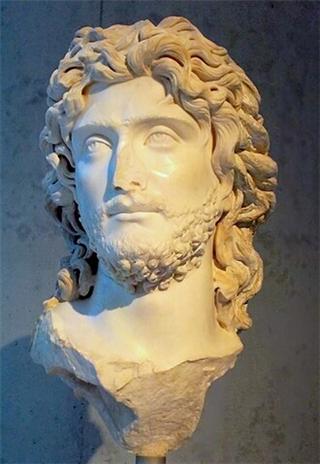 Sauromates IIPersonTiberius Julius Sauromates II was king of the Bosporan Kingdom from about 174 to 210 CE, ruling as a client of Rome.
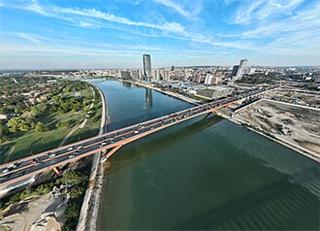 SavaPlaceThe Sava is a river of south-eastern Europe, about 950 kilometres long, which rises in the Julian Alps of Slovenia and flows east through Croatia and along the Bosnian…
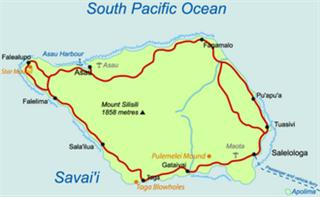 SavaiʻiPlaceSavaiʻi is the largest island of the Samoan archipelago and of the independent state of Samoa, a shield volcano whose last eruptions, from Mount Matavanu in 1905–1911…
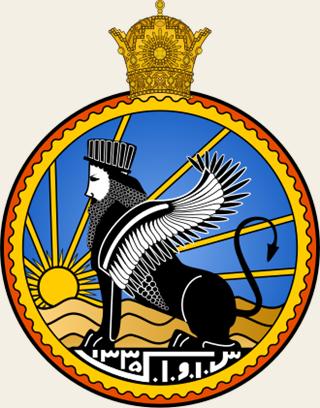 SAVAKInstitutionSAVAK was the secret police and intelligence service of Iran under Mohammad Reza Shah Pahlavi, founded in 1957 with American and Israeli help.
 Savang VatthanaPersonSavang Vatthana was the last King of Laos, succeeding his father Sisavang Vong in 1959.
- SavannahTermSavannah is a type of tropical grassland with scattered trees, found widely across Africa between the rainforest and the desert.
- SavaranInstitutionThe savaran were the heavy cavalry of the Sasanian Empire, with horse and rider protected by armour.
- SavariaPlaceSavaria was a Roman city in Pannonia, founded as a colony under Emperor Claudius around the middle of the first century CE on the Amber Road, on the site of modern…
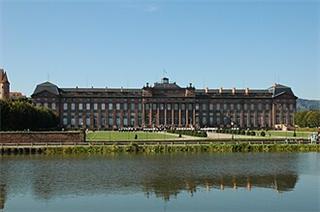 SavernePlaceSaverne (German Zabern) is a town in Alsace, France, where the road from Strasbourg crosses the Vosges into Lorraine.
 Saverne AffairCrisis · 1913The Saverne Affair, or Zabern Affair, was a political crisis in the German Empire in 1913.
 Savitsky MuseumInstitutionThe Savitsky Museum, the State Museum of Arts of Karakalpakstan in Nukus, Uzbekistan, was founded in 1966 by the artist and collector Igor Savitsky.
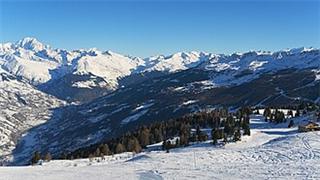 SavoiePlaceSavoie is a department of south-eastern France in the Alps, with its prefecture at Chambéry, the old capital of the counts of Savoy.
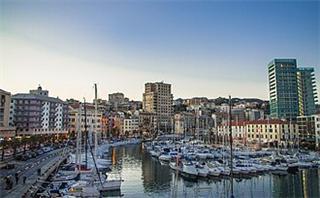 SavonaPlaceSavona is a port city on the Ligurian coast of north-western Italy, west of Genoa.
- SavoniaPlaceSavonia, Savo in Finnish, is a historical province of eastern Finland, a landscape of lakes and forests around Mikkeli and Kuopio.
- Saw HnitPersonSaw Hnit was the last king of the Pagan dynasty in Burma, placed on the throne in 1299 by the Myinsaing brothers after they executed his father Kyawswa.
 Saw YunPersonSaw Yun was the founder of the Sagaing Kingdom in Upper Burma.
 SawadPlaceThe Sawad was the name given by Arab writers to the fertile, irrigated lowlands of southern and central Iraq between the Tigris and Euphrates.
- Sawankhalok wareWork / monumentSawankhalok ware is the glazed stoneware made at the kilns of Si Satchanalai, near Sawankhalok in north-central Thailand, from about the fourteenth to the sixteenth…
 Sawant SinghPersonSawant Singh was the ruler of Kishangarh in Rajasthan from 1748 and a poet who wrote devotional verse to Krishna under the name Nagari Das.
 Sawayama CastlePlaceSawayama Castle was a Japanese mountain castle on Mount Sawa, in modern Hikone, Shiga Prefecture, commanding the road along the eastern side of Lake Biwa.