Encyclopedia: K
1,366 entries under K · page 12 of 14: Köthen – Kujula Kadphises
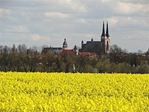 KöthenPlaceKöthen is a town in Saxony-Anhalt, Germany, between the Elbe and the Saale.
- Kotoko CouncilInstitutionThe Kotoko Council was the governing council of the Ashanti Empire, established at the empire's foundation around 1700.
- Kotoko peoplePeople / groupThe Kotoko are a people of the floodplains south of Lake Chad, along the Chari and Logone rivers in Cameroon, Chad and Nigeria.
- KotoroslPlaceThe Kotorosl is a river in Yaroslavl Oblast, Russia, about 130 kilometres long, flowing from Lake Nero near Rostov to join the Volga at Yaroslavl.
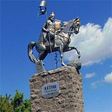 KotragPersonKotrag was a Bulgar leader of the 7th century, by tradition a son of Kubrat of Old Great Bulgaria.
- KotsotekaPeople / groupThe Kotsoteka, or Buffalo Eaters, were one of the main divisions of the Comanche.
 KoukliaPlaceKouklia is a village in the Paphos District of south-western Cyprus, built on the site of Palaepaphos, Old Paphos, the capital of one of the ancient city-kingdoms of…
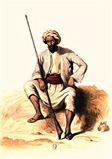 KouloughlisPeople / groupThe Kouloughlis were the sons of Ottoman soldiers, mostly Janissaries, and local North African women in the Regencies of Algiers, Tunis and Tripoli.
- Koumbi SalehPlaceKoumbi Saleh is an archaeological site in south-eastern Mauritania widely identified as the capital of the Ghana Empire.
 Kouris RiverPlaceThe Kouris is one of the main rivers of Cyprus, rising in the Troodos Mountains and flowing south to the sea near Episkopi, west of Limassol.
 KourouPlaceKourou is a town on the coast of French Guiana, north-west of Cayenne.
- Kourou expeditionEventThe Kourou expedition was a French attempt in 1763–1765 to settle European colonists in French Guiana after the loss of Canada in the Seven Years' War.
 Kouroukan FougaWork / monumentThe Kouroukan Fouga is the founding charter traditionally attributed to the assembly convened by Sundiata Keita after the creation of the Mali Empire in the thirteenth…
 KousseriPlaceKousseri is a town in the Far North Region of Cameroon, on the Logone river opposite N'Djamena, capital of Chad.
 Koutoubia MosqueWork / monumentThe Koutoubia Mosque is the principal mosque of Marrakesh, built under the Almohad Caliphate in the twelfth century.
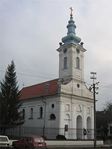 KovinPlaceKovin is a town in the Banat region of Serbia, on the Danube east of Belgrade.
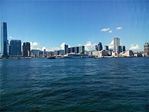 KowloonPlaceKowloon is an urban area of Hong Kong on the peninsula facing Hong Kong Island across Victoria Harbour.
 KoxingaPersonKoxinga, born Zheng Chenggong, was a seventeenth-century Ming loyalist commander who resisted the Qing conquest of China from bases on the south-eastern coast.
- Koy-Krylgan-KalaPlaceKoy-Krylgan-Kala is an ancient circular monument in Karakalpakstan, north-western Uzbekistan, built in the 4th century BCE in the Kingdom of Khwarazm.
 Koza riotRevolt · 1970The Koza riot was an outbreak of violence in the city of Koza, now Okinawa City, on the night of 20 December 1970, during the American administration of Okinawa.
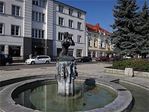 KoźlePlaceKoźle is a historic town on the Oder in Upper Silesia, Poland, now part of the city of Kędzierzyn-Koźle.
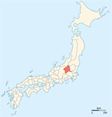 Kōzuke ProvincePlaceKōzuke Province was an old province of Japan in the northern Kanto region, now Gunma Prefecture.
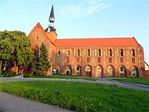 Kołbacz AbbeyWork / monumentKołbacz Abbey was a Cistercian monastery near Szczecin in Pomerania, founded in 1173 by monks from Esrum in Denmark at the invitation of the Pomeranian noble Wartislaw…
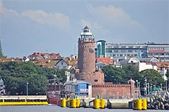 KołobrzegPlaceKołobrzeg, in German Kolberg, is a port and spa town on the Baltic coast of north-western Poland.
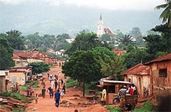 KpaliméPlaceKpalimé is a town in south-western Togo, in hilly country near the border with Ghana.
 Kpelle peoplePeople / groupThe Kpelle are the largest ethnic group of Liberia, living in the central part of the country and in neighbouring Guinea.
- Kraft Ernst, Prince of Oettingen-WallersteinPersonKraft Ernst was Count, from 1774 Prince, of Oettingen-Wallerstein in the Ries of Swabia.
 Kragujevac massacreEventThe Kragujevac massacre was the mass shooting of some 2,800 men and boys, including schoolboys, by German troops in the Serbian town of Kragujevac in October 1941.
- KrajinaPlaceKrajina, meaning 'frontier', is the name given to the former lands of the Habsburg Military Frontier in Croatia, where Serb settlers served as border soldiers against…
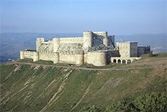 Krak des ChevaliersWork / monumentKrak des Chevaliers is a Crusader castle in western Syria, on a hill commanding the Homs Gap between the coast and the interior.
 KrakówPlaceKraków is a city on the Vistula in southern Poland and the country's historic capital.
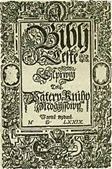 Kralice BibleWork / monumentThe Kralice Bible is the first complete Czech translation of the Bible from the original Hebrew and Greek, made by scholars of the Unity of the Brethren and printed at…
- Krasnaya PolyanaPlaceKrasnaya Polyana is a mountain settlement in the Sochi district of Krasnodar Krai, Russia, on the site of the Circassian locality of Kbaada.
 KrasnodarPlaceKrasnodar is a city in southern Russia on the Kuban River and the capital of Krasnodar Krai.
 Krefeld-GellepPlaceKrefeld-Gellep is a district of Krefeld on the lower Rhine and the site of the Roman fort of Gelduba.
 KremnicaPlaceKremnica is a mining town in central Slovakia, called Körmöcbánya in the medieval Kingdom of Hungary.
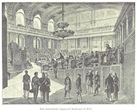 Kremsier ParliamentInstitutionThe Kremsier Parliament was the Austrian constituent Reichstag elected in 1848, which met first in Vienna and from November 1848 at Kroměříž (Kremsier) in Moravia.
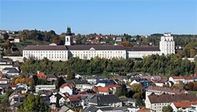 Kremsmünster AbbeyInstitutionKremsmünster Abbey is a Benedictine monastery in Upper Austria, founded in 777 by Duke Tassilo III of Bavaria to spread Christianity and settlement on the eastern…
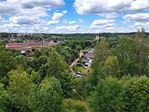 KrevaPlaceKreva is a village in the Grodno Region of north-western Belarus, known for the ruins of its fourteenth-century castle, one of the oldest stone castles of the Grand…
 KriegsmarineInstitutionThe Kriegsmarine was the navy of Nazi Germany from 1935 to 1945, successor to the Reichsmarine.
- KrinjaboPlaceKrinjabo is a town in south-eastern Côte d'Ivoire, near the Aby lagoon, and the royal seat of the Anyi kingdom of Sanwi.
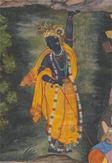 KrishnaReligion / ideaKrishna is one of the most widely worshipped Hindu gods, revered as an avatar of Vishnu or as the supreme deity.
- Krishna II (Rashtrakuta)PersonKrishna II was Rashtrakuta emperor of the Deccan from about 878 to 914, the son and successor of Amoghavarsha I.
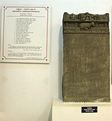 Krishna IIIPersonKrishna III was the last great emperor of the Rashtrakuta dynasty, ruling the Deccan from 939 to 967.
- Krishna KumariPersonKrishna Kumari was a princess of Mewar, daughter of Maharana Bhim Singh.
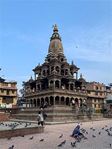 Krishna Mandir (Patan)Work / monumentThe Krishna Mandir is a stone temple on Patan Durbar Square in Lalitpur, Nepal, completed in 1637 by King Siddhi Narasimha Malla.
 Krishna Raja SagaraWork / monumentKrishna Raja Sagara is a dam and reservoir on the Kaveri River near Mysore in Karnataka, India, named after Maharaja Krishnaraja Wodeyar IV.
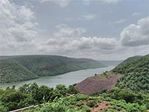 Krishna RiverPlaceThe Krishna is one of the major rivers of peninsular India, flowing about 1,300 kilometres from the Western Ghats in Maharashtra east across Karnataka, Telangana and…
 KrishnadevarayaPersonKrishnadevaraya was emperor of Vijayanagara from 1509 to 1529, of the Tuluva dynasty, and the most celebrated ruler of the empire.
- Krishnaraja (Kalachuri dynasty)PersonKrishnaraja was a king of the Kalachuris of Mahishmati in western India in the mid-6th century.
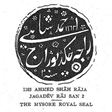 Krishnaraja Wodeyar IIPersonKrishnaraja Wodeyar II (1728–1766) was king of Mysore from 1734 to 1766.
 Krishnaraja Wodeyar IIIPersonKrishnaraja Wodeyar III was maharaja of Mysore from 1799 to 1868.
 Krishnaraja Wodeyar IVPersonKrishnaraja Wodeyar IV was Maharaja of Mysore from 1894 to 1940, ruling with full powers from 1902.
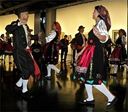 KristangPeople / groupThe Kristang are a Eurasian community of Malacca in Malaysia and of Singapore, descended from Portuguese settlers of the 16th and 17th centuries who married local women.
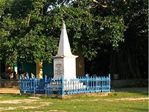 Krittibas OjhaPersonKrittibas Ojha was a Bengali poet who wrote the Krittivasi Ramayan, a free retelling of the Sanskrit Ramayana in Bengali verse, probably in the early fifteenth century.
 KrivichsPeople / groupThe Krivichians were an East Slavic tribal union of the early Middle Ages, living around the upper Dnieper, Western Dvina and Volga, with centres at Smolensk, Polotsk…
- Krka (river)PlaceThe Krka is a river in Dalmatia, Croatia, about 73 km long, which flows past Knin to the Adriatic near Šibenik.
 KrnovPlaceKrnov is a town in the Moravian-Silesian Region of the Czech Republic, on the Opava river near the Polish border, known in German as Jägerndorf.
 KroměřížPlaceKroměříž, in German Kremsier, is a town in Moravia in the Czech Republic, long the summer seat of the bishops and archbishops of Olomouc, whose palace and gardens are a…
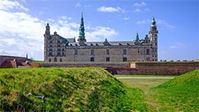 KronborgWork / monumentKronborg is a Renaissance castle at Helsingør on the narrowest point of the Øresund, where Denmark collected the Sound Toll from passing ships.
 Kronstadt rebellionRevolt · 1921The Kronstadt rebellion was a revolt in March 1921 by sailors, soldiers and workers of the naval fortress of Kronstadt near Petrograd against the Bolshevik government.
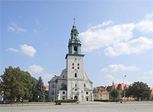 Krosno OdrzańskiePlaceKrosno Odrzańskie, in German Crossen an der Oder, is a town in western Poland at the confluence of the Bóbr and the Oder.
- Krsto FrankopanPersonKrsto Frankopan was a Croatian nobleman of the powerful Frankopan family and a leading commander against the Ottomans.
 Kru peoplePeople / groupThe Kru are a West African people of the coast of south-eastern Liberia and south-western Côte d'Ivoire, speaking Kru languages.
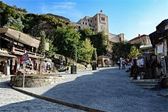 KrujëPlaceKrujë is a town in north-central Albania, on a mountainside above the coastal plain.
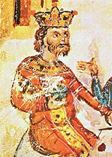 KrumPersonKrum was khan of the First Bulgarian Empire from about 803 to 814.
 KruppInstitutionKrupp was a German steel and armaments firm founded in Essen in 1811 by Friedrich Krupp.
 KruševacPlaceKruševac is a city in central Serbia on the West Morava river.
 KruševoPlaceKruševo is a mountain town in the south-west of North Macedonia, at about 1,350 metres one of the highest towns in the Balkans.
 Kruševo ManifestoWork / monumentThe Kruševo Manifesto is a proclamation attributed to the insurgents who held Kruševo during the Ilinden Uprising of August 1903, addressed to the Muslim inhabitants of…
 KruszwicaPlaceKruszwica is a small town in Kuyavia, central Poland, on the northern shore of Lake Gopło.
 Krzeszów AbbeyPlaceKrzeszów Abbey is a former Cistercian abbey in Lower Silesia, Poland, near the Czech border.
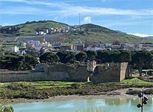 Ksar es-SeghirPlaceKsar es-Seghir is a small coastal town on the Strait of Gibraltar in northern Morocco, between Tangier and Ceuta.
- Kshaharata dynastyStateThe Kshaharata were a dynasty of Western Satraps, of Saka origin, who ruled in western India in the first and early second centuries CE.
 KshatriyaTermKshatriya is the second of the four varnas of the traditional Hindu social order, the class of rulers and warriors, ranked after the Brahmins.
- KshemaguptaPersonKshemagupta was king of Kashmir from 950 to 958, the son of the dynasty's founder Parvagupta.
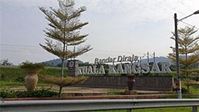 Kuala KangsarPlaceKuala Kangsar is a town on the Perak River in Perak, Malaysia, and the royal seat of the sultans of Perak.
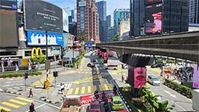 Kuala LumpurPlaceKuala Lumpur grew from a tin-mining settlement founded around 1857 at the meeting of the Klang and Gombak rivers in Selangor.
 Kuala SelangorPlaceKuala Selangor is a town at the mouth of the Selangor River on the west coast of Peninsular Malaysia.
 Kubadabad PalaceWork / monumentKubadabad Palace was a summer palace of the Seljuk sultans of Rum on the south-western shore of Lake Beyşehir in Turkey, built for Kayqubad I in the 1230s.
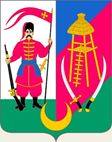 Kuban RadaInstitutionThe Kuban Rada was the elected assembly and regional government of the Kuban Cossacks, formed after the February Revolution of 1917.
- KubarPlaceKubar was a later capital of the Aksumite kingdom, to which the court relocated in the ninth century as Aksum declined.
- KuberanagaPersonKuberanaga was a princess of the Naga dynasty who married the Gupta emperor Chandragupta II in the late 4th century.
- Kubja VishnuvardhanaPersonKubja Vishnuvardhana was the founder of the Eastern Chalukya dynasty of Vengi in coastal Andhra.
 Kublai KhanPersonKublai Khan was a grandson of Genghis Khan who became Great Khan of the Mongol Empire and founded the Yuan Dynasty in China.
 KubratPersonKubrat was a Bulgar ruler of the Dulo clan who, in the 630s, threw off Avar or Turkic overlordship and united the Onogur, Bulgar and related tribes of the steppe north…
 Kubuna ConfederacyPeople / groupKubuna is one of the three traditional confederacies of Fiji, together with Burebasaga and Tovata.
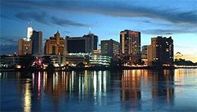 KuchingPlaceKuching is the capital of Sarawak, Malaysia, on the Sarawak River in north-western Borneo.
- KuchlugPersonKuchlug was a prince of the Naiman, a Turkic-Mongol people of western Mongolia, who fled west after Genghis Khan's victories.
- Küchük MuhammadPersonKüchük Muhammad was a khan of the Golden Horde in the mid 15th century, ruling from Sarai as the Horde broke apart.
- KuchumPersonKuchum was the last khan of Sibir, a Shibanid descendant of Genghis Khan who seized power from the Taibugid ruler Yadegar in 1563.
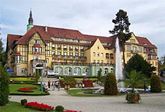 Kudowa-ZdrójPlaceKudowa-Zdrój is a spa town in Lower Silesia, south-western Poland, at the foot of the Table Mountains near the Czech border.
 KudunggaPersonKudungga is the earliest known ruler of Kutai in eastern Borneo, named in the Sanskrit yupa inscriptions of his grandson Mulavarman from around 400.
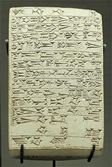 Kudur-MabukPersonKudur-Mabuk was an Amorite chief of the Yamutbal tribe in the region east of the Tigris, whose name is Elamite.
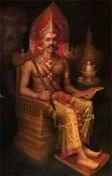 Kue NaPersonKue Na was a king of Lan Na from 1355 to 1385, remembered as a pious and learned ruler.
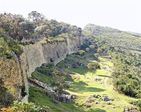 KuélapPlaceKuélap is a walled settlement of the Chachapoya culture on a ridge above the Utcubamba valley in Amazonas, northern Peru, built mainly from about the 6th century CE.
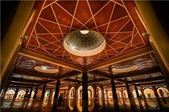 KufaPlaceKufa was a garrison city founded by Arab Muslim forces in southern Iraq in the 630s during the Rashidun conquests.
- KufraPlaceKufra is a group of oases in the Libyan Desert of south-eastern Libya.
 KuitoPlaceKuito is the capital of Bié Province in the central highlands of Angola.
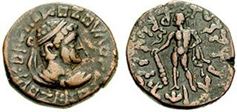 Kujula KadphisesPersonKujula Kadphises was the founder of the Kushan Empire in the 1st century CE.